
The first time I watched a kid on my youth basketball sideline try to convince everyone he was “fine,” I saw a familiar look in his eyes. Not pain, exactly. More like a fog he could not quite explain. That is the hard part about concussions. Tough athletes can play through a sore ankle. You cannot muscle your way through a brain that is not processing normally.
That is where baseline concussion testing comes in. It is not a magic shield, and it is not a pass-fail exam. It is a “this is what normal looks like for you” snapshot taken before the season, while an athlete is healthy. If a concussion is later suspected, clinicians can compare new results to that baseline to help guide diagnosis and care.
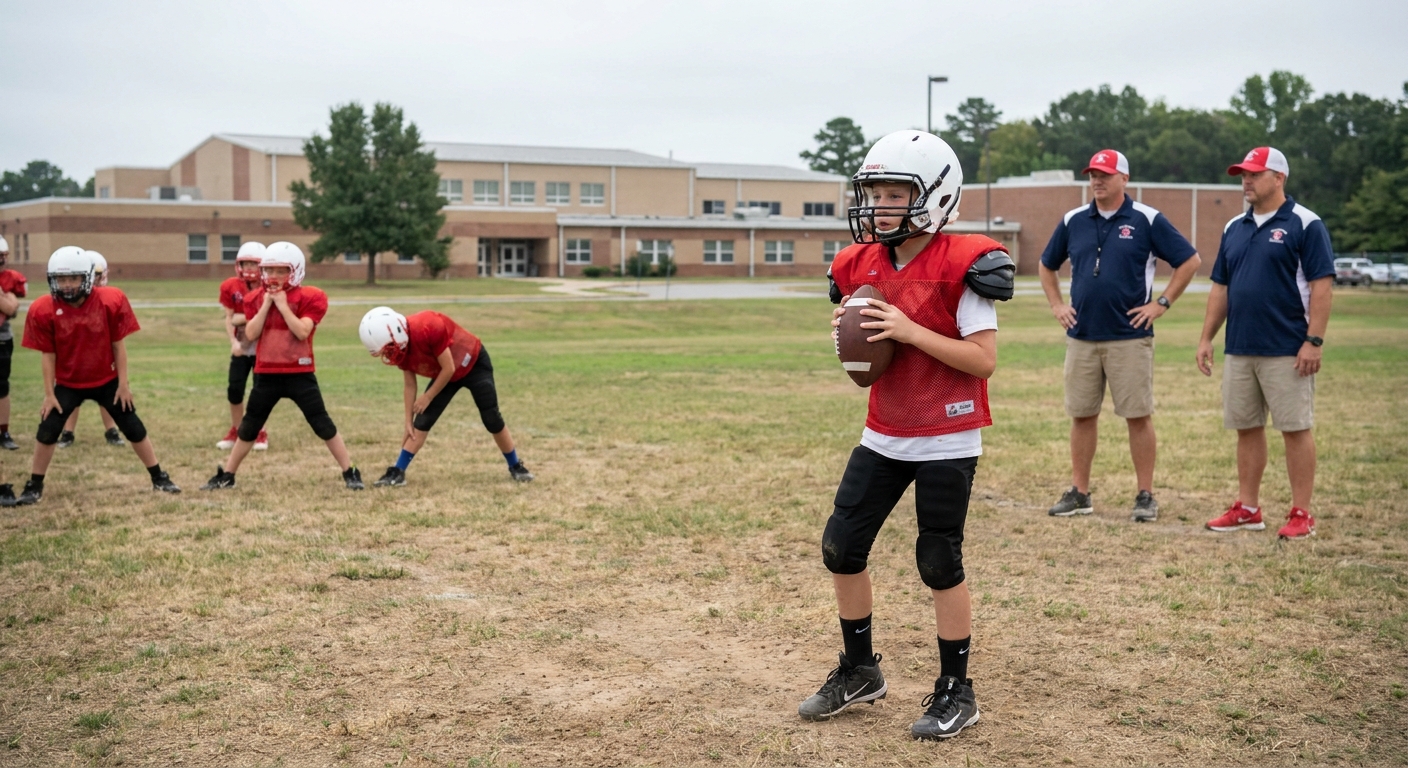
Baseline concussion testing, explained
Baseline concussion testing is a set of standardized measures that capture how an athlete functions when they are healthy, typically in the preseason or before full-contact practices ramp up. It usually looks at a mix of:
- Thinking skills such as memory, attention, processing speed, and reaction time
- Balance and coordination
- Current symptoms (if any) the athlete reports at baseline
The point is simple: if that athlete later takes a hit and shows possible concussion signs, a healthcare professional can compare post-injury test results to the athlete’s own baseline, not just to a generic average.
That comparison can be especially helpful for athletes who do not fit “average” neatly, like kids with ADHD, learning differences, migraines, prior concussions, or naturally slower or faster processing speed.
Why a baseline matters
Brains are not one-size-fits-all. Two athletes can take the same contact and have very different outcomes. Even before any injury, there is a wide range of normal for things like reaction time or short-term memory.
A baseline helps clinicians answer questions like:
- Is this athlete performing differently than usual?
- Are they reporting more symptoms than they typically do?
- Is their balance worse than their own normal?
It is also useful because some athletes are motivated to minimize symptoms, especially in big moments. Objective testing is not perfect, but it can add structure when emotions and competitive instincts are loud.
One important reality check: test scores can be influenced by sleep, stress, medication changes, effort, and simple practice effects (people often do a little better the second time they take the same style of test). That is why baselines work best as one data point inside a full clinical evaluation, not the whole story.
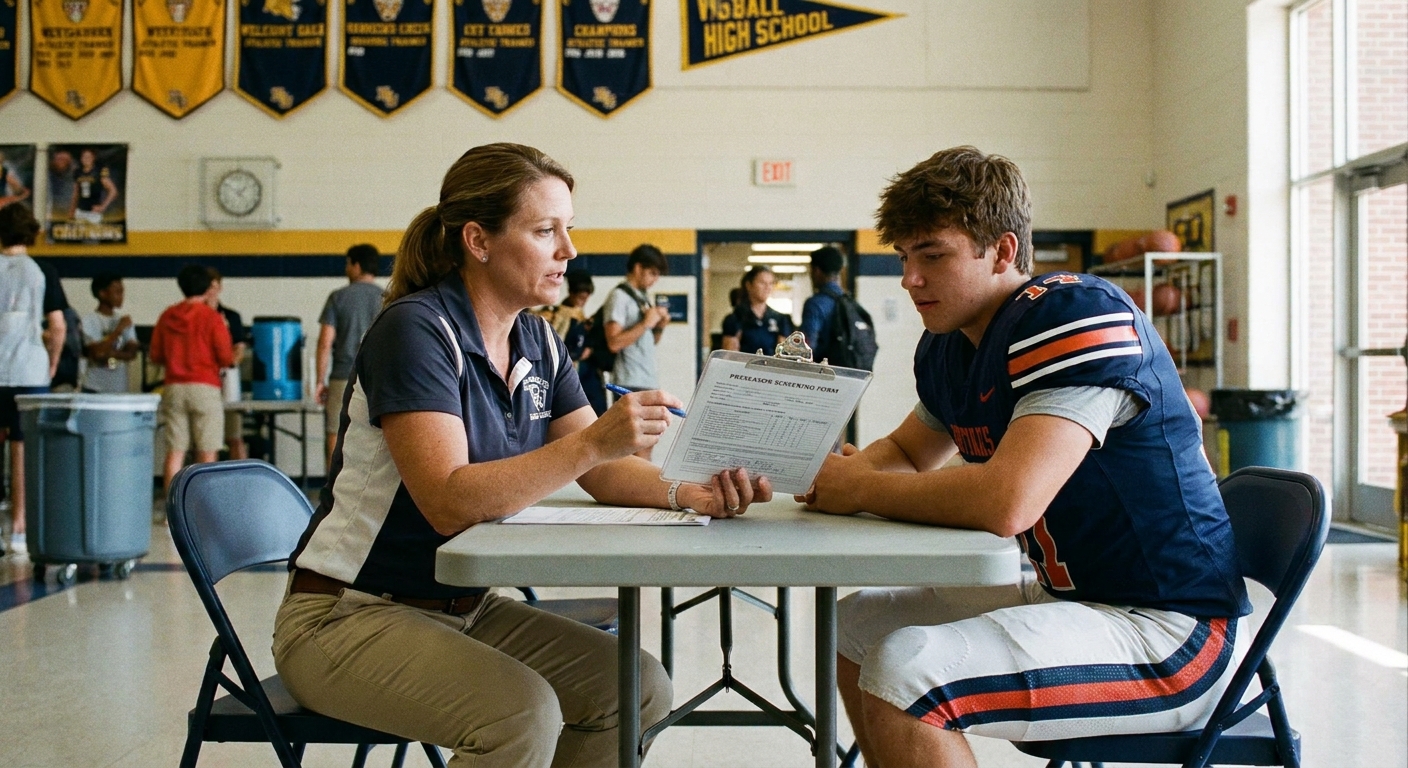
What baseline tests include
Baseline testing is usually made up of a few parts. The exact mix depends on the school, league, clinic, and available staff.
1) Symptom inventory
Athletes answer questions about symptoms such as headache, dizziness, nausea, trouble concentrating, sensitivity to light or noise, sleep issues, and feeling “slowed down.”
This matters because some athletes walk around with a couple symptoms on a normal day, especially during stressful school periods or heavy training blocks. A baseline captures that context.
2) Cognitive testing (computer-based or paper-based)
This section checks skills that commonly change after a concussion:
- Immediate and delayed memory (remembering words, shapes, or patterns)
- Attention and concentration (staying locked in through distractions)
- Processing speed (how quickly the brain takes in and uses information)
- Reaction time (responding to prompts accurately and fast)
Many programs use computerized neurocognitive tests, sometimes referred to by brand names. Others use validated paper-and-pencil tools administered by trained professionals.
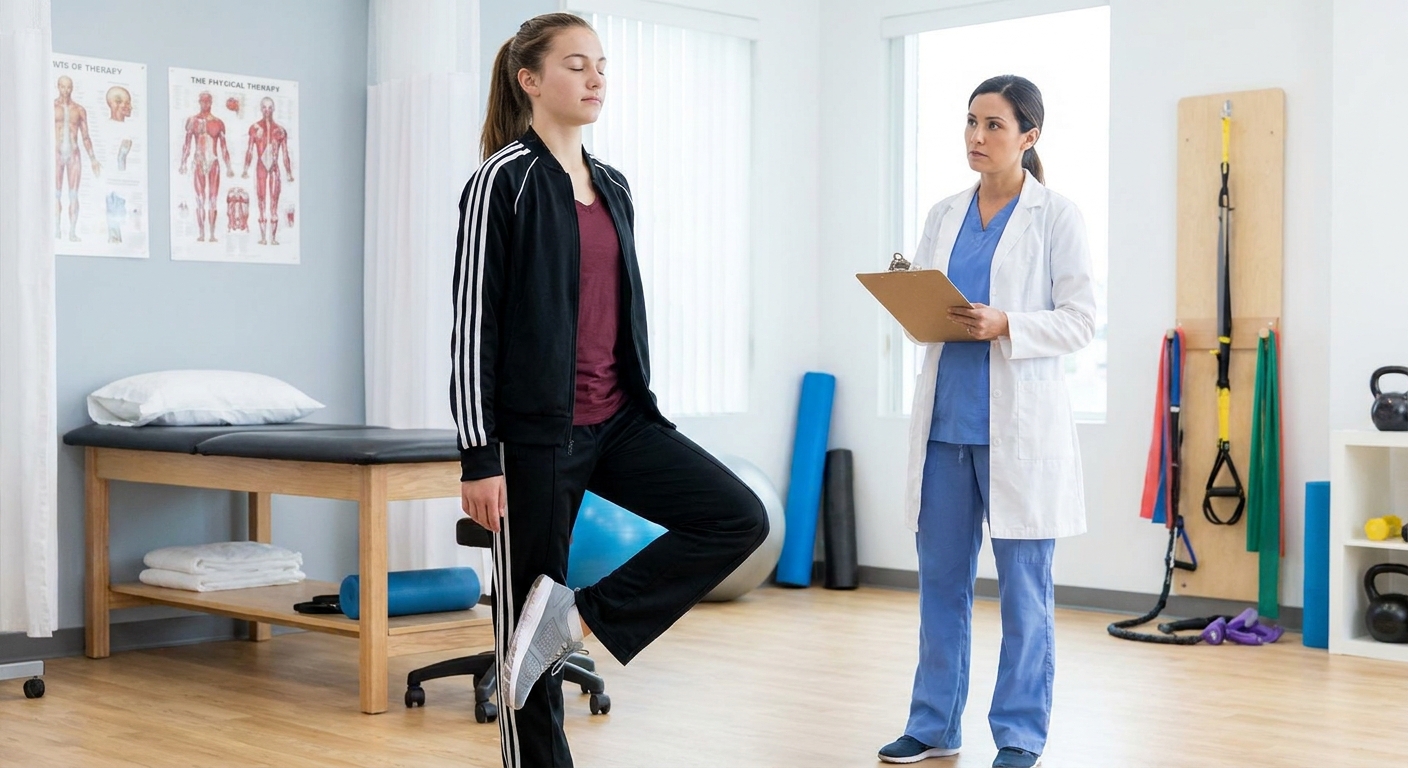
3) Balance and vestibular screening
Concussions can disrupt balance systems involving vision, inner ear, and body awareness. Baseline testing may include balance stances, walking tasks, or vestibular and eye movement checks.
You might see this performed on a firm surface, on foam, or in a controlled clinic environment.
4) Brief neurological components
Some baseline sessions include quick checks of coordination, eye tracking, or other neurological signs. Not every program does this, but it is common in more comprehensive preseason screens.
How clinicians use a baseline
If an athlete later has a suspected concussion, a clinician may repeat similar tests and compare results to the athlete’s baseline. The key word is compare. Baseline testing is not meant to stand alone.
Here is what that comparison can help with:
- Detecting meaningful change in memory, reaction time, or balance compared to the athlete’s typical performance
- Reducing guesswork when symptoms are vague or the athlete has a complicated medical history
- Documenting recovery trends over time when repeat testing is done
Clinicians usually interpret baseline and post-injury testing alongside a full clinical evaluation. If you hear someone say, “He passed the baseline test, so he’s good,” that is a red flag. Baselines are a tool, not a clearance stamp.
What to do after a suspected concussion
This part matters more than any testing platform.
- Remove them from play. If a concussion is suspected, the athlete should come out right away.
- No same-day return. Do not treat “seems fine now” as a green light to go back in.
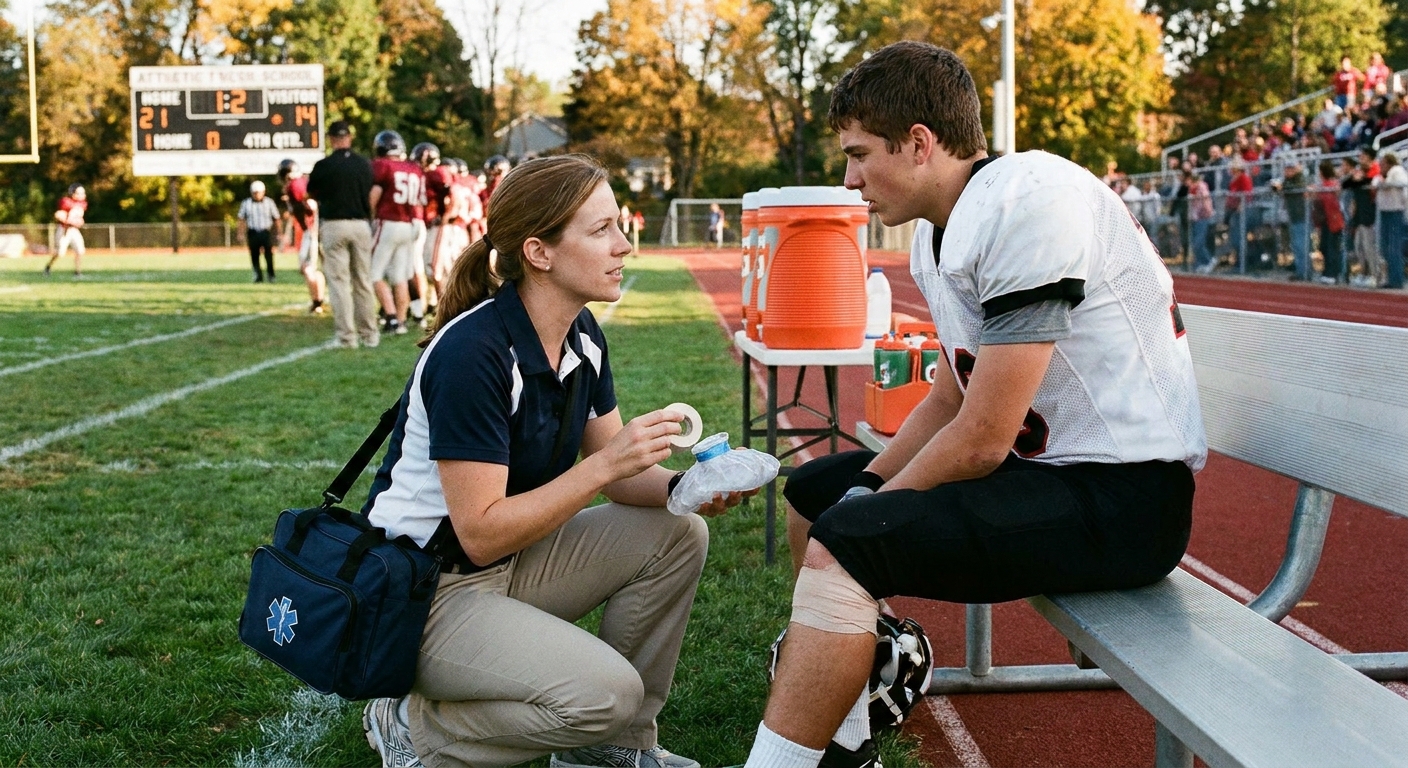
- Get a qualified evaluation. An athletic trainer, sports medicine clinician, or physician can assess symptoms, neurologic signs, balance, and next steps.
- Follow a step-by-step return plan. Good care usually includes both return-to-learn (school) and return-to-play (sport) progression based on symptoms and clinical guidance.
If symptoms are severe or getting worse, or you notice red flags like repeated vomiting, worsening headache, seizure, confusion that escalates, or unusual drowsiness, treat it as urgent and seek emergency care.
Who should get baseline testing?
Baseline testing is most common in sports with higher concussion risk, but it can be useful across the board.
You will most often see it for:
- Youth, middle school, and high school football
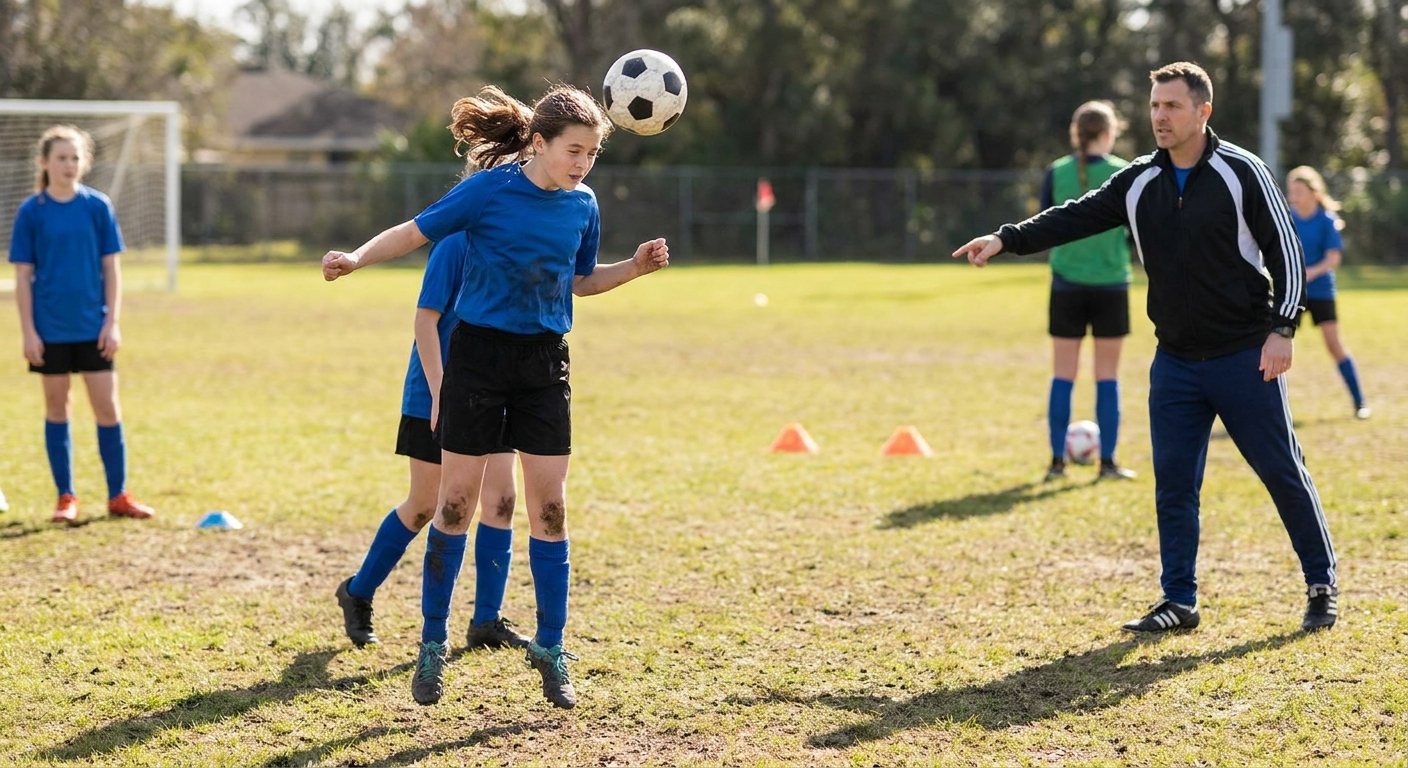
- Soccer (especially heading and collisions)
- Hockey and lacrosse
- Wrestling
- Basketball (contact happens fast in traffic)
- Cheer and gymnastics (falls and impacts)
For younger athletes, baseline testing is a bit trickier because kids develop quickly. A 12-year-old’s “normal” can change a lot by 13. Many programs handle this by repeating baselines often annually, and sometimes every 1 to 2 years depending on age, sport, and policy.
When to do baseline testing
Baseline testing should happen when an athlete is truly healthy, ideally:
- Before the season starts or early in preseason
- When they are well-rested and not sick
- When they are not currently injured or dealing with a recent head impact
Sleep deprivation, illness, stress, or even taking the test right after a brutal conditioning session can drag scores down and create a misleading baseline. If the baseline is off, comparisons later get muddy.
What baseline testing can and cannot do
What it can do
- Provide an athlete-specific reference point for cognition and balance
- Help clinicians spot changes that might otherwise be missed
- Add objective data to a careful medical evaluation
What it cannot do
- Prevent concussions
- Diagnose concussions by itself
- Prove an athlete is “fine” just because they scored well
- Replace honest symptom reporting and clinical judgment
This is the part I tell parents and coaches bluntly: a baseline is only as useful as the system around it. If the culture is “shake it off,” the smartest testing in the world will not fix the biggest problem.
Common questions
Is baseline testing required?
It depends on the state, league, and school policy. Some programs require it for certain sports. Others recommend it but do not mandate it. If it is not offered, you can ask your pediatrician, a sports medicine clinic, or a concussion center about local options.
Is it the same as an MRI or brain scan?
No. Baseline testing is usually functional, meaning it measures performance on tasks. Imaging is typically used to rule out more serious injuries (like bleeding or a skull fracture) when medically indicated, not to “prove” a concussion.
Can a kid “sandbag” a baseline?
Some athletes try to intentionally perform poorly so it is easier to match the baseline later. Some computerized tests include validity indicators designed to flag inconsistent effort, and trained clinicians can often spot when something is off. Still, the best defense is education: explain that a fake baseline can lead to worse care and longer time away.
How often should an athlete redo a baseline?
Many youth and high school programs redo baselines annually, while others update them every 1 to 2 years. In some cases, clinicians may recommend repeating it after major changes, like a diagnosed concussion history, medication changes, or significant learning or attention changes.
What if my athlete has ADHD, dyslexia, migraines, or anxiety?
Tell the clinician ahead of time. Those factors do not disqualify anyone. They are exactly why having an athlete’s personal baseline can be helpful, because it captures their real starting point.
What to ask your school or clinic
If your program offers baseline testing, you will get better value from it by asking a few practical questions:
- Who administers and interprets the tests? (athletic trainer, physician, neuropsychologist, trained staff)
- What tools are used? (cognitive, balance, symptom measures)
- How is privacy handled, and who can see results?
- How often are baselines updated?
- What happens if the baseline looks abnormal? (retest, referral, medical follow-up)
You are not being difficult by asking. You are being the adult who makes sure “player safety” is more than a slogan on a banner.
If you do not have a baseline
Plenty of athletes never get baseline testing. That does not mean they cannot get good concussion care. Clinicians can still use symptom checklists, balance and vestibular exams, neurologic evaluation, and careful follow-up to guide return-to-school and return-to-sport decisions.
Baseline testing can help, but it is not the gatekeeper to proper treatment. The basics still win: take symptoms seriously, remove from play, get evaluated, and follow a stepwise return plan.
The bottom line
Baseline concussion testing is preseason testing done while an athlete is healthy, creating a personal benchmark for cognitive function, symptoms, and balance. If a concussion is suspected later, clinicians can compare post-injury results to that baseline to better understand what has changed.
It is not about labeling kids as fragile. It is about respecting how valuable their brains are, especially in the sports we love most. The goal is simple: when the game gets chaotic, you have a clear picture of what “normal” was before the hit.