
One of the hardest things for new hockey fans to get used to is how something that looks like a normal hit can suddenly draw an arm in the air. Charging is a classic example. The sport is fast, contact is legal, and emotions run hot, but there is a line between finishing a check and turning yourself into a human missile.
Charging, at its core, is about how a player delivers a hit: the strides they take, the distance they travel, and whether they jump or launch into the opponent. It is less about the fact that contact happened and more about the way it was created.
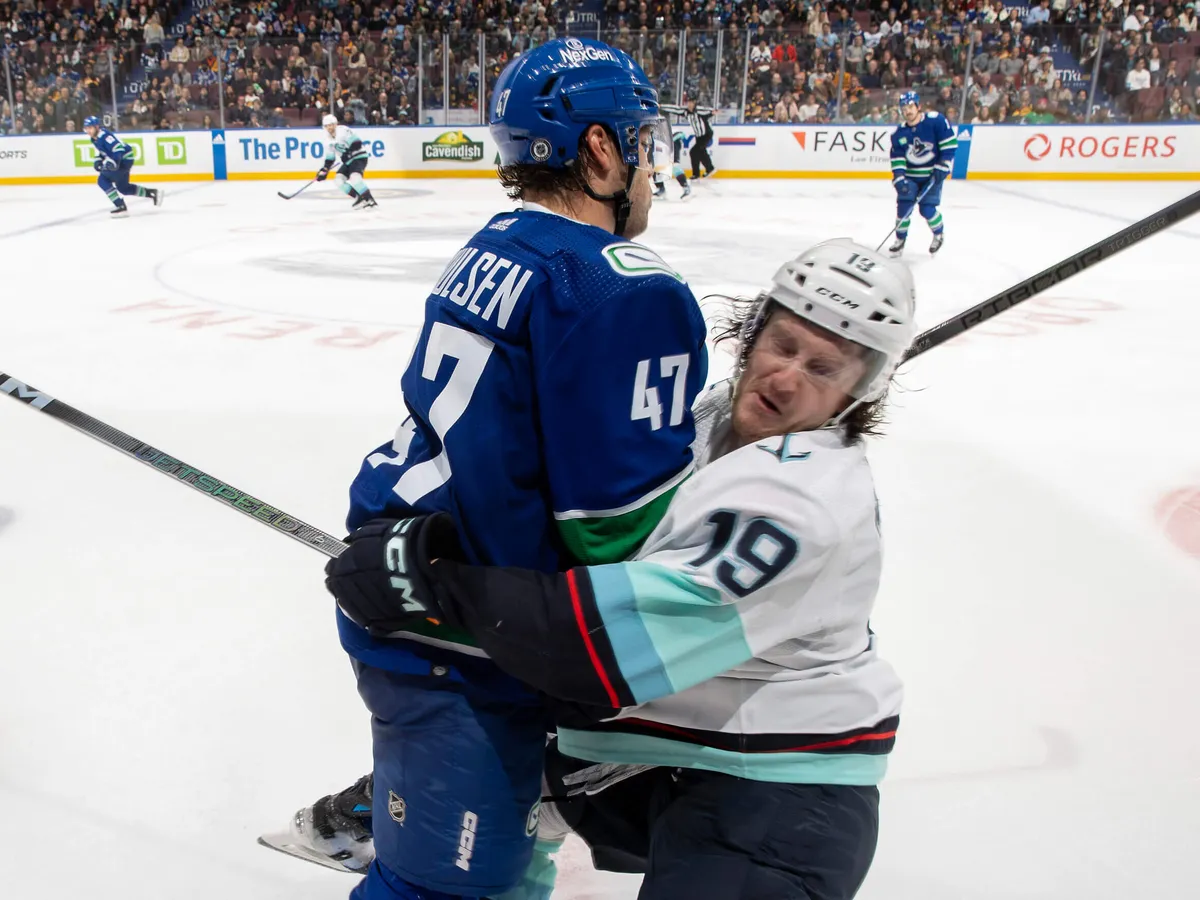
Charging definition: strides, distance, or a launch
Charging is an illegal check where a player takes more than two strides or travels an unnecessary distance to deliver a violent hit, or jumps or launches into the opponent to increase the impact.
In plain language: if a player builds up speed and explodes through someone in a way that goes beyond a normal body check, officials can rule it charging.
Rule note: In the NHL, charging is covered under Rule 42 (Charging).
Two common charging cues
- Extra strides or a long run-up: You will often hear announcers say “he took three or four strides into it.” The rule language is tighter than “multiple strides” and the idea is that the hitter is still accelerating into contact instead of arriving under control.
- Jumping or launching into contact: If the hitter propels upward or forward into the opponent to amplify force, that is a major red flag. Note the nuance: players can come off their skates because of momentum or the impact of a legal check. The infraction is the act of jumping or launching to deliver the hit, not simply skates leaving the ice afterward.
Not every big hit is charging. Hockey is contact-heavy by nature. Charging is about avoidable, dangerous acceleration that raises injury risk.
How refs judge charging
Charging is one of those penalties where the rulebook language meets real-time judgment. Officials are usually weighing a few things at once.
1) Distance traveled
If a player comes from far away to deliver contact, it starts to look like a “run-up.” That is exactly the kind of hit charging is meant to discourage.
2) Strides before contact
Fans often focus on stride count because it is easy to see, especially on replay. More strides usually means more acceleration and less ability to pull up or stay in control.
3) Degree of violence
Force matters. A player might skate hard to close space and still deliver a controlled, legal check. But if the strides or distance look excessive and the impact looks reckless, the odds of a charging call go way up.
When I coached youth hoops, the idea was the same: physical is fine, but speed plus intent is what gets someone hurt. Charging is hockey’s version of that line.
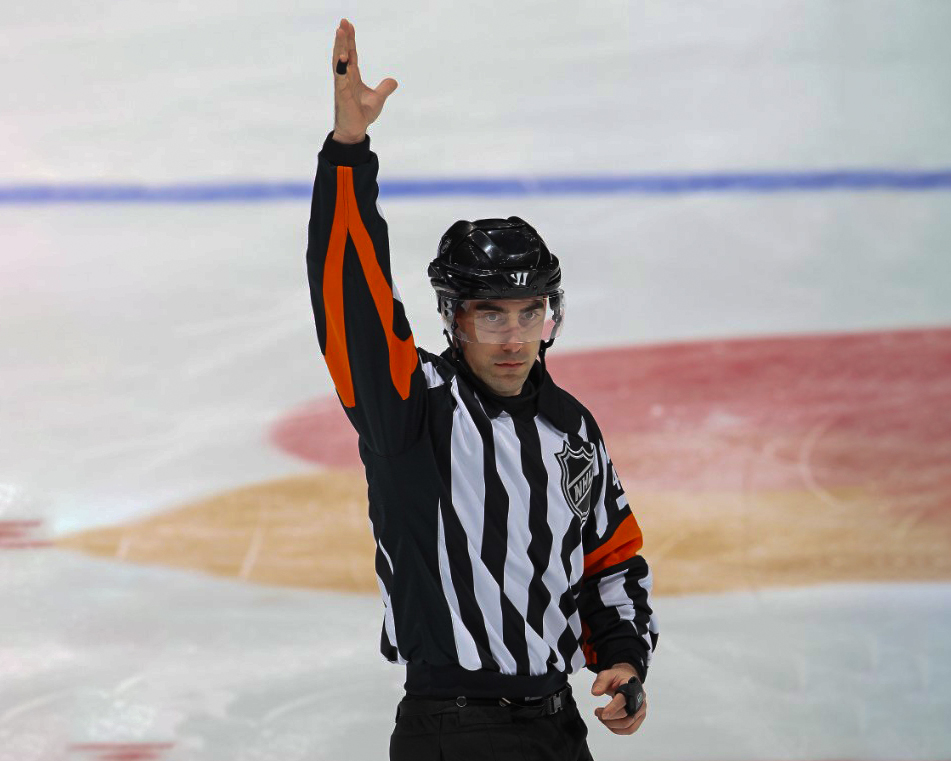
Charging penalties
Charging can be called at different severities depending on the degree of violence and the overall danger of the hit. An injury can influence how a play is viewed, but it is not required for a bigger call.
Minor penalty (2 minutes)
A 2-minute minor is the most common outcome for charging. You will usually see it when the hit is clearly illegal because of extra strides, unnecessary distance, or a small launch, but the play does not rise to the level of a major.
Major penalty (5 minutes)
A 5-minute major is reserved for the more severe stuff: the kind of charge that looks like a full-on run, a clear jump or launch into contact, or a hit delivered with a reckless level of force.
The big difference is that a major is not just “more time.” A major is the referee saying: this crossed into dangerous territory.
Game misconduct (ejection)
Charging can also come with a game misconduct, which means the player is removed from the game. This is more likely when the hit is especially violent or looks predatory rather than competitive.
Depending on the league and situation, a severe charging incident can also be reviewed for supplemental discipline after the game.
What charging is not
This is the part that clears up most of the confusion. A legal body check is about separating an opponent from the puck using positioning, timing, and controlled contact. It is not about winding up like a linebacker.
A legal body check usually looks like this
- Angle first, then contact: The checker takes a smart route, closes space, and meets the puck carrier.
- Glide into the hit: You often see the hitter stop taking hard strides as they arrive, which reduces the “run-up” effect.
- Shoulder through the core: Contact is typically shoulder-to-body, aimed through the opponent’s torso, not a jump or launch.
- Control and balance: The checker stays on their skates and is not springing upward to generate impact.
You can deliver a huge, clean hit this way. The point is that the hitter is finishing a play, not building momentum to create a highlight at someone else’s expense.
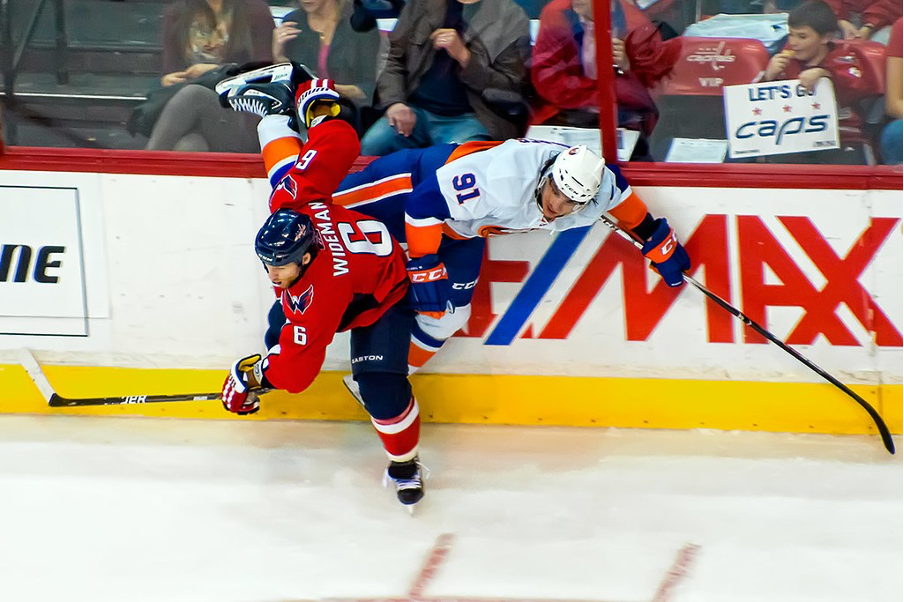
Charging vs. other penalties
Charging overlaps with other penalties because a dangerous hit can break multiple rules at once. The difference is what the officials believe is the primary problem on the play.
- Charging: The issue is the run-up, extra strides, unnecessary distance, or a jump or launch into the hit.
- Boarding: The issue is that the opponent is put in a dangerous position into the boards, often from behind or at an unsafe angle.
- Checking from behind: The issue is contact to a vulnerable player who is facing the boards, regardless of distance traveled.
- Illegal check to the head or elbowing: Many “charging-looking” hits are actually penalized because the primary contact is high, or because an elbow is used to make contact.
- Roughing or interference: The issue is more about timing or unnecessary contact rather than the charge itself.
Sometimes referees will call the single penalty that best fits the main infraction. Other times they can add a misconduct, or assess multiple penalties, depending on what happened.
Why charging is taken seriously
Hockey is fast enough that a few extra strides can turn routine contact into something catastrophic. Charging rules exist to discourage the “runway hit,” where a player chooses speed over control.
From a player’s perspective, the dangerous part is that a charged hit can catch a guy before he can properly brace. That is when heads snap back, shoulders get separated, and knees get twisted under awkward weight.
Quick examples
Example 1: the long sprint from center ice
A forward sees a defenseman handle the puck near the blue line and sprints 20 to 30 feet to crush him, taking several hard strides right into the contact. Even if the point of contact is shoulder-to-chest, the distance and acceleration can make this charging.
Example 2: launching into the hit
A hitter propels upward and forward to deliver a check, leaving the ice as part of the act of delivering contact. That “launch” is a common path to a major, and sometimes a game misconduct, depending on severity.
Example 3: close, controlled contact
A defenseman closes a gap, takes a stride or two, then glides into a firm shoulder check as the opponent chips the puck. That is usually a clean body check, even if the collision is loud.
FAQ
Is charging only called on open-ice hits?
No. Open-ice charging is the one that goes viral, but a player can be called for charging along the boards or near the crease if they take a run at someone or launch into the contact.
Does “three strides” automatically mean charging?
Not automatically. Strides are a clue, not a calculator. Officials are judging distance, control, and the violence of the hit, not just counting steps.
Can charging be called if the player has the puck?
Charging is typically associated with delivering a check, so it is most often called on the player initiating contact into an opponent. The spirit of the rule, though, is about dangerous, excessive acceleration into contact.
Why do some big hits look legal in one game and illegal in another?
Two reasons: context and referee judgment. The same collision can look different based on the opponent’s posture, how far the hitter traveled, and whether the hitter could have pulled up. Hockey also has a reality that every fan learns: consistency is the goal, but the game moves too fast for perfection.
Is the charging rule the same in every league?
The basic idea is consistent, but wording and points of emphasis can vary by league. The NHL uses Rule 42, while other governing bodies can define charging a little differently and may stress different safety points. If you are watching a junior, college, or youth game, it is worth checking that league’s rulebook and enforcement style.