
I have coached enough youth hoops to know this universal truth across sports: the wall is undefeated. In hockey, the wall is the boards, and when a player gets launched into them in a vulnerable spot, it can turn a routine hit into something scary fast. That is where the boarding penalty comes in.
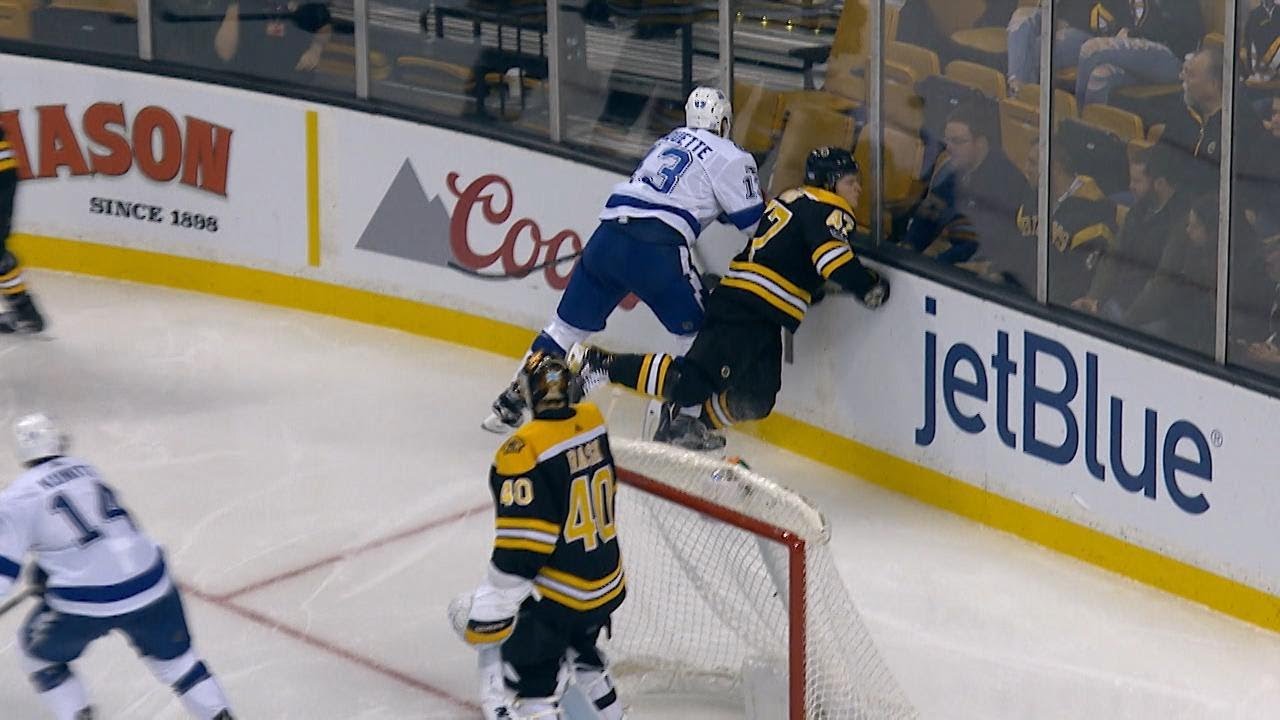
At its core, boarding is a penalty for checking, pushing, or otherwise causing an opponent to crash dangerously into the boards. It is less about whether contact happened and more about the force, the distance to the boards, and the danger created.
One important note on rulebook language: definitions vary by league. In the NHL, boarding (Rule 41) focuses on a hit that causes a player to be thrown violently into the boards in a way that endangers them, no matter the exact angle of contact. Hits from behind are especially risky and can also implicate checking from behind (Rule 43), which is a separate call.
Boarding definition
Boarding is typically called when a player drives an opponent into the boards in a way that endangers them, especially when the opponent is in a vulnerable position and has little chance to protect themselves.
Officials are judging the hit’s result and risk, not just the intent. You will often see boarding called on hits that:
- Send the opponent headfirst or awkwardly into the boards
- Use excessive force given the distance to the boards
- Occur when the opponent is close to the boards and cannot safely absorb contact
- Propel the opponent into the glass rather than simply separating them from the puck
Most boarding calls happen when a player is a stride or less from the side boards or end boards and the hitter keeps driving through contact instead of finishing under control.
Hockey is physical, but the rule is designed to draw a line between a hard check and one that creates an avoidable, high-risk impact.
What refs look at
Because boarding is about danger, the same-looking hit can be legal in one moment and a penalty in another. When refs decide whether a play is boarding, they commonly consider factors like:
Distance to the boards
A check that is fine at center ice can be dangerous two feet from the boards. The less space a player has to brace, the more the hitter has to dial back the force.
Force and follow-through
Was it a controlled body check, or did the hitter drive through with extra force that launched the opponent? Boarding often has that “catapult” look.
Player vulnerability
If the player being hit is reaching for a puck, off-balance, or otherwise unable to defend themselves, the onus is on the checker to avoid a dangerous impact.
Resulting impact
You will hear broadcasters say, “That is the definition of boarding,” when the outcome is ugly: the opponent goes in hard, awkwardly, or with their head and shoulders taking the brunt.
Minor vs major vs misconduct
Boarding can be penalized at different levels depending on the rule set and the severity of the outcome.
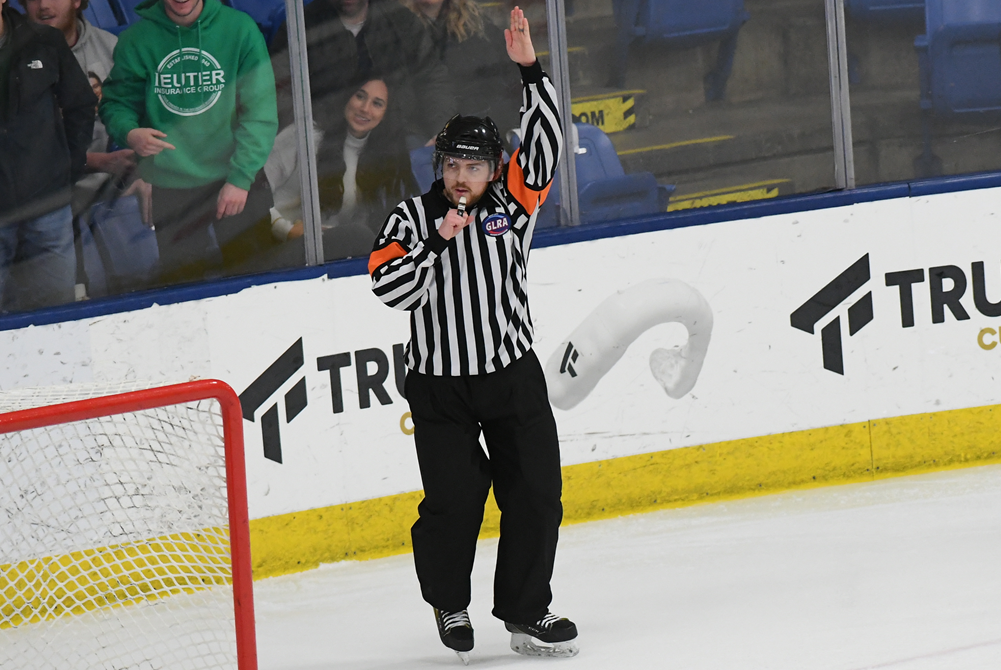
Minor penalty (2 minutes)
A minor is the most common boarding call. You will usually see it when the hit is dangerous, but does not appear to cause a serious injury on the play.
Think: the opponent goes in hard, it looks unsafe, but play continues and the officials keep it at two.
Major penalty (5 minutes)
League rules vary, but here is the NHL baseline: a major for boarding is often assessed when an injury results from the foul, and officials have discretion based on the severity of the action and what they observe in real time.
Game misconduct (ejection)
A game misconduct can be added when the officials believe the play crosses a more serious line. Depending on the league and the specifics, it may accompany a major, or be assessed separately alongside other penalties.
Leagues can also review these plays after the fact and issue supplemental discipline, but on the ice the call is driven by danger, outcome, and the applicable rulebook.
Legal check vs boarding
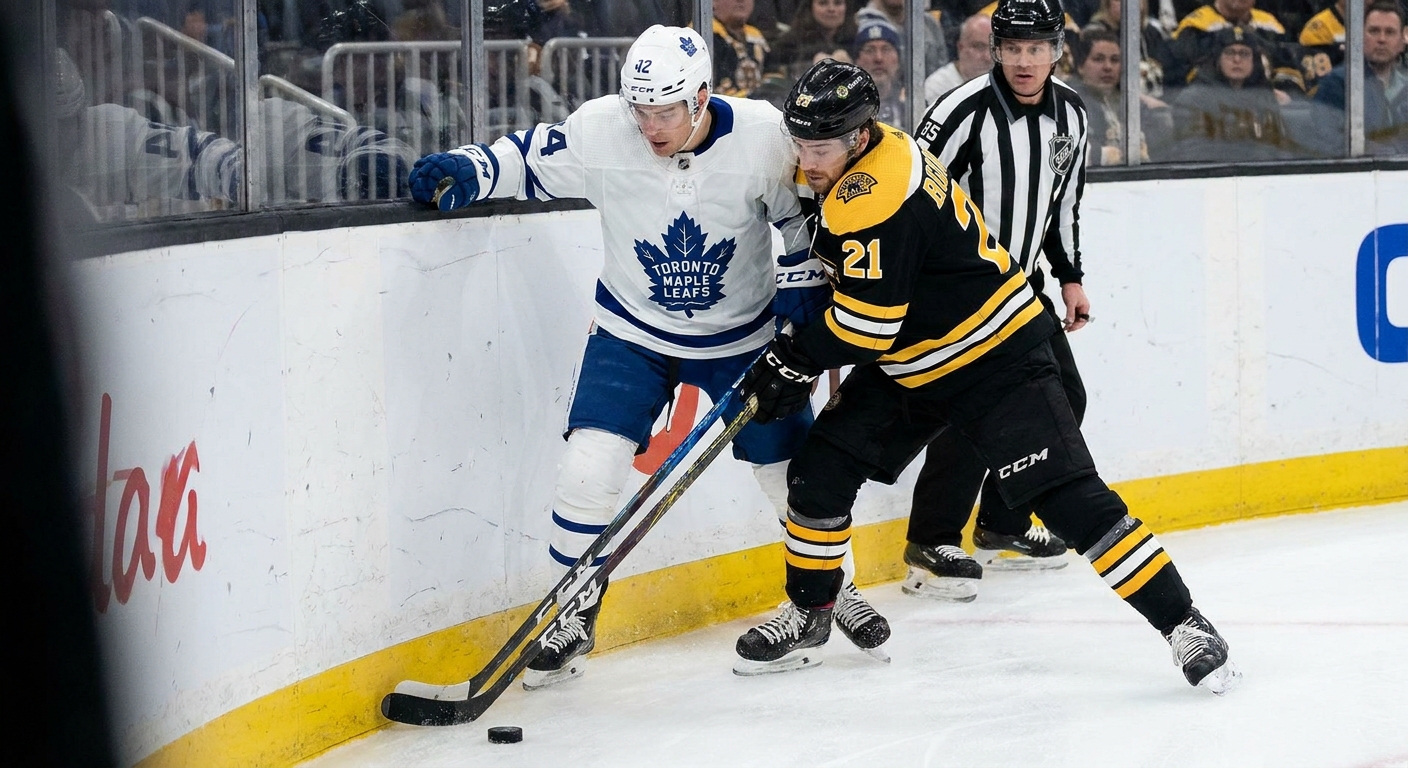
A legal board check can be physical and loud, and fans love it because it changes possession and momentum. The difference is control.
A legal check along the boards generally looks like this:
- The checker makes controlled body contact to separate the opponent from the puck
- The opponent is not launched or driven in a way that creates a dangerous crash
- The checker shows awareness of how close the opponent is to the boards and adjusts force accordingly
- The contact is more “pin and contain” than “drive and destroy”
A hit becomes boarding when the player being checked is propelled into the boards in a dangerous way, especially if the checker had time and space to avoid creating that impact.
Boarding vs other calls
Borderline plays near the boards often get labeled differently depending on what the officials think is most accurate.
- Checking from behind: A hit delivered from behind that puts a player in a vulnerable position. The NHL treats this as its own penalty, and it can overlap with boarding when a player is driven into the boards from behind.
- Charging: The issue is the approach, like taking multiple strides or launching into a hit. A player can charge someone into the boards, or they can board someone without a classic “charge.”
- Cross-checking: A shove with the stick (hands separated) that drives a player into the boards can be called cross-checking, boarding, or both depending on the action and outcome.
Sometimes a single play is a judgment call between boarding and checking from behind, and the angle of contact plus the danger of the impact usually decides it.
Common examples
Without getting too technical, here are a few situations where boarding calls are common:
- Late shove or bump near the boards that turns a routine finish into a dangerous collision
- Hard drive into a player who is a step from the boards retrieving a puck
- Driving through the numbers and sending the opponent airborne into the glass (even if the initial contact seems standard)
- Hitting a player who is off-balance and cannot absorb contact safely
And here is the part some fans miss: boarding is not only about brute strength. A smaller player can get called for boarding if the push or hit creates the same risky result.
Why it’s serious
The boards and glass can flex, but compared with open ice, they still stop you fast. When a player goes in awkwardly, the risk is not just a bruise. It can be shoulder injuries, head contact, and neck or back issues from a sudden stop into a rigid surface.
That is why officials have discretion in many leagues to escalate penalties based on the danger and outcome. The rule is built to reduce the kinds of impacts that can take a player out for weeks, or worse.
Quick FAQs
Is boarding always an automatic major?
No. Boarding is often a 2-minute minor. In the NHL, a 5-minute major is often tied to injury on the play, with officials using discretion based on severity and what they see. Other leagues may use different standards, so it is always worth checking the specific rulebook.
Can boarding be called if the player turns at the last second?
It can. If a player puts themselves in a more vulnerable spot right before contact, officials still judge whether the checker had a chance to avoid or reduce the force. The responsibility is on the hitter to stay in control near the boards.
Is boarding the same as a hit into the glass?
Not automatically. Plenty of legal checks end with a player contacting the glass. Boarding is about dangerous contact that drives or throws the opponent into the boards.
What is the simplest way to spot boarding as a fan?
If you watch the replay and think, “There was no need to finish that with that much force that close to the boards,” you are usually in boarding territory.