
I have coached enough youth hoops and spent enough nights in gyms to know this truth: sports can give kids confidence, friends, and a place to belong. But any time the conversation turns to head impacts, the tone shifts. Parents are not asking about the next game. They are asking about a lifetime.
One term that comes up fast is CTE. It is often mentioned alongside concussions, but it is not the same thing. Here is what chronic traumatic encephalopathy is, what scientists believe they know so far, and what is still uncertain.
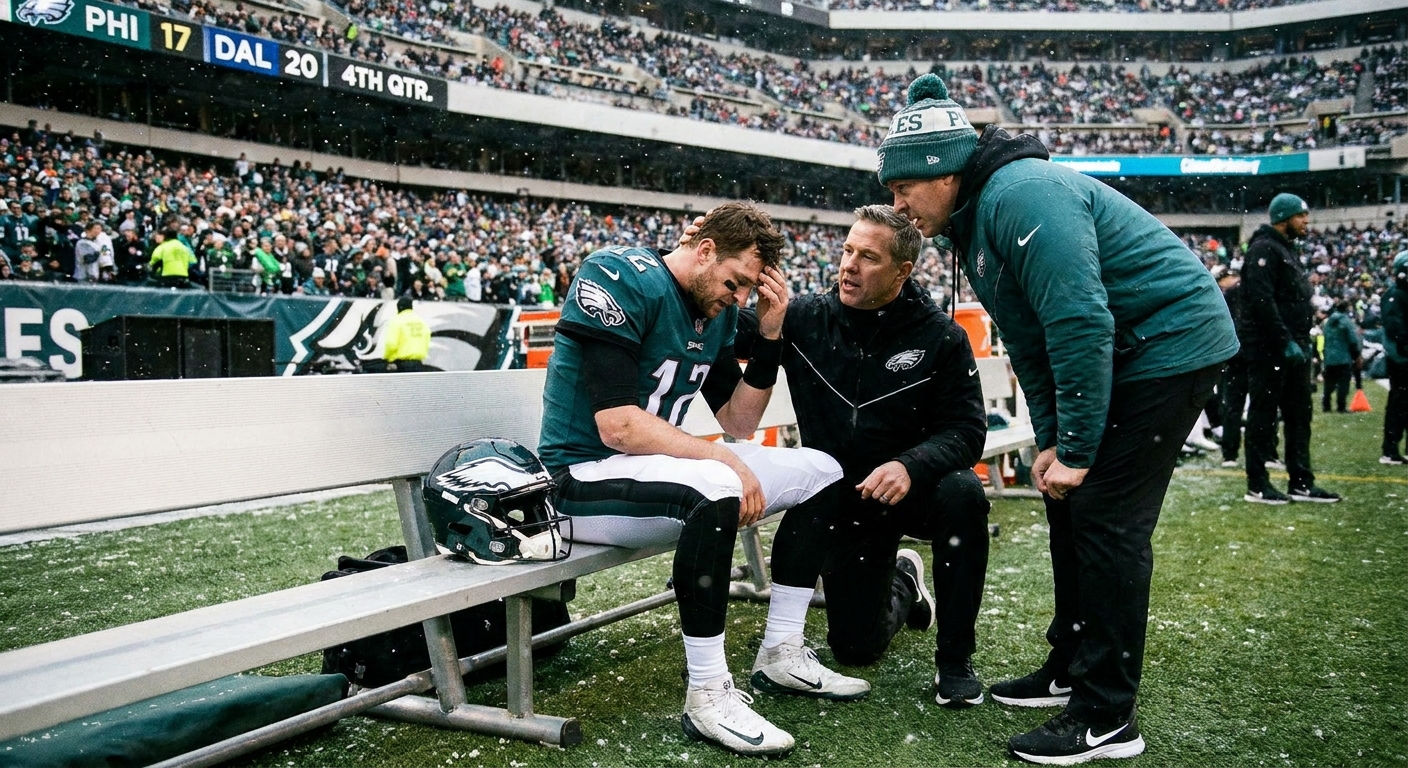
CTE in plain terms
Chronic traumatic encephalopathy (CTE) is a brain disease identified by a distinctive pattern of abnormal tau protein changes seen in brain tissue. Researchers have associated CTE with repeated head impacts over time. Those impacts can include concussions, but they can also include the routine hits that do not cause obvious symptoms in the moment.
CTE has been studied most in contact and collision sports like football, boxing, hockey, rugby, and soccer. Researchers have also examined CTE in some military populations where blast exposure and other head impact risks may occur, although the evidence is complex and often involves multiple possible contributors.
When people call CTE “progressive,” they are generally referring to neurodegenerative changes described in neuropathology. But an important nuance is that the natural history in living people is still being defined, in part because CTE cannot be definitively diagnosed during life.
CTE vs. concussion
A concussion is an acute brain injury. It is a change in brain function after a blow to the head or body that transmits force to the brain. Symptoms can show up quickly, and trained medical staff can evaluate an athlete that day. For some people, symptoms resolve in days or weeks. For others, symptoms can linger longer.
CTE is different:
- Timeline: Concussion is an acute injury with a recovery period that varies by person. CTE refers to long-term brain changes identified after death.
- Cause: A concussion can happen from a single impact. CTE is associated with repeated impacts across time.
- Diagnosis: Concussions are diagnosed clinically in living people. CTE can currently only be diagnosed after death by examining brain tissue.
This matters because families sometimes hear “CTE” and assume any single concussion automatically means CTE later. The science is not that simple. A concussion should always be taken seriously, but CTE is not a same-day diagnosis or an automatic outcome.
Quick definition: a subconcussive impact is a hit to the head that does not cause clear concussion symptoms, but still transmits force to the brain.
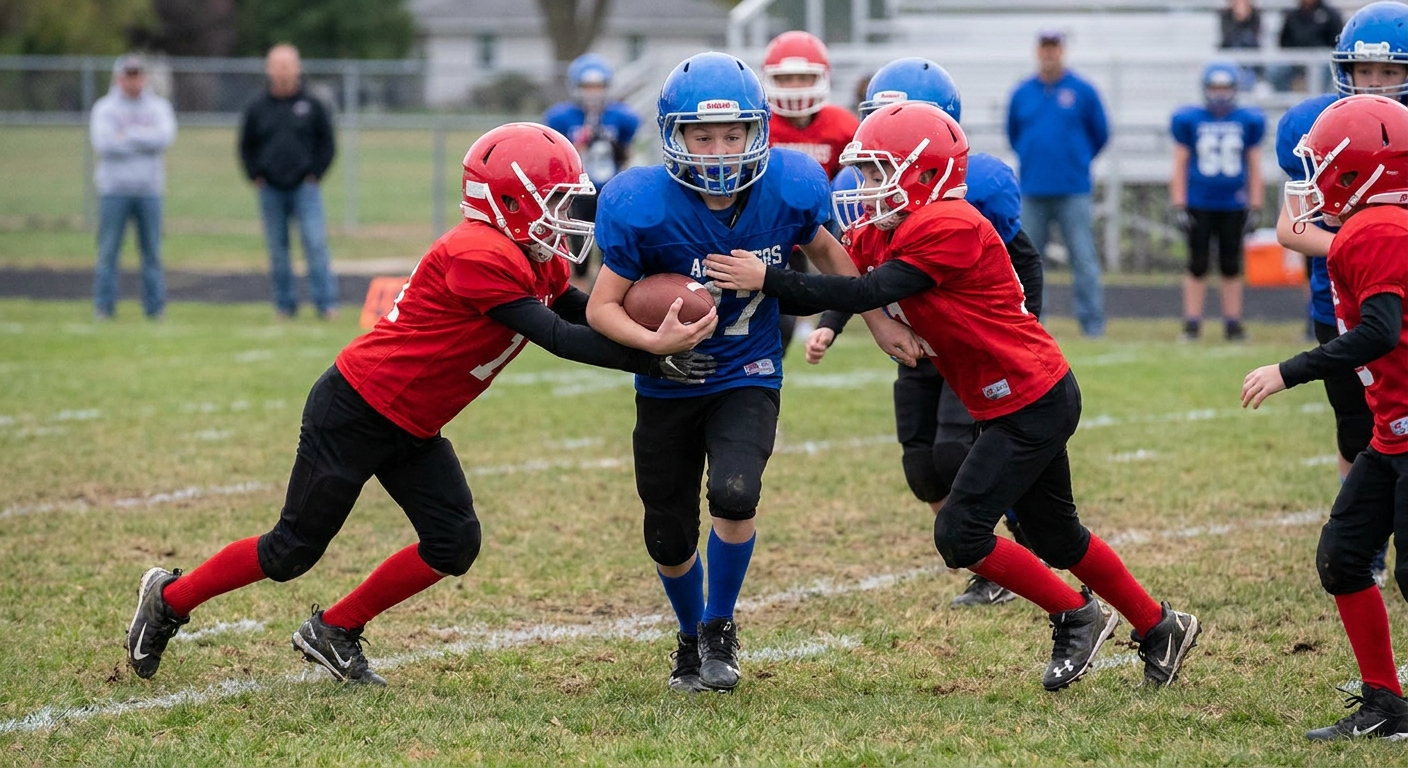
Symptoms tied to CTE
Because CTE is diagnosed after death, much of what we say about symptoms comes from reports about people who later were found to have CTE on autopsy. In research literature and case reports, symptoms described in some individuals have included:
- Thinking and memory issues (forgetfulness, trouble planning, slowed processing)
- Mood changes (depression, anxiety, irritability)
- Behavior changes (impulsivity, aggression in some cases)
- Sleep problems
- Movement problems later in life for some individuals (balance issues, tremor, slowed movements)
A key point: those symptoms are not unique to CTE. They can also be caused by or overlap with many other conditions, including depression, substance use, PTSD, other neurodegenerative diseases, medication effects, and everyday life stressors. That overlap is one reason CTE is so hard to identify confidently in living people.
How CTE is diagnosed
Right now, CTE is diagnosed through an autopsy. Specialists examine brain tissue under a microscope and look for a specific pattern of abnormal tau deposits that, when present in the right locations, supports a CTE diagnosis.
There is active research into tests that might help identify CTE in living people, including advanced brain imaging and blood or spinal fluid biomarkers. But at this time, those tools are not considered definitive for diagnosing CTE the way tissue examination is.
So when you see headlines about someone “having CTE,” it is typically because the diagnosis was made after death, often through a brain donation program.
Risk and unknowns
Known: repeated impacts matter
The most consistent risk factor researchers point to is cumulative exposure to head impacts. That includes concussions and also the routine, sub-concussive hits that can add up over seasons and years.
Unknown: who develops CTE and why
Not everyone with a long history of contact sports is found to have CTE in autopsy studies, and not everyone who is diagnosed with CTE (after death) had the same life story or symptom pattern. Researchers are still working to understand why. Possible contributors being studied include:
- Total exposure (years played, position, style of play)
- Genetics and individual biology
- Age of first exposure and developmental factors
- Coexisting conditions (mental health, sleep disorders, substance use)
Why prevalence is hard to pin down
Another uncertainty is prevalence. Because CTE is diagnosed after death and because many brain donation programs are not random samples of the whole population, researchers cannot currently estimate how common CTE is across all athletes or across the general public with high confidence.
What we can say with confidence is that CTE is not something you can diagnose based on a highlight reel of hard hits, and it is not something a sideline test can confirm.
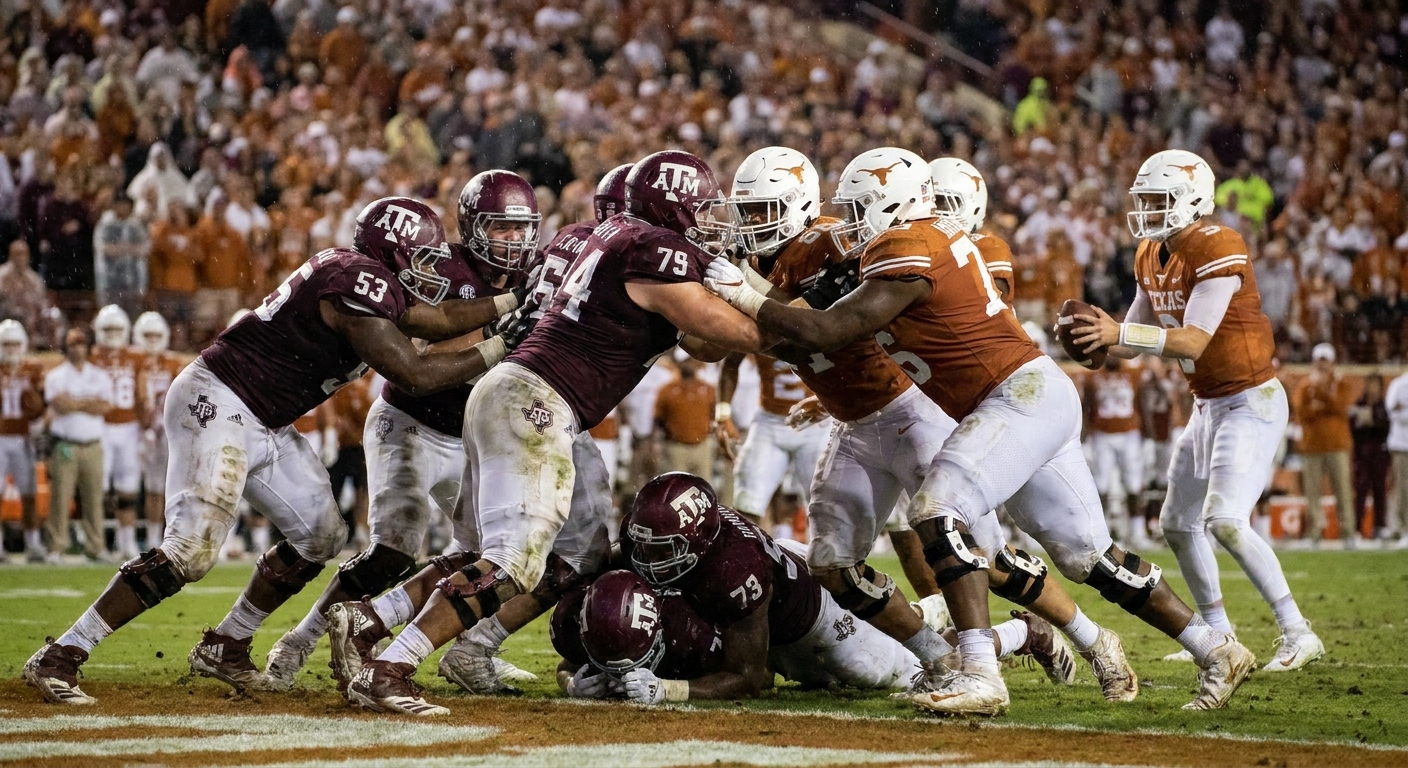
What parents and programs can do
Most families do not just want the definition of CTE. They want to know what to do Monday through Friday, and what to demand on game day. You cannot control everything in sports, but you can control more than you think.
- Limit unnecessary contact in practice: Reps matter, and so does the number of hits. Many youth and school programs now reduce full-contact practice periods.
- Teach safer technique: In football, that means no head-first contact and consistent tackling instruction. In soccer, it can mean age-appropriate heading policies and better instruction when heading is introduced.
- Enforce rules that reduce head contact: Penalize dangerous plays, and do not celebrate them.
- Report symptoms and take them seriously: Create a team culture where kids can speak up without losing their spot.
- Have qualified medical support when possible: A certified athletic trainer on site changes outcomes. If that is not realistic, know your league’s concussion protocol and make sure it is followed.
- Be honest about equipment: Helmets and mouthguards can reduce some injuries, but they cannot fully prevent concussions because the brain can still move inside the skull.
Why CTE is part of the bigger sports conversation
If you have been around sports long enough, you have seen the culture shift. We used to praise the kid who “shook it off.” Now we are finally learning to value the long view, the idea that protecting the brain is protecting the person.
CTE sits at the center of that shift because it reframes the risk. It is less about a single scary moment and more about what repeated impacts might mean over a lifetime.
When to talk to a medical professional
If an athlete has ongoing or worsening issues with mood, behavior, memory, concentration, or sleep, it is worth discussing with a licensed medical or mental health professional. Those symptoms deserve attention regardless of the cause.
And if a player has a suspected concussion on game day, treat that as an immediate medical situation and follow your league or school’s concussion management plan. CTE is the long-term topic. Concussion care is the right-now priority.
CTE FAQ
Is CTE the same as dementia?
No. CTE is a specific disease diagnosed by a particular pattern seen in brain tissue. Dementia is a broader term describing significant problems with memory and thinking that interfere with daily life. Some people associated with CTE research had dementia-like symptoms, but the terms are not interchangeable.
Can you get CTE from one concussion?
CTE is associated with repeated head impacts over time, not typically a single concussion. Any concussion should be taken seriously, but one concussion does not automatically mean someone will develop CTE.
Do you have to play football to get CTE?
No. CTE research includes athletes from multiple sports and others with repetitive head impact exposure. Football gets much of the spotlight because of the frequency of collisions, but it is not the only context being studied.
Can doctors test for CTE while someone is alive?
Not definitively. There is promising research into imaging and biomarkers, but CTE is currently diagnosed after death through brain tissue examination.