
Hockey is fast, loud, and emotional. Sometimes that emotion boils over into the most talked-about part of the sport: fighting. But an NHL “fight” is not just any shove, scrum, or post-whistle jawing. It is a defined on-ice act with standardized penalties, and the way officials judge it depends a lot on whether both players clearly agree to go.
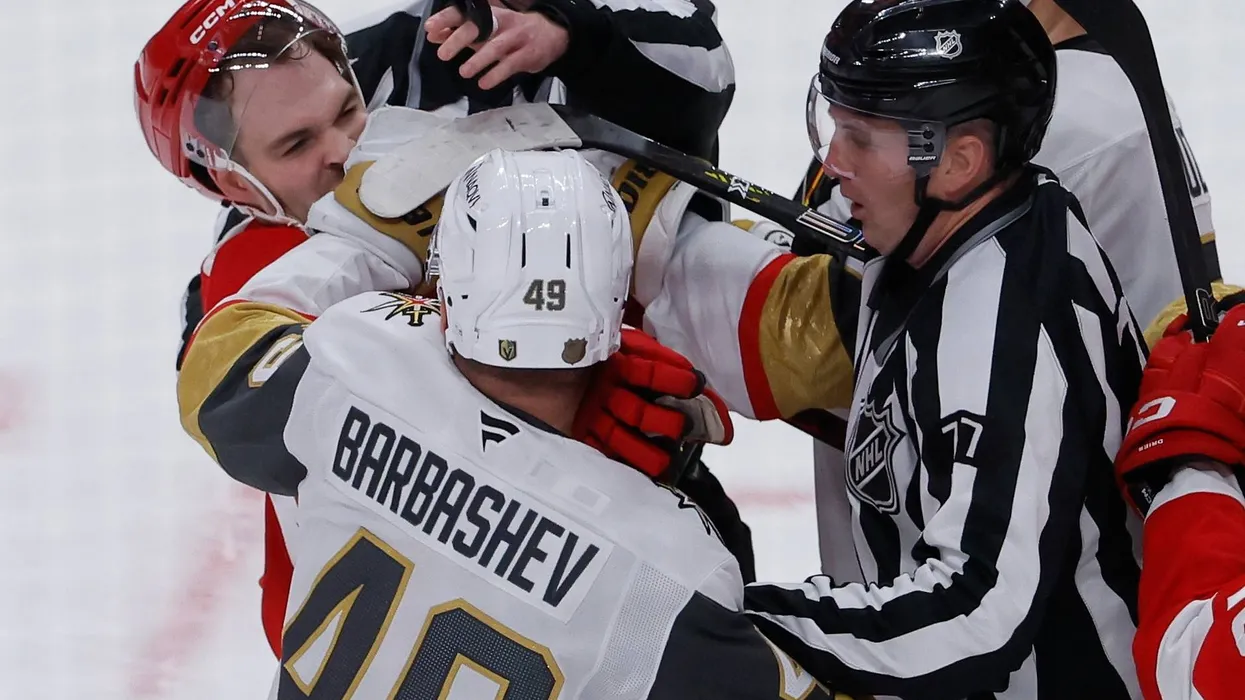
What the NHL considers a fight
In NHL rule language, a fight is essentially when two players square up and throw punches at each other. It is not the same thing as:
- A scrum where players push and grab but do not actually throw punches.
- A single shove or gloved face-wash.
- Rough play after the whistle that stays at the level of shoves and grappling.
When you see two players drop the gloves, take a grip on each other’s jersey, and start throwing, that is the classic NHL fight, and it usually triggers the same core penalty every time.
When refs call a major
The standard punishment for fighting in the NHL is a major penalty. A major is five minutes, and in most fights it is assessed to both players.
In practical terms, officials are looking for the clear signs that it is more than incidental contact:
- Punches thrown (not just pushing or wrestling).
- Willing engagement from both players, meaning both are actively participating rather than one player trying to escape.
- A true one-on-one situation, as opposed to a pile-on where several players are tangled.
If it meets that threshold, expect the familiar result: five for fighting, both players head to the box, and the teams typically play at even strength because the penalties offset.
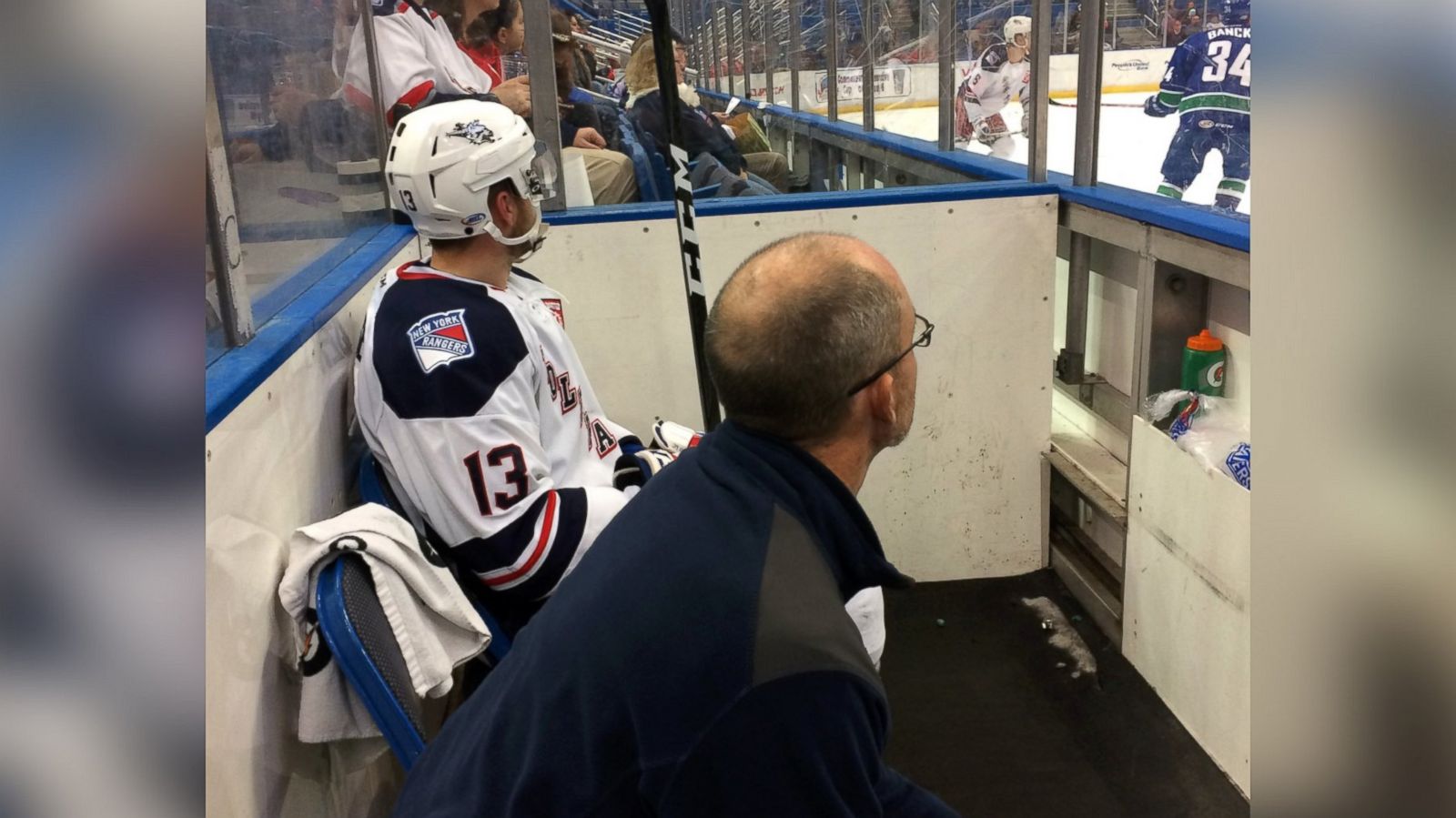
Mutual vs. starting it
Mutual fight
The classic hockey fight is basically mutual combat. You can see it in the body language: the stare-down, the gloves dropping, the small step to create space, and then both players throwing. When a fight is clearly mutual, officials usually keep it simple:
- Fighting major to Player A (5 minutes)
- Fighting major to Player B (5 minutes)
That is why you will often see no power play come out of a fight that both players chose to have.
One-sided start
Here is where the referees’ judgment really matters. If one player throws a punch and the other player does not meaningfully engage, the officials have options besides treating it like an even, agreed fight.
Depending on how it unfolds, the punch-thrower can still get the fighting major, but the “starter” can also be tagged with an additional penalty called the instigator. The whole point is to separate “we both chose this” from “you jumped a guy.”
You will also see moments that never become an official fight at all. A quick, isolated pop that ends immediately can be penalized as something other than fighting, because fighting is generally reserved for that sustained, squared-up exchange.
What the instigator adds
The instigator penalty is the NHL’s way of saying: you did not just fight, you started the fight. When referees assess an instigator, it stacks on top of the fight.
In the simplest form, the package looks like this:
- Instigator minor (2 minutes)
- Fighting major (5 minutes)
- Misconduct (10 minutes)
That is a huge swing. Even if both players get five for fighting, the instigator’s extra two minutes can create a power play for the other team. And the misconduct means the instigator is typically done for a while, which can really hurt if that player is part of your regular rotation.
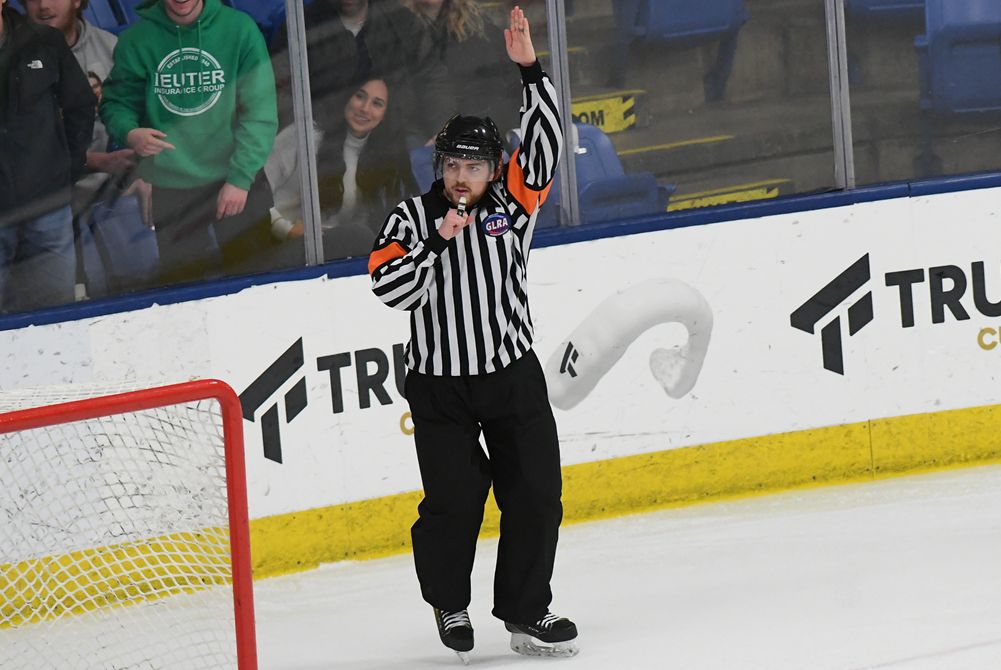
How refs pick the instigator
Officials are not reading minds. They are weighing what they see in real time. Instigator calls tend to show up when one player:
- Clearly initiates the confrontation with a charge-in or immediate punches.
- Does not give the other player a real choice, meaning the other player is mostly defending or trying to disengage.
- Escalates a situation that was not already a mutually accepted fight.
On the flip side, if both players posture, drop gloves together, and trade punches willingly, it is usually treated as a straightforward mutual fight with matching majors.
Helmet rule
One modern wrinkle that surprises a lot of fans is the helmet rule. In today’s NHL, players are expected to keep their helmets on during an altercation. If a player deliberately removes their own helmet before or during a fight, officials can tack on an extra minor penalty (2 minutes) on top of whatever else is called. If a helmet comes off as part of the tussle, that is not the same thing as taking it off on purpose.
When it leads to ejection
A typical, one-on-one fight usually ends with both players serving five minutes. But there are situations that can get a player removed from the game with a game misconduct, not just a simple major.
- Third man in: If a third player jumps into a fight that is already underway, that player is typically assessed a game misconduct (and often additional penalties). Officials treat it as a major escalation and a safety issue.
- Repeat-fighting situations: Under NHL rules, repeatedly getting into fights in the same game can lead to an automatic game misconduct in certain situations. The exact trigger depends on the rule’s definition of repeat fighting and how the sequence is penalized, so it is safest to think of it as “can result in an automatic ejection,” not “always will.”
- Late-game instigator: Instigating in the final five minutes of regulation (or in overtime) carries an additional automatic game misconduct on top of the usual instigator penalties under NHL rules.
These rules are designed to discourage pile-ons, discourage late “message” fights, and keep the game from turning into a running brawl.
Extra calls that can come with it
Not every fight is a clean, isolated event. Depending on what happens before, during, or after the punches, officials can layer on other penalties too. Common add-ons include roughing and unsportsmanlike conduct, especially if a player keeps going after the officials step in, targets a vulnerable opponent, or escalates a scrum into something more dangerous.
And while the penalties you see on the scoreboard are the immediate on-ice consequences, the league can also review ugly edge cases for supplemental discipline, like fines or suspensions, when conduct crosses the line.
How officials break it up
There is a rhythm to how NHL fights are managed. The referees and linesmen typically let the first exchange happen and then step in once one of a few things occurs:
- A player goes down to the ice.
- A player is tied up and no longer throwing.
- The fight drifts into a dangerous area near the boards or benches.
Linesmen are the ones you usually see doing the separating and escorting. The goal is not to let it go forever. It is to keep it from turning into a pile-up and to stop it when it becomes unsafe.
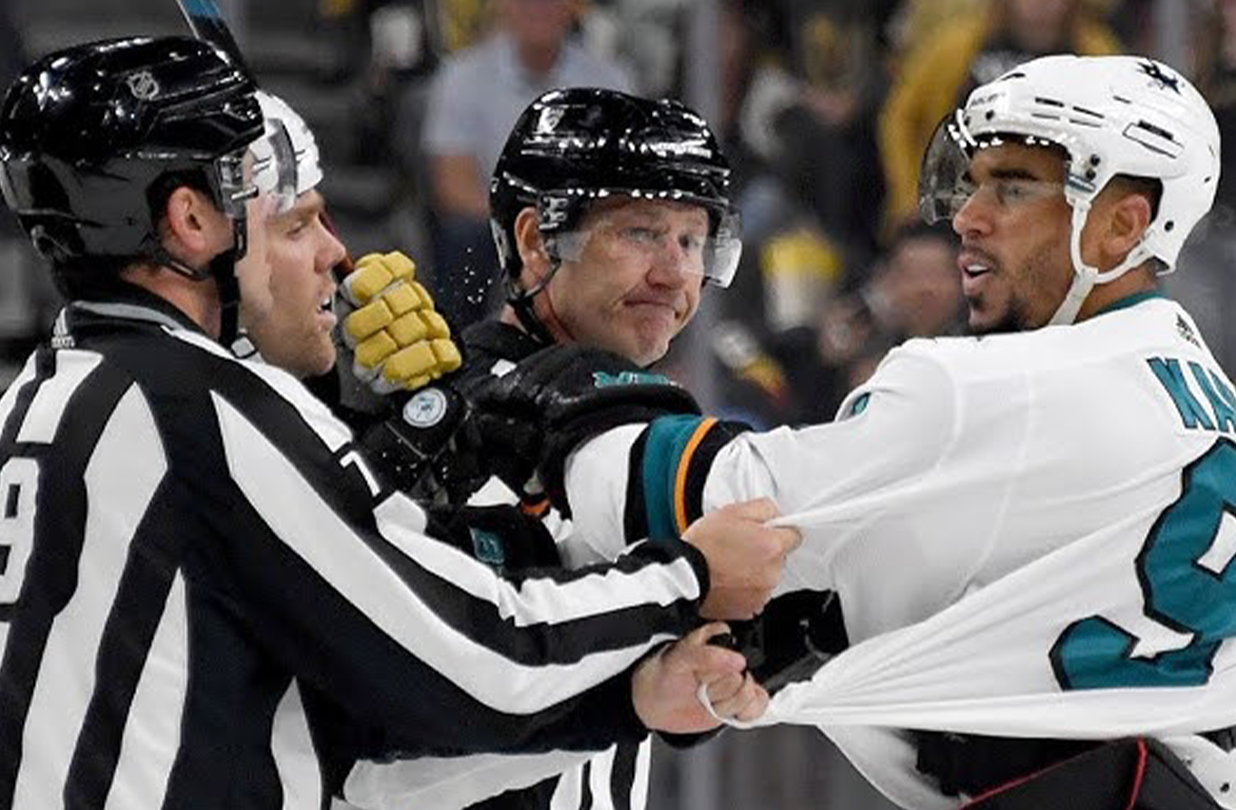
Does it cause a power play?
No. Most fights produce offsetting five-minute majors, which means neither team gets a man advantage.
A power play is more likely when:
- An instigator minor is added on top of a fight.
- Only one player is penalized because the other did not truly engage.
- A separate add-on is called, such as a helmet removal minor on one player.
That is why coaches and veteran players talk about making sure it is mutual if a fight is going to happen. The moment you look like the lone aggressor, you risk putting your team short-handed.
Quick FAQ
Is fighting allowed in the NHL?
It is penalized, but it is treated as its own category of penalty and historically has not been punished as harshly as it would be in many other sports. The standard result is still five minutes in the box.
Can you get kicked out for fighting?
Yes, in specific scenarios. A normal one-on-one fight is usually just matching majors. But third man in, certain repeat-fighting situations in the same game, or an instigator in the final five minutes of regulation (or overtime) can result in a game misconduct.
What is the simplest way to tell mutual vs. instigator?
If both players square up, drop gloves, and throw willingly, it is usually mutual majors. If one player rushes in, throws first, and the other player is mostly reacting or trying to avoid it, the instigator penalty becomes more likely.
Can a player take their helmet off before a fight?
Not without risking an extra penalty. Deliberately removing your own helmet before or during an altercation can draw an additional two-minute minor on top of the fighting penalties. If it comes off during the altercation, that is a different situation.