
If you have ever been watching an NHL game that stayed tied late and suddenly turned into a one-on-one showdown, you have seen the shootout. It is hockey’s regular-season tiebreaker, built for pure nerves: one skater, one goalie, and a building holding its breath.
Here is exactly how the NHL shootout works, from how many shooters you get to how the attempts are taken, plus the big caveat every new fan needs to know.
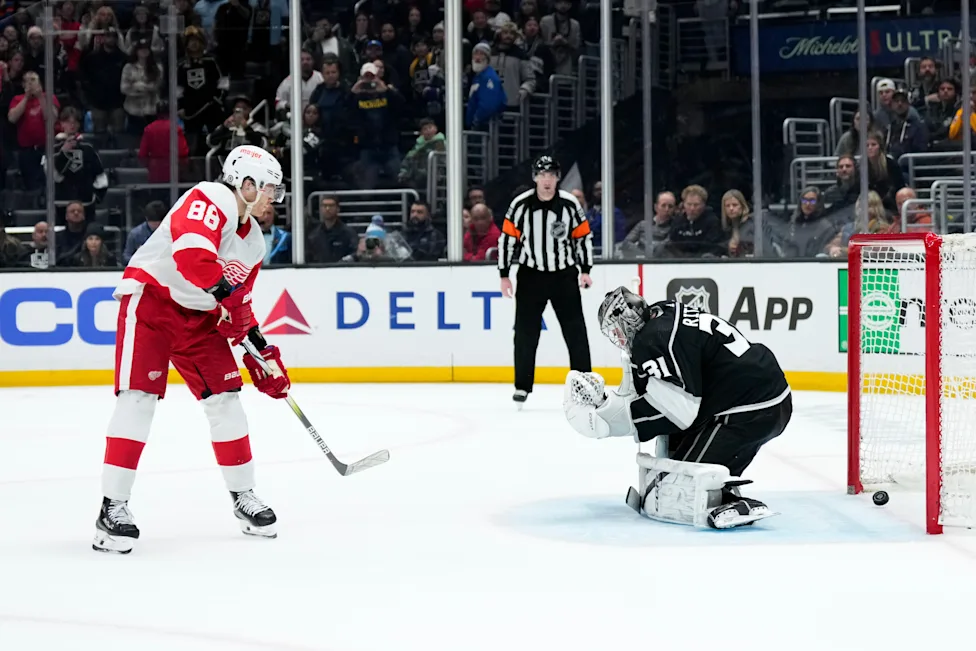
What the NHL shootout is
The NHL shootout is a regular-season tiebreaker used when the game is still tied after overtime. Instead of continuing to play full team hockey, teams alternate penalty-shot style attempts in the same one-on-one format, just in a different context than an in-game penalty shot.
The shootout counts as an official game result in the standings. The winning team gets the extra point, and the losing team still keeps one point for reaching overtime.
How many shooters per team?
Each team gets three shooters in the opening round of the shootout.
- Teams alternate attempts.
- After three rounds (three attempts per team), the team with more goals wins.
- If one team becomes mathematically unable to catch up before all three rounds are completed, the shootout can end early.
After three shooters (sudden death)
If the score is still tied after the first three rounds, the shootout moves to sudden death.
- Teams continue to send out one shooter at a time in alternating order.
- A round ends when one team scores and the other team does not on its matching attempt.
- At that point, the game is over.
In sudden death, teams can use additional eligible players, and the drama ramps up fast because one miss can be the whole story.
How shootout order works
There are two layers of “order” in an NHL shootout: which team shoots first, and the order of the shooters each team uses.
Which team shoots first
Under standard NHL procedure, the home team typically has the choice of whether to shoot first or second. Broadcasts will usually mention it when the teams are lining up.
Shooter order
Coaches choose their first three shooters and can stack them however they want. You will often see:
- A high-percentage finisher first to grab momentum.
- A creative puck-handler second to force the goalie to stay patient.
- A clutch veteran or best specialist third because the pressure peaks there.
Once the shootout reaches sudden death, coaches keep choosing shooters, one at a time. The main strategic wrinkle is that a player who has already shot cannot shoot again until every other eligible skater on that team has taken an attempt.
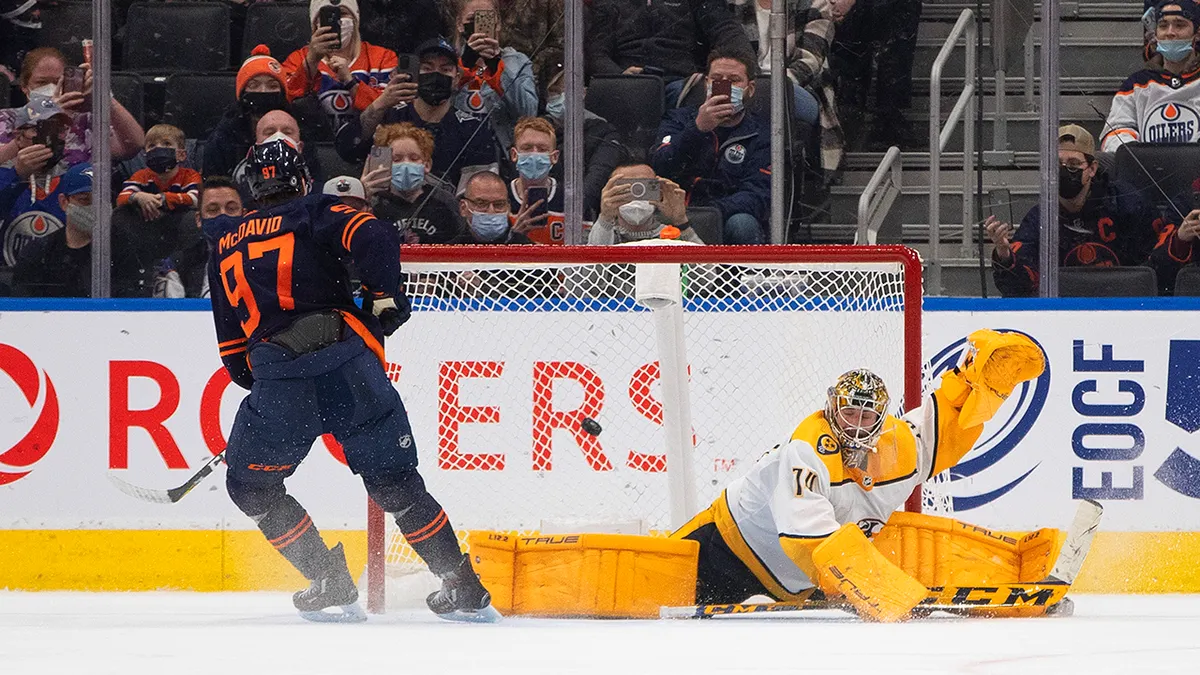
How an attempt works
An NHL shootout attempt looks like a penalty shot, with a few key procedural details:
- The shooter starts at center ice with the puck.
- Once the shooter crosses the center line toward the net, the puck must keep moving forward toward the goal. You can deke side to side, but you cannot carry the puck back toward center ice.
- The attempt is over when a goal is scored, the goalie controls the puck, the puck leaves the playing area, the puck stops moving, or the shooter no longer has the puck moving toward the goal line and the official deems the attempt complete.
Think of it as one continuous, controlled rush. You can make multiple moves, but you do not get a rebound scramble like normal five-on-five hockey.
What counts as a shootout goal?
A shootout goal counts if the puck legally crosses the goal line as part of that one continuous attempt. A few common clarifications fans ask about:
- Posts and crossbars: If it hits iron and stays out, no goal. If it goes in off the iron, it is a goal.
- Spin moves: The NHL does not allow the spin-o-rama move in the shootout. If a player completes a full 360-degree turn as he approaches the goal, it is not permitted.
- Rebounds: Rebounds are dead in the shootout. No goal can be scored on a rebound of any kind, so you cannot poke in a loose puck that comes back off the goalie or the post after your shot. The only “second-chance” moment that can still count is when the puck never truly rebounds and simply continues forward on the original attempt, like a slow dribbler that keeps sliding toward the line.
Shootouts in the playoffs?
No. The Stanley Cup Playoffs do not use a shootout.
If a playoff game is tied at the end of regulation, teams keep playing overtime periods until someone scores. It is sudden death hockey, and it is a completely different kind of stress compared with the skills-competition vibe of the shootout.
Why the shootout exists
The shootout was introduced to ensure regular-season games end with a clear winner and to avoid ties. From a fan perspective, it is electric. From a purist perspective, it can feel like deciding a team sport with a solo contest.
As a former hooper, I get both sides. I love the tension of a one-on-one moment, but I also understand the argument that the better team over 60 minutes can lose on a couple of inches of post.
Quick shootout FAQ
Can a team change goalies?
Yes. Teams can choose which goalie will participate in the shootout, and you will occasionally see a switch if a coach likes a backup’s shootout track record.
Can a player shoot twice?
Not right away. A player who has already taken an attempt cannot shoot again until every other eligible skater on that team has taken one.
Who is eligible to shoot?
In general, any skater who is eligible to play at that point can be selected, with one important catch: a player serving a penalty at the conclusion of overtime is not eligible to participate in the shootout.
Do shootout goals count in player stats?
Shootout goals count in shootout records, but they are not added to a player’s in-game goal total the same way a regulation or overtime goal is.
How is it shown in the standings?
The game is recorded as a win or loss with an “SO” tag in box scores and standings. Shootout goals decide the result, but they are tracked separately from normal goals in the game log.