
I have coached enough youth hoops and stood on enough football sidelines to know this: parents will replace cleats the moment the toe starts peeling, but helmets tend to get treated like a family heirloom. And I get it. They are expensive, they look sturdy, and kids grow out of everything so fast.
But a football helmet is not a “buy it once” kind of purchase. It is protective equipment with a lifespan, a maintenance schedule, and a very specific job. If you are wondering when your child’s helmet should be replaced, the best answer is a mix of four things: age, recertification or reconditioning status, visible damage, and fit.
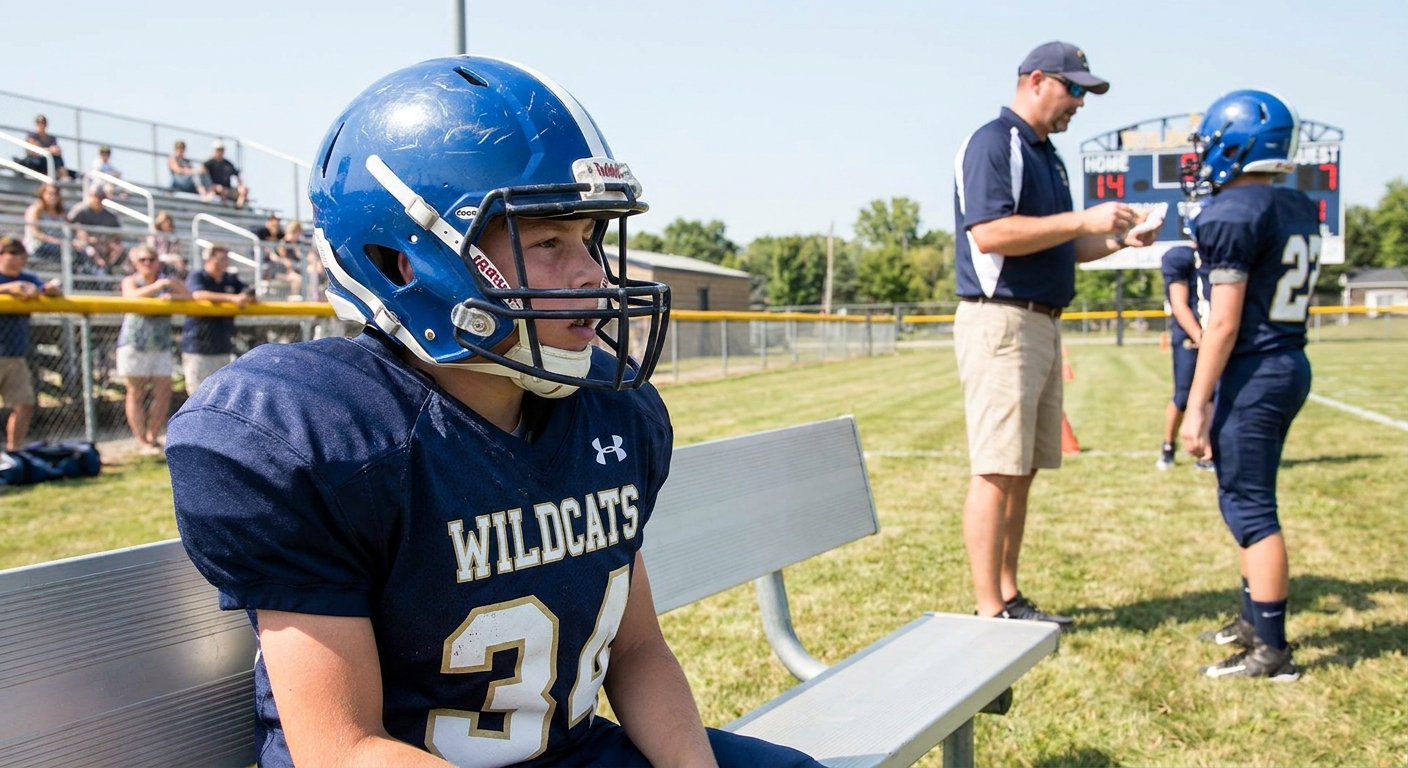
Start with the basics: a helmet is a system
When most of us say “helmet,” we mean the whole setup: the hard shell, the inner padding, the facemask, the chin strap, and all the hardware holding it together. That matters because a helmet can look fine from 10 feet away while the inside padding is compressed, the screws are stripped, or the facemask attachment points are bent.
Think of it like a car seat. You would not judge it only by whether the plastic looks okay. You would care about age, condition, and whether it still fits the child correctly.
Helmet age: when “still looks good” is not enough
Manufacturers and leagues may use slightly different guidance, but the safe, parent-friendly rule is this: treat helmet age as a serious factor, not a trivia point.
What to do with an older helmet
- If you do not know the helmet’s history (bought secondhand, handed down, found in the garage), assume it needs a professional inspection before it ever hits a practice field.
- If the helmet is several seasons old, do not guess. Check whether it has been reconditioned and recertified on schedule (more on that below).
- If the helmet has lived a hard life (stored in a hot car, used year-round, banged around in a trunk), age becomes even more important because heat and abuse accelerate material breakdown.
One more common-sense point: youth players change rapidly. A helmet that technically could be maintained for multiple seasons still might need replacing sooner simply because a growing athlete needs a different size or fit profile.
Recertification and reconditioning: the helmet’s report card
Many youth helmets are designed to be reconditioned (cleaned, inspected, repaired with approved parts as needed) and recertified (confirmed to meet the standard it was originally certified under) by a professional service.
If your child’s league issues helmets, ask directly: When were these last reconditioned and recertified? A responsible program should have a clear answer, not a shrug.
How parents can check
- Look inside the helmet for labels that indicate the standard and, often, reconditioning or certification info. If labels are missing, unreadable, or peeling away, that is a sign to slow down and ask questions.
- Ask for documentation if the helmet came from a team inventory. Good organizations track this.
- If you own the helmet, contact the manufacturer or a reputable reconditioning service to understand what is appropriate for that model and its age.
Important: reconditioning is not a magic wand. If the shell, padding system, or key components are compromised beyond approved repair, the right answer is replacement.
Visible damage that should end the conversation
This is the part where I get blunt, because I have seen too many “it’s probably fine” helmets in youth sports.
Replace the helmet or get it professionally evaluated immediately if you see any of the following.
Shell problems
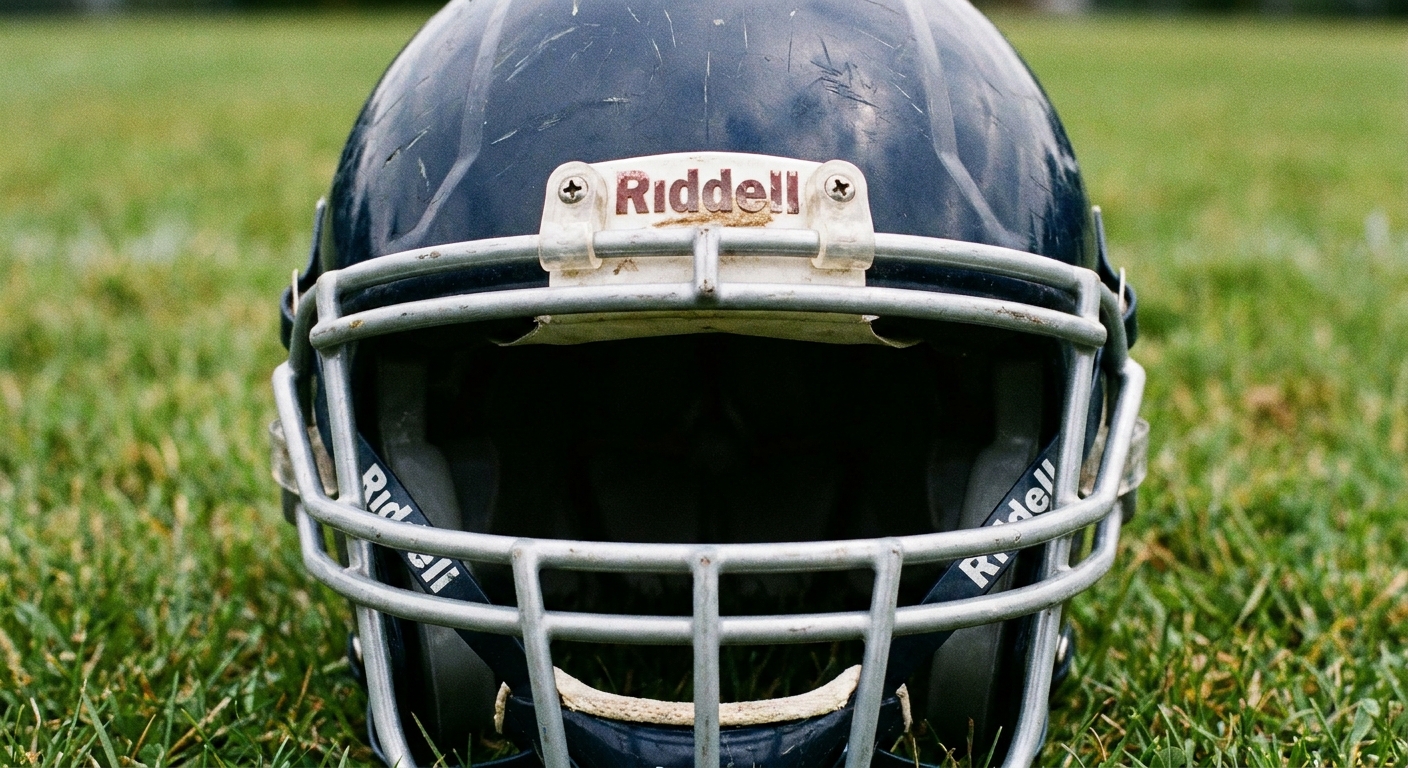
- Cracks, even hairline cracks
- Deep gouges or cuts in the shell
- Soft spots or areas that look warped or misshapen
- Significant discoloration from heat exposure or chemical damage (for example, stored in a hot garage next to solvents)
Facemask and hardware problems
- Bent facemask bars or facemask that sits unevenly
- Broken or missing screws, clips, or T-nuts
- Rusty or stripped hardware that will not tighten securely
- Loose facemask that shifts easily when you move it by hand
Padding and liner problems
- Padding that is flattened and does not rebound
- Loose padding that is peeling away or shifting
- Hard, brittle, or crumbling padding
- Inflation system issues (if your model has air bladders): it will not hold air, leaks, or the valves are damaged
The fit check: the fastest way to spot a helmet that needs replacing
Fit is where parents can do real damage prevention, because a helmet that fits poorly is not doing its job the way it was designed to.
You are looking for a helmet that is snug and stable without creating pressure points.
Quick at-home fit test (2 minutes)
- Level on the head: The helmet should sit level, covering the forehead appropriately, not tipped back like a cap.
- No major movement: With the chin strap fastened, gently try to move the helmet side to side and up and down. Skin on the forehead should move with the helmet. The helmet should not spin freely.
- Eyes in the opening: The player’s eyes should be in the correct position relative to the helmet opening, not too low or too high.
- Chin strap does the job: The strap should be snug, centered, and keep the helmet stable. If you have to overtighten just to keep the helmet from shifting, the fit is off.
- No hot spots: Ask your athlete where it feels tight. Painful pressure on the temples or forehead is a red flag.
Fit red flags that usually mean replacement (or at least a different size/model)
- The helmet rocks forward and back when fastened
- The player can pull it off with the chin strap secured
- The helmet only feels stable when the chin strap is uncomfortably tight
- The helmet is stable at first, then loosens during practice as sweat and motion reveal poor fit
- Your child complains of headaches or pressure points that do not resolve with proper adjustment
A key parent note: kids will sometimes say a helmet “fits fine” because they want to play, not because it actually fits. Watch the movement yourself.
After a big impact: do you replace immediately?
A helmet is built to take impacts, but not every hit is the same. If your child took a significant blow and the helmet is now showing damage, that is a straightforward replace-or-recondition decision.
If there is no visible damage, you still have a smart next step: have the helmet inspected, especially if your athlete says the helmet felt like it “bottomed out” or the fit suddenly feels different.
And to be crystal clear: if you suspect a concussion, the priority is medical evaluation and following your league’s return-to-play process. Equipment decisions come after the athlete’s health decisions.
Secondhand helmets: when “a great deal” is a bad deal
I love saving money on sports gear. Helmets are where I get cautious.
A used youth football helmet can be risky because you often cannot verify:
- Whether it has been properly reconditioned and recertified
- Whether it has taken impacts that caused internal damage
- Whether it was stored in extreme heat or poor conditions
- Whether all parts are original and approved for that model
If you do buy secondhand, treat it like a car with no maintenance records. Budget for a professional inspection and be prepared to walk away if it cannot be verified or serviced appropriately.
Recondition or replace: a simple decision guide
- Recondition and recertify if the helmet is within its serviceable life, has no shell cracks, and only needs approved repairs like replacing worn hardware or padding components.
- Replace if there are shell cracks, warping, significant structural damage, missing or unserviceable labels, or the helmet cannot be made to fit correctly even after proper adjustment.
- Replace if the helmet model is no longer serviceable through reputable channels and parts are not available through approved sources.
Parent checklist before every season
If you want one routine that pays off, make it this preseason helmet check:
- Confirm the helmet’s reconditioning and recertification status through the league or documentation.
- Inspect the shell for cracks, deep gouges, and warping.
- Check the facemask and hardware for bends, rust, missing screws, or looseness.
- Inspect padding for compression, brittleness, or detachment.
- Do the fit test with the chin strap fastened and shoulder pads on if possible.
- When in doubt, take it to a qualified equipment manager, sporting goods shop with football expertise, or the helmet manufacturer’s recommended service path.
FAQ
How many years does a youth football helmet last?
It depends on the model, how it is stored, and whether it is reconditioned and recertified on schedule. Instead of relying on a single number, use age plus maintenance history plus condition and fit. If you cannot verify the helmet’s history, treat it cautiously and get it inspected.
Can I just replace the facemask or chin strap instead of the whole helmet?
Sometimes, yes. Worn straps and certain hardware are routine replacements. But if the shell is cracked, the padding is breaking down, or the helmet cannot be properly fitted, replacing parts will not fix the main problem.
What is the most common sign a helmet no longer fits?
Movement. If the helmet shifts, rocks, or spins after it is properly strapped, it is not fitting correctly. A stable helmet should move the skin on the forehead with it and stay centered during normal football contact and motion.
Should I keep using a helmet that looks fine but is uncomfortable?
No. Discomfort can be a sign of wrong size, wrong shape, or worn padding creating pressure points. A helmet should be snug, not painful. Get it adjusted by someone who knows what they are doing, and if it still hurts, look at replacing it with a better-fitting option.
The bottom line
A youth football helmet should be replaced when it is too old to verify and maintain, not currently reconditioned and recertified as required, showing visible structural damage, or no longer fits securely. If you are ever stuck between “probably fine” and “I am not sure,” trust that hesitation. The best helmet is the one you do not have to rationalize.