
If you follow women’s college hoops closely, you already know this: the transfer portal is not just a “roster tool.” It is a season of its own. And the most important thing to get right is simple. When is the window actually open for Division I women’s basketball players to enter?
As of recent Division I women’s basketball cycles, the entry window has been tied to the NCAA Division I Women’s Basketball Championship selection show. NCAA transfer windows can change by academic year, so treat any “current” window as something you should confirm each season with the NCAA’s published transfer window information and your school’s compliance office.
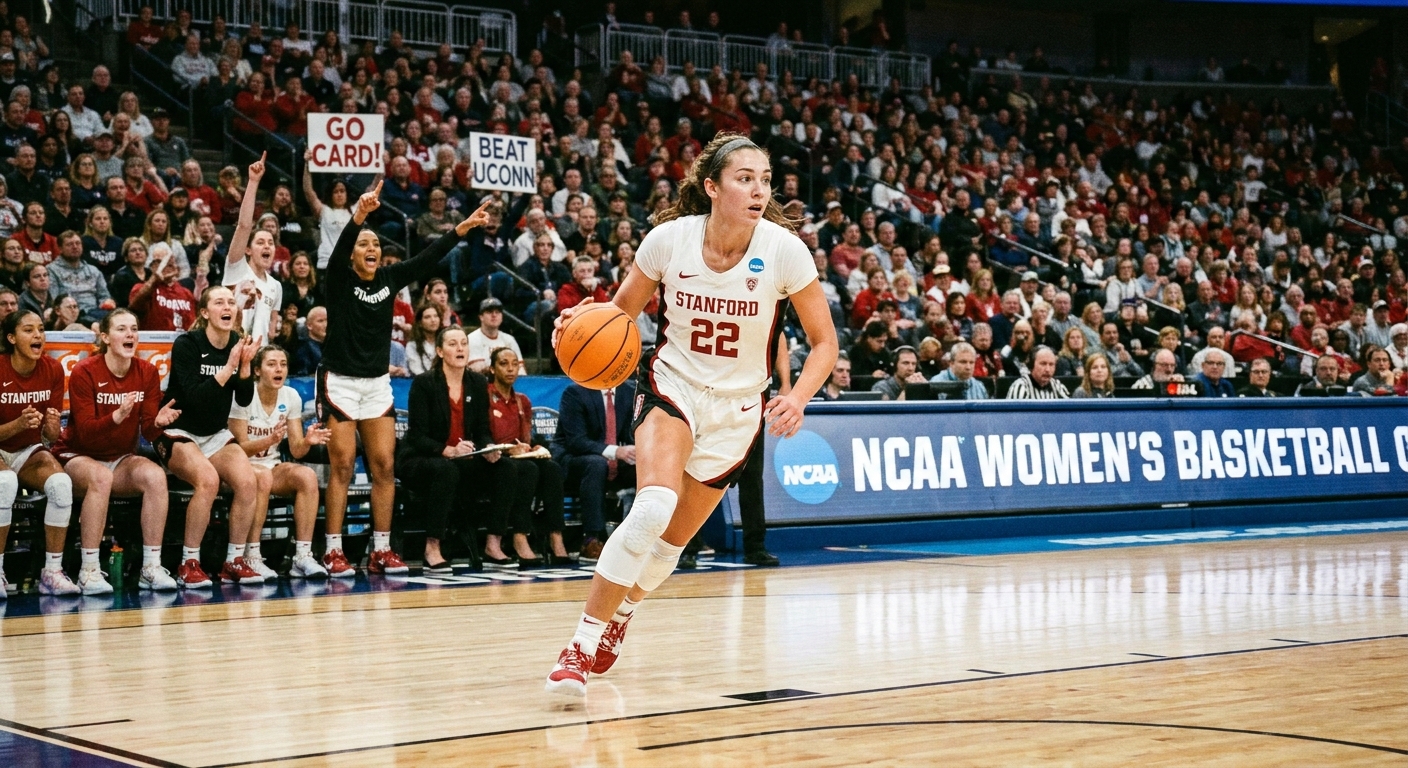
Current Division I women’s window
Division I (women’s basketball) transfer portal entry window:
- Opens: The day after the NCAA Division I Women’s Basketball Championship selection show (Selection Sunday)
- Closes: 30 days later (a 30-day entry window)
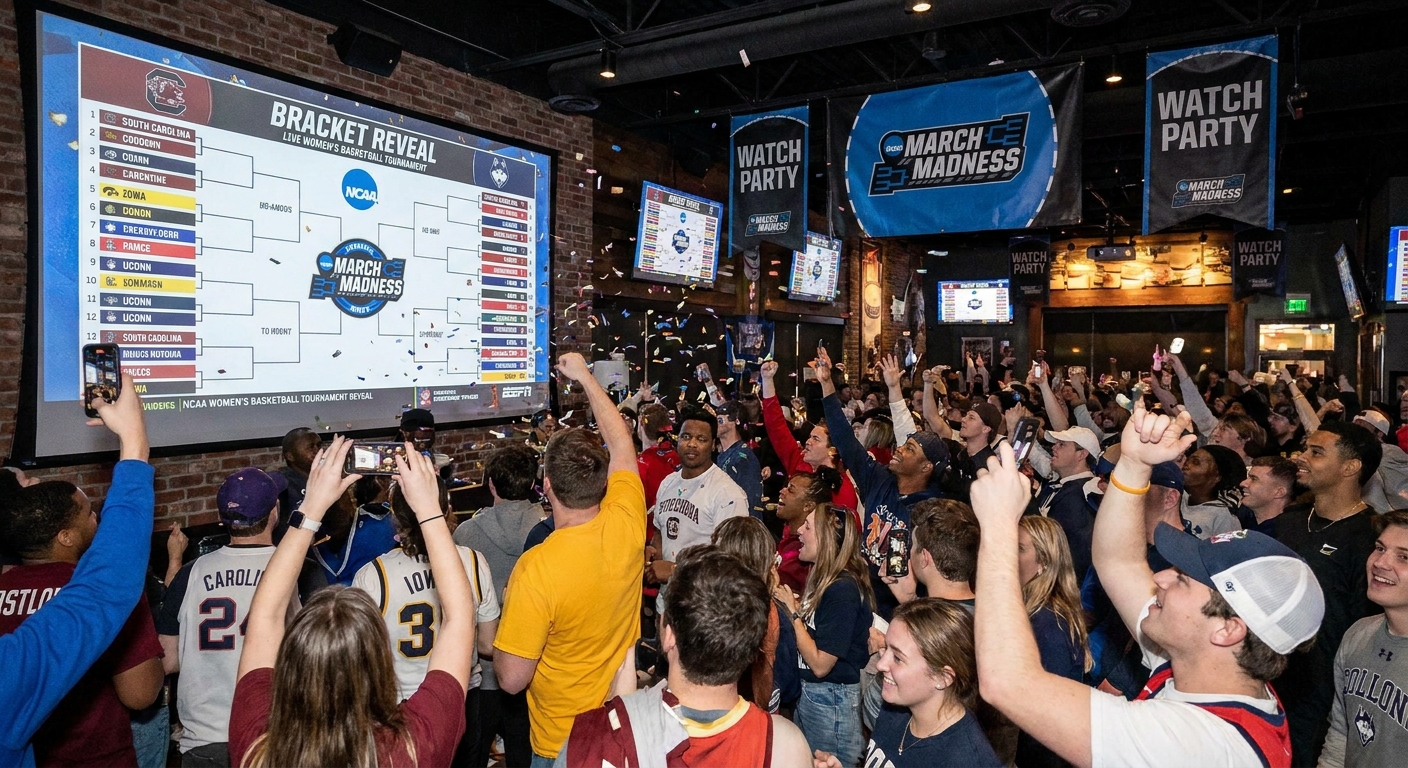
That timing is intentional. Women’s basketball is tied to the women’s championship selection calendar, not the men’s tournament. For players and programs, it means the portal rush begins immediately after the bracket is revealed, when postseason outcomes, roles, and roster realities are suddenly crystal clear.
What the window controls
The window is about entering the portal. It is not a universal deadline for every step that comes after.
- Players must submit a request to their school to be entered into the portal during the open window, per institutional procedure (often handled through compliance or an athletics administrator, and sometimes through an electronic form).
- Once a player is in, the recruiting, visits, and decision timeline can stretch beyond the closing date.
That last point matters for fans. You might still see commitments and visits in April or May even after the entry period ends, because the key compliance question is whether the athlete entered on time.
Why the timing matters: for most athletes, the window governs whether they can be entered into the portal at all (and therefore contacted through that process) for that cycle. Miss the window, and you generally wait for the next applicable window unless an NCAA exception applies.
How it ties to Selection Sunday
The cleanest way to remember the Division I women’s basketball portal is this: the day after Selection Sunday starts the clock.
In practical terms, the portal wave tends to break into a few distinct phases:
- Immediate entries right after the selection show, especially from teams left out, players facing coaching changes, or athletes who see the postseason rotation tightening.
- Postseason clarity entries as teams are eliminated and players meet with coaches about next year’s role.
- Late-window entries from athletes weighing pro decisions, medical situations, or simply needing a beat to process the season.
Special windows and exceptions
Coaching change window
This is the one fans miss, and it matters.
Under NCAA transfer rules, a head coaching change at a student-athlete’s current school can trigger an additional 30-day transfer portal entry window for that team’s players. This is tied to a head coach change at that institution, not assistant coach movement, not staff rumors, and not “coach might leave” chatter.
Because the trigger is compliance-sensitive, the safest way to think about it is: the 30 days are keyed to the date the head coach change is officially recognized and processed through institutional and NCAA procedures. If you are living it, do not guess. Confirm the exact start date with your compliance office.
That is why you will sometimes see a “second wave” of entries from the same program weeks later. It is not random. It is rules plus reality.
Graduate transfers
Graduate transfers can be confusing because people mash together three separate things: portal entry rules, admissions, and enrollment timelines.
- Portal entry: For Division I women’s basketball, graduate status does not create an always-open portal. In most cases, athletes still need to enter during the sport’s window unless an exception applies.
- School timelines: Where grad status can feel different is the academic side. Graduate program admission deadlines, summer enrollment options, and credit transfer evaluations can drive the real-world clock.
So if you are a graduate student planning a move, do not play telephone with social media. Get the answer from your current school’s compliance office and the prospective school’s admissions staff, because your academic status and enrollment plan can change what is realistic, even when the portal rule stays the same.
Division II and Division III differences
Division II women’s basketball
Division II is not “anything goes,” but it also does not always mirror the Division I women’s basketball calendar. The practical headline is that Division II can operate on its own NCAA-published timelines, and the safest move is to verify the current year’s dates rather than assume the Division I Selection Sunday-based window applies.
- Different division rules: Division II transfer legislation and the way timing is communicated can differ from Division I.
- Do not assume the dates: If you are a player or parent dealing with a Division II move, confirm the current window dates and required steps with your compliance office and the NCAA’s season-specific transfer window information.
At that level, the safest approach is the same: treat compliance as your first stop, and treat rumor as noise.
Division III women’s basketball
Division III is a different world. There are no athletic scholarships, and the transfer experience tends to revolve around institution-to-institution admissions and eligibility certification more than a single high-profile national portal window.
- Portal visibility is lower: Division III athletes can still interact with NCAA transfer processes, but the portal tends to be less central to how the story is covered and experienced.
- Admissions drives the timeline: Academic fit, financial aid packages, and school-specific deadlines often become the real calendar drivers.
Common fan questions
Is the women’s portal window the same as the men’s?
No. Women’s basketball is tied to the women’s championship selection calendar. The men’s calendar and dates do not control the women’s entry window.
Can a player transfer at any time?
A player can decide to transfer at any time, but for Division I women’s basketball the key compliance step is being entered into the portal during an open window (or under an applicable exception).
If a player enters before the deadline, do they have to commit before it closes?
No. The deadline is for entry. Commitments and signings often continue after the window closes because the athlete entered within the permitted period.
What if a player misses the window?
In most cases, if the athlete does not submit their request in time, they generally cannot be entered into the portal until the next applicable window unless an NCAA exception applies (for example, a qualifying head coaching change at their school).
Does a coaching change affect timing?
Yes. Beyond the obvious basketball ripple effects, a head coaching change at the athlete’s current school can open an additional 30-day portal entry window for players at that institution. That extra window is why coaching news often turns into portal news fast.
My on-the-ground advice
As someone who has lived in locker rooms and now covers the sport, here is the part I always come back to. The portal is stressful because it is personal. Roles shift. Schemes change. Teammates graduate. Coaches recruit over you. That is the grind.
If you are a fan trying to keep it straight, focus on two checkpoints:
- The day after Selection Sunday: that is when the main entry rush begins.
- 30 days later: that is when the main entry period closes, even though the news cycle will keep rolling.
Then keep one more thing in your back pocket: head coaching changes can create a second, separate 30-day window for that program’s players, with timing that starts once the change is officially processed.
And if you are a player navigating it: talk to your staff, talk to compliance, and make sure the paperwork side matches the basketball side. Talent gets you noticed. Details keep you eligible.