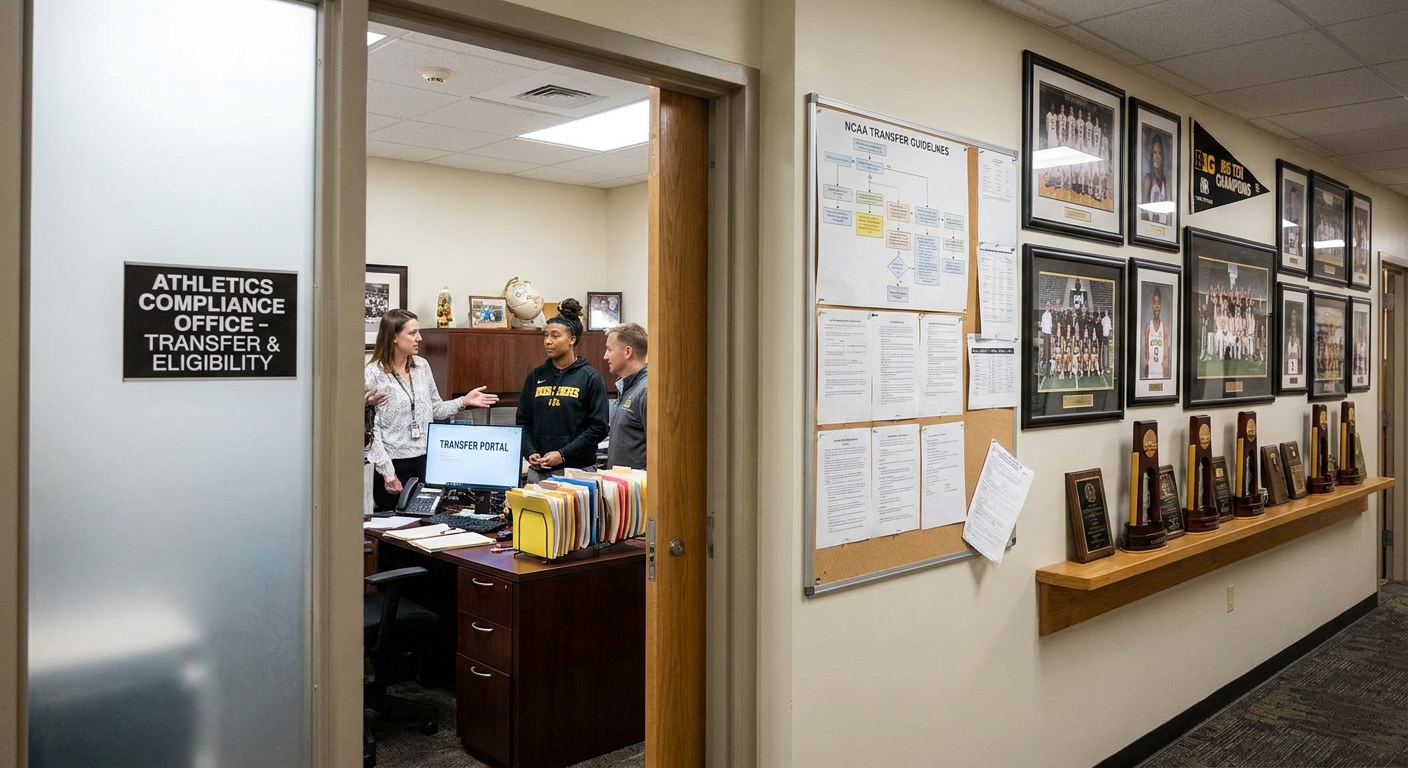
I have a soft spot for walk-ons. In college hoops, they are the ones rebounding after practice, guarding the best scorer in drills, and sprinting through scout team reps so the starters can look sharp on game day. So when a walk-on asks, “Do I even get to use the transfer portal?” I get why it feels like a different set of rules.
Here’s the straight answer: yes, a walk-on can enter the transfer portal in the same basic way a scholarship athlete can if they are a rostered NCAA student-athlete in a sport that uses the NCAA Transfer Portal. Not being on athletic scholarship changes the financial conversation and sometimes the roster math, but it does not erase your ability to submit a notification of transfer or to be contacted by other programs once you are properly listed.
One quick caveat: there are edge cases. If you are more like a practice player, training group, or you are not actually declared on the school’s official NCAA squad list, the portal process may not apply the same way. When in doubt, the compliance office can tell you exactly how you are classified.
Yes, walk-ons can enter the portal
In NCAA sports that use the transfer portal, the portal is the NCAA’s database that records an athlete’s notification of transfer. The key point for walk-ons is simple: portal access is not reserved for scholarship athletes.
What matters most is not whether you are “on money.” It is whether you are a rostered varsity student-athlete at your institution in a sport that uses the NCAA Transfer Portal. If you are, your school can process your request to enter the portal and list you.
Once you are listed, other college coaches can contact you when contact is permissible under your sport and division recruiting calendar and contact rules. Timing still matters, but it is best to think in terms of the calendar and the rulebook, not just “the portal” as a magic switch.
Walk-on vs roster status
This is where a lot of confusion starts, so I like to define it cleanly.
- Walk-on usually means not on athletic scholarship.
- Preferred walk-on usually means a coach recruited you for a non-scholarship roster spot.
- Rostered student-athlete means the school lists you as a varsity athlete under NCAA governance for that sport. This is the piece that ties you to the portal process.
If you are training with a team informally, doing open gyms, or practicing without being carried as a varsity student-athlete, the portal process may not apply in the same way. When in doubt, ask your compliance office one direct question: “Am I on the official roster for NCAA purposes?”
What walk-on status does not change
A walk-on often worries that because they are not “on money,” they do not have the same rights. In practice, your walk-on status generally does not change these portal basics:
- The ability to submit a notification of transfer: You can still ask your compliance office to enter you into the portal if you are a rostered student-athlete in a portal sport.
- Permissible contact once listed: Once you are in the portal, other schools can reach out, subject to your sport and division rules.
- Your responsibility to meet eligibility rules: Walk-on or scholarship, you still have to meet progress-toward-degree requirements, credit-hour rules, good academic standing, and sport-specific transfer rules.
In other words, portal access is not a “scholarship perk.” It is tied to being an NCAA student-athlete and the administrative process of notifying your school.
What walk-on status does change
This is where the real difference shows up. A walk-on entering the portal is usually dealing with opportunity and logistics more than permission.
Money is not guaranteed anywhere
If you are not on athletic scholarship now, entering the portal does not create scholarship entitlement later. Another school can recruit you, but they may only have:
- no scholarship money available in your sport,
- partial scholarship money available, or
- a roster need but not the budget to attach aid to it.
That is not a portal issue. That is roster management and scholarship limits. And to be clear, some athletes who started as walk-ons do end up with athletic aid later, either at their current school or the next one. It is just never automatic.
Roster spots can be tight
Walk-ons live in the world of year-to-year roster math. Even if a coach loves your film, they still have to manage:
- team size limits (sport dependent),
- position balance,
- incoming recruits,
- returning players, and
- how many transfers they are already taking.
Sometimes the portal is wide open. Sometimes it is a waiting room. Either way, you want to be realistic about what you are walking into.
Your aid package can change fast
A common misconception is that if you are a walk-on, leaving is “no big deal” because there is no athletic scholarship to cancel. But you still want to check how a transfer affects:
- academic scholarships,
- need-based aid,
- in-state vs. out-of-state tuition,
- housing packages, and
- summer school support.
Those factors can matter more than the depth chart.
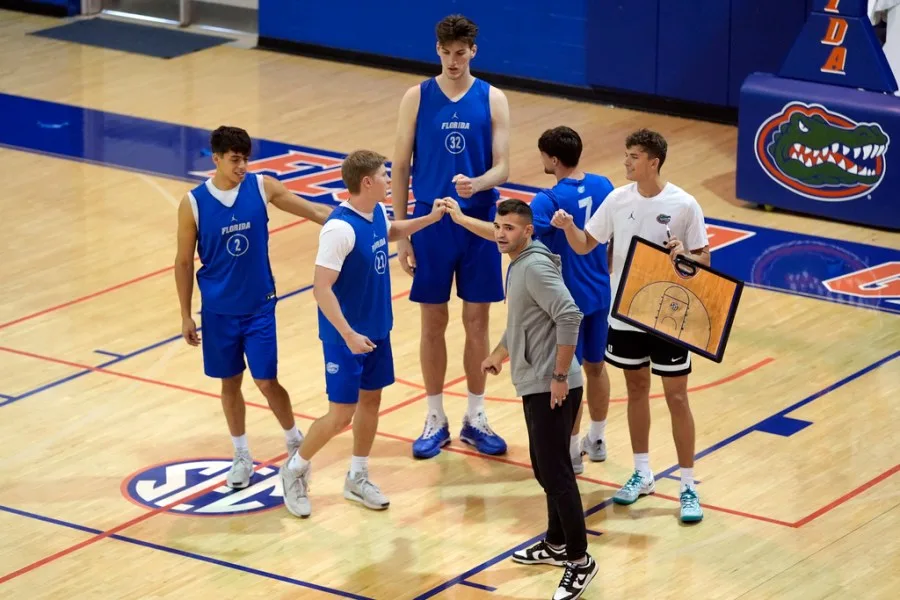
Division and sport differences
One quick reality check: the transfer portal is an NCAA tool, but the details that matter most to you, like contact rules, entry windows, and eligibility outcomes, can vary by division and sport.
- Division I and Division II athletes in many sports use the portal, but timelines and transfer windows are sport-specific.
- Division III athletes can still transfer and still deal with NCAA transfer and eligibility concepts, but because there are no athletic scholarships, the money conversation is different. Portal usage and the practical recruiting process can also look different by sport and school, so confirm your exact steps with compliance.
- NAIA and JUCO have their own transfer processes that are not the NCAA portal.
If you are reading this in a panic, your simplest move is the right one: ask your compliance office which ruleset applies to your sport and division.
How the portal process works
The mechanics are typically the same as anyone else:
- You request to enter the portal through your program’s compliance office (sometimes via a written form or an online compliance system).
- Your school enters your information into the portal after receiving your notification, following NCAA and school procedures.
- Coaches can contact you once you are listed, assuming contact is permissible under your sport’s recruiting calendar and contact rules.
- You evaluate options, including athletic fit, academics, cost, and playing time reality.
One practical note: being proactive helps. A walk-on might not have the same hype machine behind them, so having updated film, a clean athletic resume, and clear academic information ready to share can speed up conversations.
Windows and timing
Transfer windows are the periods when entering the portal is most straightforward in certain sports. The exact dates and consequences vary by sport and division, but the big idea is consistent: timing can affect both the market and eligibility.
If you enter at a time when your sport has fewer recruiting conversations happening, you might still be listed, but the market can be quieter. That is not you. That is the calendar.
Also keep one more thing in mind: entering the portal is not the same as being immediately eligible to compete. Eligibility outcomes depend on your situation, your sport, and the current NCAA rules your compliance office is applying.
Can a coach block a walk-on?
In the portal era, it is more accurate to say this: under current NCAA rules, an institution generally must enter an eligible student-athlete into the transfer portal within the NCAA’s required timeframe after the athlete submits written notification. The exact timeline, process, and any exceptions can be division and sport dependent, and it is handled through compliance.
That does not mean nothing can slow it down. Administrative issues can matter, like an incomplete notification process or school procedures that require the request to go through compliance.
Also, while a coach should not be treated as the person who “approves” your portal entry, a coach can influence your experience in ways that matter:
- They can be honest (or not) about your role and future.
- They can decide whether you still have a spot if you return, depending on team policy and roster needs.
- They can control playing time, reps, and travel while you are still on the team, as long as it is within team rules and not retaliatory in a way that violates school policy.
If you feel pressured or mishandled, your best move is usually to talk with compliance or a trusted administrator, and keep everything documented and calm. The portal is an administrative process now, but you still deserve professional treatment.
Walk-on myths
Myth: “If I’m not on scholarship, I can talk to other schools anytime.”
Reality: Before you are in the portal, other college coaches contacting you is often restricted depending on your sport and division rules. In many NCAA sports, the portal is the standard way to make coach-to-athlete contact clean and permissible. If you are looking at NAIA or JUCO options, remember they operate under different processes.
Myth: “Entering the portal means I’m automatically off the team.”
Reality: Policies vary by program. Some coaches let athletes stay engaged. Some treat it like you are moving on. Ask directly what your program’s policy is before you hit submit.
Myth: “The portal guarantees a better situation.”
Reality: The portal does not guarantee offers, playing time, or money. What it reliably does is make you discoverable and allow permissible contact within the rules. For walk-ons especially, you want to transfer for a clear reason: role, fit, academics, finances, or a coaching change. Hope is good. A plan is better.
Quick checklist
- Confirm your status: Ask compliance if you are a rostered varsity student-athlete for NCAA purposes.
- Ask about team policy: If you enter, can you keep practicing, lifting, or traveling until you decide?
- Know the calendar: Ask about your sport’s transfer window (if applicable) and contact rules.
- Get your academics straight: Degree progress, credits, and a realistic transfer plan for your major.
- Request documents early: Line up transcripts and any eligibility or academic paperwork you will need, and talk with your academic advisor so you do not get stuck at the finish line.
- Build your packet: Film, measurable info, position, year in school, GPA, and contact info.
- Talk money early: Speak with financial aid about how a transfer changes your cost.
FAQ
Can other coaches contact a walk-on once they enter the portal?
Generally, yes. Once you are listed in the transfer portal, other coaches can contact you when contact is permissible under your sport and division recruiting rules.
Do walk-ons have to be in the portal to transfer?
Not always. You can transfer schools as a student, but in many NCAA sports, the portal is the standard mechanism that allows other NCAA programs to recruit you as a transfer and contact you cleanly within the rules. Your compliance office can tell you what applies to your sport and situation.
Does being a walk-on make transferring easier?
It may remove one complication if you are not receiving athletic aid, which is the scholarship piece. But it can add others, like admissions fit, financial aid changes, and the reality that you may need to earn a new roster spot in a crowded room.
If a walk-on transfers, can the next school put them on scholarship?
Yes, if that program has scholarship availability and chooses to offer athletic aid. Plenty of transfers move from non-scholarship situations to partial or full scholarship offers when the need and fit line up.
The bottom line
A walk-on can enter the transfer portal if they are a rostered NCAA student-athlete in a portal sport, and non-scholarship status usually does not reduce your access to the process. What it changes is the aftermath: the money piece, the roster math, and how you have to market yourself in a crowded portal world.
If you are thinking about it, do it the way a veteran would: get your academics in order, gather film, be clear about what role you want, and talk to compliance so the process is clean. The portal is a tool. Walk-ons are proof that the right tool in the right hands can change a career.