
I have coached enough high school and AAU kids to know this part of the calendar can feel like a high-wire act. One phone call from an agent, one promising workout rumor, one "you might be a late first" text, and suddenly a player is staring at the biggest decision of his life.
So let’s answer it cleanly: yes, you can return to college after declaring for the NBA Draft in many cases. But whether you keep NCAA eligibility depends on (1) when you withdraw from the draft and (2) what you did with an agent. Then there is the second question everybody asks right after: do you go back to the same school, or do you have to use the transfer portal?

The short answer
- You can return to college after declaring for the NBA Draft if you withdraw by the NCAA eligibility deadline for that year and you have not taken actions that end your eligibility (most commonly, agent and benefits issues, or signing as a pro).
- You can return to your same school if you stay academically eligible and your program still has a spot. Whether your scholarship is waiting for you depends on your aid agreement, renewal timing, and school policy, so get clarity in writing.
- You only need the transfer portal if you want to play for a different school. Withdrawing from the draft does not automatically force a portal entry to return to your original program.
The key deadline
There are two timelines people mix up: the NBA’s withdrawal date and the NCAA’s deadline tied to preserving college eligibility.
They are not the same thing. If you want the option to return to NCAA basketball, the key is the NCAA eligibility deadline for that year, as applied to men’s basketball draft exploration.
Here is the safest way to understand it as a player or parent:
- The controlling rule is the NCAA’s current year guidance as distributed to schools, and it can change from year to year. Your compliance office should have it and should be able to point you to the language they are using.
- Do not treat any “combine window” or “10-day window” as a rule. The NCAA deadline may line up near other NBA calendar events some years, but that alignment is not guaranteed. The date and time in the current year guidance is what counts.
Translation in plain English: you can gather real pro feedback, but you still have to make a clean decision by the NCAA’s eligibility deadline for that year.
Rule of thumb
If you want the door back to campus to stay open, you withdraw by the NCAA’s eligibility deadline for that year and you keep the agent and benefits side clean.
What to do now
- Get the exact deadline for your year from your school’s compliance office and ask them to send you the link or excerpt they are relying on.
- Withdraw on time and keep copies of everything: confirmation emails, screenshots, and any paperwork you submit to the NBA and your school.
- Stay in past the NCAA eligibility deadline and you typically forfeit NCAA eligibility under that year’s rule.
I will say it the same way I say it to families in my gym: treat the NCAA deadline like a hard stop, not a suggestion.
The agent rule
This is where most confusion lives, because "having an agent" can mean anything from getting advice to signing a full representation deal and taking benefits.
Here is the honest coaching version: the NCAA has created a path for players to get professional guidance during draft exploration, but the permitted path is narrow and the details matter. Not every “advisor setup” can be made okay just because somebody calls it an advisor setup. It has to fit the current NCAA guidance that your school is applying.
Draft advice guardrails
If you want concrete, checkable guardrails, these are the big ones I push players to verify with compliance before they sign or accept anything:
- Limit the relationship to NBA draft evaluation only. The agreement should be clearly tied to draft exploration, not general career representation.
- No marketing or endorsement representation while you are trying to keep NCAA eligibility. If it includes brand deals, marketing services, or solicitation language, that is a red flag.
- No ongoing representation while you are competing in college. If you plan to return, the relationship generally needs to end cleanly in the way your compliance office requires by the NCAA deadline.
- No advances or extra benefits. If anyone is fronting money or covering life expenses because you are a prospect, assume it is a problem until compliance says it is expressly permitted and properly documented.
What commonly costs eligibility
- Signing a professional contract (NBA or any other professional team). That is usually the brightest line.
- Taking benefits tied to representation or “going pro”, such as cash advances, paying rent, paying living expenses, paying family travel, or covering transportation. These are commonly impermissible unless a specific NCAA exception permits them and the documentation supports it.
- Outside training or services paid for because of your draft status can be risky if it is not permitted under the applicable draft exploration guidance for that year. The line is not “it helped my development.” The line is “is it permitted, documented, and clearly tied to the allowed draft exploration process.”
- Signing an agreement that goes beyond draft exploration, especially if it includes marketing deals, long term representation, or obligations that continue after you return to school.
Here is my coaching advice: do not sign anything and do not accept anything before your school’s compliance staff reads it. This is not paranoia, it is how you avoid a paperwork mistake turning into a permanent eligibility problem.
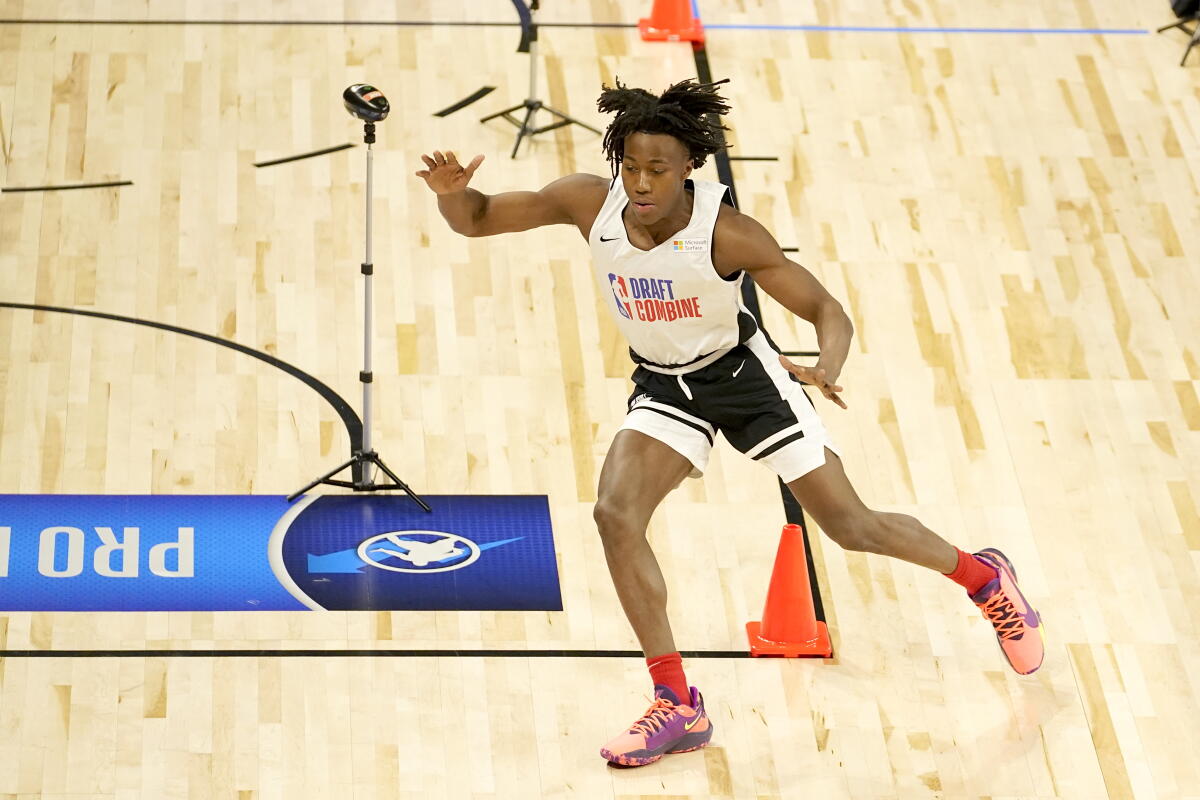
Declare vs agent vs pro
Players and parents mix these up, and that is where bad decisions happen. Keep it simple:
- Declare for the draft: you submit early entry paperwork or otherwise enter the NBA evaluation process.
- Work with an agent or advisor: you may get guidance, but the type of agreement and benefits are what create eligibility risk. “Compliance approved” is not a magic phrase. The setup still has to match the current guidance.
- Sign as a professional: you sign a pro contract or accept compensation to play professionally. That is usually the point of no return for NCAA eligibility.
Declaring is not the same thing as turning pro, but you can accidentally turn a “testing the waters” situation into a pro situation if the agent side is handled carelessly.
Auto eligible vs early entry
If you see these terms in draft coverage, here is the quick translation:
- Auto eligible: you meet the NBA’s automatic eligibility criteria for that draft year (typically tied to age and timing from your high school graduation). Even if you did not file early entry paperwork, you can still engage with the NBA process, and you may still need to communicate decisions, decline participation, or formally withdraw from parts of the process depending on your situation.
- Early entrant: you are not automatically eligible, so you file early entry paperwork to enter the draft process.
Return to the same school
Usually, yes, you can return to the same program, and in most cases that is the simplest path. Withdrawing from the draft is essentially you saying, "I am staying in college." If you were already on that roster and you never transferred out or left school, your default destination is your current school.
But there are three realities that matter right now:
1) Roster math is real
Coaches build a roster assuming some guys will go pro and some will come back. If you declare and then return, you are stepping back into a roster that may have added transfers or freshmen in the meantime. Most staffs plan for it, but it can get complicated fast.
2) Aid depends on your situation
Whether your scholarship is waiting for you can depend on your school’s policies and your specific aid agreement. Some athletes are on multi year aid, some are not. Also, schools generally have procedures around renewal and nonrenewal, and appeal rights can exist depending on school and policy.
Either way, do not assume. Ask early and confirm the plan in writing so there are no surprises.
3) If you left school or entered the portal, it changes things
If you withdrew from the institution, stopped enrolling, entered the transfer portal, or missed academic eligibility requirements during this process, coming back can be more complicated and not guaranteed. That is not because of the NBA Draft itself. It is because you changed your school status.
Key point: none of this automatically requires the transfer portal if you are returning to the same school and you never left.
Do you need the portal
No. Withdrawing from the NBA Draft and returning to college does not require you to enter the transfer portal if you are returning to the same school.
You use the portal when you want to change schools. The portal is not a “return from the draft” form.
When the portal shows up
- You want a different situation after the feedback (role, system, coaching staff, conference, NIL fit).
- Your original program cannot fit you back in because of roster limits and scholarship math.
- You already entered the portal, withdrew from the institution, or changed your enrollment status, which can add steps and remove the “simple return” option.
How it works
From a player’s perspective, the cleanest “declare and return” path usually looks like this:
- Confirm your draft status (auto eligible vs early entrant) and make sure your school and family are on the same page.
- Declare and submit the required NBA paperwork if applicable.
- Get feedback: interviews, measurements, workouts, and combine participation if invited.
- Keep your agent and benefits clean with compliance involved early. If you are using an advisor, do it with a written, compliance reviewed setup that fits the current guidance.
- Decide by the NCAA eligibility deadline for that year.
- Formally withdraw through the NBA process and notify your school the way your compliance office requires (email, forms, whatever your department uses).
- Keep copies of withdrawal confirmations and anything you sign or submit.
- Return to campus basketball for summer work and the next season, unless you choose to transfer.
If you want the least drama, the most important piece is the deadline. That is the line between evaluation and losing your college option.
Common scenarios
A: Declared, did workouts, withdrew on time
You can return to college and you can typically return to your same school without the portal.
B: Declared, used an advisor, withdrew on time
You may still return, but the details matter. Was there a written agreement limited to draft exploration only? Did it avoid marketing and long term representation? Did it end the way compliance required? What was paid for, by who, and was it permitted and documented under the current guidance? Treat compliance like a teammate.
C: Declared, stayed in past the NCAA deadline
In most cases, this is where you forfeit NCAA eligibility under that year’s rule. It is not just “for the season” in a casual sense. Staying in past the NCAA cutoff can close the college door entirely.
D: Withdrew, but wants a different school
You can return to college, but now the portal matters because you are choosing to transfer, not because you declared.
FAQ
Is declaring for the NBA Draft the same as hiring an agent
No. Declaring enters you into the draft process. The agent question is separate, and it is the part that most often creates eligibility issues.
If I attend the NBA Draft Combine, can I still return to college
Often, yes, as long as you withdraw by the NCAA eligibility deadline for that year and follow the current agent and benefits rules. The deadline is set by the current year guidance your school applies, not by a permanent combine based formula.
If I withdraw, do I automatically get my scholarship back
Not automatically. It depends on your aid agreement (one year vs multi year), renewal timing, school policy, and roster planning. Schools can also have procedures and appeal paths around aid decisions. Talk early with your coaching staff and compliance office, and get the plan in writing.
If I withdraw, do I have to re enroll
You must remain academically eligible and meet your school’s enrollment requirements. Most returning players simply stay on track and rejoin the offseason program.
What about NIL
NIL is generally allowed, but it still cannot be used as pay for play or tied to choosing a school, an agent, or a pro decision in a way that violates rules. If your NIL situation changes during draft season, keep compliance in the loop.
The bottom line
If you declare for the NBA Draft and keep one foot in college, the system can give you a real off ramp back to campus. Withdraw by the NCAA eligibility deadline for that year, keep your agent and benefits situation clean, and do not cross the pro contract line, and you can often return to college basketball.
And in most cases, you return to the same school without touching the transfer portal. The portal only becomes necessary if you want to change schools, or if you changed your enrollment status and returning is no longer simple.
If you are a player or parent reading this with a decision looming, my best advice is still the least glamorous: treat compliance like part of your team. In the draft process, details win games too.