
I have had this conversation in rinks, in living rooms, and in the quiet hallway outside a coach’s office: “If I get drafted, do I have to leave?”
In hockey, the answer is usually a relief. Getting selected in the NHL Draft does not automatically end your college career. In most cases, you can stay in school, keep playing NCAA hockey, and let your development cook a little longer.
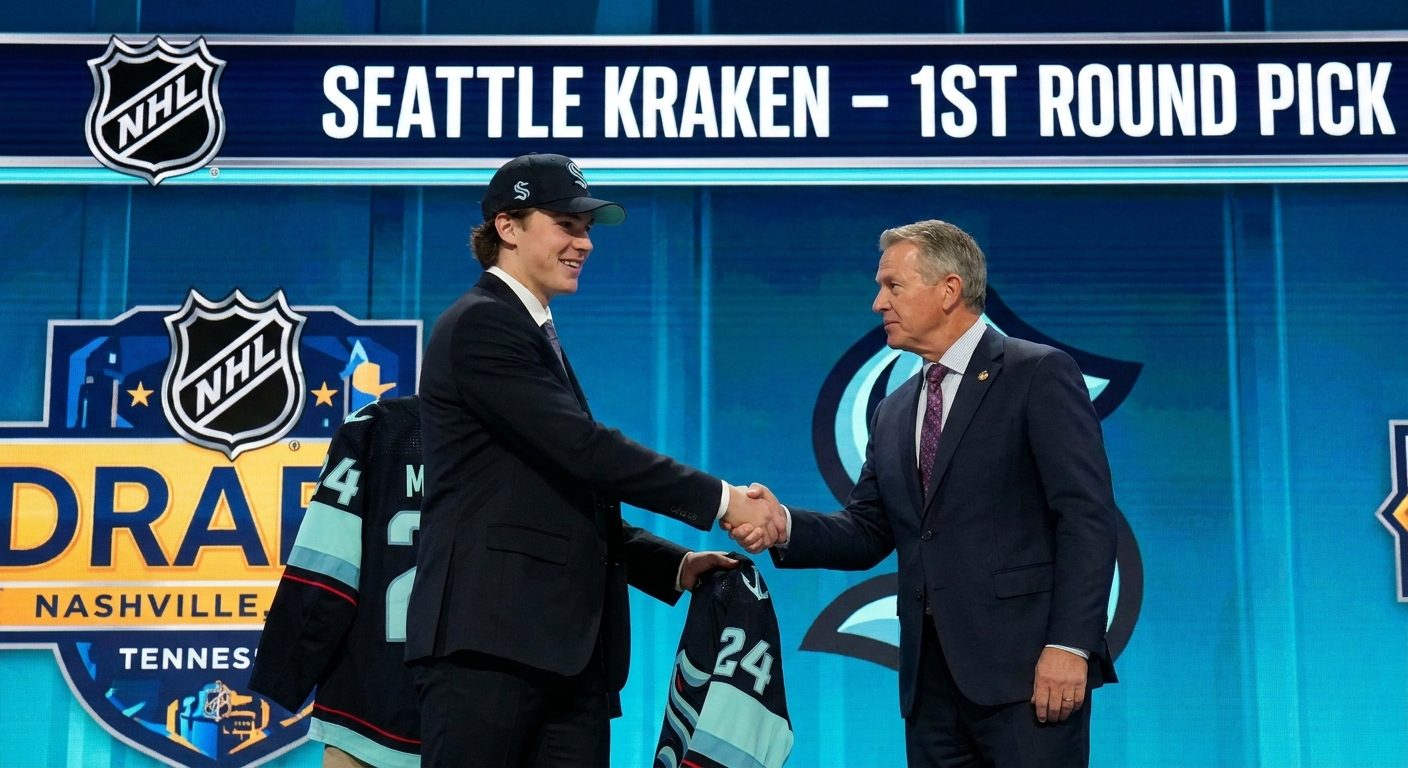
There is one major tripwire, though, and it is the one that matters most for NCAA eligibility: becoming a professional. Signing a pro contract is the most common way that happens, but it is not the only way. Let’s walk through what you can do after you are drafted, what you cannot do, and what tends to change the moment you sign.
Yes, you can stay in college after getting drafted
An NHL Draft pick can remain enrolled, keep playing for their NCAA program, and retain eligibility as long as they stay within NCAA amateurism rules.
That is why you see drafted players spend one, two, sometimes three or four seasons in college. The NHL Draft is more like a team claiming your future rights than it is a mandatory exit ramp.
Drafted does not equal “pro”
From an NCAA perspective, being drafted is not the thing that turns you into a professional athlete. The NCAA is primarily concerned with whether you have done something that crosses the amateurism line, like:
- Signing a professional playing contract with an NHL, AHL, ECHL, or other pro organization
- Taking pay for playing (beyond permitted expenses in permitted settings)
- Playing for or with a professional team in a way that violates NCAA rules
- Accepting extra benefits that are not allowed (housing, cars, cash, excessive per diem, etc.)
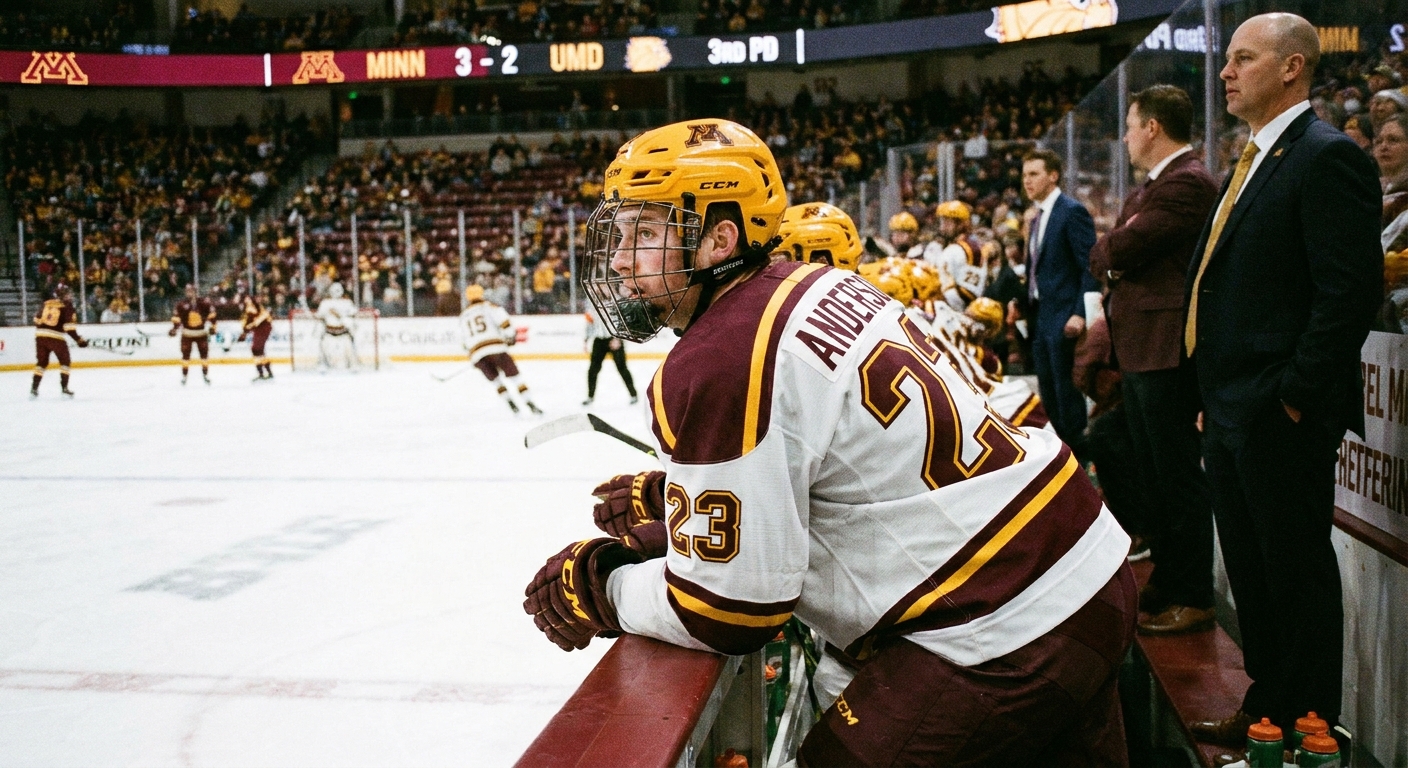
So if you are drafted at 18 and head back to campus at 19, you are typically right in the normal lane for college hockey.
The big line: turning pro
If you want the simplest rule to keep in your head, it is this: once you sign a professional playing contract, your NCAA eligibility to compete is generally gone.
Most drafted NCAA players who leave school do so when they sign an entry-level contract (ELC) with the NHL club that drafted them. At that point, you are a professional in the eyes of the NCAA, and you cannot return to NCAA competition.
Other pro contracts count too
The same principle usually applies to AHL, ECHL, and other professional contracts. Players and families sometimes hear “it’s only the minors” and assume it is harmless. It is not.
Also worth saying out loud: you can lose eligibility even without an NHL contract if you play or train under a professional arrangement, accept impermissible benefits, or sign paperwork that effectively makes you a pro. The details matter.
If you are unsure whether an agreement is considered professional, that is not a “guess and hope” moment. It is a “run it through compliance” moment.
Red flags to avoid
If your goal is to return to campus and keep playing NCAA hockey, treat these as stop signs until your school’s compliance office signs off:
- Signing any pro playing contract (NHL, AHL, ECHL, overseas)
- Signing a tryout agreement or other paperwork that creates a pro relationship (this is where PTO and ATO type situations can get confusing fast)
- Playing in professional games or joining a pro team in a way that triggers amateurism issues
- Accepting salary, bonuses, or benefits beyond actual and necessary expenses
- Hiring an agent to negotiate a pro playing contract while you still intend to compete in the NCAA
None of this is meant to scare you. It is meant to keep you eligible.
What you can do after being drafted
Being drafted opens doors, but it does not force your hand. Drafted NCAA players commonly do all of the following while keeping their eligibility intact.
Attend development camp (often yes)
Many drafted players attend their NHL team’s development camp in the summer. These camps are typically designed for prospects and focus on on-ice sessions, testing, and skill work.
The eligibility key is that you are not becoming a paid professional player by attending a development camp, and any travel, lodging, meals, gear, and other benefits must be structured in a permissible way. The exact details matter, so the best practice is to coordinate with your school’s compliance office before you go.
Keep living the college hockey life
You can keep playing NCAA games, practicing, lifting, traveling, and living the college hockey lifestyle. That is the whole point of staying in school: you continue to develop in a competitive environment while progressing toward a degree.
Use NIL, if handled correctly
Name, image, and likeness opportunities can be part of the modern college athlete experience, including for hockey players. NIL is not the same as a pro playing contract, but it still has to fit NCAA and school policies.
One practical warning: when an NHL club, a booster, or a representative gets involved, the paperwork and the “who is paying for what” questions get sensitive fast. Loop in compliance early.
Agents and eligibility
This is one of the most misunderstood areas.
In general, a player may be able to work with representation for NIL marketing under NCAA and school rules. That is very different from having an agent (or anyone) represent you in negotiations for a professional playing contract.
If you still want to compete in the NCAA, treat any agent or advisor conversation like a compliance issue, not a casual decision. Get guidance before you sign anything.
What changes once you sign
The moment you sign a professional playing contract, your path usually flips from “college athlete with NHL rights” to “professional hockey player.” Here is what changes in real-life terms.
NCAA competition is off the table
Once you are a pro, you generally cannot come back later and suit up for your NCAA team again. You can absolutely keep taking classes and finish your degree, but you cannot return to NCAA play.
Your development environment shifts
College hockey development is structured around team practice time limits, the academic calendar, and a slightly different pace of life. Pro development is a job. Your ice time becomes a business decision, and your “class schedule” becomes a travel schedule.
Timing starts to matter
Signing is not just a yes or no. The timing of when you sign can affect your first pro season, your opportunity to join an organization at the end of a college season, and how the team views your readiness. This is where families lean heavily on advisors, coaches, and NHL development staff to pick the right moment.
NHL rights if you stay in school
Generally, yes, NHL teams keep your rights for a window of time, which is why you see drafted players stay in college without immediately signing.
For many NCAA-track drafted players, that rights window is commonly understood as up to four years after the draft, with a frequent reference point being August 15 of the fourth year. Other development routes can have different timelines.
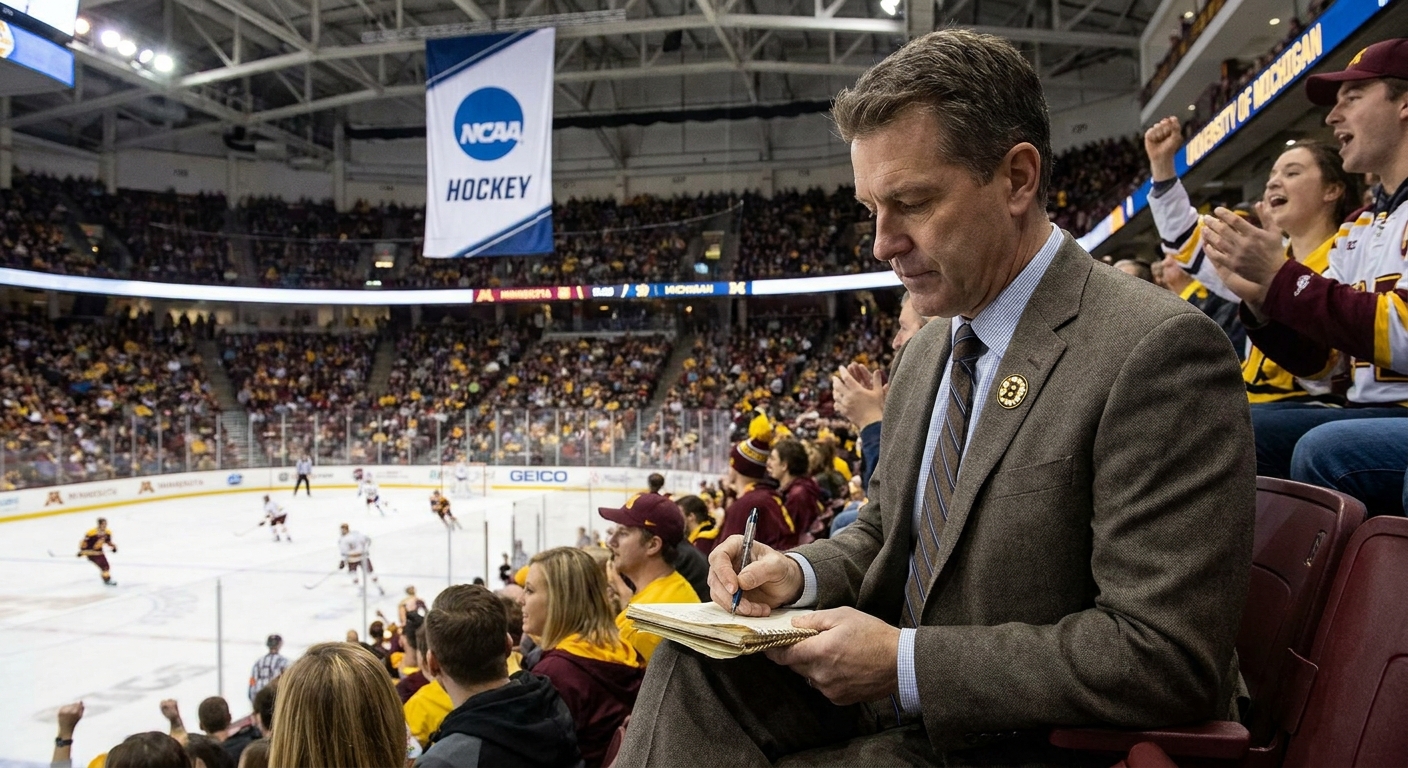
The practical takeaway: you can be drafted, return to campus, and still have an NHL future tied to the team that picked you, but you should confirm your exact rights timeline with people who know the current details: the NHL club, your coaching staff, and reputable advisors.
Common scenarios
Drafted at 18, returns for freshman year
Very common, especially for players drafted out of the USHL, NTDP, or prep programs who are heading to college anyway. Draft happens, then it is right back to campus and classes.
Drafted in college, stays another year
Also common. The player wants a bigger role, wants to chase a national tournament run, wants more time physically, or simply wants to keep building a body that can handle the pro grind. Hockey bodies mature on their own schedule.
Signs after the season ends
Often you will see a player finish the NCAA season and then sign to turn pro. That clean handoff is appealing: you finish what you started with your team, then step into the next chapter.
Offseason skates with pros
This is where families can get tripped up. Skating with pros is not automatically a problem, but the structure matters. Who is organizing it, who is paying, what benefits you are receiving, and whether there is any contract or tryout paperwork attached are the kinds of details that can change your eligibility picture. When in doubt, ask compliance before you go.
FAQ
Can you return after playing pro?
If you have signed a professional contract or otherwise lost NCAA amateur status, you generally cannot return to NCAA hockey competition. You can still attend school academically, but not play NCAA games.
Does getting drafted affect your scholarship?
Being drafted by itself typically does not create an automatic scholarship impact. Scholarship decisions are team and school specific, but “drafted” is not usually the trigger.
Can you have an agent and stay eligible?
It depends on what that person is doing for you. NIL marketing representation may be allowed under NCAA and school rules, but representation for negotiating a professional playing contract is the kind of step that can jeopardize eligibility if you want to keep competing in the NCAA. Get guidance before signing anything.
What if I’m drafted and unsure about eligibility?
Talk to your school’s compliance office and your coaching staff first, before signing paperwork, accepting benefits, or committing to offseason plans with an NHL organization. In eligibility land, the order of operations matters. Rules also change over time, so your school’s compliance office is the final authority for your situation.
The bottom line
A college hockey player can be drafted by an NHL team and still stay in school, keep playing NCAA hockey, and keep eligibility, as long as they stay within NCAA amateurism rules.
In a sport where development is rarely linear, that flexibility is a gift. It lets players grow into their games, stack meaningful minutes, and chase the college moments that only come once, all while keeping the pro door open for when the timing feels right.