
I have coached enough young hoopers to know this truth travels across every sport: timing is everything. In college swimming and diving, the transfer portal is not just a big “open season” whenever you feel like it. Division I uses a sport-specific notification-of-transfer window that is tied to the championship calendar, which is why swimmers and divers always seem to be doing math around taper, conference week, and NCAAs.
One important note before we get into it: the NCAA can adjust transfer portal windows year to year. So think of this as an evergreen explanation of how the Division I window is commonly set for swimming and diving, plus the practical implications. For the exact dates for your current academic year, confirm with your school’s compliance office and the NCAA’s published transfer portal window chart.
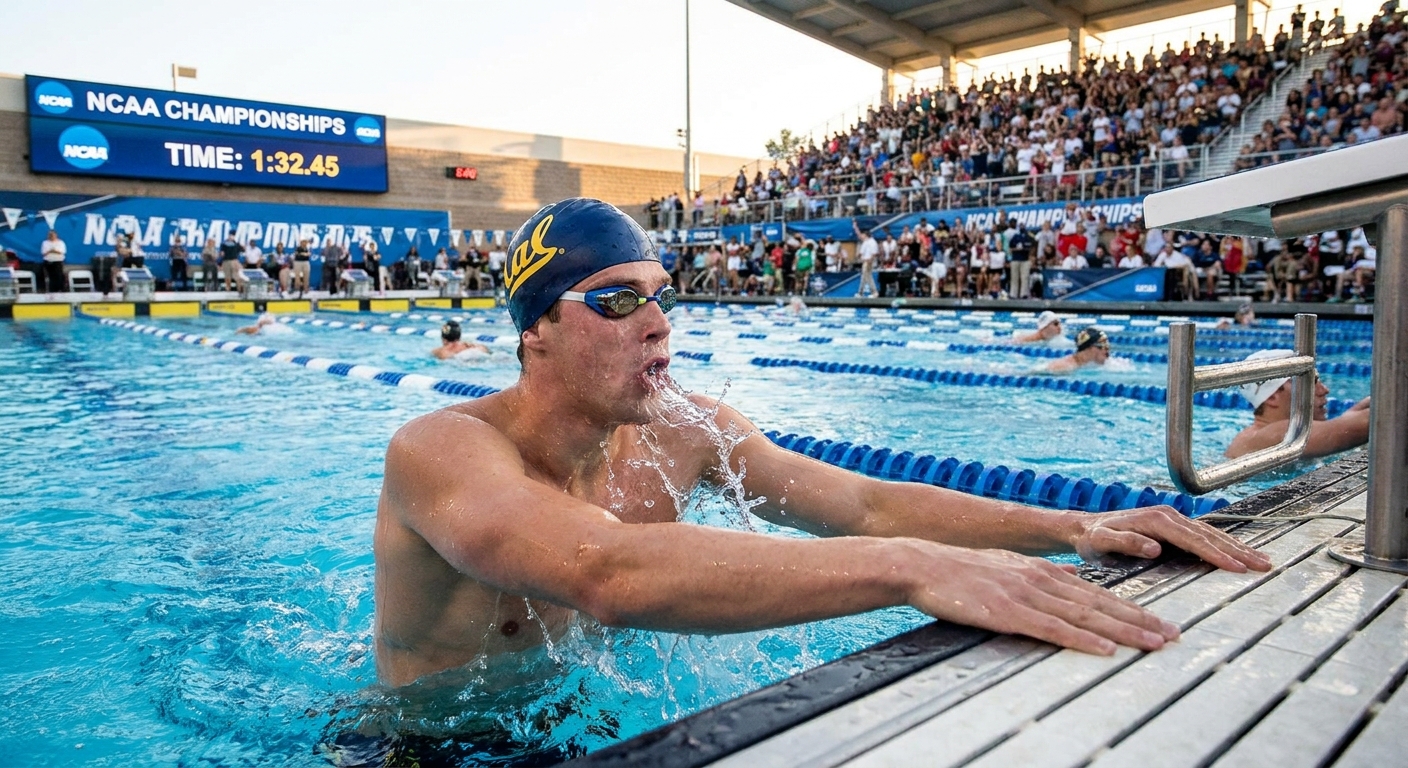
Division I window basics
In recent NCAA transfer portal window charts, Division I swimming and diving has typically used a championship-linked notification-of-transfer period.
Typical Division I swimming and diving notification-of-transfer period (men and women):
- Opens: the Monday after the NCAA Division I Swimming and Diving Championships selections announcement (the official championship qualification announcement)
- Closes: 30 consecutive days later (end of day)
That championship anchor is a defining feature of this sport in Division I. It is not just “somewhere in the spring.” It is connected to selections.
Three details that matter in real life:
- “Selections” means the qualification announcement. That announcement comes before the championships begin, but the exact day can vary by year.
- Thirty days goes fast. It is enough time to notify and start conversations, but it is not built for a slow, all-spring decision process.
- You request it, compliance enters it. The athlete initiates the request to be added to the portal, and the school’s compliance office handles the actual portal entry and timing requirements.
How it lines up with the postseason
Swimming and diving is a sport where your season is basically built around the postseason. Dual meets and invitationals set the table, conference week is the first real peak, and NCAAs is the second.
Conference week vs portal timing
In many seasons, the Division I entry period begins after most conference championships, because it is anchored to the NCAA selections announcement. But conferences do not all end on the same weekend, so consider that a common pattern, not a guarantee.
This timing generally reduces the odds of an athlete being in the portal while still expected to score points at their conference meet. That said, every year’s calendar is a little different.
Why it is tied to selections
The logic is straightforward. Once selections are announced, the postseason path is clearer:
- Some athletes know their season is over.
- Some qualify, but their role is set.
- Coaches start thinking about roster math for next season.
Anchoring the entry period to selections creates a cleaner handoff between championship season and next-year planning.
What it means if you are still racing
- If you are competing at NCAAs: in some years, the 30-day period can overlap the championship meet dates. In other years, the overlap is minimal. Either way, you are not required to decide before the selections announcement, which matters when you are tapering.
- If your season ends at conference: you may have a short wait until the entry period opens. Use that time to talk with your family, check credits, and get your questions organized for compliance.
- If you are thinking midyear: be realistic about training continuity, admissions timelines, and whether a program can integrate you quickly without putting you behind academically.
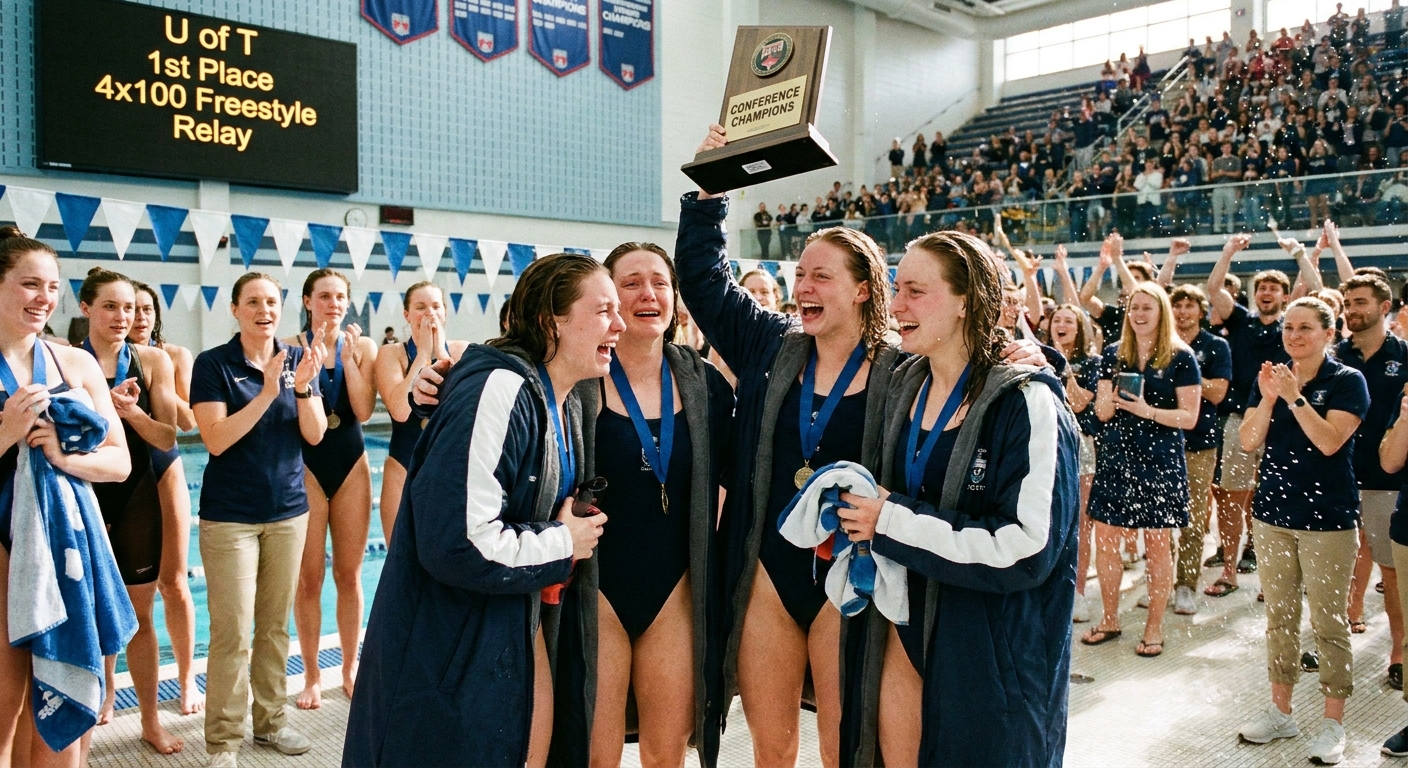
What notification of transfer means
In NCAA language, this window governs when an athlete in Division I swimming and diving can request to be entered into the NCAA Transfer Portal by their school.
A few portal basics athletes and families still mix up:
- Being in the portal is not a transfer. It signals you are open to contact and exploring options.
- The window is about entry. It controls when you can be added to the portal. Once you are in, eligibility, admissions, and roster decisions still apply at the next school.
- Scholarship conversations are separate. Swimming is an equivalency sport, so money is usually split. The portal does not guarantee funding, it just opens the door for recruiting conversations.
If you miss the entry period
You can still transfer schools in general, but portal entry is governed by the sport’s notification-of-transfer period. If you are outside the period, your next step is not guessing. It is talking to your compliance office about what options exist in your situation.
Eligibility notes to know
I am going to keep this high level because eligibility gets fact-specific fast, but you should have these on your radar when you talk to compliance and coaches:
- Immediate eligibility is not automatic. A lot of swimmers assume “portal equals immediate.” Not always. Your eligibility to compete right away depends on NCAA transfer legislation, your academic status, and the details of your situation.
- Progress toward degree matters. Credits and academic standing travel with you. A great swim situation does not help if you land somewhere that sets you back a year academically.
- Graduate transfers: your portal entry timing may still follow the sport’s window, but admissions timelines and program start dates can become the real bottleneck.
DI checklist
If you want one practical “do this next” list, this is the one I would follow as a swimmer or diver in Division I:
- Confirm the window for this year with compliance and the NCAA chart, then put the open and close dates on your calendar.
- Ask your current coach about team expectations during conference week and NCAAs, including any internal team policies around portal entry.
- Run a quick academic audit (unofficial transcript, degree progress, and how credits might transfer to likely destinations).
- Build a simple transfer packet: event list, best times, progression, video if you have it, and what you are looking for academically and athletically.
- Know your “non-negotiables” before you talk to anyone: training group fit, event coaching, academic major, and support structure.
- Move with purpose once the window opens. Thirty days is enough time to have real conversations, but not enough time to be casual about it.
Division II basics
Division II also uses the transfer portal, but do not assume Division I swimming and diving timing applies the same way in DII. DII has its own published notification-of-transfer windows, and the correct move is the same: verify the current year’s dates with compliance and the NCAA chart for that division.
In practical terms:
- Compliance still runs the process. Your school’s compliance office is still the gatekeeper for portal entry and the paperwork flow.
- Scholarship and roster math can feel different. Budgets, equivalency splits, and admissions realities vary widely across DII programs.
- Your calendar is still postseason-driven. Even if the rule structure differs, swimmers still live in the rhythm of conference, qualification, championships, then decisions.
If you are a DII swimmer or diver thinking about moving up, the biggest mistake I see is treating it like a simple “upgrade.” Fit matters more than brand. Training group, event coaching, academic support, and the culture you are walking into will decide whether you thrive.
Division III basics
Division III is the biggest change of the three divisions, and it is not just the level of competition. It is the structure.
- No athletic scholarships in DIII. The pitch is academics, campus fit, and the program experience.
- DIII does not use the NCAA Transfer Portal the same way as DI and DII. Transfer decisions usually center on institutional admissions, credit evaluation, and conference or campus policies more than a single national portal entry window.
- Eligibility still matters. Even without athletic aid, you still have to be eligible and academically on track.
In plain terms: if you are transferring in DIII, your biggest clock is usually admissions and credits, not a 30-day championship-linked entry period. Start with the admissions office or registrar on credit evaluation, then talk to the coach about roster fit and training expectations.
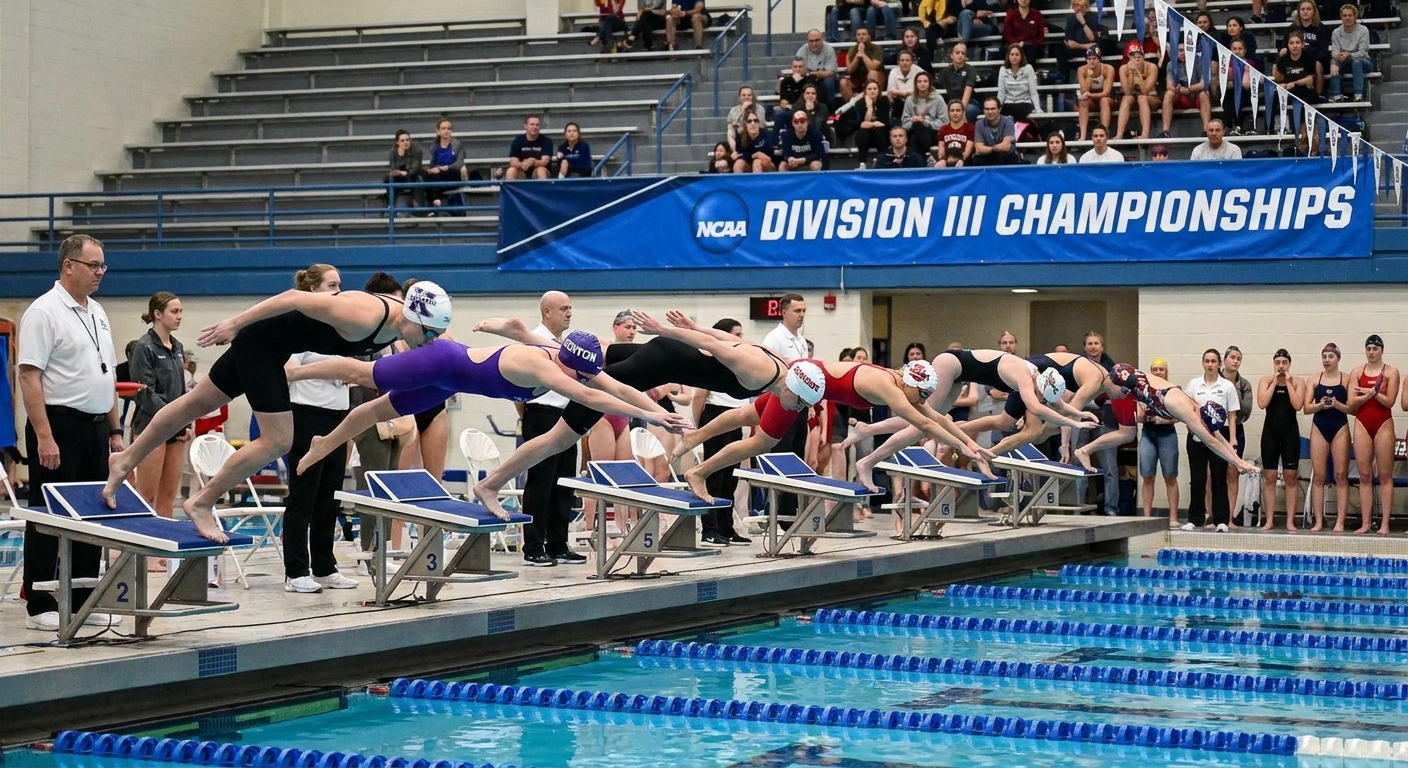
Why swimmers feel portal timing
Most sports have natural breaks. Swimming and diving has a training year that is basically one long build with one or two major tapers. That makes portal timing feel personal.
When the entry period opens after selections, you are often dealing with:
- Emotional whiplash from qualify or miss decisions
- Coaching conversations about next year’s role
- Academic deadlines for transfer credit work and housing
- Training continuity because you cannot just take six weeks off and pretend it does not matter
My advice, athlete-to-athlete: do not let frustration drive your choice of destination. Pick the place that supports your day-to-day, because swimming is a daily sport. Your best meet is built on the random Tuesday when nobody is watching.
Quick FAQ
Is the Division I entry period the same for men and women?
It is often the same, and it is commonly published that way on NCAA window charts for a given academic year. Still, verify on the current chart, because the NCAA can update sport-specific windows.
Does the entry period always open after conference championships?
Often, but not always. Because it is tied to the NCAA selections announcement, it typically lands after most conference meets, but the exact alignment depends on the year and the conference.
Does entering the portal end my season?
Not automatically. But team policies and coaching decisions vary, and the human side matters. If you are scoring points for a squad, those conversations can get complicated fast.
Where do I confirm this year’s actual dates?
Your compliance office can point you to the NCAA’s current transfer portal window chart and explain how it applies to your situation.