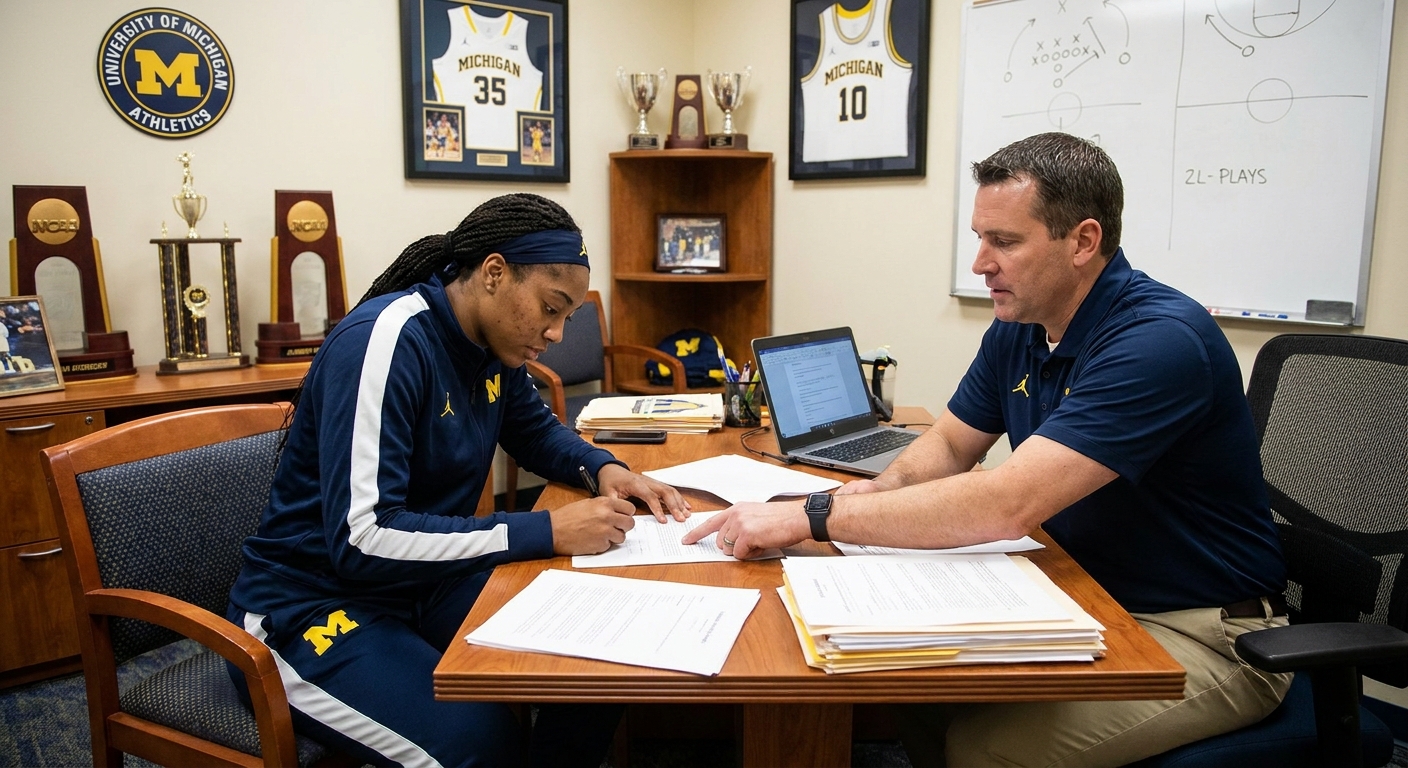
I have seen a lot of athletes treat the transfer portal like it is a trade request in the pros. You hop in, a new team calls, and your money just follows you to the next locker room. College sports do not work that cleanly, especially when coaches are juggling scholarship limits, roster caps, and yearly aid agreements.
So let’s answer the big question as clearly as possible.
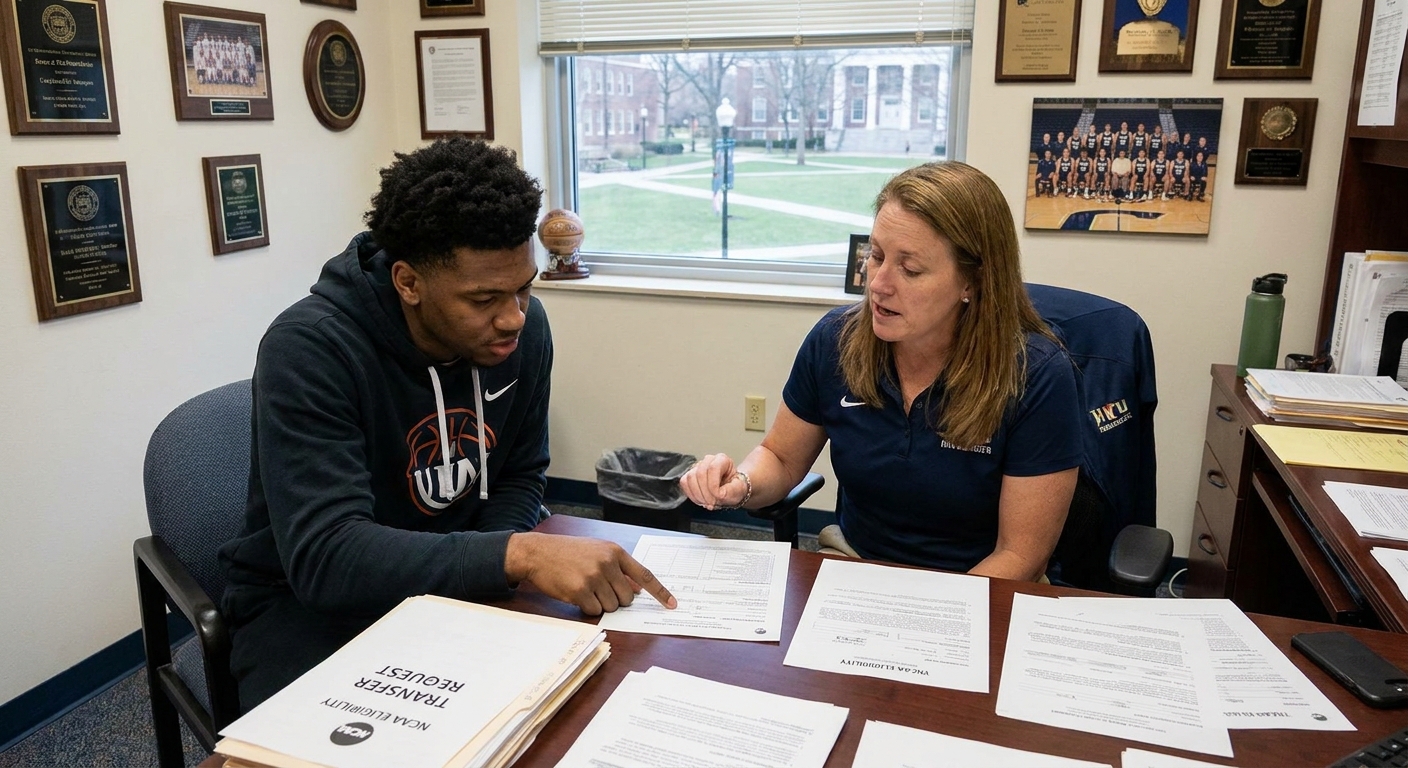
No, the new school does not have to offer you a scholarship
A receiving program is not required to offer athletic scholarship money. Not the NCAA. Not the conference. Not the fact that you had a scholarship at your previous school. None of that forces a new coach to match what you were on before.
Think of the portal like this: it is a formal, NCAA-run way to signal you are open to contact under NCAA rules. It does not override recruiting calendars, tampering rules, or other contact restrictions. And it does not create an obligation for anyone to fund you.
What the next program can offer
When you transfer, the receiving school can bring you in a few different ways. The exact language matters because it changes what you should expect financially and what your roster security looks like.
1) Athletic scholarship (full or partial)
This is the cleanest outcome: the new program offers you athletic aid.
- Sport matters: Some sports are “headcount” sports (generally full scholarships only), while “equivalency” sports can split scholarships into partial amounts. So “full or partial” depends on the sport’s scholarship model and the division.
- Key point: Even if you were fully funded at School A, School B can legally offer you less or nothing.
- Reality check: Coaches manage fixed scholarship limits and budgets. Your value, roster needs, timing, and how many counters they have left all affect what is available.
2) Walk-on spot
You might be offered a roster spot without athletic money. In everyday conversation, people just call this “walking on.” Some programs will use terms like “preferred walk-on,” which generally means the staff wants you in the program even if they are not paying you athletic aid right now.
- What it means: You are responsible for your school costs unless you have academic grants, need-based aid, outside scholarships, or later earn athletic aid.
- What to ask: Whether you are being recruited for a specific role and whether you are expected to travel or be in the rotation.
3) Interest without a guaranteed spot
Sometimes an athlete hears encouraging words, visits campus, and assumes an “offer” exists. But until you have details in writing, it might just be interest. Some programs also do not hold open tryouts, and roster management can vary by sport, division, and school policy. In other words, “come compete” might not mean “you will be on the team.”
If the staff cannot clearly answer, “Are you on the roster when you get here?” treat it as uncertainty, not commitment.

Why the new school will not match your old scholarship
Even if you were on athletic aid at your previous school, that award was made by that school, under that school’s budget, for that school’s roster plan.
At the new school:
- Scholarship money is finite. A coach might want you but only have a small percentage available, or nothing available right now.
- Roster priorities change fast. A staff may be balancing high school recruits, transfers at your position, injuries, and returning seniors.
- Timing matters. Portal windows, signing periods, and late entries can mean fewer remaining resources or fewer open roster spots.
What to confirm in writing
This is the part I care about most, especially for families making big financial decisions. Before you enroll, you want the offer details documented, not just discussed.
If you are being offered athletic scholarship money
- The amount and type of aid. Full scholarship or a percentage? What line items does it cover? Tuition, fees, room, board, books, cost of attendance components?
- The length of the award. Many athletic scholarships are awarded and renewed year to year. Do not assume renewal. Confirm the start term and end term.
- Any conditions. Ask what happens if you are injured, if your role changes, or if coaching staffs change.
- Where it is documented. You want the school’s official athletics aid agreement and or financial aid award notification, coordinated through the proper channels. Compliance may help guide the process, but the documentation should come through the school’s actual aid process, not just a text message.
If you are being brought in as a walk-on
- Roster status. Are you guaranteed a spot on the team, or are you trying out, if tryouts are even allowed?
- Your role and expectations. Position, development plan, and whether you are expected to travel.
- Future scholarship possibility. Not a promise, but ask how the staff handles walk-ons earning aid later and what would have to happen for that to be realistic.
- Non-athletic aid options. Ask to be connected with admissions and financial aid about academic scholarships and need-based packages.
For everyone, scholarship or not
- Your admission status. Confirm you are admitted and eligible to enroll. Being recruited is not the same as being admitted.
- Your remaining eligibility plan. Ask how the staff and compliance office see your seasons remaining and immediate eligibility expectations.
- Total cost to attend. Get an estimate of your real out-of-pocket cost for the year. Do not guess.
One simple rule: if a decision changes your bank account or your ability to compete, do not rely on verbal assurances. Get it documented through the school’s official aid and roster processes.
Common misunderstandings
“If I enter the portal, schools have to offer me something.”
No. The portal is exposure, not entitlement. Interest does not equal aid.
“I had a full scholarship, so my next stop has to honor that.”
No. The next school makes a new decision based on its own scholarship limits, roster counters, and priorities.
“Coach said they ‘have me,’ so I am good.”
Maybe. But “you’re good” can mean a lot of things. Confirm roster status and financial terms in writing.
Quick FAQ
Can I transfer without a scholarship?
Yes. Plenty of athletes transfer as walk-ons or using academic and need-based aid instead of athletic money.
Can a school offer me athletic aid later if I arrive as a walk-on?
Sometimes, yes. It depends on the sport, the program’s budget, and whether scholarship money opens up. Treat it as a possibility, not a guarantee.
Does a verbal scholarship offer mean I am covered?
You should not treat it that way. You want the offer processed through the school’s official athletics aid agreement and financial aid system so the terms are clear.
Does this work the same in every division?
No. Rules and scholarship models vary. For example, NCAA Division III does not offer athletic scholarships, which changes what “aid” can look like. If you are outside Division I, ask the compliance office and financial aid office how aid is structured at that school.
The takeaway
A new school does not have to offer a scholarship to a transfer. Your next program can offer athletic aid, a walk-on opportunity, or simple interest without funding or a guaranteed roster spot. Before you enroll, make sure you have the money details and your roster status confirmed in writing through the school’s official processes. That is how you protect yourself and your family, and it lets you focus on what you actually came to do: play ball.