
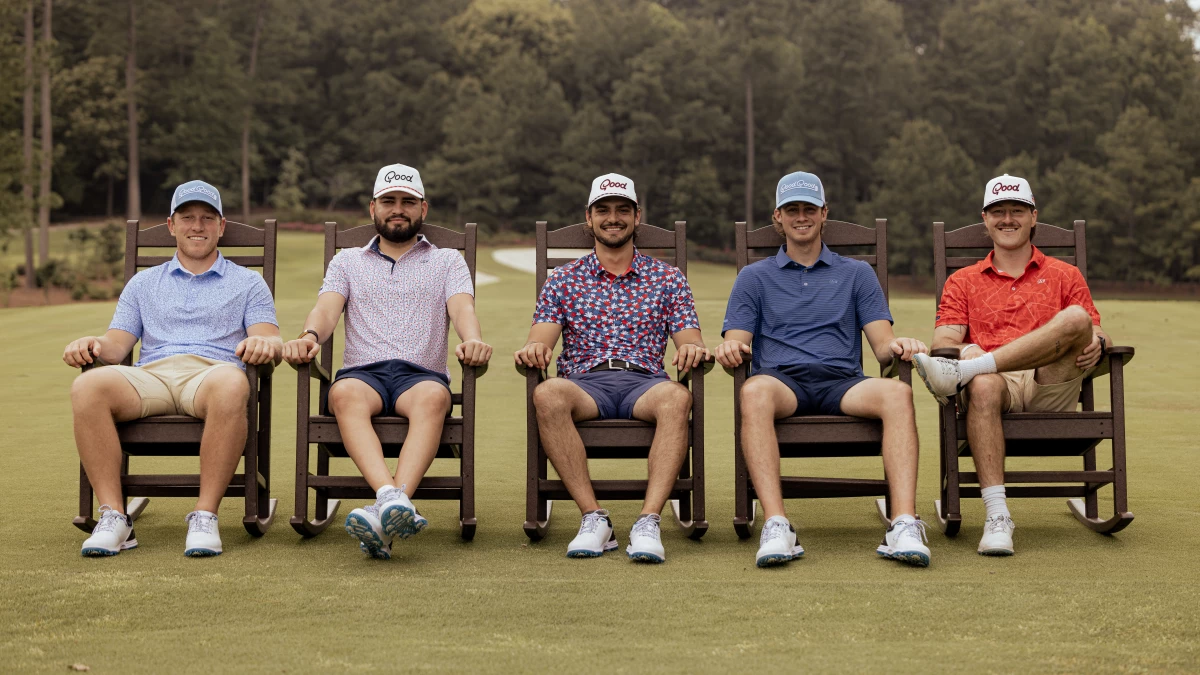
Good Good Golf did not become a powerhouse by acting like a traditional golf company. It grew like a locker room inside your phone: personalities first, inside jokes second, merch close behind, and equipment talk sprinkled in because golf fans cannot help themselves.
That formula is also why a single driver promo can land like a shank off the hosel. During Callaway’s Paradym launch window in early 2023, some Good Good viewers in YouTube comment sections and fan spaces like Reddit threads pushed back on how a few integrations felt. Not “how dare you have a sponsor,” but “why does this sound like an ad read wearing a Good Good hoodie?”
One caveat up front: this piece is not claiming a channel-wide revolt or a single viral meltdown. It is describing a recognizable pattern of audience feedback that tends to pop up during big launch cycles, when the same product name and the same feature vocabulary is everywhere, and then shows up inside content that fans expect to feel like friends playing a match.
What it is
If you have only seen the name in headlines recently, here is the key context: Good Good is not simply an apparel brand or a YouTube channel. It is a modern hybrid.
- Entertainment engine: A YouTube-first collective with episodic series, competitions, travel golf, and personality-driven storytelling.
- Commerce layer: A growing apparel business and broader lifestyle brand built on fans wanting to wear what the crew wears.
- Cultural signal: Proof that golf fandom can look like creator culture, not just country club culture.
That mix is powerful, but it creates a constant tension: the brand has to feel like friends playing golf while also operating like a serious company making serious partnership money. The Paradym rollout pressed directly on that pressure point.
The Callaway window
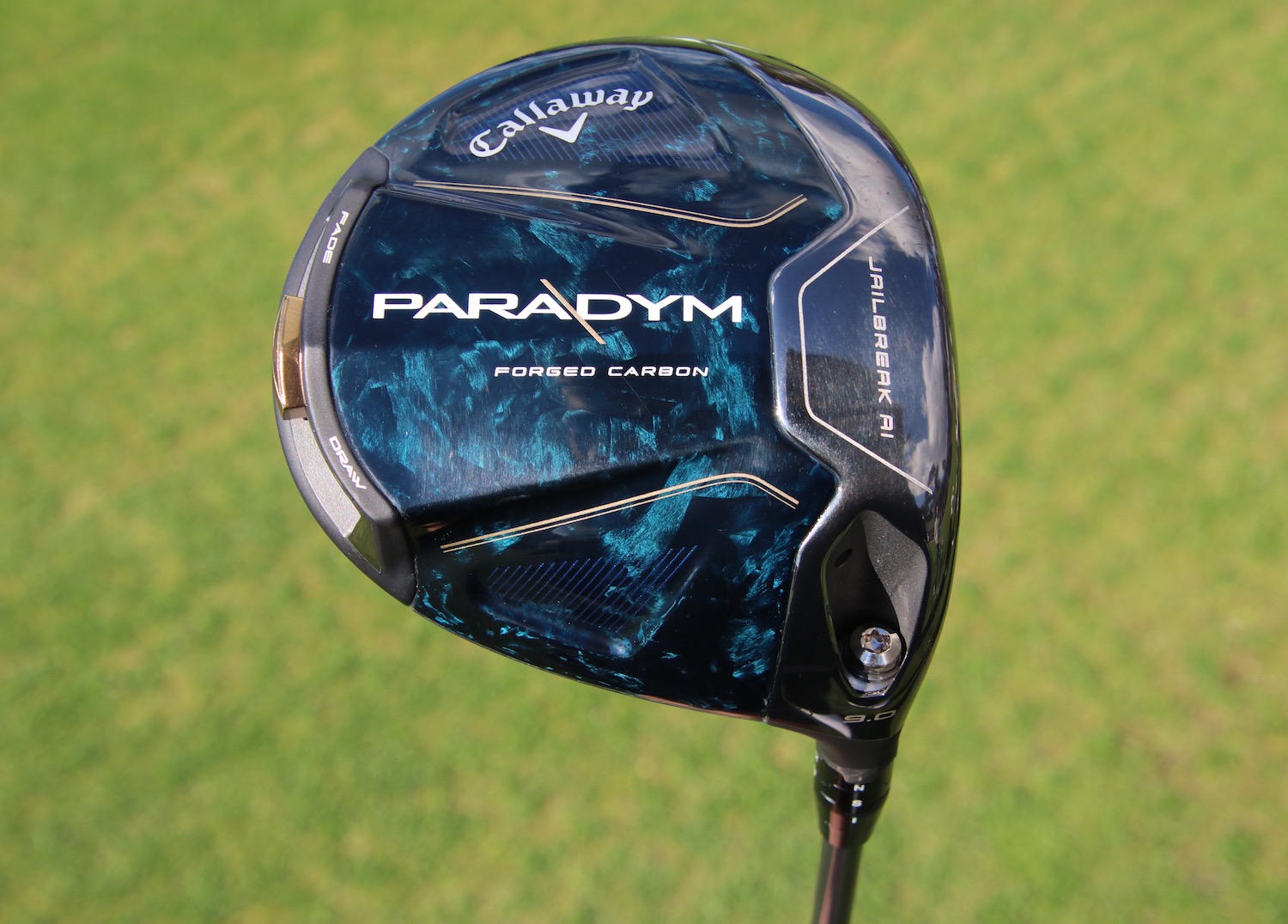
Callaway is a legacy equipment brand, and Paradym was its headline driver family for the 2023 release cycle. Like most major launches, the messaging traveled across ads, retail pages, and creator integrations. In that window, Callaway marketing leaned on repeatable tech phrasing such as "360° Carbon Chassis" and "Jailbreak A.I.", plus broader A.I. language around face design and optimization.
On the Good Good side, the timeline has a clean anchor: the channel’s partnership announcement upload, "We Joined Callaway Golf", published January 3, 2023. After that, the first stretch of on-course videos made the new bags, headcovers, and club branding part of the visual routine. In other words, the partnership stopped being background context and became on-camera reality.
The overlap is normal. The friction shows up when launch-cycle language drops into the middle of match energy. Good Good’s superpower is that their content usually feels unproduced even when it is produced. When a brand beat tightens the cadence, viewers notice.
The pushback
There was not one single moment that broke the audience. It was more like a run of small beats that added up for certain viewers during that early partnership stretch.
The feedback clustered around a specific craft issue: tone and placement. Some viewers were fine with the partnership itself, but did not love hearing polished spec language dropped into the middle of competitive momentum.
To keep this grounded, here are three uploads from that early 2023 window where comment sections commonly included variations of the same note: the golf is the draw, and the sponsor language can feel bolted on when it interrupts the round.
- "We Joined Callaway Golf" (Jan 3, 2023): As the announcement video, it naturally invited direct discussion about sponsorships, authenticity, and what would change on camera.
- Good Good’s first on-course matches after the switch (early January 2023): Viewers frequently keyed in on moments where the product name and feature phrasing popped up inside competitive beats, especially on tee boxes.
- Any of the early bag-focused or new-clubs-on-course episodes in that same stretch: The more the wording resembled wider launch messaging, the more it stood out against the channel’s usual banter.
What people were reacting to was easy to recognize. A match is moving, the cut is quick, the chirping is good, and pressure is rising. Then on a tee box, the language briefly shifts from instinctive golf talk to polished feature talk, then snaps back to competition.
Illustrative example (not a quote): someone stripes a drive, and instead of reacting like a competitor, the beat becomes a tight name-feature-benefit line about an AI-designed face or carbon construction, then the match resumes like nothing happened. Even if the claim is true, the cadence reads like copy.
- It interrupted the round: Fans came for match play, not a mini commercial break in the middle of a pressurized tee shot.
- It sounded rehearsed: The blunt version was that certain lines felt preloaded instead of spontaneous.
- It felt like launch-speak: The more the wording matched a broader campaign, the more it stood out.
A useful tell is the difference between reaction and recital. Reaction sounds like a player describing what they actually felt or saw. Recital sounds like product name, feature, benefit, product name again, then a hard cut back to competition.
Scale and trust
This matters beyond one product cycle. Good Good sits at the crossroads of two worlds that do not naturally fit together.
Creator culture
- Fans expect transparency, humor, and imperfections.
- The product is personality and chemistry.
- Feedback is immediate and loud, and it shapes behavior.
Sports business
- Brands typically want consistency and clear messaging.
- Partnerships often come with deliverables, approvals, and legal guardrails.
- Growth usually adds structure behind the scenes: more staff, more planning, more process.
The friction point is simple: when a creator-led brand scales, it can start sounding like any other company. The moment fans sense that shift, they do not just critique a single ad beat. They question whether the channel still feels like the same hang.
Counterweight worth stating plainly: plenty of fans either did not notice the tonal shift or did not mind it. A big partnership can bankroll travel, production, and bigger ideas. Some viewers also like gear talk, especially when the crew is genuinely excited and the segment is quick.
Disclosure
If a recurring viewer complaint is “this felt like a surprise ad break,” the fix is rarely complicated. It is usually clarity about when the content is sponsored, plus a structure that keeps the match feeling like a match.
YouTube sometimes shows an “Includes paid promotion” label when creators use the platform’s paid promotion setting, and many creators also disclose in descriptions or verbally. Those signals vary by channel and by upload, and a platform label alone should not be treated as a complete solution in every scenario.
In the United States, the FTC’s Endorsement Guides generally focus on one standard: if there is a material connection between a creator and a brand, disclosure should be clear and conspicuous. Put simply, viewers should not have to play detective. This is not legal advice, just the practical trust rule creators and brands talk about when they want to stay out of trouble and keep the relationship intact.
- A distinct sponsor beat: a quick bumper or on-screen card that signals a sponsored segment, then back to the round.
- Plain language: “Callaway is a partner, they sent these, here is what I actually noticed,” instead of sliding into bullet-point benefits mid-banter.
- Dedicated gear lanes: keeping deeper product talk in a fitting video or testing format, so the main competition feed stays competition first.
None of that kills monetization. It protects the thing the audience came for.
What changed
Moments like this rarely stay frozen. In most creator channels, the early phase of a new equipment relationship is the loudest because everyone is trying to establish the new reality: new bags, new logos, new talking points, new expectations.
Over time, audiences often acclimate, and creators usually get better at placing sponsor language where it fits. The more the clubs are simply there over multiple rounds, the less every mention feels like a reset. And when deeper product talk is routed into dedicated testing formats while on-course videos stay competition first, the integration tends to feel more like background than interruption.
Integrations land better when the gear is treated like part of the golf, not a pause in it: clubs get tested over multiple rounds, misses are left in, comparisons to old setups are real, and the crew is comfortable admitting what did and did not change. That is the difference between a partnership that feels like a perk for the channel and one that feels like a script creeping into the banter.
Good Good’s advantage is also its burden: its audience is emotionally invested. That means criticism can spike fast when something feels off. It also means forgiveness is possible if the brand acts like it understands the relationship it is trying to protect.
What it means
This story echoes beyond golf because every creator-led sports brand is chasing the same puzzle: how do you monetize without breaking the spell?
The Good Good and Paradym moment highlights a durable lesson for the next wave of athlete-influencer hybrids, training content empires, and YouTube-first leagues:
- Authenticity is a business asset. Spend it carelessly and you pay for it later.
- Scaling changes the on-screen product. Viewers notice when content starts sounding like it was approved by committee.
- Partnerships are part of the show. In creator sports, the way you sell matters as much as what you sell.
FAQ
What video anchored this era?
The clearest marker is the January 3, 2023 announcement upload titled "We Joined Callaway Golf".
Was this about disclosure or tone?
Mostly tone and placement inside competitive moments. Disclosure is a separate issue, but clear labeling can reduce the “wait, was that an ad?” feeling.
Can Good Good recover?
Yes. In a creator-led business, recovery usually looks like consistent, trust-building choices over time, not one perfect response.