
Golf marketing is usually a smooth walk down the fairway. This one turned into a cart-path bounce.
Here’s the real story behind the Callaway-Good Good blowup: a promotional video built as a parody, approved before it ever went live, then publicly condemned after backlash. That reversal led to a full-on brand breakup, a pledged $1 million donation from Callaway to organizations focused on preventing violence against women, and a growing online push for a boycott, with some fans even calling for legal action.
If you only saw the loudest clips and angriest quote-posts, it’s easy to miss what’s actually being argued. This is not just about a tasteless joke or a “cancel culture” moment. It’s about who owns responsibility when a brand signs off on creator content and then tries to hit the eject button mid-flight.
Who are the key players here?
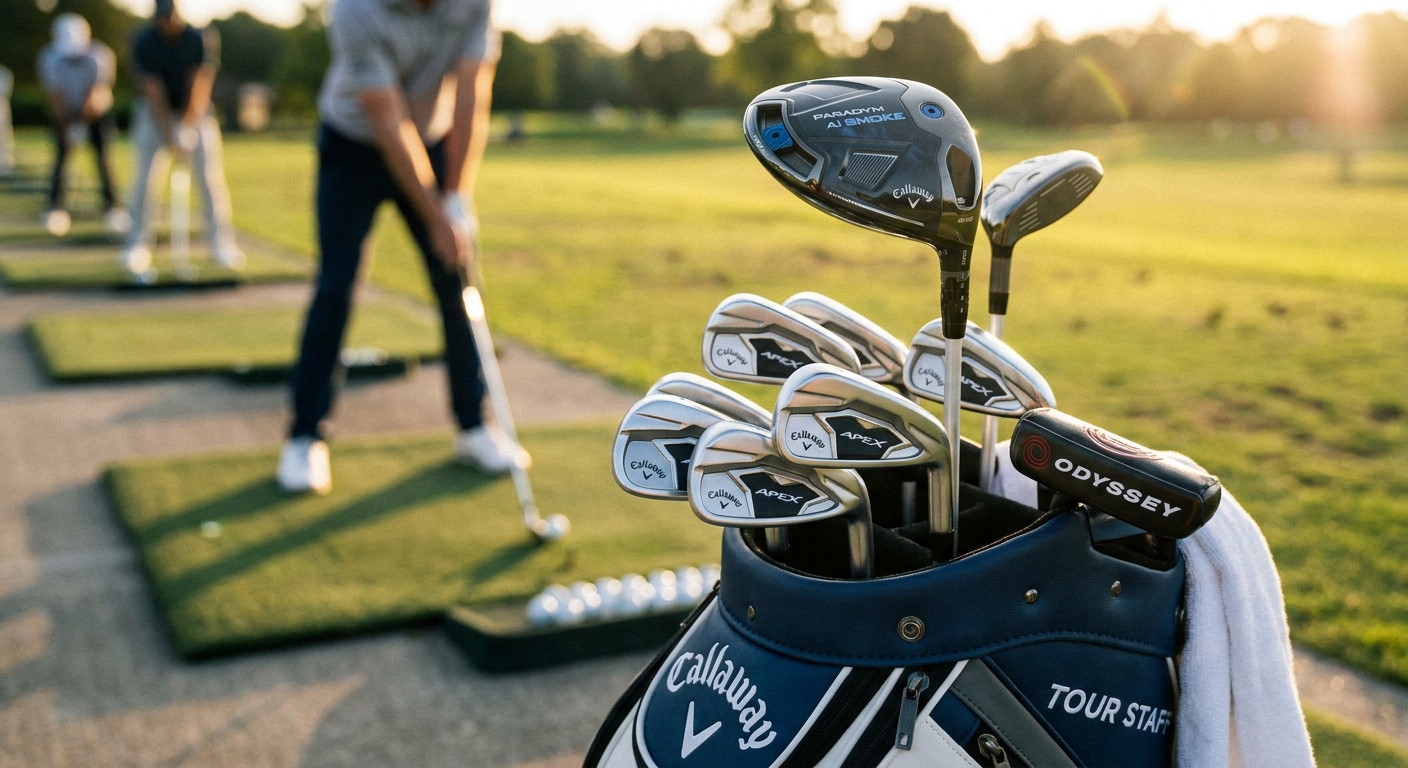
Callaway Golf is the legacy equipment powerhouse with a global consumer base and a reputation built on performance gear and tour-level visibility.
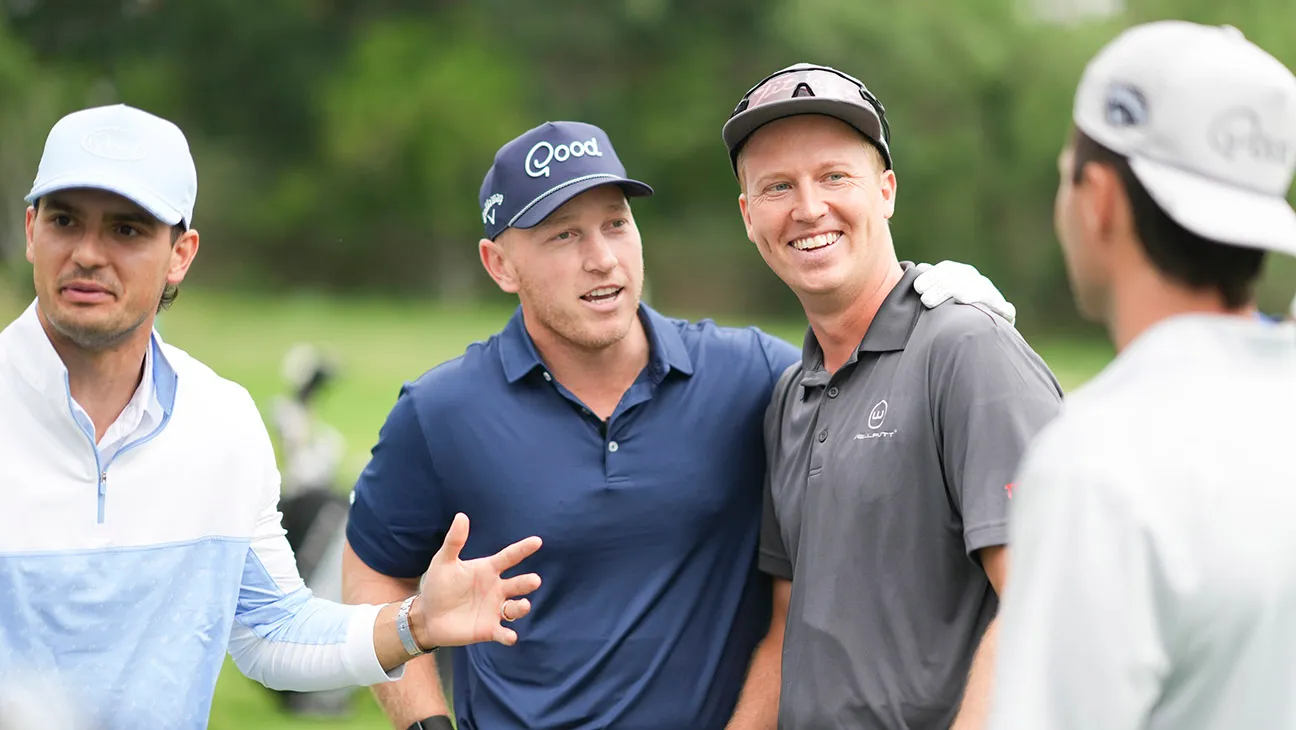
Good Good is the modern golf machine: creator-led, YouTube-native, and built for a generation that consumes golf like it consumes everything else, in fast cuts, big personalities, and inside jokes. Callaway and Good Good had an official partnership that began in 2023, a marriage of “old guard distribution” and “new school attention.”
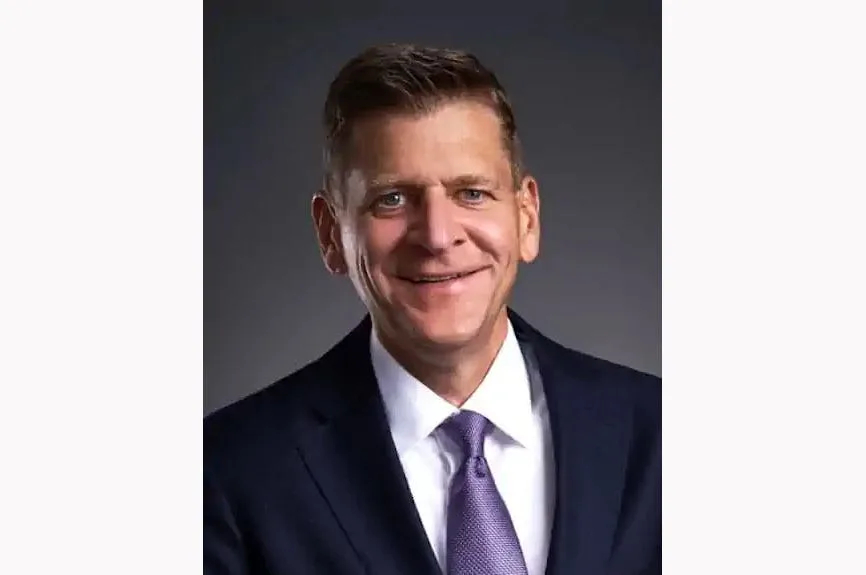
And sitting in the middle of the storm are two CEOs who ended up issuing public apologies as the backlash grew: Chip Brewer for Callaway and Matt Kendrick for Good Good.
What was in the ad, and why did people get upset?
The video in question was a promotional spot featuring Callaway equipment produced by Good Good. The concept leaned into satire, specifically a parody of the 1979 thriller Obsession.
The central gag: a man is so fixated on his Callaway driver that when a woman reaches for it, he physically stops her. The scene includes slapstick force and, in the version that circulated most widely, a moment that viewers interpreted as a woman being shoved or knocked down.
That’s where the reaction split hard:
- One side saw it as goofy, over-the-top physical comedy, the kind brands have run for decades.
- The other side saw it as trivializing violence against women and using harm as a punchline.
Those are not small differences. They’re completely different lenses. And once those lenses hit social media at full speed, “intent” stopped mattering as much as “impact.”
The detail that changed everything: Callaway approved it before it ran
Here’s the part that turned a marketing misfire into an accountability brawl: the ad was pre-approved by Callaway before it was published.
That’s why so many golfers and creator-economy watchers aren’t just debating whether the joke was funny. They’re asking a sharper question: How does a company approve a piece of creative, then publicly frame it as something that should never have made it through?
Online, that distinction fueled a wave of “don’t scapegoat the creators” sentiment. One viral post summed up that position bluntly: “Callaway approved the ad before it ran. They’re the ones to blame. Good Good did nothing wrong.”
Callaway’s response: apologies, process reviews, and a breakup
As criticism spread, both sides pulled the video and issued multiple rounds of apologies. Then Callaway escalated its response from “we messed up” to “we’re done.”
In his Monday apology, Chip Brewer said, “that approval should never have happened” and that Callaway was conducting internal and external reviews of how content got approved.
Shortly after, Callaway announced it was ending the partnership with Good Good effective immediately.
Callaway’s longer public statement also framed the backlash in human terms, saying the company heard from people sharing personal experiences related to violence against women, and emphasized that “violence against women is unacceptable and should never be trivialized, normalized or used as entertainment.” The company also said its content review process was not comprehensive enough, that it took internal corrective action, and it pledged $1 million to support organizations working to prevent violence against women and help survivors.
Why the boycott talk caught fire
Boycotts don’t ignite just because a brand apologizes. They ignite when the audience senses unfairness, inconsistency, or cowardice. Whether you agree with that read or not, that’s the emotional engine here.
There are three main arguments driving the anti-Callaway wave:
1) “You approved it, so own it”
Many fans are less outraged by the ad than by the reversal. In their view, Callaway’s approval stamp makes this a Callaway problem first, not a creator problem.
2) “This was classic slapstick, not an endorsement of violence”
A lot of posts compared the moment to old-school tackle-for-a-laugh commercials, arguing that nobody reasonably thinks physical comedy equals promoting harm. That idea is everywhere in the backlash: people saying Callaway treated a goofy bit like something far darker.
3) “This is corporate risk management dressed up as values”
When a company pairs a public moral stance with a business breakup, skeptics often read it as reputation triage. The $1 million pledge is meaningful support if it reaches the right groups, but it also functions as a powerful signal: Callaway wanted to draw a hard line and be seen drawing it.
Mix those three together and you get what we’re seeing now: people selling gear, promising to switch brands, and hammering Callaway for what they view as throwing Good Good under the bus.
So did Good Good do anything “wrong”?
There are two separate questions hiding inside that one:
- Creative judgment: Was it smart to make a joke that looks like a man taking down a woman over a golf club, even as parody?
- Business process: If your partner signed off, did you still carry responsibility for how it would land with the public?
From a pure creator standpoint, you can argue Good Good stayed inside the lines it was given, because approval gates exist for exactly this reason.
From a pure brand-safety standpoint, you can argue creators still have to anticipate how a clip will travel when it gets stripped of context and blasted across feeds.
My player-brain takeaway is simple: both things can be true. You can have a partner-approved bit that still turns out to be a bad swing for the moment we’re living in.
Could Good Good actually sue Callaway?
You’ll see “breach of contract” thrown around a lot online right now, along with demands that Good Good should pursue damages.
Whether that’s realistic depends on contract language most of us will never see, including:
- Termination clauses and “morals” clauses
- Approval and indemnification provisions
- Who owns final editorial control and distribution rights
- What obligations exist around make-goods, campaign deliverables, and reposting
The key public fact that shapes the armchair legal debate is the one we already covered: Callaway approved the creative before publication. That doesn’t automatically equal liability, but it does complicate the narrative of Callaway as a passive victim of someone else’s content.
What this says about the future of golf marketing
This whole episode is a case study in the uneasy handshake between legacy brands and creator-led media.
Traditional sports advertising is built on tight control. Creator content is built on voice, speed, and a little chaos. Partnerships work when both sides accept the trade: brands get relevance, creators get resources. They blow up when a company wants creator energy on the way up and corporate distance on the way down.
If you’re a golf brand watching this, you’re probably rewriting your approval workflow today.
If you’re a creator watching this, you’re probably thinking about one thing: approval isn’t protection if the partner can still publicly disown you.
FAQ
Did Callaway really approve the ad before it went live?
Yes. That’s a central reason the backlash hasn’t stayed focused on the creators. Many critics argue approval makes Callaway responsible for the ad’s existence in the first place.
Why did Callaway end the partnership instead of just apologizing?
Callaway moved from apology to separation after several days of escalating criticism, saying its review process failed and announcing it was cutting ties effective immediately.
What was the $1 million donation about?
Callaway said it would commit $1 million to support organizations that work to prevent violence against women, provide resources to survivors, and expand education and awareness.
Is the boycott real or just online noise?
It’s real in the sense that people are publicly pledging to stop buying Callaway and to sell gear. Whether it impacts sales is harder to measure, but the brand damage is obvious: the story shifted from one ad to a broader debate about accountability and corporate response.
The bottom line
Callaway didn’t just get criticized for an ad. It got criticized for the sequence: approve, post, apologize, condemn, cut ties.
In sports, fans can forgive a missed shot. What they struggle to forgive is when a team pretends it never drew up the play.