
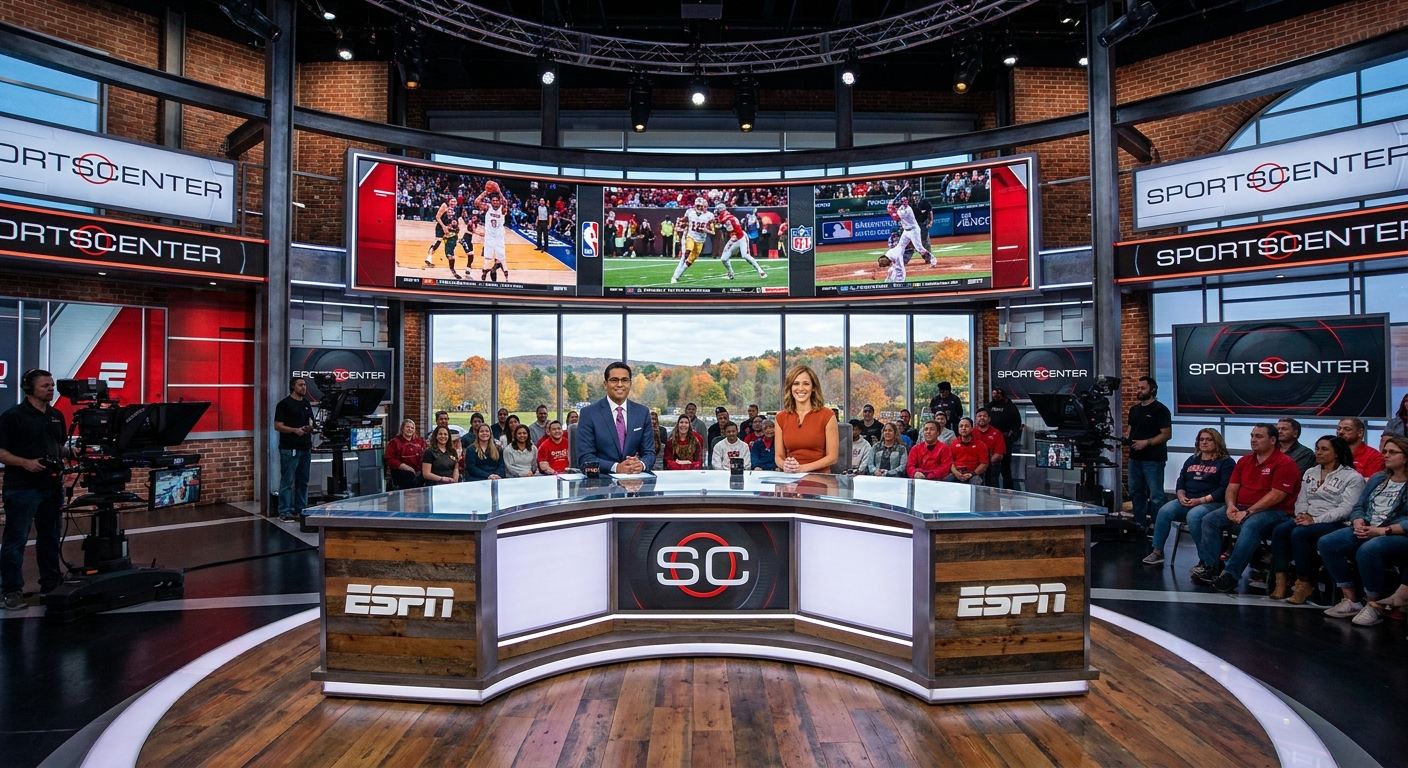
There was a time when the highlight reel had a curfew. You caught the game live, or you caught SportsCenter later, sitting on the edge of the couch like it was a late-night campus study session. The anchors were part broadcaster, part storyteller, part friend who had the remote and knew exactly when to rewind the dunk.
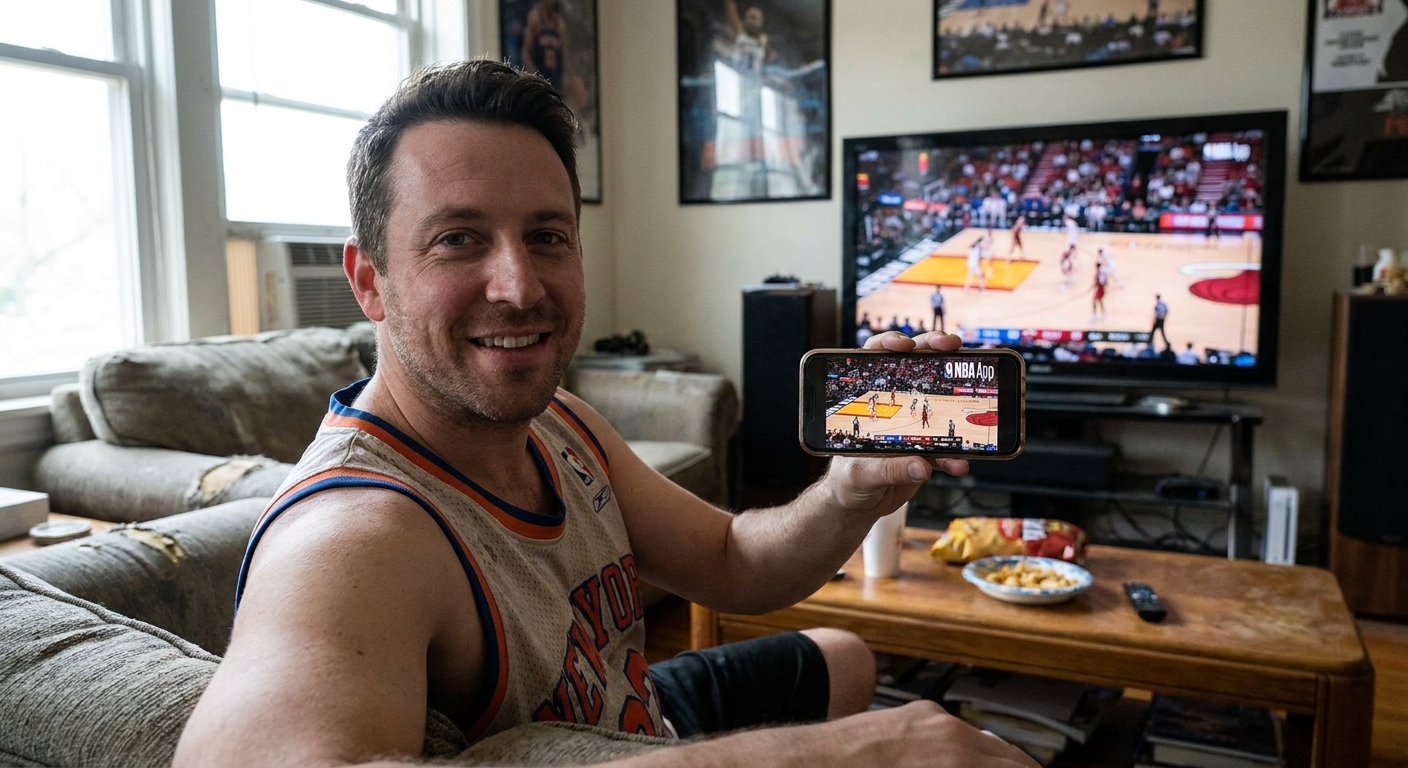
Now highlights find you. They show up in your pocket, between group chats and grocery lists, trimmed down to the loudest moment with the cleanest angle, basically the most shareable version of the play. The evolution has been wild and weirdly personal, because the way we watch highlights is basically the way we live now: faster, more mobile, more fragmented, and somehow more connected.
Appointment TV
In the classic SportsCenter era, highlights were curated like a mixtape. The show did not just show you what happened. It told you what mattered.
The pace mattered
Editors built mini-narratives: a run in the third quarter, the pitching change that flipped a baseball game, the defensive tweak that turned a matchup. You got context, you got voiceover, you got time. Even the silence mattered, that half-beat before the crowd detonated.
Anchors as narrators
People forget how much personality shaped the reel. Anchors and analysts were the connective tissue between leagues and fans. They framed moments, delivered punchlines, and made you care about a Tuesday night game in a city you had never visited.
And because you could not instantly pull up every angle, the highlight felt like a reveal. One clean package could define a whole night.
Digital shifts
The shift did not happen overnight. It happened in uploads, buffers, and eventually, streams . As broadband improved and smartphones became normal, highlights stopped being a TV segment and started becoming a commodity.
League sites and early clips
In the 2000s and early 2010s, official league platforms and team sites began posting clips, recaps, and condensed games. You did not need a nightly show to access the big moments. You needed a browser. Later, league subscriptions and platform deals made it even easier to find official “key plays” and nightly recaps on demand.
This era also intensified the rights conversation. Who gets to post a dunk? How long can the clip be? Can a creator talk over it? Highlights were no longer just coverage. They were valuable content, and every second of footage had a business plan attached.
Social rewrites
Once highlights moved into social feeds, the edit had to adapt. The feed is an unforgiving place, and attention is borrowed in short bursts.
The swipe era
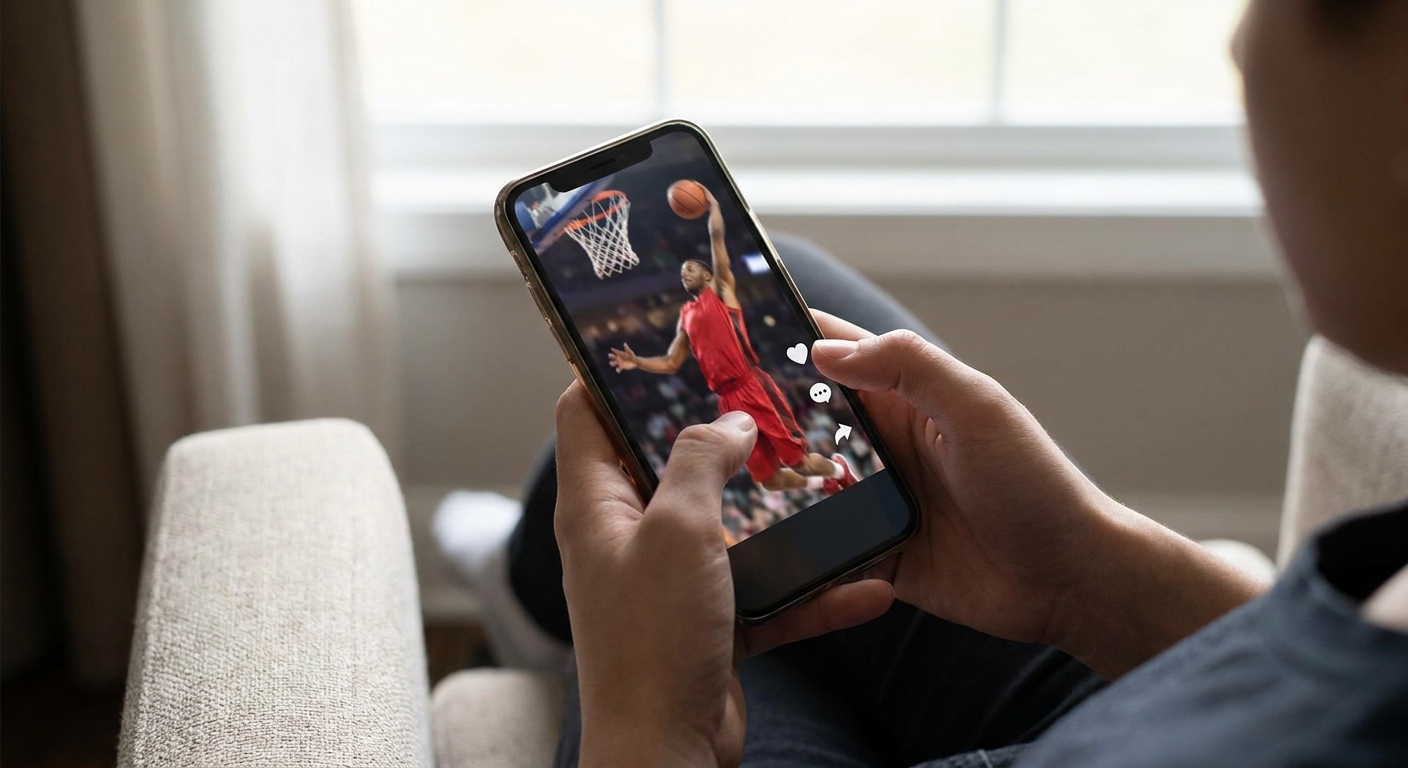
Instagram, Twitter/X, YouTube, and later TikTok trained fans to expect immediacy. The best highlight was not always the most important play in a game. It was the most stoppable play on a scroll, the one that makes your thumb pause.
- Shorter runtimes: A full sequence became a single action, sometimes without the buildup that made it meaningful.
- Front-loaded impact: The clip starts at the explosion, not the setup.
- Sound matters: Crowd audio, bench reactions, and mic’d-up moments became part of the hook.
- Vertical video: Edits increasingly fit the phone first, even as broadcast packages still exist.
Reaction is part of it
This is one of the sneaky biggest changes. The modern highlight often includes the audience inside the clip: the teammate’s face, the fan holding their head, the commentator losing their mind. The reaction sells the moment, and sometimes becomes the moment.
And it is not just broadcast footage anymore. A shaky crowd angle, a bench clip, a tunnel moment caught on a phone, those can travel just as far, sometimes farther, than the “official” version.
SportsCenter adapts
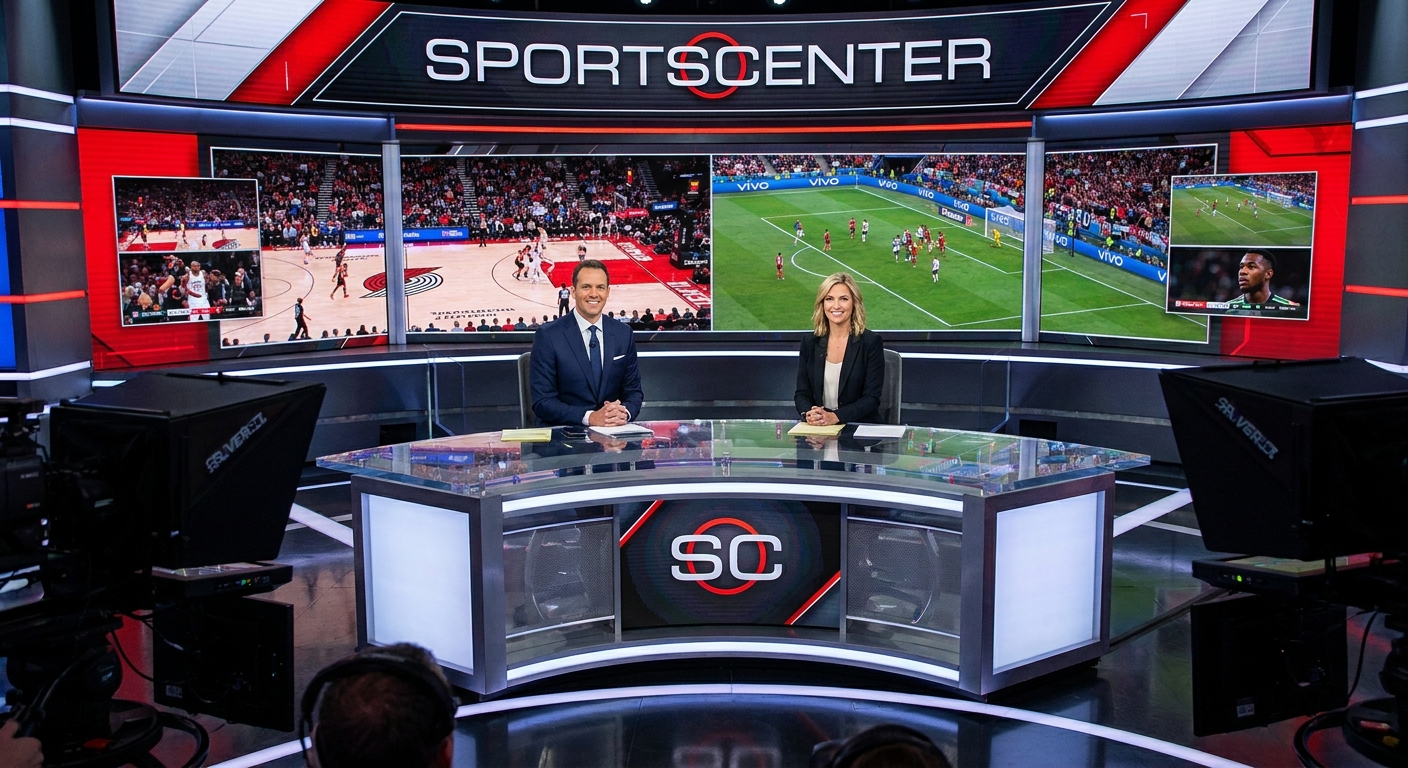
SportsCenter did not disappear. It evolved. But the power dynamic flipped. For decades, a nightly show could heavily influence what the sports world talked about the next morning. Now, the internet often decides first, and the show responds.
Top 10 to trending
Instead of being the first place you see the news of the night, studio shows increasingly add value through explanation and debate. The highlight is not rare anymore. The context is.
That is why you see more telestration, more tactical breakdowns, more interviewing, more “how did this happen” energy. In a world where everyone has the clip, the edge is in the layer beneath it.
The algorithm era
Short-form video did not just shorten highlights. It personalized them.
If you watch three Steph Curry heat-check clips, your feed starts feeding you more shooters. If you linger on a nasty NHL hit, you might get a run of big collisions. The highlight reel is no longer the same for everyone. It is a custom channel built from your habits, your team loyalties, and your curiosity.
What we gained
- Access: Fans who never sat through a full broadcast can still connect to the sport.
- Speed: Big moments can hit your phone within minutes, and sometimes very quickly, depending on platform workflows and broadcast delay.
- Global reach: A goal in Milan can trend in Milwaukee without any gatekeepers.
- New voices: Creators, analysts, and former players can build audiences with smart breakdowns.
What we lost
- Context: A 12-0 run becomes one three-pointer, detached from the chess match that caused it.
- Patience: Fans get conditioned to crave peaks, not possessions.
- Shared experience: We used to watch the same package and argue about it the next day. Now we might not even see the same clip.
Editing trends
If you want to understand where highlight reels are headed, look at how they are cut today. The grammar has changed.
1) Hook first
Traditional packages earned the payoff. Social clips show the payoff immediately. It is a concession to the scroll, and it works.
2) More angles
Modern feeds love alternate angles: rim cams, goal cams, player cams, 4K slow motion. But they also hate dead time. So you get rapid angle switches and very little breathing room.
3) Mic’d up
Sound bites travel. A two-second quote can become as viral as the play itself, especially when it humanizes an athlete. Trash talk, coaching cues, that quick “my bad” after a blown rotation, it all pulls the viewer closer.
4) The remix
Edits increasingly live in a remix ecosystem: stitched reactions, duets, breakdowns, meme formats. The original moment is the seed. The internet grows the tree.
Rights and revenue
Behind every highlight is a rights agreement, and that shapes what you see. Leagues and broadcasters have to protect the value of live games and official platforms, but they also need their sport to live on social. That tension drives a lot of the current landscape.
Expect the next wave to involve more:
- Official creator programs that let influencers use approved footage under specific rules.
- Platform partnerships that drop clips quickly but keep the best angles exclusive.
- Geo and time restrictions that decide whether a highlight is available in your feed at all, including territory-based limitations tied to local rights.
What comes next
The future is not just shorter clips. It is smarter packaging.
Personalized recaps
We are already seeing apps and platforms push custom “for you” recaps. Next is deeper personalization: your favorite player, your fantasy lineup, your betting card , your rival team’s meltdown, all in one snackable stream.
More real-time
Highlights will keep moving closer to the moment itself: live clipped sequences, instant “key plays” playlists, and auto-generated packages that update while the game is still happening.
Context swings back
Here’s the bet: the faster highlights get, the more fans will seek out the people who can slow them down. The creators and shows that win long-term will not just post the dunk. They will tell you why the dunk was possible, what adjustment set it up, and what it meant to everyone on the floor.
Because the best highlight has never been just a clip. It is a feeling, a turning point, a little piece of community you can pass around. Whether it comes from a nightly show or a vertical video on your lunch break, that part has not changed.