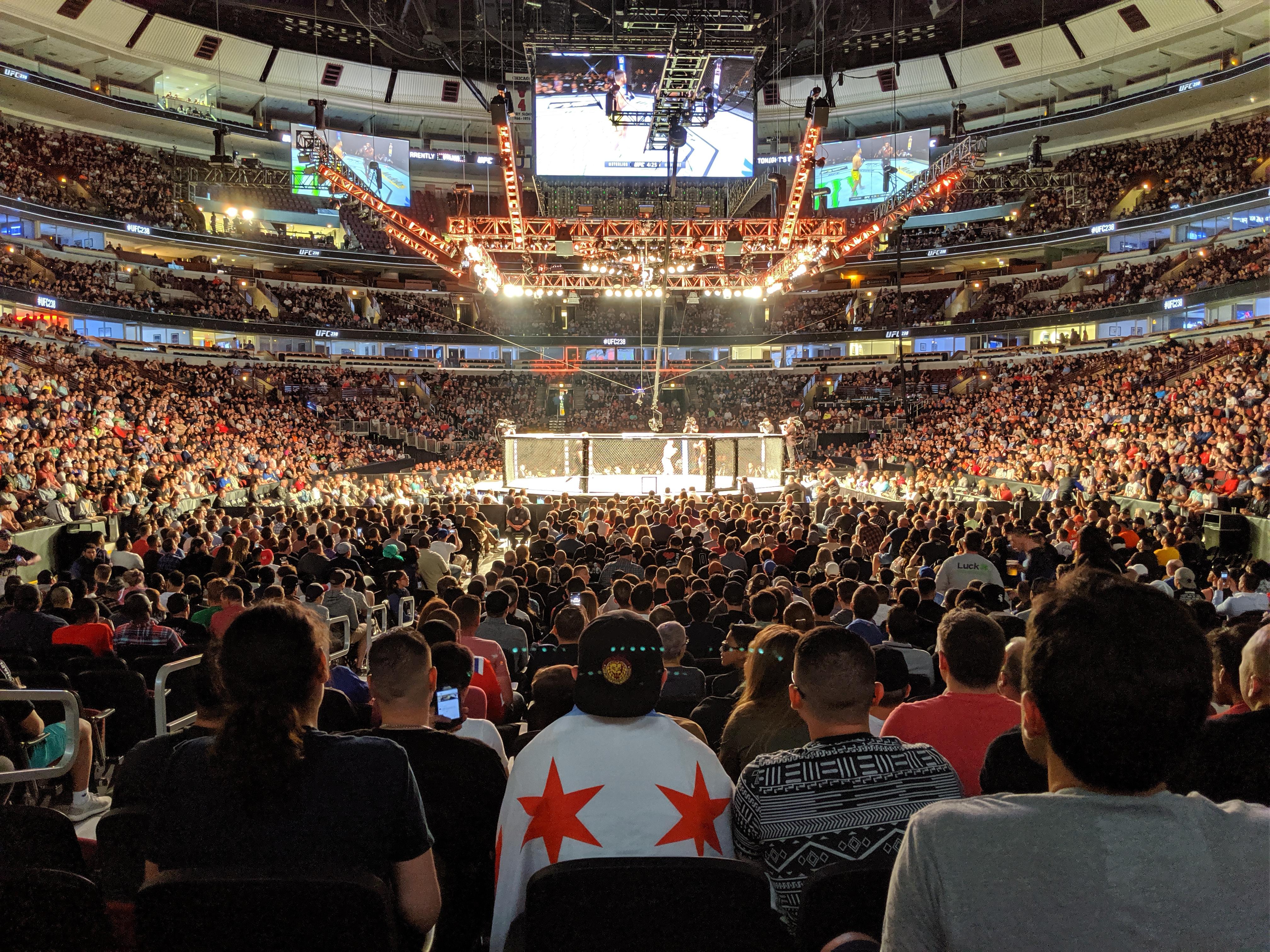
I get it. You watch a UFC fight with friends, it goes to a decision, and suddenly everyone in the room becomes a judge with a law degree. One person is scoring “vibes,” another is scoring who walked forward, and somebody is still mad about a takedown from Round 1 like it happened five minutes ago.
Here’s the good news: judging MMA is not magic. It’s a system. Once you learn what the rules actually reward, you can watch a fight with clearer eyes, build a clean round-by-round scorecard, and even explain a close decision without starting a group chat civil war.
Start with rounds
UFC fights are scored using the 10-point must system , adapted from boxing and defined for MMA under the Unified Rules:
- Each round is scored independently. Do not carry momentum from previous rounds.
- The winner of the round gets 10 points.
- The loser usually gets 9, sometimes 8, and in truly extreme cases 7 for overwhelming dominance.
So when someone says, “But Fighter A was winning the fight,” ask the real question: Which rounds did Fighter A win? Because that’s how decisions are made.
Criteria order
Under the Unified Rules of MMA (the framework used by athletic commissions that regulate UFC events), judges are instructed to score using these criteria in priority order:
- Effective Striking and Grappling
- Effective Aggression (only if No. 1 is equal)
- Fighting Area Control (only if No. 1 and No. 2 are equal)
If you remember one sentence for the rest of your MMA-watching life, make it this:
Effective offense beats control. Impact matters. Accumulation matters. And “walking forward” is not a scoring category unless it creates effective offense.
One more reality check that explains a lot of fan arguments: judges score what they can see cageside. The TV feed has perfect angles and replays. A judge has humans, motion, and a fence in the way. That does not excuse bad scorecards, but it does explain why “how could they miss that” is sometimes just perspective.
Step 1: Effective offense
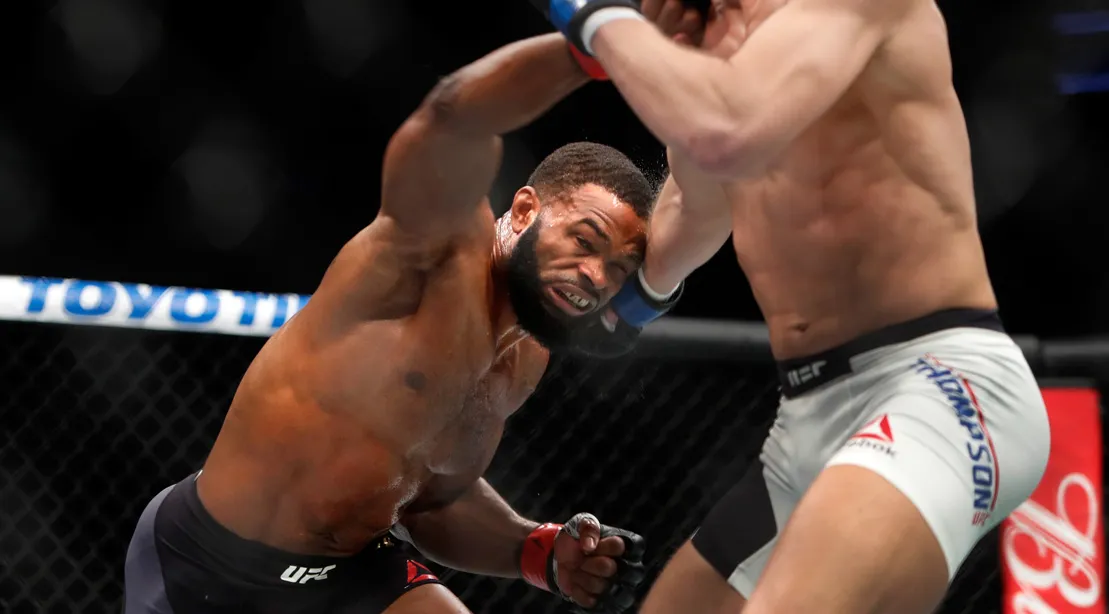
This is the primary scoreboard. This is where most fan scorecards go off the rails, especially in wrestling-heavy fights. Judges are not counting takedowns like points in a video game. They are weighing effective offense , which can be immediate impact or cumulative impact over the round.
What “effective” striking looks like
In plain language, effective striking is offense that lands with meaningful impact and changes the fight. Think:
- Clean, damaging shots that snap the head back, buckle legs, or force a defensive reaction
- Visible effect like wobbling, dropped hands, panic clinching, or a sudden retreat
- Shots that stack up and steadily drain a fighter’s balance, posture, movement, or output over the full five minutes
Also important: quality over quantity is real, but it is not a cheat code. A handful of clean power shots can outweigh a flurry of arm punches, but a single “big moment” does not automatically win a round if the other fighter clearly did more effective work across the other four minutes.
How to treat jabs and leg kicks
Not every effective strike looks dramatic. Jabs and leg kicks score when they create real effect, like:
- Repeated jabs that mark up the face, break rhythm, or force a high guard that opens other shots
- Leg kicks that visibly compromise stance, slow entries, cause limping, or make a fighter abandon combinations
- Body work that makes a fighter shell up, back off, or gasp and reset
What “effective” grappling looks like
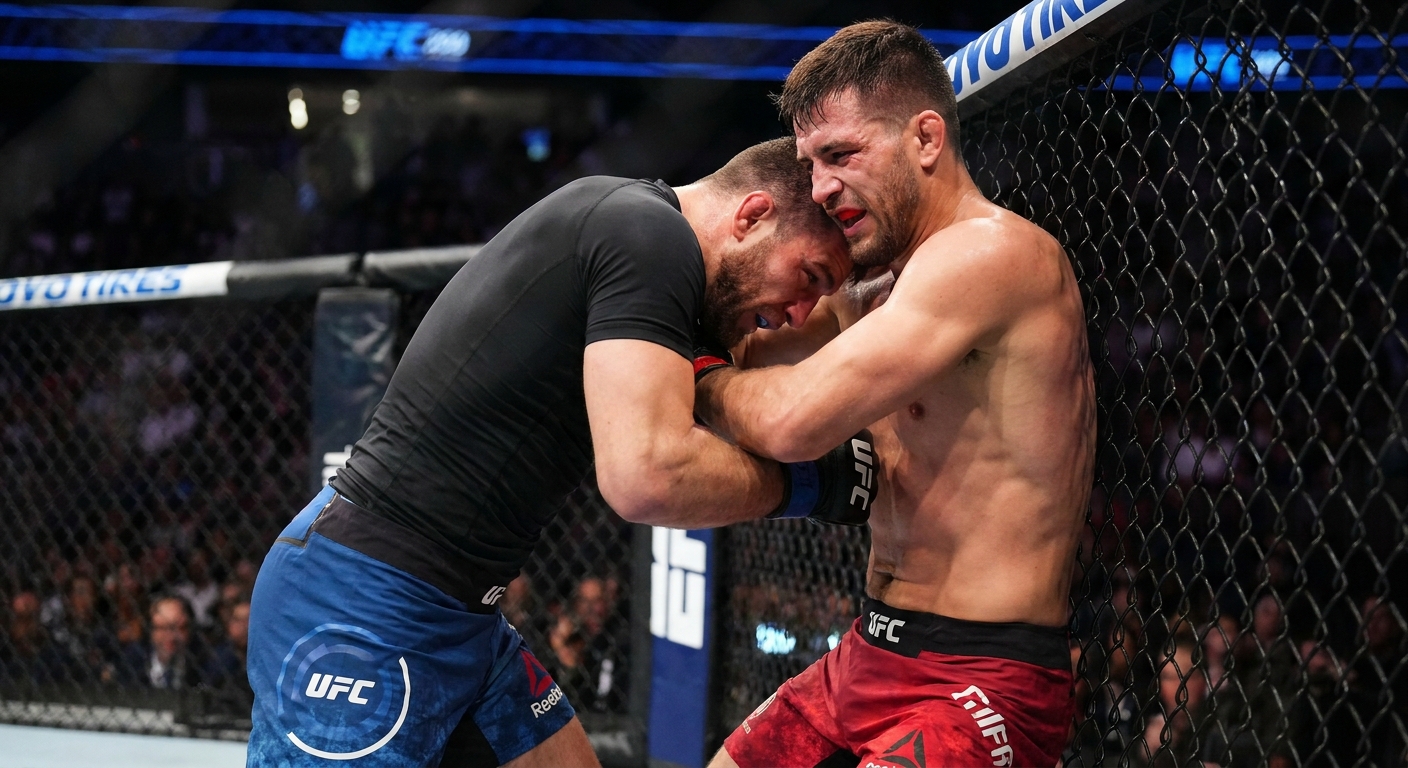
Effective grappling is not simply securing top position. It’s grappling that threatens to finish or causes meaningful damage, immediately or cumulatively. Examples:
- Submission attempts with real danger (chokes under the chin, extended armbars, tight triangles)
- Ground-and-pound that lands, opens cuts, or forces defensive shells
- Advancements that improve finishing potential (mount, back control with hooks, passing guard into dominant positions)
Here’s the key: a takedown that leads to nothing is often just a change of location. Control matters insofar as it produces effective offense. If the bottom fighter is immediately threatening submissions, landing elbows, or popping back up, that “control time” may not be winning the round.
Define “damage” correctly
Fans hear “damage” and think only knockdowns count. Judges are looking for impact that matters, including:
- Immediate damage (wobbles, knockdowns, hard shots that force survival mode)
- Cumulative damage (steady, clean offense that visibly degrades defense, movement, or output)
- Fight-altering effect (the opponent changes behavior because your offense is working)
So when you’re deciding a close round, ask:
- Who had the most impactful moments?
- Who forced the other fighter to change behavior?
- Who was closer to a finish?
- Who did more effective work across the whole round?
Step 2: Aggression
Aggression is not just coming forward with your chin up. It is actively pursuing the finish with effective offense.
Two common mistakes:
- “Pressure wins rounds.” Pressure only matters if it creates clean offense or forces errors.
- “He wanted it more.” Desire is not scored. Output and impact are.
If both fighters land similar effective offense and neither has a meaningful grappling edge, aggression can be the tiebreaker. The fighter initiating exchanges, pushing the pace, and taking more purposeful risks can get the nod.
Step 3: Control
Fighting area control is about who is dictating where the fight takes place and who is steering the terms of engagement.
But again, it is the third criterion. If Fighter A backs up but lands the cleaner shots while circling, control does not override that. The fence can be a trap for the person applying pressure if they are eating the better work.
Live scoring checklist
Here’s the in-the-moment method I use when I’m watching with friends and trying to keep my scorecard honest.
1) Big moments
- Any knockdowns?
- Any near-finishes or deep submissions?
- Any heavy damage that clearly altered the round?
2) The best exchanges
- Who landed the cleaner, harder shots?
- Who landed the most meaningful ground-and-pound?
- Who created the biggest reactions?
3) Zoom out
- Who did more effective work across the full five minutes?
- Was one big moment outweighed by steady, clean accumulation the other way?
4) Only then, tiebreakers
- If it’s dead even on effective offense: who was more aggressive?
- If it’s still even: who controlled where the fight happened?
5) Beat the post-horn bias
The last 20 seconds are loud. The crowd roars. Commentary gets excited. Your brain wants to crown a winner in real time. Do yourself a favor: commit to your score as soon as the horn sounds, then review mentally.
Spot a 10-8
Most rounds are 10-9. A 10-8 is for when one fighter wins the round by a large margin in effective striking and grappling. A near-finish is a common indicator, but it is not a requirement if the dominance and impact are clear.
Strong signs a round might be 10-8:
- Overwhelming effective offense with little to no meaningful return
- Multiple knockdowns or extended sequences where a finish feels imminent
- Extended control plus real offense like heavy ground-and-pound, deep submissions, or repeated positional advancements that matter
Control alone usually is not enough. If someone holds top position for four minutes but lands little and never threatens a finish, that is commonly a 10-9, not a 10-8.
And yes, 10-7 exists, but it is reserved for truly overwhelming dominance. If you are debating it like a philosophy major, it is probably not a 10-7.
Three scoring traps
Trap 1: Counting takedowns
A takedown is a tool, not a score. If it leads to damage, advances, or legit submission threats, it can swing a round. If it leads to a quick stand-up or stalled control, it might not.
Trap 2: Busy vs effective
Some fighters throw a lot of low-impact strikes to look active. Judges are instructed to reward effectiveness. A handful of clean, hard shots can outweigh a flurry of arm punches. And steady, accurate volume can outweigh a single flash if the rest of the round is clearly one-way.
Trap 3: Letting commentary score
Commentary can be great, but it’s not the official scorecard and it can miss subtleties. When in doubt, go back to the priorities: effective offense first.
Practice drill
Next time you watch, pick just Round 2 and score it in isolation. No notes from Round 1. No “overall” story. Just that five-minute slice.
After the round, write down:
- Who won the round: Fighter A or Fighter B
- Your score: 10-9 or 10-8
- The single biggest reason: “cleaner power shots,” “near-finish on the ground,” “more damaging top work,” etc.
That final bullet is where you learn fast. If you cannot explain your pick in one sentence, you’re probably scoring emotion instead of criteria.
Example: control vs damage
Let’s run a common scenario:
- Fighter A lands a takedown, holds top for 2:30, but lands mostly light punches and no major advances.
- Fighter B lands two clean counter right hands on the feet that clearly wobble Fighter A, then stuffs another takedown and lands knees in the clinch.
Fans often lean Fighter A because “top control.” Under the criteria, Fighter B can absolutely win that round because the most effective offense belonged to them. Control that does not create damage or real threats is not a trump card.
What about robberies?
Sometimes judging is inconsistent. Sometimes a close round goes the other way. But a lot of “robbery” talk comes from two things:
- People scoring the fight as a whole, not by rounds
- People overvaluing one metric, usually takedowns or forward pressure
If you score by rounds and prioritize effective offense, you will still disagree with decisions sometimes, but you will disagree for the right reasons.
Keep it honest
The best part about learning MMA scoring is that it makes the sport even more fun. You start seeing the little battles inside the big one: hand-fighting for underhooks, feints that set up power shots, guard retention that prevents real damage.
Also worth remembering: defense is not a separate scoring category anymore, but it matters indirectly. Making someone miss, stuffing takedowns, and escaping bad positions all reduce their effectiveness. That can quietly decide close rounds.
Next time a fight goes to the cards, you won’t be guessing. You’ll have a round-by-round story you can defend, even if your buddy in the next seat is still yelling about “octagon control.”