
Every season, I hear the same question from parents in the gym lobby or on the sideline: “He got his bell rung. Do I have to keep him awake tonight?” It is a fair fear. We grew up on the idea that sleep after a head injury is dangerous.
Here is the modern, practical answer: most people with a concussion can sleep, and sleep is often a helpful part of recovery. The key is making sure there are no red flags for a more serious brain injury and following the instructions you were given by a healthcare professional.
One more thing up front: any suspected concussion should mean immediate removal from play and an evaluation. Even “mild” symptoms deserve respect.
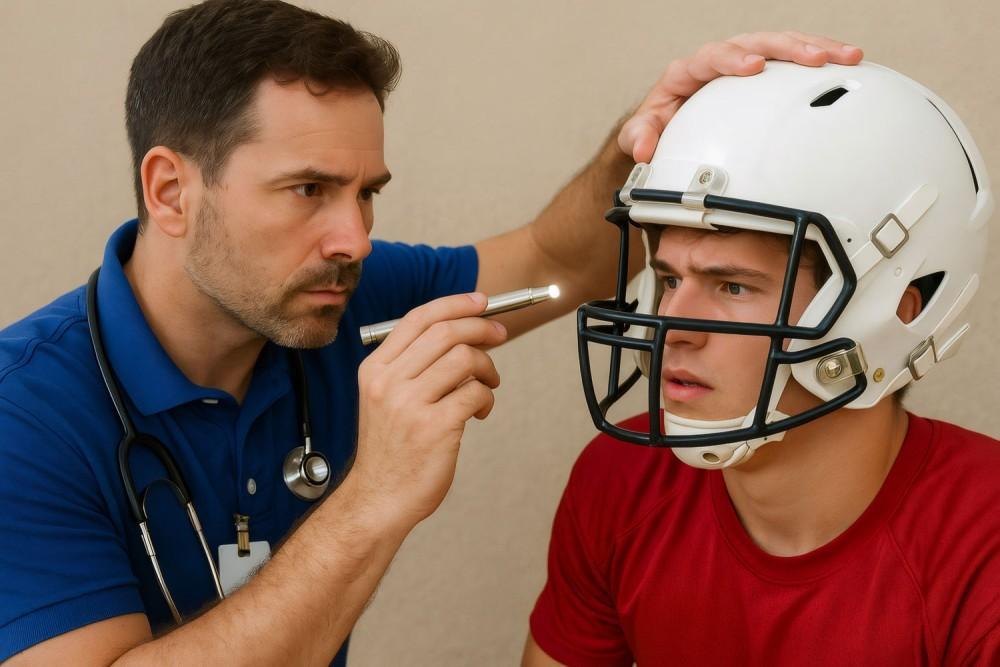
So, can you sleep after a concussion?
Yes, usually. If the athlete is awake, talking normally, symptoms are not getting worse quickly, and they do not have any emergency warning signs (listed below), sleep is generally considered safe.
What changed from the old advice is our understanding of concussions versus life-threatening brain bleeds. A concussion is primarily a functional injury, meaning the brain is not working quite right for a period of time and is typically not visible on standard CT or MRI. Bleeding or swelling is structural and can worsen quickly. Your job in the first few hours is to sort out which situation you might be dealing with.
If a clinician has evaluated the athlete and sent them home with monitoring instructions, sleeping is typically part of the plan, not something to fear.
Red flags that need emergency care
If you are on the fence, err on the side of caution. Get urgent medical help right away (call emergency services or go to the ER) if any of these show up after a head injury, whether the athlete plans to sleep or not:
- Any loss of consciousness or a fainting episode after the hit
- Worsening headache, especially severe or rapidly intensifying
- Repeated vomiting
- Seizure or convulsions
- Increasing confusion, agitation, unusual behavior, or inability to recognize people or places
- Slurred speech or trouble speaking
- Weakness, numbness, or coordination problems (stumbling, cannot use an arm normally)
- Unequal pupils (one pupil noticeably larger than the other)
- Severe drowsiness or cannot be awakened as instructed
- Neck pain with midline tenderness, or concern for neck injury
- Blood or clear fluid leaking from the nose or ears
- Significant worsening of symptoms over minutes to hours
Also be extra cautious and seek medical advice quickly if the athlete is very young, has a history of bleeding disorders, is on blood thinners, or the mechanism was high-force (car crash, big fall, violent collision).
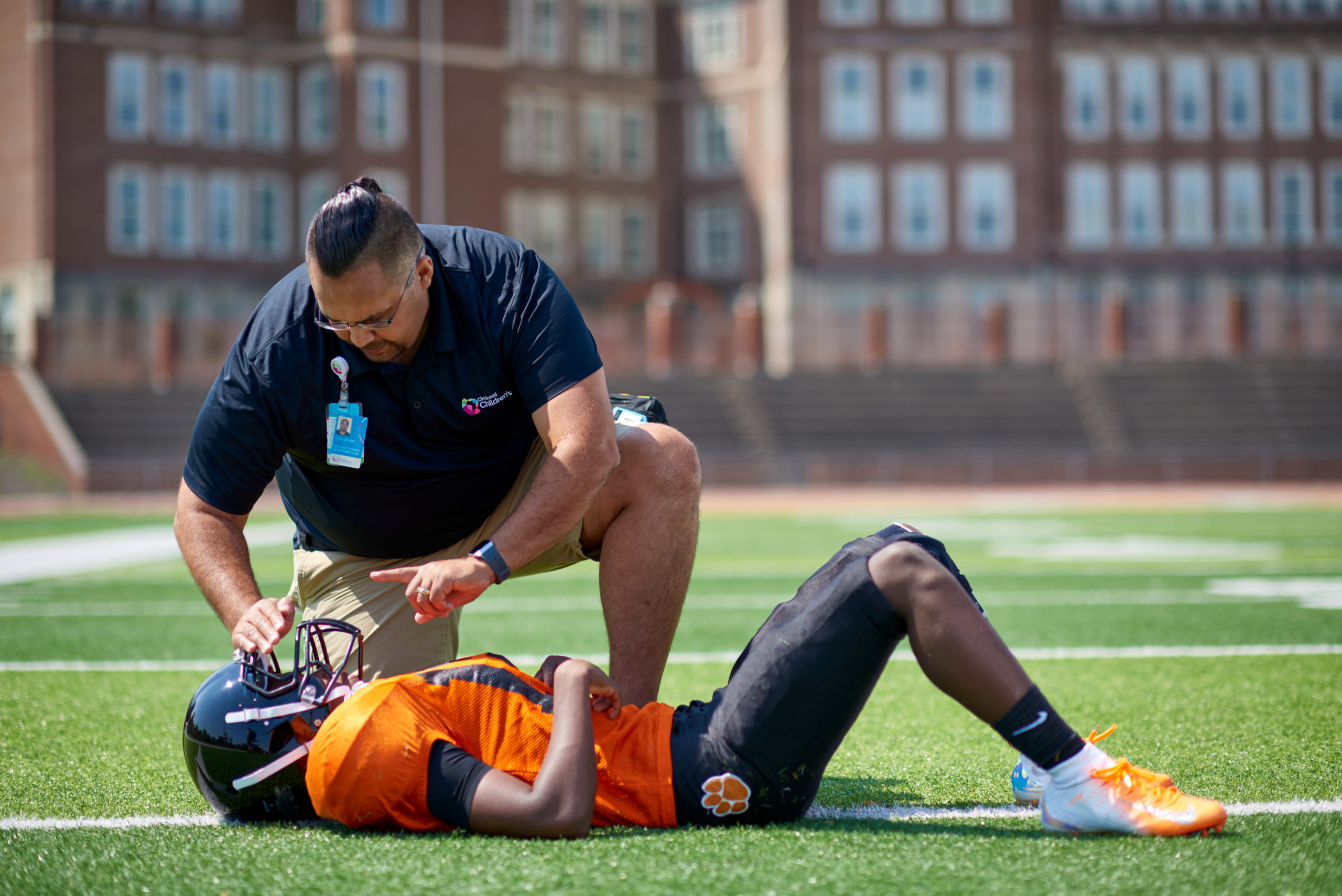
What families mean by “don’t let them sleep”
Most of the time, that old line is really trying to accomplish two things:
- Watch for deterioration in the first several hours after injury
- Make sure you can wake them and they are not slipping into an abnormal level of unconsciousness
You do not need to force someone to stay awake all night to do that. Monitoring can be done without turning the night into a battle.
How to handle the first night at home
Always follow the discharge instructions from your clinician or athletic trainer if you have them. If you do not, these are common, sensible steps many sports medicine teams use for home monitoring.
Before bed
- Keep it calm and low-stimulation. Dim lights, quiet house, no intense screen time or video games.
- Hydrate and eat lightly if nauseated. Avoid heavy, greasy meals.
- Avoid alcohol and recreational drugs. For teens, this matters more than people want to admit.
- Only use medication if advised. Ask your clinician which pain reliever is appropriate. Many prefer acetaminophen early on, especially in the first day.
Do you need to wake them up?
Sometimes a clinician will recommend waking checks, especially if symptoms were significant, the evaluation happened soon after injury, or the athlete has risk factors. If you were told to do checks, ask what they want you to assess. Typical instructions might include waking the athlete once or twice to ensure they can:
- Wake up and speak clearly
- Answer simple questions (name, where they are)
- Move arms and legs normally
If you were not instructed to wake them, it is often fine to let them sleep, as long as they are stable and you have already watched them for a period of time after the injury.
What “normal sleep” can look like after a concussion
Do not be surprised if their sleep feels off for a bit. Some athletes crash hard. Others have trouble falling asleep. Both can happen after concussion. What you do not want is a pattern of increasing difficulty waking or rapid worsening, like a headache that keeps building, repeated vomiting, or confusion that is getting worse.
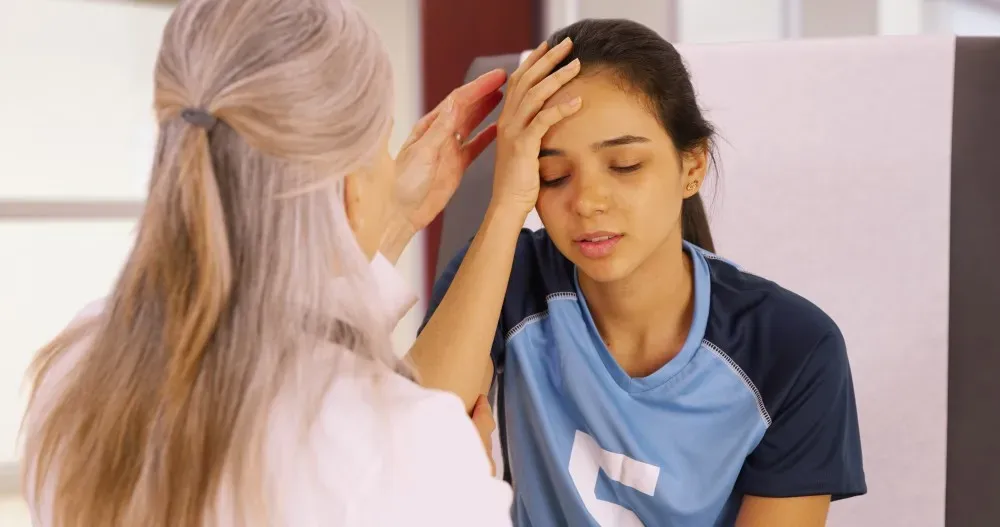
Why sleep helps recovery
As a former player, I am wired to think “tough it out.” Concussion recovery is one of the moments where toughness looks different. The brain needs time and good conditions to settle down.
Sleep supports recovery because it helps with:
- Brain energy restoration and healing processes
- Headache and pain tolerance
- Mood regulation (irritability and anxiety get worse when sleep gets worse)
- Memory and learning, which matters for return-to-school
In the first 24 to 48 hours, most current concussion guidance emphasizes relative rest, not strict dark-room rest for days. After that early window, light, symptom-limited activity often starts to help, as tolerated and directed. Sleep fits right into that picture: consistent, quality rest is your foundation.
What to do the next day
The morning after is when I see families either overreact or underreact. Aim for steady and structured.
Do this
- Check symptoms honestly. Headache, dizziness, sensitivity to light or noise, nausea, fogginess, irritability, sleep changes.
- Keep them out of sports. No practice, no weight room, no PE, no “just one drill.”
- Contact a healthcare professional experienced in concussion management for follow-up, especially if symptoms persist beyond a day or two, get worse, or interfere with school.
- Start return-to-learn supports if needed: reduced screen time, breaks, shorter assignments, postponed tests.
Avoid this
- Same-day return to play. That is a hard no in modern protocols. Returning too soon raises the risk of a second injury before the brain has recovered, and that can turn a manageable situation into a dangerous one.
- Pushing through symptoms because “it’s playoffs” or “scouts are coming.”
- Endless bed rest for many days without medical direction. Too much inactivity can sometimes prolong symptoms.
FAQ
How long should you monitor someone after a concussion?
The first several hours are the most important for watching symptom progression. If symptoms worsen or any red flags appear, seek urgent care. For many athletes, families keep a closer eye through the first night and check in frequently the next day.
What if they fall asleep immediately on the car ride home?
If they have been evaluated and you were told it is safe to go home, short sleep is usually fine. If they have not been evaluated, were hard to wake, are vomiting, or seem confused, do not chalk it up to being tired. Get medical care.
Is it normal to sleep more after a concussion?
Yes, increased fatigue is common. What is not normal is sleepiness that rapidly worsens or comes with red-flag symptoms like repeated vomiting, escalating confusion, or inability to wake.
Can melatonin help them sleep?
Sometimes clinicians use melatonin for post-concussion sleep disruption, but evidence is mixed and dosing and timing should be clinician-guided. Do not start supplements without checking with a pediatrician or concussion clinician, especially for younger athletes or if your child takes other medications.
When can my kid go back to football?
Not until they are symptom-free at rest, back to normal school functioning, and cleared through a stepwise return-to-play progression by a qualified professional. If your program has a concussion protocol, follow it to the letter. The point is protecting the athlete from returning too soon, not just getting through the next game.
The bottom line
Sleeping after a concussion is usually safe once serious warning signs have been ruled out and the athlete is stable. Your job is not to force an all-nighter. Your job is to monitor smart, watch for red flags, and prioritize real recovery.
When in doubt, treat it like you would any other high-stakes moment in sports: get the right personnel involved, follow the protocol, and do not gamble with a young athlete’s future.