
I have seen it a hundred times on the sideline. A player pops up after contact, shakes one arm like it fell asleep, and gives you that look that says, “Coach, I’m fine… I just don’t feel right.” A lot of people call it “getting your bell rung,” but when the symptoms are all in one arm, you might be looking at a stinger, also known as a burner.
What it feels like is pretty classic: a sudden burning or electric zap that shoots from the neck or shoulder down one arm, sometimes with tingling and weakness.
A stinger can look scary, and it can show up on the same hit that raises concussion concerns. The difference is that a stinger is usually a nerve injury, not a brain injury. It still deserves respect, especially because recurring stingers can be a sign that something bigger is going on in the neck.

What a stinger is
A stinger is a temporary injury to the nerves that run from the neck to the shoulder and arm, most often involving the brachial plexus (the network of nerves that powers sensation and strength in your arm).
In plain language: the nerve gets stretched or compressed during contact, and you feel a sudden burning or electric shock sensation that shoots down one arm. It often comes with tingling and brief weakness.
Why it happens in football
Football is basically a game of angles and leverage. A stinger often happens when the head and neck get forced to one side while the shoulder is pushed the other way, or when a player takes a direct hit to the area above the collarbone.
- Neck bend away from the affected side (traction stretch on the nerves)
- Shoulder pad or helmet contact that compresses nerves near the neck
- Awkward tackling posture, especially with the head down or “ducking” into contact
It is more common in positions that live in collisions: linebackers, defensive backs (DBs), running backs, and anyone who tackles a lot in tight spaces.
Common stinger symptoms
Most stingers are short. Seconds to a few minutes is typical, though some can linger longer.
- Burning pain or “zap” feeling from the neck or shoulder down the arm
- Tingling or pins and needles in the arm or fingers
- Numbness in part of the arm or hand
- Weakness in the shoulder, biceps, or grip strength
- Symptoms usually on one side only (one arm, not both)
A classic clue is the player instinctively shaking the arm and trying to “wake it back up.”
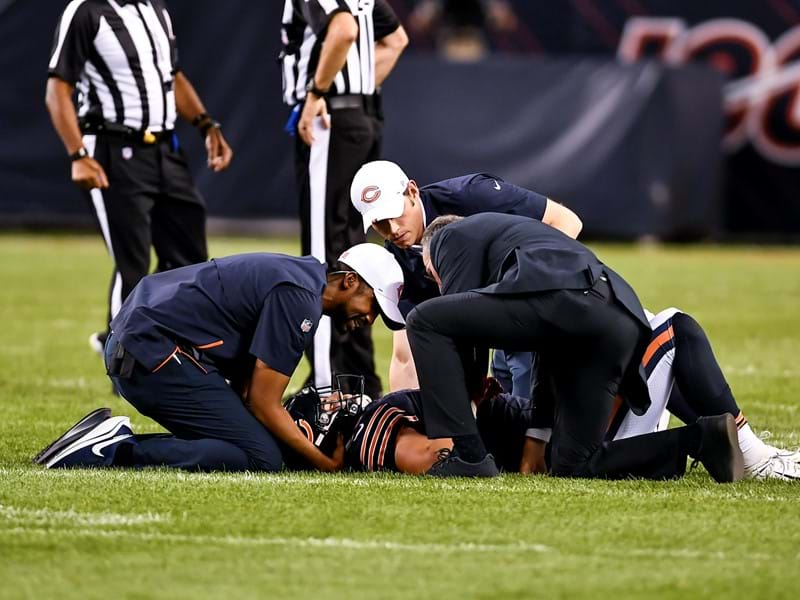
Stinger vs. concussion
This is the part I care about most as a former player and a youth coach, because stingers and concussions can come from the same collision, but they are not the same injury.
How a stinger usually shows up
- Symptoms are mainly arm and shoulder based
- Usually one arm
- Burning or electric pain, tingling, and weakness
- Often improves quickly, but weakness can linger
How a concussion usually shows up
- Symptoms are more brain-based and can affect the whole body
- Can include headache, dizziness, confusion, nausea, light sensitivity, balance problems, or feeling “foggy”
- May involve memory issues, slower reaction time, or just “not feeling right”
- Can happen even without a huge hit
Important: A player can have both a stinger and a concussion from the same play. If the hit or the athlete’s behavior raises any concussion concern, treat it like a suspected concussion and get the athlete evaluated, even if the arm symptoms are the loudest thing in the moment.
When it is a red flag
Some stingers are truly brief and self-limited. Others are a warning that the neck needs a closer look. In my experience, the mistake is treating repeated stingers like they are “just part of football.”
Get checked before returning if:
- Symptoms do not resolve quickly (within minutes), especially ongoing numbness or weakness
- Any weakness persists in the shoulder, arm, or hand grip
- Neck pain is significant or increasing
- Symptoms happen in both arms at any point
- Symptoms extend into the legs, balance is affected, or walking feels off
- There is midline neck tenderness (pain right on the spine)
- It is not the first time, especially if stingers keep happening in the same season
- Range of motion is limited in the neck or shoulder
Those situations call for a more formal evaluation. A clinician may check strength and sensation, assess neck stability and motion, and decide whether imaging is needed. Sometimes repeat stingers happen because of underlying neck anatomy issues that make the nerves easier to irritate. You do not need to diagnose the cause on the sideline, but you do need to take the pattern seriously.
When to call 911
If you see signs that suggest a more serious neck or spinal cord problem, do not try to tough it out or “walk it off.” Activate your emergency action plan and call 911 if the athlete has:
- Symptoms in both arms
- Any leg symptoms (weakness, numbness, tingling) or trouble walking
- Severe neck pain or midline spine tenderness
- Inability to move the neck or worsening neurologic symptoms
- Any concern for a cervical spine injury after a major collision
Can you play after one?
Sometimes, yes. But “sometimes” has conditions, and weakness is the deal breaker.
In general, an athlete should not return to play until:
- Burning, tingling, and numbness have completely resolved
- Full, pain-free neck range of motion is back
- Strength is normal in the shoulder, arm, and hand compared to the other side
- A qualified medical professional has determined there are no concerning neck findings (in many settings, that means an athletic trainer, team physician, or sports medicine clinician)
If you are a parent watching your kid try to talk their way back in, here is a simple line: If the arm is still weak or still tingling, they are not ready.
Also, if symptoms are not clearing, or if this is a repeat episode, I am not a fan of same-day returns. Get it evaluated and make the next decision with a clear head.
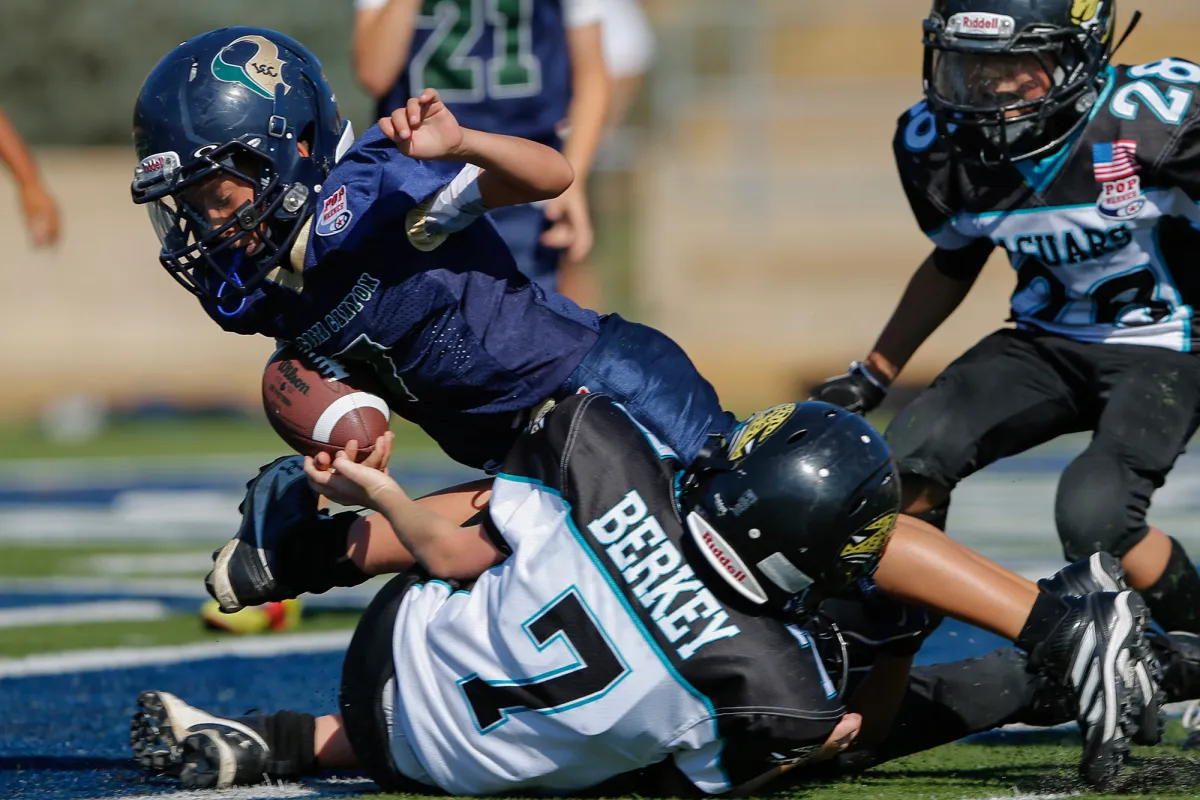
What to do right away
On the sideline, the goal is not to play doctor. The goal is to protect the athlete and communicate what you are seeing.
- Pull them from play immediately and keep them still if a neck injury is a concern
- Ask what they feel: burning, tingling, numbness, weakness, and where it travels
- Check one arm vs both arms, and ask about any leg symptoms
- Watch posture: guarding the neck, head tilt, reluctance to move
- Get medical evaluation if symptoms persist, recur, or include red flags
And yes, you can run two tracks at once. If the hit was big enough to raise a concussion concern, manage it as a possible concussion in addition to a possible stinger.
Do pads or collars help?
Protective gear can help, but nothing makes a player stinger-proof.
- Properly fitted shoulder pads can reduce direct impact to the shoulder and neck area.
- Neck rolls and collars may limit extreme neck motion for some players, but they can also change tackling posture if not used correctly.
- Technique is the real separator: keeping the head up, avoiding spearing, and tackling with the near shoulder and proper leverage reduces dangerous neck positions.
If a player is getting repeated stingers, equipment tweaks might be part of the plan, but they should not replace a medical evaluation and a real technique review.
FAQ
How long does a stinger last?
Many resolve in seconds to minutes. Some last hours or longer, especially if there is more nerve irritation. Persistent symptoms need evaluation.
Is a stinger serious?
Most resolve without lasting effects, but recurrent stingers or stingers with lasting weakness can signal a larger neck issue. Take repeat episodes seriously.
Can a stinger cause permanent damage?
It is uncommon, but repeated nerve trauma can lead to longer-lasting weakness or numbness. That is one reason repeat stingers should be evaluated, not brushed off.
Does ice help a stinger?
Ice may help with associated soreness around the shoulder, but it does not “fix” the nerve. The key is symptom resolution and a safe return decision.
What if I am not sure if it is a stinger or a concussion?
Do not guess. Remove the athlete from play and get an appropriate evaluation. A stinger can look obvious in the arm, but concussion symptoms can be subtle, delayed, or both.
The bottom line
A stinger is a nerve stretch or compression in the neck and shoulder area that causes a sudden burning pain, tingling, and sometimes weakness down one arm. It is different from a concussion, but it can happen on the same play. If symptoms do not resolve quickly, show up in both arms, include neck pain or weakness, involve the legs, or keep coming back, the athlete needs the neck evaluated before returning.
Football is tough. Smart is tougher. If you are dealing with a stinger, treat it like what it is: your body sending a warning signal, not an inconvenience to play through.