
Every year, I hear some version of the same question from players and parents: “If I commit on Signing Day, is that basically like entering the portal?” It’s a fair question because both moments live in the same emotional neighborhood. New logos. New gear. New opportunity.
But the mechanics are completely different. National Signing Day is built around prospects signing college paperwork during defined signing periods. The transfer portal is a notification system for athletes who are already enrolled in college and are exploring a move.
Quick definitions
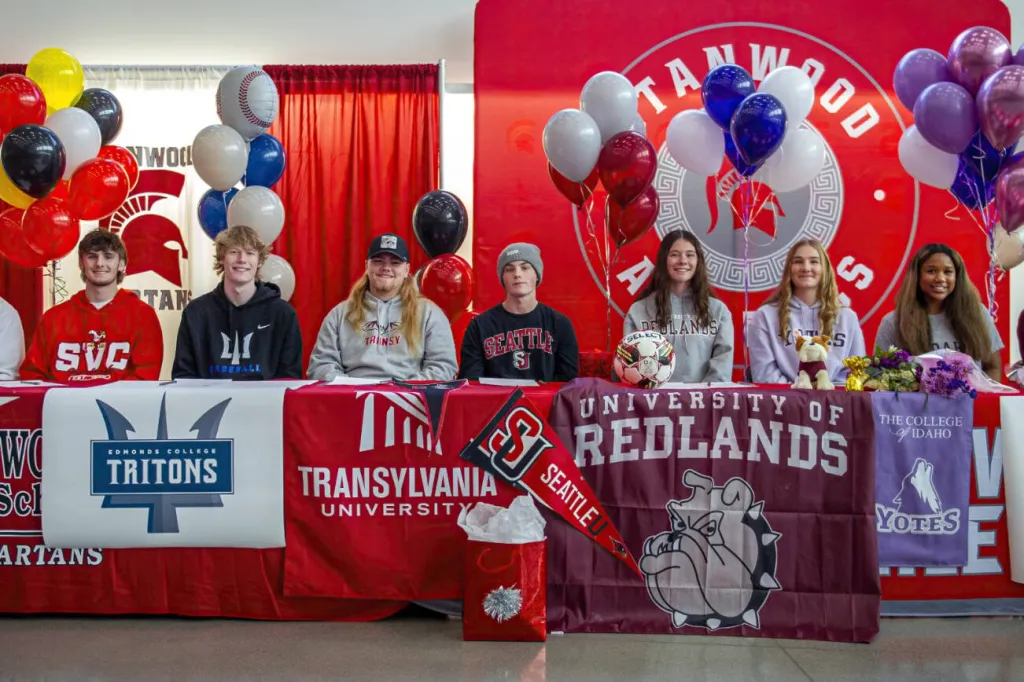
What National Signing Day is
National Signing Day is the public-facing name fans use for the periods when prospects can sign paperwork that formalizes their commitment to a college program. In many sports, that means signing a National Letter of Intent (NLI) if the school participates in the NLI program, along with other school or conference documents.
One important nuance: not every sport or school uses the NLI for every recruit. Some athletes sign an institutional financial aid agreement (or similar paperwork) instead.
What the transfer portal is
The transfer portal is an NCAA-managed database that allows current college athletes to make their intent to transfer known and be contacted by other schools, subject to recruiting rules. Practically speaking, an athlete requests to be entered, and their current school submits the entry within the required timeframe.
It is not a scholarship offer, not an acceptance, and not a binding agreement by itself.

Who each path is for
National Signing Day: for prospects
Signing periods are mainly for:
- High school seniors (and in some cases high school juniors who reclassify)
- Prep school athletes who are still prospects and not enrolled in an NCAA program
- Two-year college athletes moving to a four-year program (they are transfers, but they are typically signing recruiting and aid paperwork, not entering the NCAA transfer portal the way an enrolled four-year athlete does)
The key point is simple: this is about signing paperwork as a recruit, not about notifying your current NCAA team that you are leaving.
Transfer portal: for enrolled college athletes
The portal is for:
- College athletes currently on a roster
- College athletes who are enrolled and want other options
- College athletes whose coach leaves, whose role changes, or who simply want a better fit
In other words, you do not use the portal to go from high school to college. You use it to go from one college situation to another.
Calendar: signing periods vs. portal windows
Signing periods are set windows for recruits
In sports like football, Signing Day talk often centers on specific signing periods, including an early signing period and a regular signing period. Other sports have their own timelines. The common thread is that there are defined dates when signing documents can be executed.
That structure creates the classic Signing Day drama: commitments flipping, fax machines back in the day, the moment of putting pen to paper.
Portal windows are entry windows for enrolled athletes
In Division I and in many sports, the transfer portal uses sport-specific windows. Those windows help govern when an athlete can enter the portal without needing an exception. The practical effect is a rush of movement clustered around those dates, even though the portal itself is still just a system for declaring that you want to explore a transfer.
Documents: NLI vs. portal entry
What a prospect signs on Signing Day
For many NCAA sports, the major binding document is the National Letter of Intent (NLI), signed with a participating institution. In plain English: you agree to attend that school for one academic year, and the institution agrees to provide athletics financial aid for one academic year (typically two semesters or three quarters), as long as you are admitted and meet eligibility requirements.
Even when an NLI is not involved or not available for a given situation, prospects may still sign institutional aid agreements or other conference documents. But Signing Day usually means some form of signed agreement connected to enrollment and financial aid, not a guarantee of playing time.
What an athlete does when entering the portal
Entering the portal is not a contract. It is a formal notification that you want your name added to the database so other schools can contact you. It does not, by itself:
- Guarantee you a new scholarship
- Guarantee you a roster spot anywhere
- Bind you to any new school
The portal is a starting gun, not a finish line.
What actually binds you
Signing Day binding step: signing the NLI (when used)
If you sign an NLI, that is the step that typically carries the strongest binding weight on Signing Day. Backing out can trigger NLI consequences, including a year in residence and potentially a loss of a season of competition in sports where that penalty applies, unless you receive a release or qualify for an exception.
Important reality check: even with an NLI, you still have to be admitted, remain eligible, and ultimately show up and enroll. Signing is powerful, but it is not magic, and it is not a permanent guarantee of a role.
Portal binding step: enrolling at the new school (and aid paperwork)
Portal entry does not bind you. What binds a transfer in practice is when you:
- Commit and sign financial aid paperwork (if offered), and
- Enroll at the new institution and finalize eligibility steps
That is when your move becomes real in a way coaches and compliance offices can act on.

Common mix-ups to avoid
If you are in high school, here is what you should not confuse with “entering the portal”:
Commitment vs. portal entry
A verbal commitment is a statement of intent. It is not the portal, and it is not the same as signing. You can decommit. Coaches can change plans. Nothing is truly locked until the signed paperwork phase.
Recruiting vs. portal status
Posting film, building a profile, or getting messages from coaches is recruiting. The portal is a formal NCAA system used for enrolled college athletes.
Reopening recruitment vs. portal status
High school athletes sometimes say they are reopening recruitment. That is a recruiting decision, not a portal action. There is no portal button for a high school junior who wants more offers. You are just continuing the normal recruiting process.
Which option is better?
This is like asking whether a jump shot is better than a layup. It depends on where you are on the court.
National Signing Day fits you if:
- You are a high school prospect choosing your first college destination
- You want to formalize a commitment and, when offered, athletics aid
- You are ready to start the next chapter with clarity
The transfer portal fits you if:
- You are already enrolled in college and your situation has changed
- You need a better on-court role, coaching fit, academic fit, or geographic fit
- You understand the risk: the portal is crowded, and nothing is guaranteed
I have coached enough teenagers to know this part is tough: neither path is a shortcut. Both reward planning, honest self-scouting, and relationships you can trust.
FAQ
Can a high school athlete enter the transfer portal?
No. The transfer portal is for athletes who are enrolled at an NCAA school and are requesting to be entered into the database by their current institution.
If I sign on National Signing Day, can I still change my mind?
A verbal commitment can change. A signed NLI, when used, can carry penalties for leaving unless you are released or qualify for an exception. Details vary by situation, so the smartest move is to talk with your family, high school coach, and the college compliance office before making a decision.
Does entering the portal cancel my scholarship?
Not automatically. Portal entry is a notification step. That said, aid can be impacted by timing, team rules, and school or conference policies. Before you make any move, confirm your current scholarship status and renewal timeline with compliance or your financial aid office.
What is the single biggest thing to remember?
Signing Day is about signing an agreement to attend a school (often tied to aid). The portal is about notifying your school you want to explore leaving your current situation.