
Fenway has a particular kind of noise when a team stops asking for permission and starts taking games off people. Not “we’re playing well” noise. More like “good luck getting us out” noise.
That’s where the Boston Red Sox are right now: 14 straight wins as of July 20, 2026, a run that sits as the second-longest winning streak in the franchise’s 126-year history. One more win ties the club record: 15 straight by the 1946 Red Sox, the Ted Williams pennant team that still lives in Boston baseball lore.

Why this streak is bigger than “a hot week”
Baseball loves to humble you. A 14-game winning streak is proof that, for two full weeks, you have avoided the sport’s favorite trick: turning a routine Tuesday into a gut punch.
Historically, this run matters for two reasons:
- It’s rare in Boston history. You can go a lifetime as a Red Sox fan and not see a streak climb into the mid-teens. This is the franchise’s second-longest ever.
- It puts the 1946 record in play. The only Boston team to win more in a row was that 15-game streak in 1946, when 27-year-old Ted Williams hit .342 and the Sox captured the American League pennant.
What makes the current run feel different is not just the number. It’s the texture: the way Boston is winning games that used to slip away, and the way the dugout is acting like it expects the moment to bend toward it.
The under-the-hood story: late-game belief, not perfect baseball
Here’s the part casual box-score readers miss: streaks like this are not built solely on clean, crisp nine-inning dominance. They’re built on surviving the messy middle.
During this surge, Boston has repeatedly found itself in exactly the kinds of situations that test a team’s collective pulse:
- A starter exits and the bullpen has to cover stress innings.
- The offense goes quiet for a stretch and needs one swing to flip the script.
- A tight game drags into the seventh and eighth, when every pitch feels like it has a headline attached.
The Red Sox have been winning those chapters. Not always comfortably. But decisively, in the way that convinces a clubhouse it can keep doing it.
Two moments that define the streak’s personality
Wilson Contreras’ jolt: a tie game and a statement
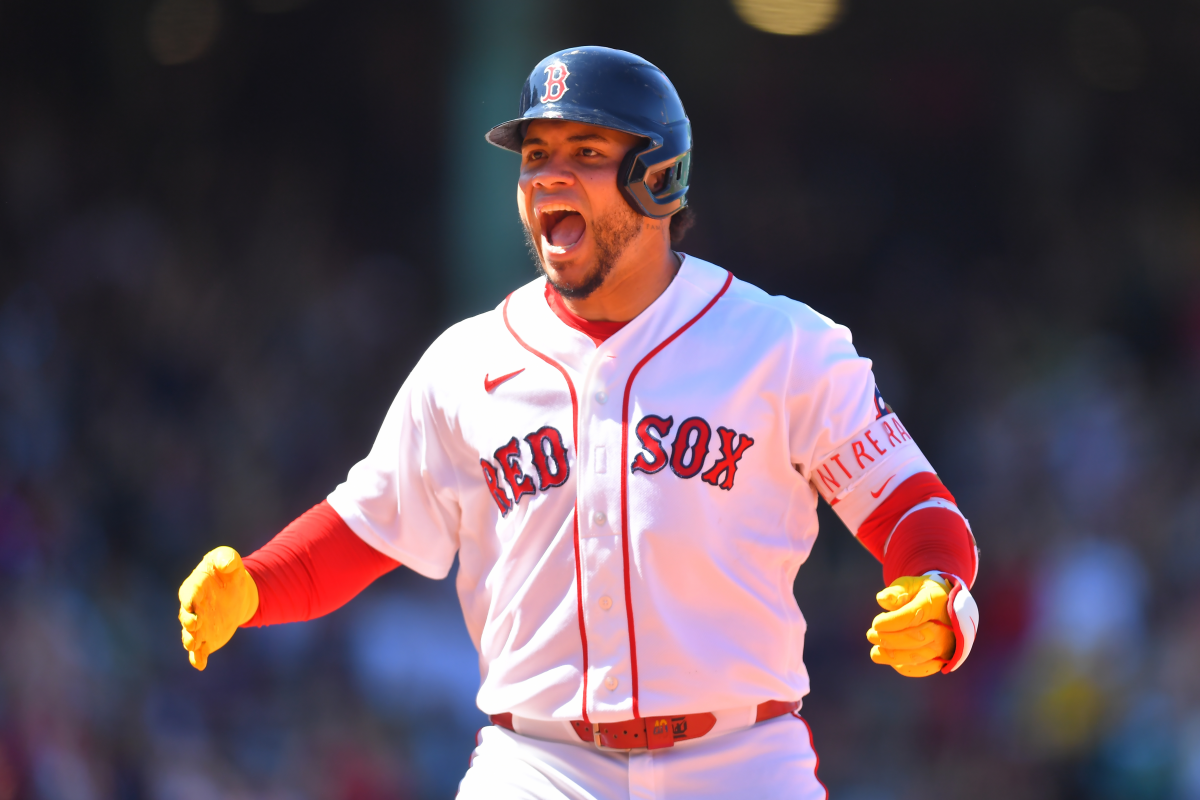
One of the loudest snapshots of this run came when Wilson Contreras tied a game, then turned toward the dugout with a message that quickly made the rounds: “THIS IS MY F**KING HOUSE”.
That line is not about volume for volume’s sake. It’s a sign of ownership. Teams on a real heater stop playing like guests in big moments. They start playing like they live there.
Caleb Durbin’s go-ahead homer: the dugout tells the truth
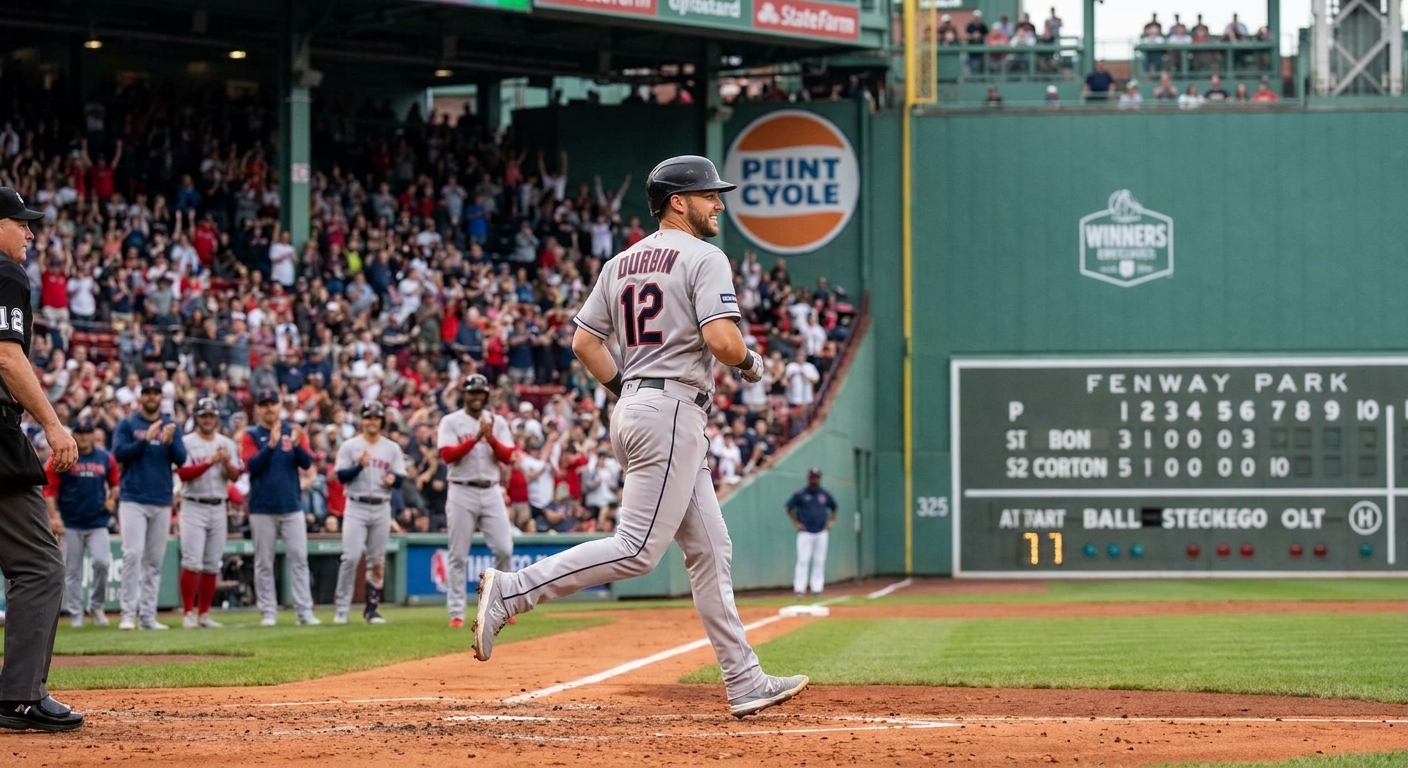
Then there’s Caleb Durbin, whose late go-ahead home run in the most recent win didn’t just change the score. It changed the body language. If you want to understand a streak, don’t start with the standings. Start with the dugout after a swing like that.
Great teams celebrate. Dangerous teams celebrate like they expected it all along. Boston’s reaction had that second flavor.
So how do teams get to 14 straight?
As a former player, I’ll tell you the least satisfying truth: there isn’t one magic lever. It’s usually a stack of smaller edges that start multiplying.
Streaks of this size typically share a few ingredients, and Boston is checking those boxes right now:
- Timely power. Not necessarily constant scoring, but the kind of swing that changes win probability in one pitch.
- Short memory. You can’t carry a bad at-bat into the next inning during a streak. The next pitch always matters more.
- Defined roles. When players know what their job is in close games, the game slows down.
- Energy that travels. It’s easy to get up for a weekend series. It’s harder to bring that same edge on the road or on a random Monday. Boston has brought it anyway.
Most importantly, the Red Sox are playing with the kind of looseness that comes from trust: trust that someone else will pick you up, and trust that you’ll get your chance to return the favor.
The 1946 shadow: why that comparison hits differently in Boston
Any franchise can say “this is the longest streak in decades.” Boston gets a more cinematic measuring stick: a 1946 team led by a prime Ted Williams, a season that ended with the American League pennant.
That’s why tying the record with a win over Baltimore would land with extra weight. You’re not just chasing a number. You’re brushing up against a specific chapter of Red Sox identity, when the lineup had a generational bat and the city expected October baseball.
And just to underline it: that 1946 streak has sat untouched for roughly 80 years. That’s not “rare.” That’s “family heirloom” rare.
What happens next: Baltimore and the pressure of being one away
Boston’s next game against Baltimore is where the streak story gets interesting. Not because the Red Sox suddenly forget how to play. Because everyone plays a little tighter when a historic number is right there.
For the Red Sox, the challenge is simple to say and hard to live:
- Don’t play the record. Play the inning.
- Win the strike zone. The quickest way to end a streak is to hand out free bases and chase pitcher’s pitches.
- Stay stubborn late. This team has made a habit of owning the final third of games. That is exactly when record pressure shows up.
If Boston gets to 15, the conversation changes from “how long can they keep this up?” to “what does this say about who they are?” That’s the real payoff.
FAQ
Is 14 the longest win streak in Red Sox history?
No. Fourteen is the second-longest in franchise history. The record is 15 straight, set by the 1946 Red Sox.
Who was the star of that 1946 team?
Ted Williams was the headliner. He was 27 that season and hit .342 as Boston won the AL pennant.
What’s been the signature of this current streak?
Late-game edge. From Wilson Contreras tying a game and barking, “THIS IS MY F**KING HOUSE”, to Caleb Durbin delivering a late go-ahead homer, Boston has been winning the moments that decide tight games.