
There are a few seconds in sports that feel like a whole season stuffed into a single breath. The clock shrinks. The crowd rises. Everyone in the building knows what is coming, and somehow, the best teams still get exactly what they want.
We call it “clutch” as if it is a personality trait. But many game-winners are less magic trick and more blueprint: a matchup hunted, a decoy deployed, a screen angled just right, and one athlete steady enough to do the simple thing while their heart is trying to sprint out of their chest.
Let’s pop the hood on the final play and look at what actually makes it work, using some of the cleanest, most iconic finishes in modern sports as our film room.
What a game-winner really is
A last play is not one action. It is a chain of decisions that starts before the inbound, before the snap, sometimes even before the timeout, depending on the sport. Great closers do two things at once:
- Create clarity for the star: simplify the read so the decision is fast.
- Create conflict for the defense: force help to choose between two bad options.
In basketball, that conflict might be a screen that demands a switch. In football, it might be a route concept that stresses one defender with two threats. In baseball, it might be a hitter sitting on one pitch because the count and scouting report scream it is coming.
“Clutch” lives in those little edges. The best late-game moments are built to manufacture an advantage even when the defense knows the general idea.
The five building blocks
1) The trigger: time, score, and what you refuse to allow
Every end-of-game situation starts with constraints. Down 2 with 8 seconds left is a different universe than down 3 with 2.2. Coaches and players have to decide what matters most:
- Do you need a shot or a great shot?
- Can you use the middle of the field or must you work sidelines?
- Is overtime acceptable?
- Are you protecting against a turnover or hunting maximum value?
The best teams pre-decide these answers so nobody freezes in the moment.
2) Spacing and geometry: the play is drawn in angles
Late-game execution is geometry under stress. In basketball, spacing determines whether help can stunt and recover. In football, splits and motion determine leverage. The point is to make defenders travel farther than the clock allows.
One underrated detail: a “game-winning play” often succeeds because of a player who never touches the ball. A decoy cut, a hard sprint to the corner, a receiver clearing out the sideline. That is the invisible part of the geometry.
3) The matchup hunt: your best shot is often a switch
Defenses tighten up late. They know your star wants the ball. So the offense hunts a matchup that changes the terms of the fight:
- A big forced to defend in space.
- A smaller defender dragged into the post or onto a screen.
- A cornerback isolated without help because motion pulled the safety.
This is why late possessions often start with something that looks boring: a walk-up, a reset, a little patience. It is not hesitation. It is targeting.
4) The counter: what happens when the defense guesses right
At the pro level, your first option might be dead on arrival. Great late-game designs have a built-in escape hatch: a slip, a flare, a backside dig, a “hot” outlet, a second screen.
Clutch does not always mean making the hardest shot. Sometimes it means taking the defense’s best punch and calmly moving to option two.
5) Poise and mechanics: the part you cannot draw up
Even the perfect play can fail if the ball handler panics, the passer rushes, or the shooter’s feet get sloppy. End-of-game reps matter because pressure changes mechanics:
- Passes sail because shoulders open early.
- Shots drift because balance shifts toward the sideline.
- Quarterbacks miss high because their base narrows.
The most reliable closers look almost calm because they lean on repeatable fundamentals.
Case studies
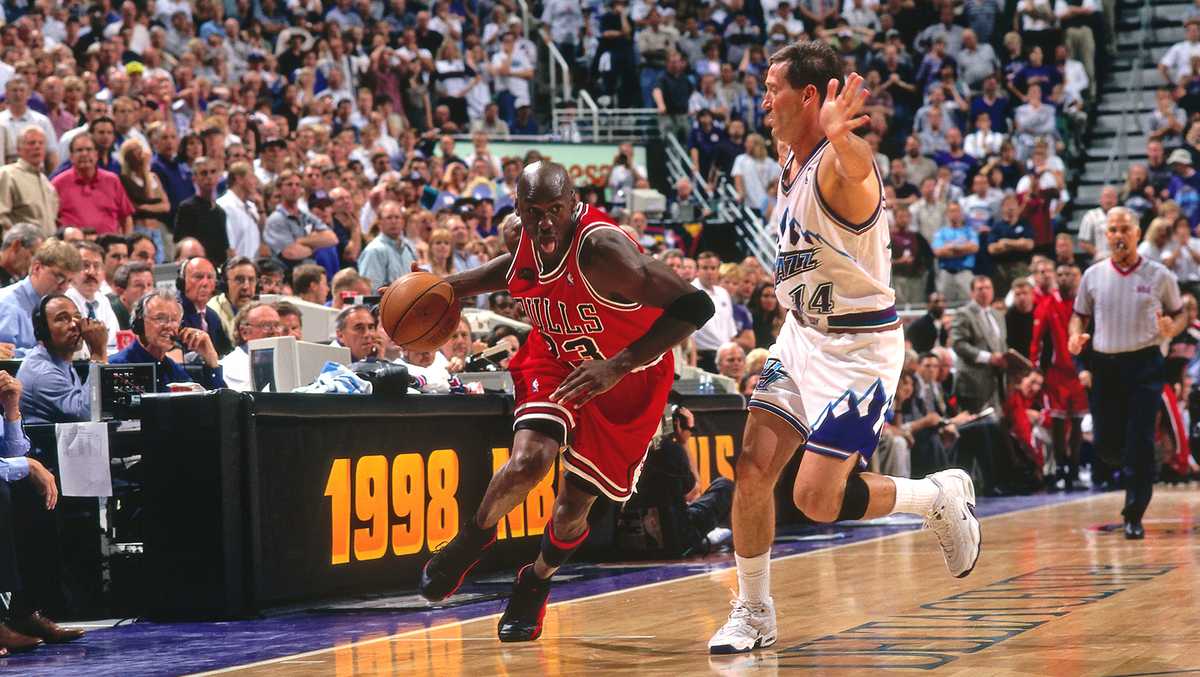
Michael Jordan, 1998 Finals Game 6: the steal and the last two dribbles
Everybody remembers the shot. The full sequence matters, because it starts with defense.
- Possession change: Jordan strips Karl Malone in the post, turning a Utah touch into Chicago’s last chance.
- Clock awareness: he brings it up with patience, letting the moment slow down instead of rushing into a crowd.
- Creation of space: a hard right-hand drive forces the defender to open up, then Jordan snaps into the pull-up from his bread-and-butter midrange.
The takeaway: elite closers do not always search for “more.” They search for clean. Clean footwork, clean airspace, clean balance.
Ray Allen, 2013 Finals Game 6: a tying three built on spacing
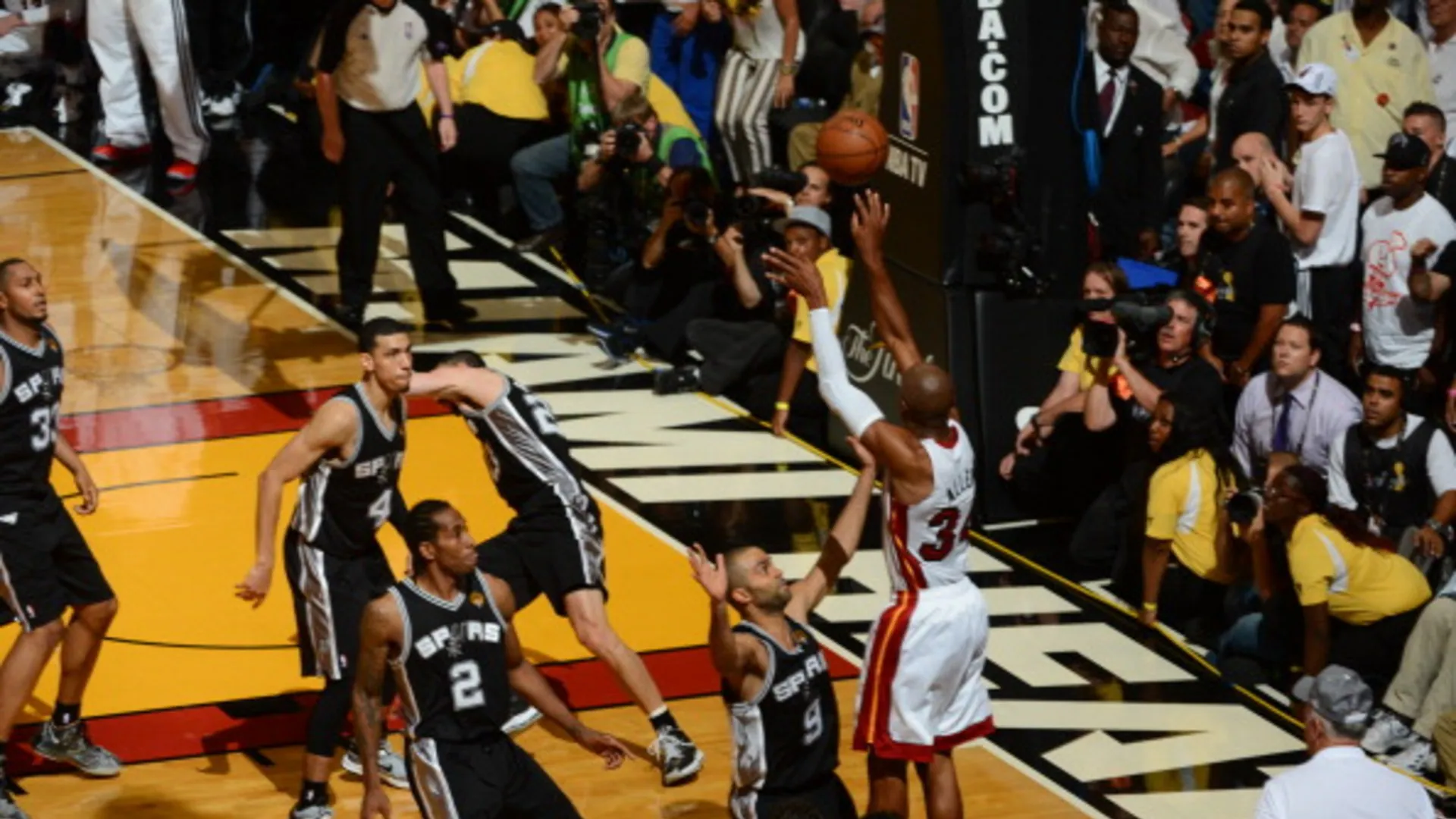
People talk about the shot, and rightly so. It is worth being precise: it was a corner three to tie, with only a few seconds left, not a walk-off. That is what makes the details feel like survival.
- Relocation: Allen slides to the right corner while the floor tilts toward the rim and the rebound scrum.
- Line discipline: he catches, then takes the quick step back to make sure his feet are behind the arc.
- Shot economy: no extra dip, no bailout fade. Catch, gather, rise.
The takeaway: late-game basketball is often about players who move without the ball like their season depends on it. Because it does.
Damian Lillard, 2019 playoffs vs OKC: clear-out and a cold read
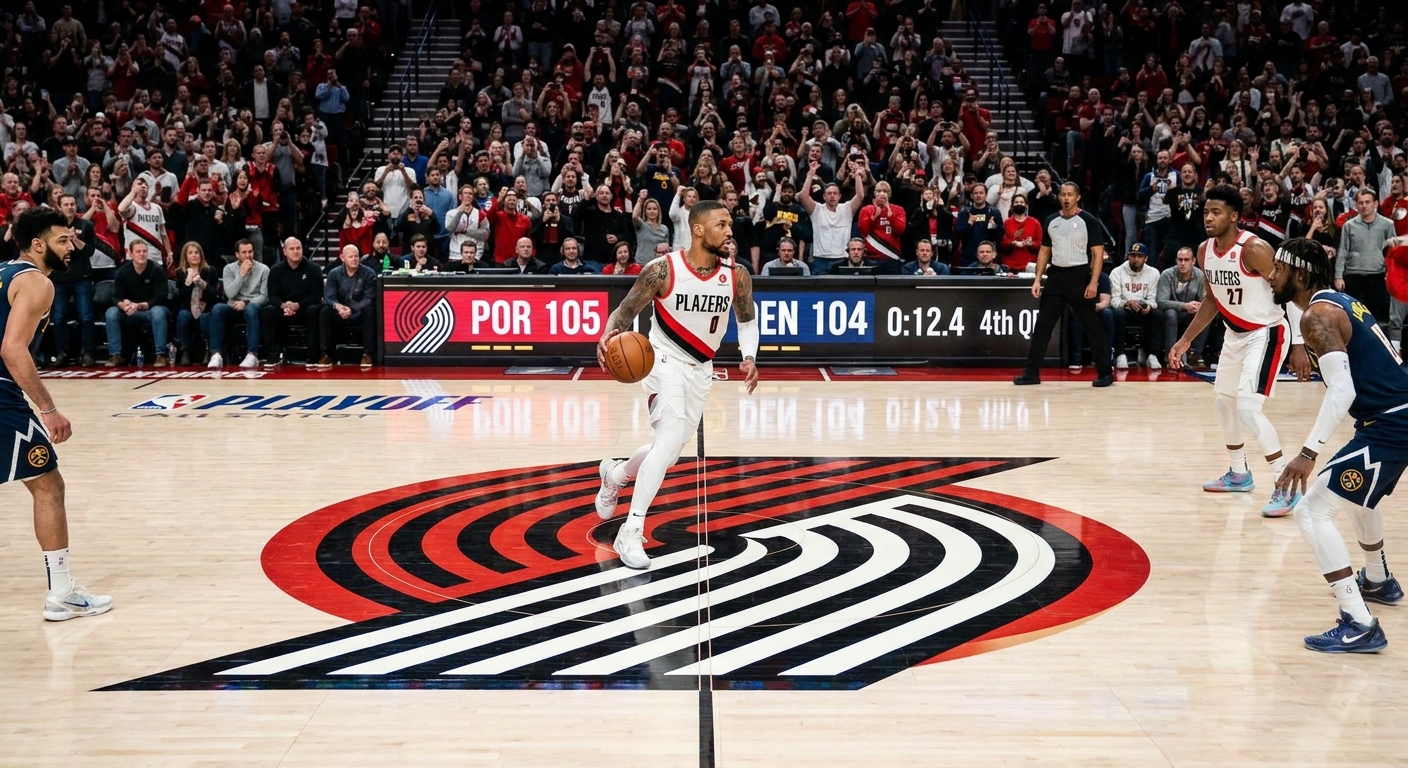
Sometimes the “tactical” part is knowing your own superpower and building the possession around it.
- Matchup clarity: OKC puts Paul George on the ball, and Portland empties the side so the help is late or nonexistent.
- Clock and comfort: Lillard uses the time to get the exact rhythm dribble he wants, then rises from deep because that is his range, not a prayer.
- Defensive dilemma: step up and you risk the blow-by, sit back and you concede a shot he practices.
The takeaway: the final play can be a set, or it can be a statement. Either way, it is still about creating a shot you can live with before the defense can change its mind.
Malcolm Butler, Super Bowl XLIX: leverage at the goal line
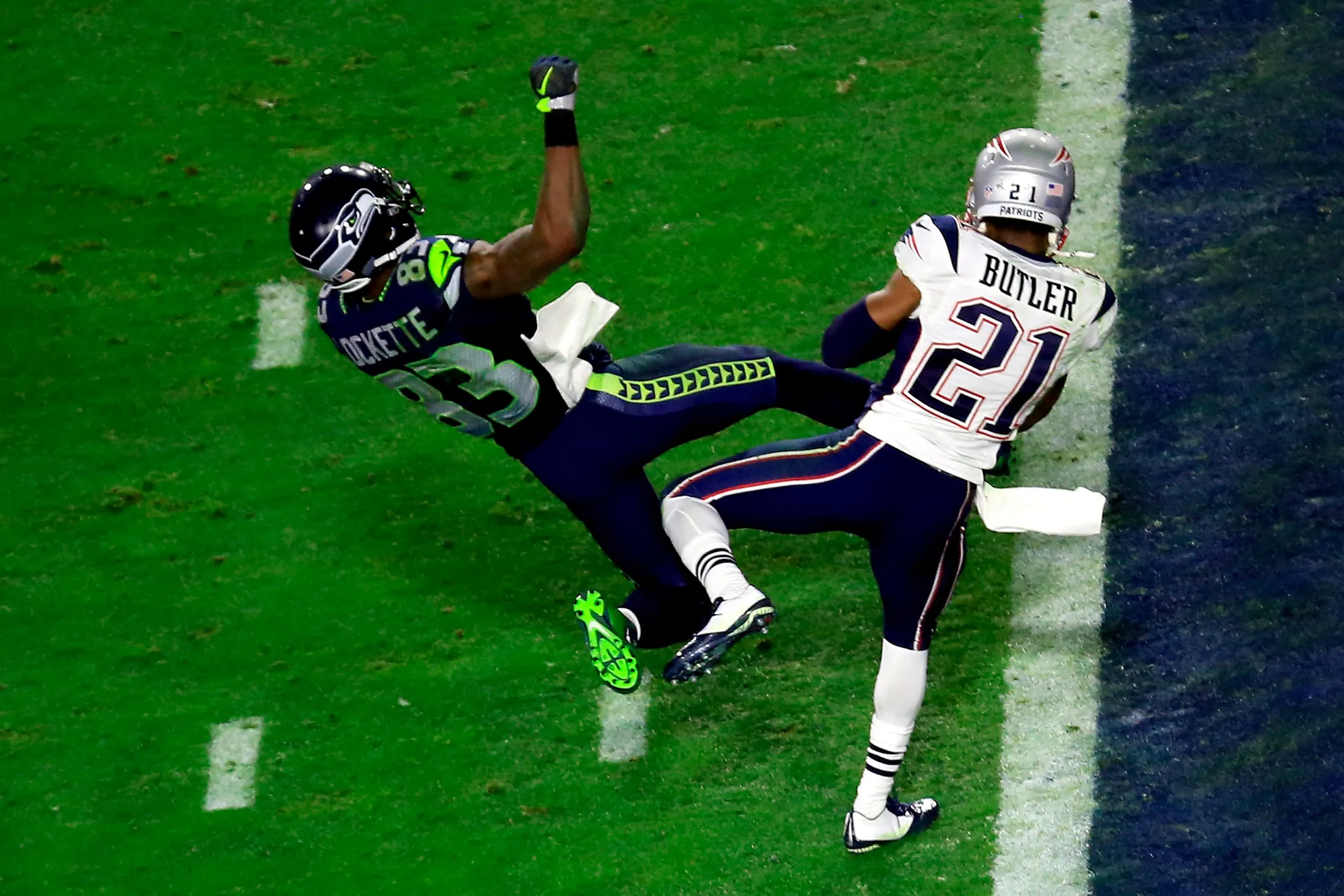
Game-winners are not always scored. Sometimes they are stolen.
- Situation recognition: late in the fourth, on the goal line, New England is expecting something fast.
- Concept trigger: Seattle aligns in a tight look that invites a quick, bang-bang throw, and the route breaks inside like a slant designed to win immediately.
- Lane over man: Butler attacks the throwing lane, not the receiver’s body, because the lane is the ball’s highway.
The takeaway: the best late-game defenses do not just react. They anticipate, and they drive on what they studied all week.
Tom Brady, Super Bowl LI (2017): the comeback as a sequence
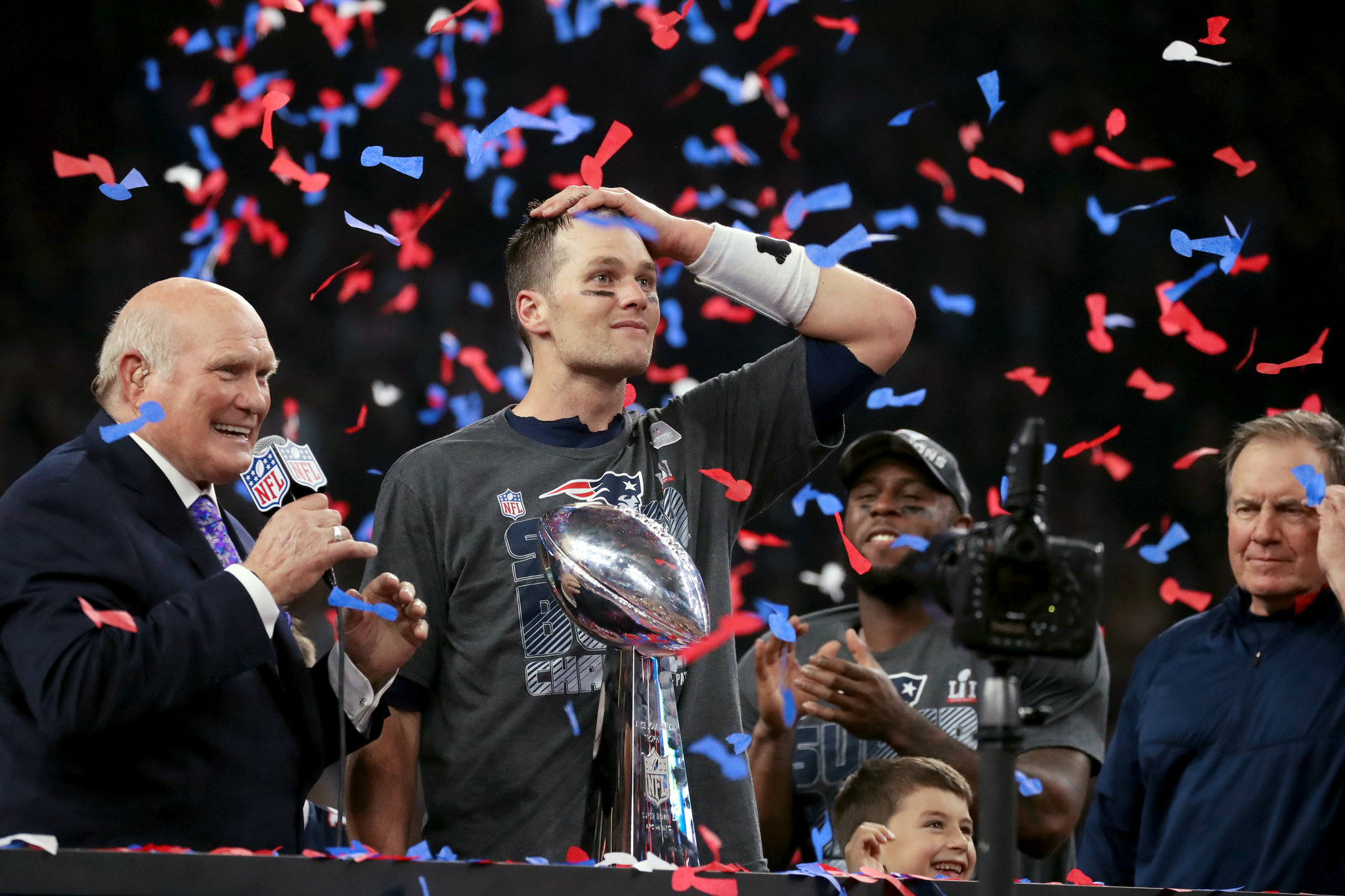
A walk-off moment gets the headlines. But some of the greatest “game-winning plays” are actually game-winning sequences. New England’s rally against Atlanta is the cleanest example of controlled urgency.
- Rhythm throws: quick completions and checkdowns keep the chains moving and keep the pass rush from dictating terms.
- Clock management: tempo, sideline awareness, and when to stop the clock all become part of the playbook.
- Decision discipline: take what is there, over and over, until the defense finally breaks its own rules.
The takeaway: in football, clutch often looks like patience wearing a defense down one efficient snap at a time.
Kirk Gibson, 1988 World Series Game 1: one pitch, one swing
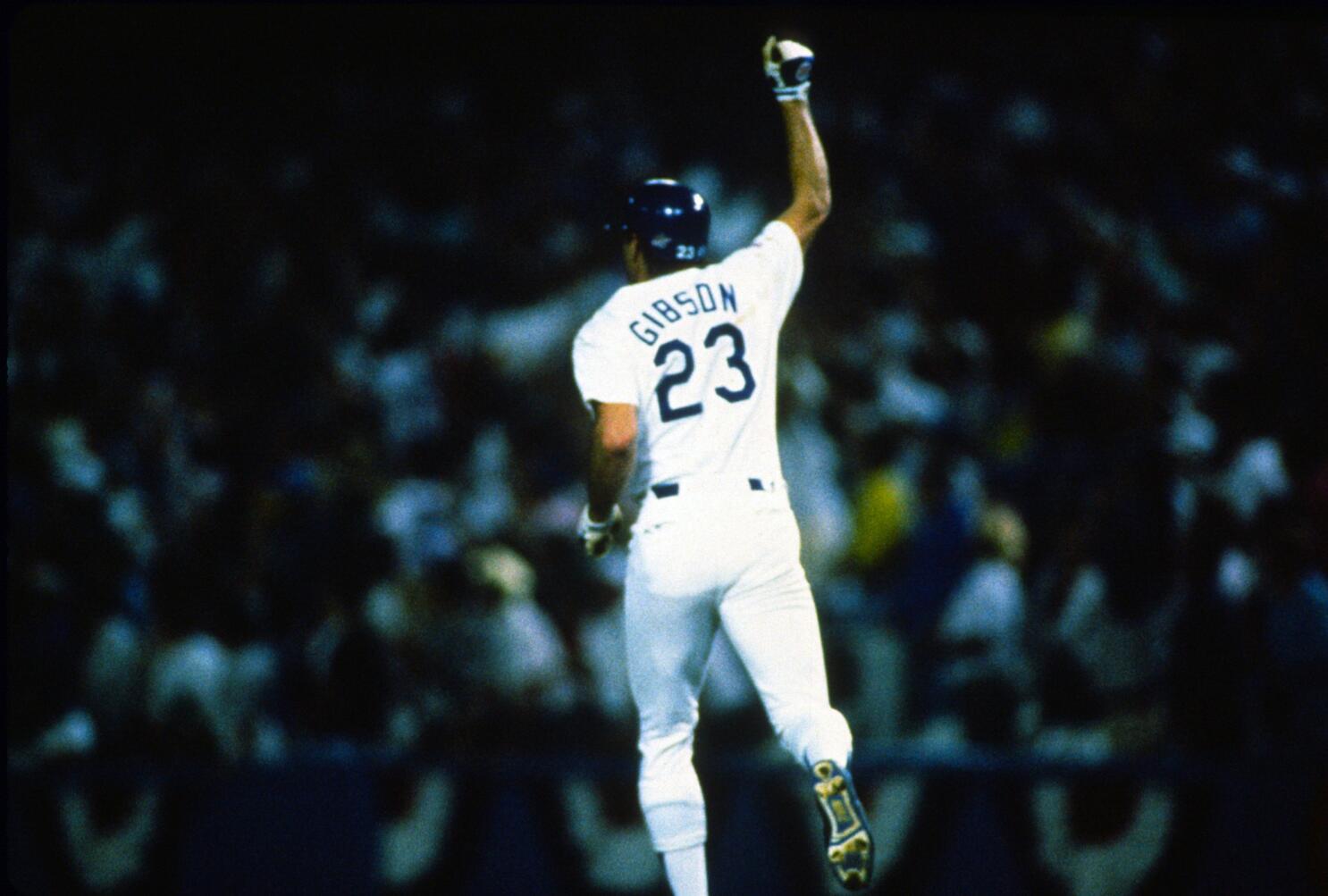
If you want the baseball version of “everyone knows what is coming,” start here. A hitter can only cover so much, so late-game offense becomes a plan for one pitch in one spot.
- Count leverage: the at-bat narrows the menu, and the hitter can hunt one mistake instead of guarding everything.
- Pitch anticipation: with two strikes and the game on the line, the battle is pattern recognition as much as bat speed.
- Controlled aggression: the swing is not frantic. It is committed, because indecision in baseball is an automatic out.
The takeaway: in baseball, the “final play” is often a final choice. Sit on the pitch you can drive, and live with the result.
It starts before the last play
Here is the truth players know and fans sometimes forget: the last shot is usually earned by everything that came before it.
- Conditioning keeps your legs under you when the shot is heavy.
- Communication prevents the busted coverage that wastes the possession.
- Role clarity makes the decoy sprint as hard as the star dribbles.
- Reps turn chaos into routine.
When I coach kids, the “clutch” lesson is always the same: do not practice the highlight. Practice the footwork, the pass, the box out, the screen angle. The highlight is just what it looks like when preparation meets a deadline.
Quick checklist
The next time you feel your pulse jump in the final minute, watch for these tells:
- Where is the space? Corners, empty side, short corner, middle of the field.
- Who is the decoy? The best teams weaponize attention.
- Is the offense hunting a switch? If so, how is the defense resisting it?
- What is the counter? Slip, flare, quick hitter, backside option.
- What does the star do with their feet? Balance and timing decide everything.
Clutch moments are unforgettable because they are human. But they are also incredibly technical. The beauty is that both can be true at once.
The unscripted part
Even with the perfect diagram, the final seconds still demand courage. Someone has to take the shot. Someone has to throw the pass into a tight window. Someone has to step in front of a route and risk being the villain.
That is why we keep coming back. Because in a world where so much is planned, a game-winning play is the rare moment where preparation meets pressure and we get to see what a person does when there is nowhere left to hide.
If you have a favorite game-winner you want us to break down next, send it our way. Film room is always open at The Sport Quill.