
There are athletes who live in a spotlight, and then there is Tiger Woods, who has spent most of his adult life under something closer to stadium lights. That’s why a court appearance in Florida on September 2, 2026 turned into instant national noise : Woods finalized a plea deal stemming from a March rollover crash on Jupiter Island that led to a DUI-related case.
This is not a “what happened in court” recap. It’s the real-world breakdown of what Woods admitted to, what he avoided, why the headline number is five years without a driver’s license, and what the outcome signals for a sports icon whose legacy has always had two scorecards: the one on Sunday, and the one the public keeps in its back pocket.
What the plea deal actually resolved
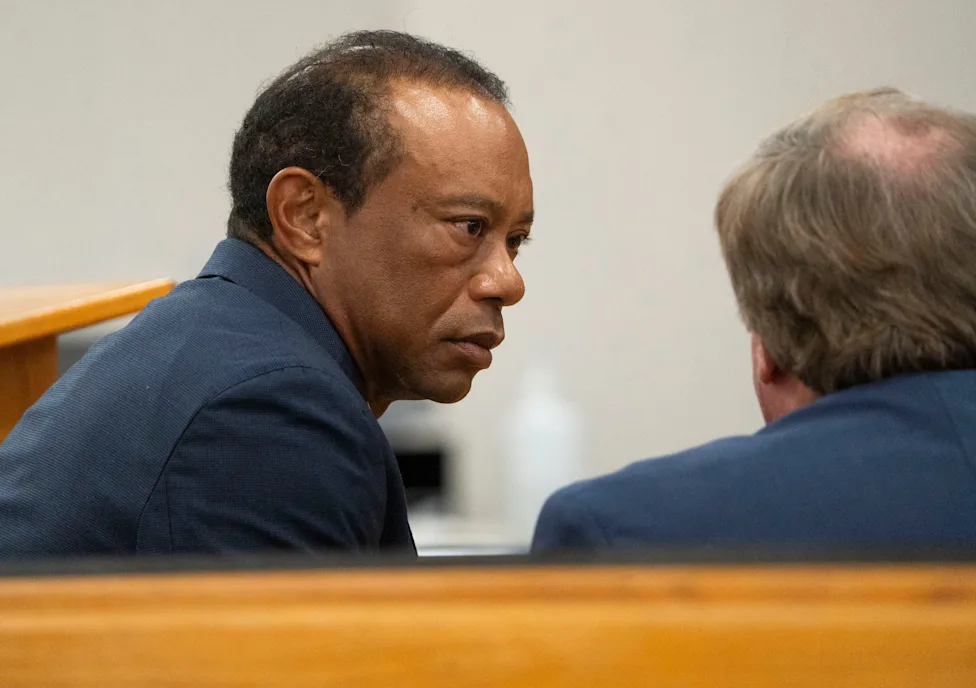
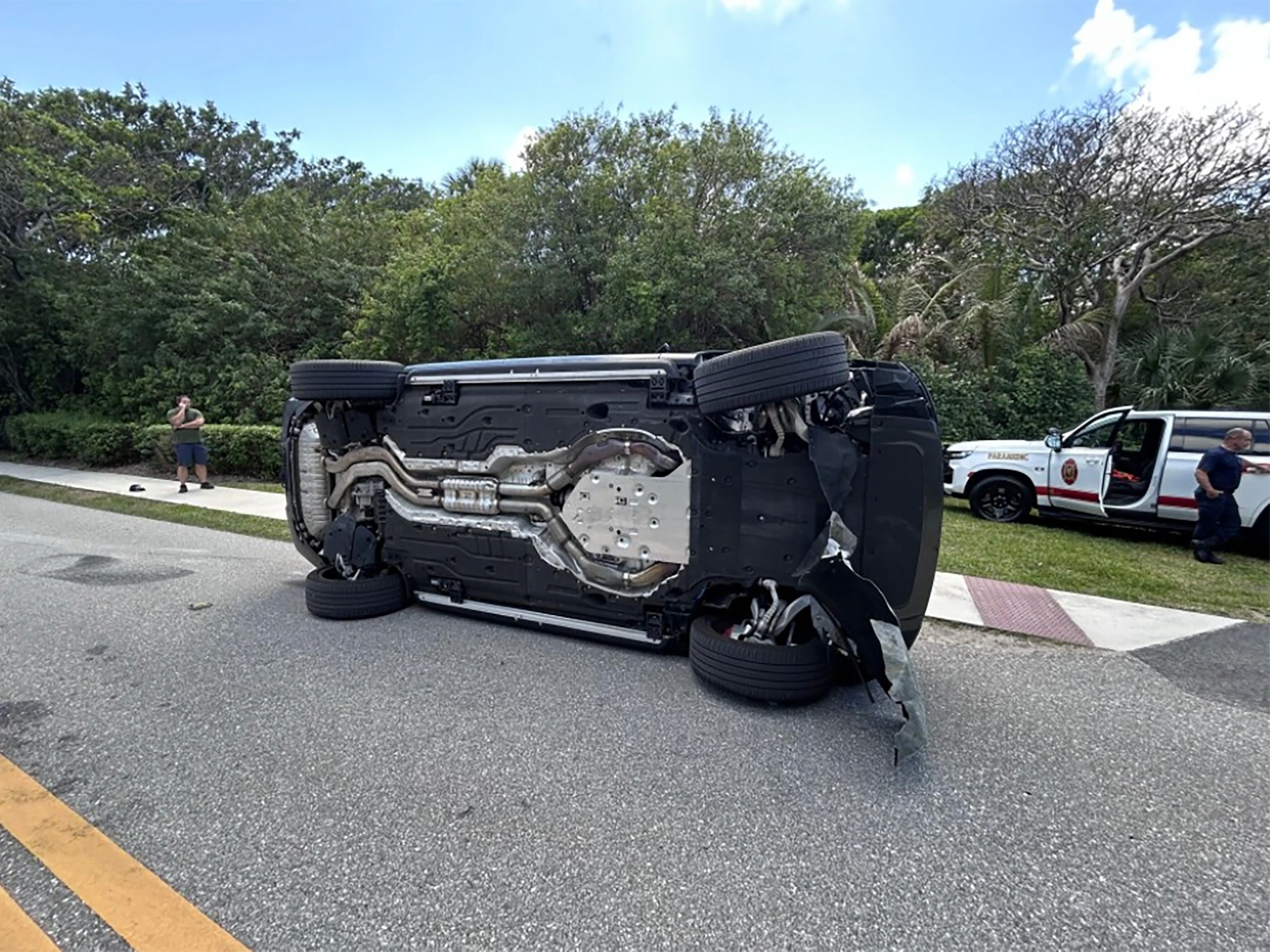
Woods appeared in a Florida courtroom on September 2 and entered a plea agreement that closes the legal loop on charges connected to the March 2026 crash . The case centered on a DUI and reckless-driving investigation after Woods’ vehicle clipped a pickup truck, then rolled over on Jupiter Island.
Two details matter for understanding the resolution:
- No jail time: The plea agreement keeps Woods out of custody.
- A guilty plea on driving-related counts: Accounts of the final paperwork vary slightly in wording, but the consistent substance is that Woods pleaded guilty to a driving offense described as reckless (some descriptions use careless) and to refusal to submit to a lawful test.
In plain language: the state gets a conviction and meaningful consequences, and Woods avoids the most severe immediate penalty, which would have been incarceration.
The March crash: why this wasn’t “just a fender-bender”
Rollover crashes are violent by nature. Even when nobody is hurt, they’re the kind of incidents that make prosecutors, judges, and everyone else on the roadway take the situation seriously.
Here’s what’s known about the incident at the center of this case:
- The crash happened in March 2026 on Jupiter Island, Florida.
- Woods’ vehicle struck a pickup truck and subsequently rolled over.
- No injuries were reported, which is the best sentence in this entire story.
- Law enforcement alleged Woods refused a lawful sobriety test, a key factor in how these cases are charged and punished.
In a lot of traffic incidents, outcomes hinge on harm: injuries, property damage, and the degree of risk created. Here, the “no injuries” part helped keep the case from becoming something much darker, but the nature of the crash and the refusal allegation kept it from being treated lightly.
Why the license suspension is five years, not ten
The detail that confused plenty of fans is the one that matters most for day-to-day life: how does Woods end up with a five-year license loss when people are seeing talk of two separate five-year suspensions?
It comes down to a legal concept that shows up everywhere from the pros to pickup ball: are penalties stacked, or do they overlap?
Concurrent vs. consecutive, explained like a coach would
- Concurrent means the suspensions run at the same time. If you receive two five-year suspensions concurrently, the total time is still five years.
- Consecutive means they run back-to-back. Two five-year suspensions consecutively would total ten years.
In Woods’ case, the judge allowed the two five-year suspensions to run concurrently. So the practical result is a five-year loss of driving privileges, not a decade.
Refusing a lawful sobriety test: why that piece changes everything
If you’ve ever wondered why “refusal” becomes its own headline, it’s because refusal statutes are designed to prevent a simple escape hatch in DUI enforcement.
Even without getting into every procedural detail, the basic reality is this: when a driver refuses a lawful test, the state often has administrative and criminal pathways to punish that refusal. It’s meant to discourage a scenario where someone believes they can avoid consequences by declining to cooperate.
That’s a big part of why this story ends with such a long license suspension even though there were no reported injuries. A rollover crash creates urgency. A refusal allegation raises the stakes.
What this means for Woods the athlete, not just Woods the headline
From a golf-only perspective, a driver’s license suspension does not automatically sideline a player. Tournament schedules are built around travel logistics, and Woods has the resources to get from point A to point B without driving himself.
But athletes don’t live in compartments, and neither do their brands. A five-year suspension is long enough to become part of the biography, not just a news cycle. It shapes:
- Public perception : Fans tend to hold sports legends to a “larger than life” standard. Legal consequences bring them back to human scale fast.
- Sponsor comfort: Even when endorsements stay put, the tone changes. Brands prefer predictable storylines.
- Legacy conversations: With Woods, everything gets measured twice. Once by trophies, once by turbulence.
It’s also worth saying the quiet part out loud: the most important outcome here is that no one was hurt. The court system handled consequences. The roads did not produce tragedy. That matters more than any debate about optics.
Quick FAQ
Did Tiger Woods go to jail?
No. The plea agreement resolved the case without jail time.
What did Woods plead guilty to?
He pleaded guilty to a driving offense described as reckless driving (some descriptions use careless driving) and to refusal to submit to a lawful test.
How long is the driver’s license suspension?
Five years total. Two five-year suspensions were ordered to run concurrently, meaning they overlap rather than stack.
Was anyone injured in the crash?
No injuries were reported.
The bigger takeaway
Woods’ career has always been a tug-of-war between the unbelievable and the painfully real. The unbelievable is what he did with a golf club in his hands. The real is what happens when the rest of life refuses to stay out of the frame .
This plea deal doesn’t rewrite history, but it does put a hard, time-stamped consequence on the present: five years without a license after a March rollover crash and a refusal charge. For a figure this famous, that is both a legal outcome and a human reminder, the kind you hope doesn’t need repeating.