
Every season, the NBA gives us a fresh batch of miracles: a second-round pick turning into a playoff closer, a team nobody believed in catching fire, a rookie learning how to win in real time. It is the best soap opera on television because the players are real, the pressure is real, and the margins are tiny.
But the league also has a pacing problem it keeps trying to patch with small tweaks. We all feel it. A normal first quarter can look like poetry, then the final six minutes turn into a whistle convention with a sprinkle of replay theater.
Also, credit where it is due: the league has already moved on a couple of the biggest offenders. The transition take foul has a real penalty now. The coach’s challenge rules have been adjusted in the last few seasons so teams are not punished for being right, within the league’s built-in limits. The away-from-the-play foul rule is supposed to keep the end-of-game from turning into a foul-and-timeout hostage situation.
The problem is that some of these fixes are still too easy to game, too fuzzy to enforce, or too limited in scope. So here are five changes I would implement next season if I had the keys. Not because basketball needs to be “saved,” but because it is too good to be slowed down by preventable stuff.
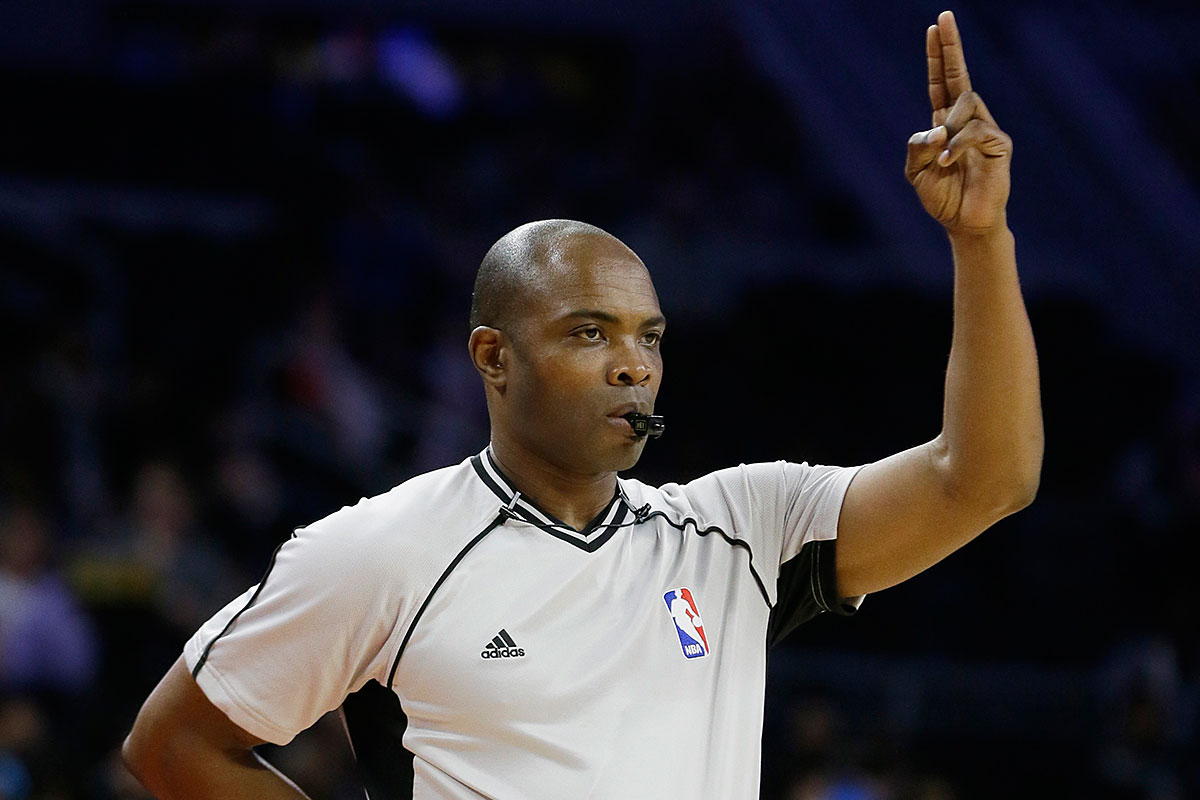
1) Expand the take foul
Where the rule is now: The NBA already punishes transition take fouls with one free throw plus possession. It is designed to stop defenders from killing a break on purpose. But teams still find edges in the gray area before a break is officially obvious.
The change
- Keep the current penalty (1 free throw plus possession), but broaden what qualifies as a transition take foul.
- Trigger it on advantage plus no ball play. In plain English: if the offense has a real transition advantage and the defender commits a non-play-on-the-ball foul, you do not get to reset the possession with a casual grab.
- Define “advantage” with a few objective cues officials can actually use without mind-reading:
- Numbers advantage (for example, 2-on-1, 3-on-2, or better).
- Defender beaten with clear separation (the primary defender is behind the ball handler and not in legal guarding position).
- Open-lane angle (a clear runway to the rim with no set defender between the ball and the basket).
Why it improves the product
Transition is the league’s most electric “free” entertainment. It is also where athleticism and decision-making show up loudest. Most fans did not tune in to watch a 3-on-2 get erased because someone tugged a jersey the moment the ball crossed half court. The league already has the hammer. This just makes it harder to duck it.
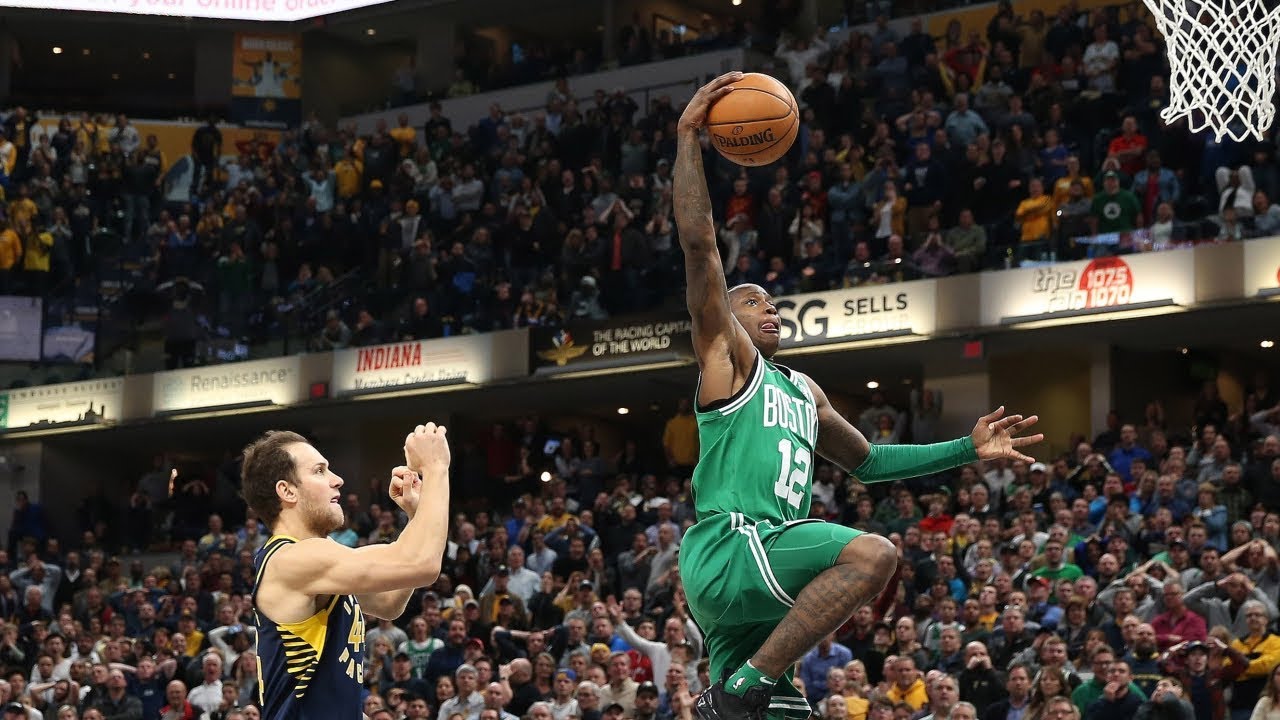
2) End foul baiting clearly
Players are too skilled for the game to hinge on who can sell contact best. When a scorer launches sideways into a defender or snaps their head back like they got hit by a gust of wind, it is not “craft.” It is a loophole.
Where the league is now: The NBA has had points of emphasis against unnatural shooting motions, and sometimes you see it called correctly for a month. Then the incentives creep back in.
The change
- Adopt one simple principle and stick to it: if the offensive player initiates abnormal contact that is not part of a natural scoring attempt, it is either an offensive foul or a no-call.
- Make the outcomes consistent by category:
- Hooking or locking arms to force contact: offensive foul.
- Sideways or forward launching into a reasonably positioned defender: no-call (unless the defender clearly displaces).
- Abrupt stop solely to create rear contact when the defender is not making a play through the shooter: no-call.
- Leg kicks that are not part of a natural motion and create contact: offensive foul or no-call, depending on severity.
- Stop treating it like a vibes-based memo. Train it, define it, and call it the same way in November and May.
Why it improves the product
Defenders deserve a chance to defend. Shooters deserve the freedom to shoot. The game is best when both are true. When baiting becomes a primary option, it warps the honest relationship between attack and contest. Tighten the standard and you get cleaner possessions, less arguing, and more buckets that actually feel earned.
3) Speed up challenges
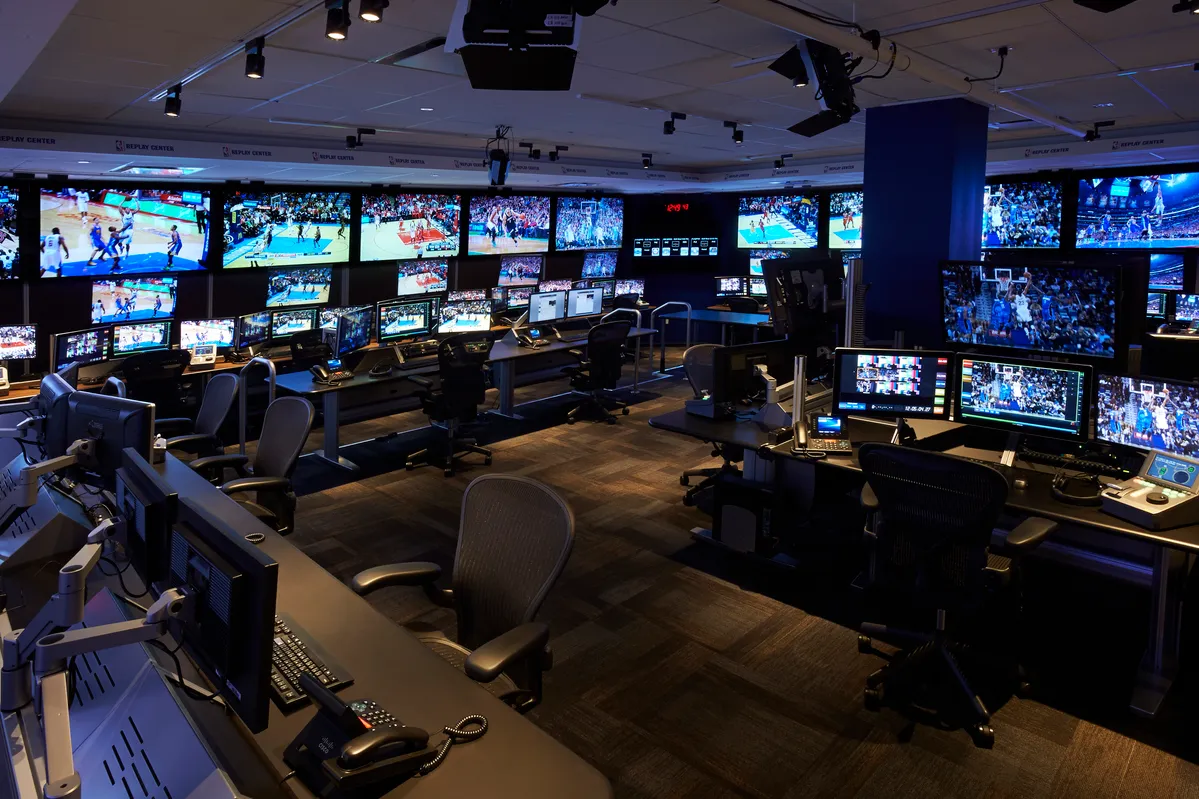
Where the rule is now: The challenge system is better than it used to be, and the league already has a Replay Center doing a lot of heavy lifting across review types. But the challenge experience still drags, and some reviews get treated like a courtroom drama.
The change
- Put challenge reviews on a strict clock: 45 seconds for most calls, 60 seconds max for anything involving timing or restricted-area nuance.
- Default the decision to the Replay Center for all coach’s challenges. The on-court crew relays the ruling and moves on. No extended huddles unless the Replay Center requests clarification.
- Keep the menu tight: challenges should focus on objective outcomes (out of bounds, goaltend, shot clock, clear block-charge position). Keep the judgment calls narrow.
- To avoid the “infinite challenge” misconception, be explicit in the broadcast and the rulebook language: challenge retention stays within the NBA’s existing caps and conditions. This proposal is about speed and process, not unlimited do-overs.
Why it improves the product
Challenges should feel like a quick correction, not an intermission. If you want more accuracy, speed matters too. The NBA does not need to reinvent the challenge rule again. It needs to make the version it already has move like a pro league, not a committee meeting.
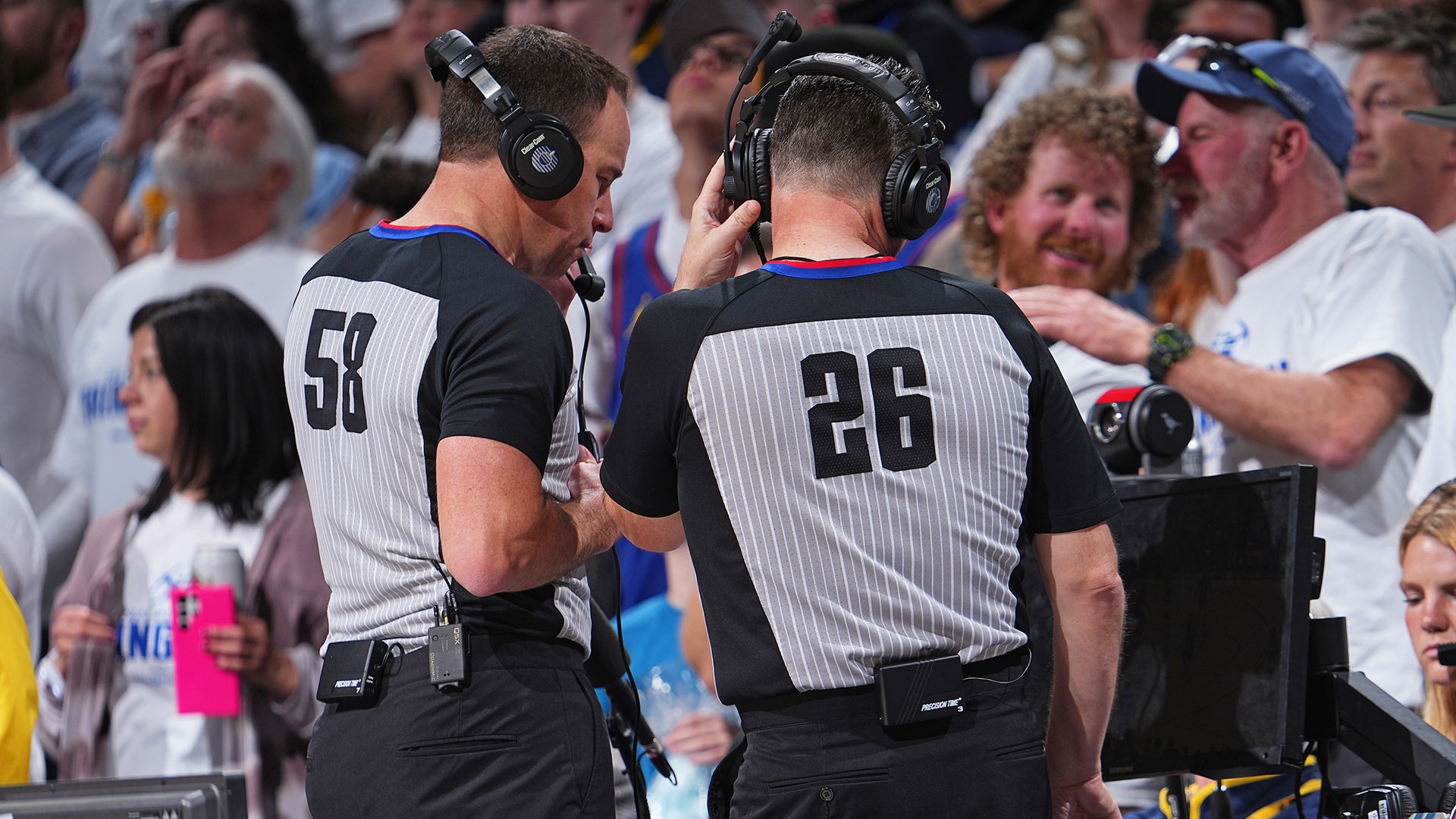
4) Put replay on a clock
Replay should be a seatbelt, not a traffic jam. Right now, the league can grind a great finish into dust with frame-by-frame analysis to decide who brushed a fingertip last.
Quick clarity: This is about all other replay reviews beyond coach’s challenges, including the automatic and referee-initiated reviews that pop up late. Proposal 3 is challenges. This is everything else.
The change
- 60-second replay limit for most reviews, including out-of-bounds and basket interference.
- If there is clear and conclusive evidence within that time, overturn it. If not, the call stands.
- In the final two minutes, allow an extra 30 seconds only for clock corrections and scoring, not for ball-touch forensic science.
Why it improves the product
We are chasing perfection in a sport that happens at full speed with ten bodies in constant motion. The best endings in basketball are emotional. They breathe. Replay should protect the game from egregious misses, not drain the life out of a one-possession finish.
5) Close late-game fouling gaps
Where the rule is now: The NBA already has an away-from-the-play foul penalty late in games, commonly applied in the final two minutes of the fourth quarter and overtime. The intent is good: do not let defenses foul off-ball to avoid giving up a quick three.
The loophole: Teams can still drag the last minute into a parade by fouling immediately after the inbounds in ways that look like “pressure” but function like intentional fouling. It is not always away-from-the-play by the current read, and it still ruins the rhythm.
The change
- Keep the current away-from-the-play standard, but widen what counts in the last two minutes.
- If a defender initiates contact that is not a legitimate play on the ball immediately after an inbounds, treat it like away-from-the-play: 1 free throw plus possession.
- Yes, this needs precise drafting, so give officials objective triggers instead of vibes. Example language the league can tighten:
- Applies within two steps or one second of the receiver gaining control on the catch.
- Penalty triggers if the defender’s first contact is wrap, grab, hold, or body-check and there is no immediate play on the ball (no swipe, no legal angle cut-off, no attempt to contain the dribble path).
Why it improves the product
This keeps strategy without rewarding anti-basketball. If you want to extend the game, you have to do it the hard way: pressure the ball, trap clean, force a turnover, contest shots. That is competitive. That is basketball. And it keeps fans locked in instead of checking their phones while the final minute takes 12.
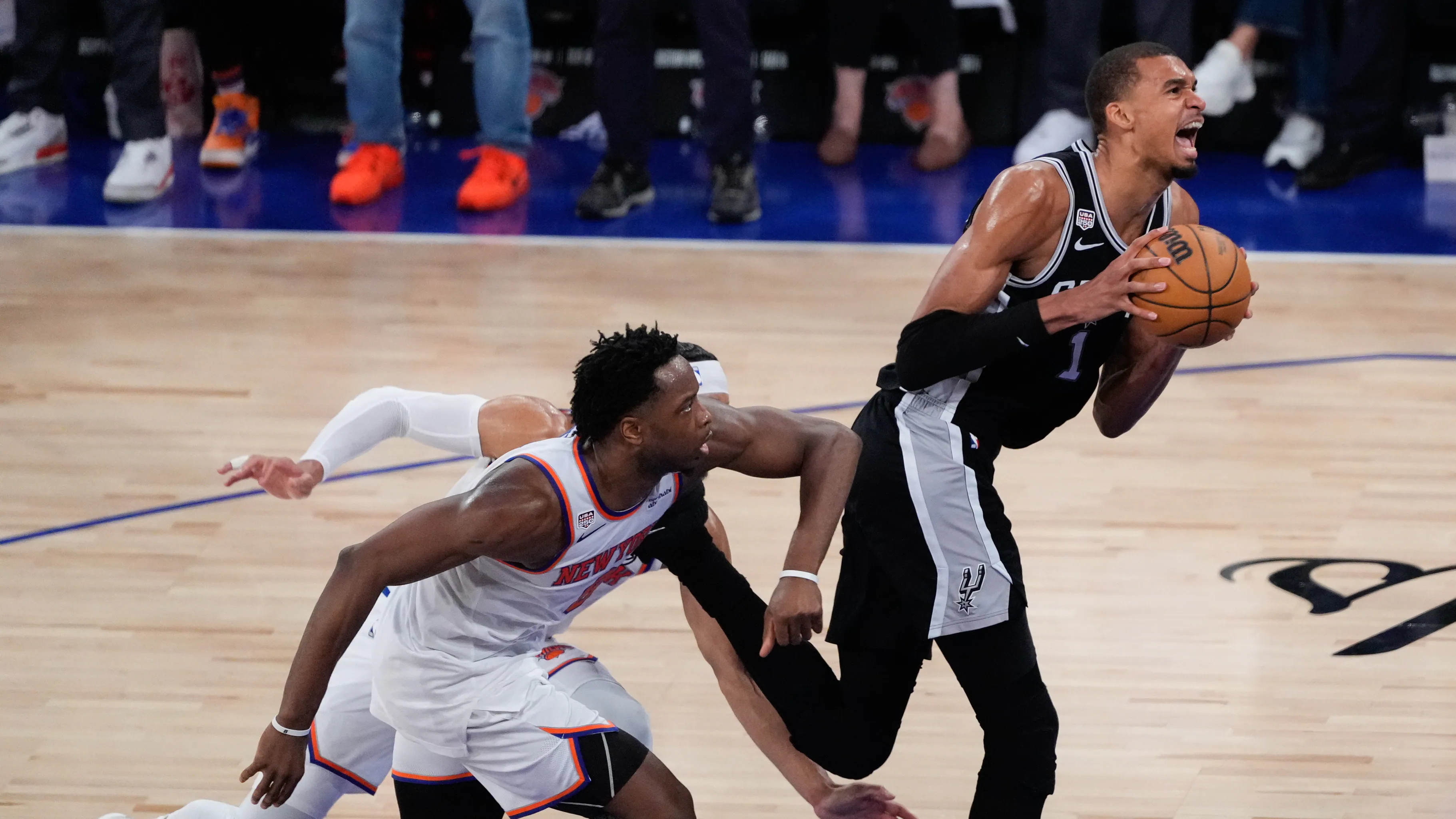
What it looks like
Put these together and you get a version of the NBA that feels like the best parts of itself, more often:
- More transition because you cannot erase a break with an early grab and a shrug.
- Less whistle hunting because unnatural contact stops paying dividends.
- Faster corrections because challenges and replay have urgency.
- Better endings because the final possessions are played, not administered.
The league does not need radical change. It needs firmer boundaries, clearer definitions, and a replay process that respects momentum. The NBA already started down that road. Now it has to finish the job.
If the NBA wants pace and quality next season, it is right there. Tighten the rules around the stuff that slows the game down, and let the world’s best hoopers do what they already do: tell us an unbelievable story, one possession at a time.