
There are a few moments in hockey where the whole arena seems to inhale at the same time. A breakaway does that. A penalty shot does it even more, because it is not just a chance created by skill, it is a chance restored by the rulebook.
An NHL penalty shot is a single one-on-goalie attempt awarded when a defending team commits a specific foul that takes away a clear scoring chance. It is the league’s way of saying, “You cannot cheat a chance off the board.”
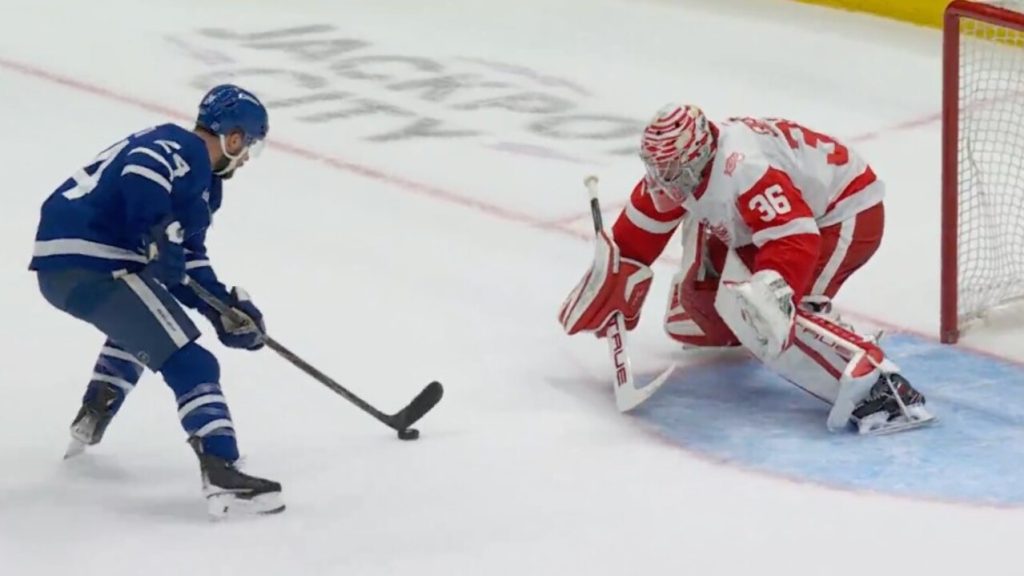
What a penalty shot is
A penalty shot is a stoppage in play where one offensive skater gets a clean attempt to score against the goalie. No backcheckers. No passing option. Just the shooter starting from center ice and the goalie trying to read the move (and yes, the goalie can challenge out of the crease).
It is not a tiebreaker like a shootout. It is part of the game itself, awarded as a remedy for a foul that erased an obvious chance.
When the NHL awards a penalty shot
Penalty shots are reserved for specific situations where an attacking player had a reasonable scoring opportunity and a defending action illegally removed it. The most common checklist is simple: the attacker has possession and control, is headed toward goal with no defender between them and the goalie, and a foul (or illegal act) ends the chance.
1) A foul that takes away a breakaway
The classic penalty shot scenario is a player on a breakaway getting hooked, tripped, or otherwise impeded in a way that prevents a shot. It does not have to be “from behind.” What matters is that the foul removed a clear chance when the attacker had the puck and only the goalie left to beat.
In plain English: if the defender’s only “play” is to illegally stop you because you are about to get a clean look, the league can hand that look back.
2) A thrown stick or object stops a chance
This one feels straight out of a playground game, which is exactly why the NHL treats it harshly. If a goalie throws his stick, or a skater throws a stick or another object, and it interferes with the puck or the shooter on a breakaway or clear chance, a penalty shot can be awarded.
You cannot introduce extra equipment into the play to erase a goal chance. The punishment is the most direct replacement possible: one shot, right now.
3) A covered puck in the crease
If a defending player covers the puck in the crease with their hand, closes their hand on it, or otherwise smothers it in a way that prevents a likely goal, officials can go to the ultimate remedy: a penalty shot. (Depending on the exact scenario, the NHL rulebook can also lead to an automatic goal, but the big idea for fans is the same: you cannot “save” a goal by doing something illegal in the blue paint.)
4) Deliberate net displacement on a chance
If the defending team deliberately knocks the net off its moorings to prevent a likely goal, the NHL can award a penalty shot.
There are accidental dislodgements during scrambles, that happens. The penalty shot comes into play when the officials judge the net came off on purpose during a clear scoring opportunity, basically as a last-ditch bailout.
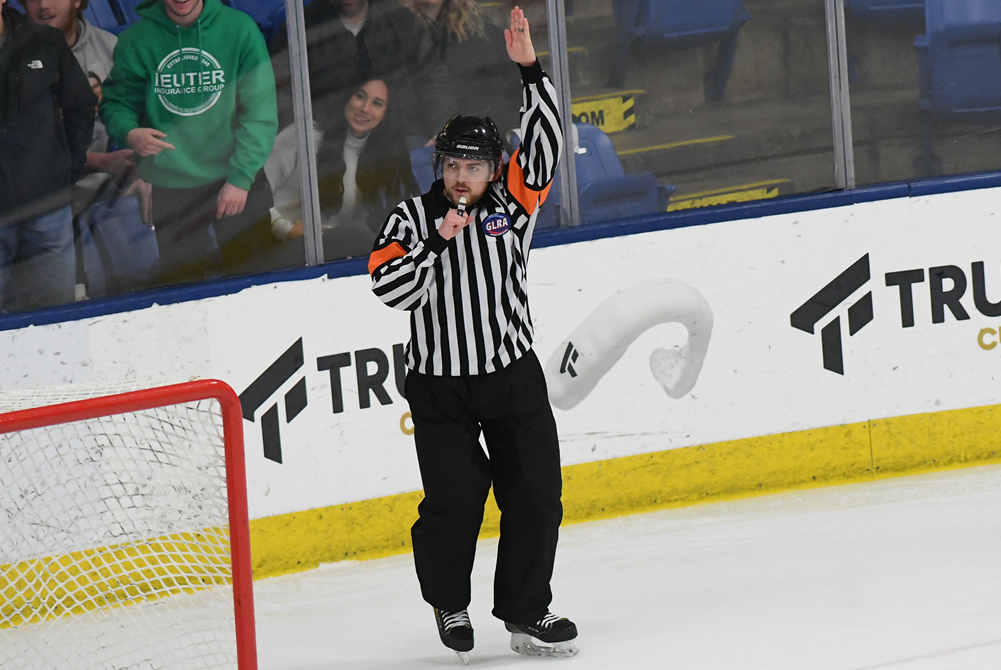
How the penalty shot works
Here is what you will see once the officials signal a penalty shot:
- Play stops and the ice is cleared so it is just the shooter and the goalie.
- The shooter starts at center ice with the puck and skates in toward the net.
- It must be a continuous attempt toward the goal. The skater can deke, change speed, and make moves, but cannot stop and “reset” indefinitely or turn it into a stalling contest.
- No second chance once the shot is completed. As soon as the initial attempt is finished (goal, save, miss, or the puck is no longer being played as part of that single continuous move), the whistle goes. Even if the puck kicks off a pad or post, there is no rebound attempt.
- Goal or no goal and then the game resumes with the appropriate faceoff (typically at center ice if it is a goal, or in the offending team’s zone if it is not).
From a player’s perspective, it is a weird blend of freedom and pressure. You have space to create, but you also know there is no second whack at it. Goalies love that part.
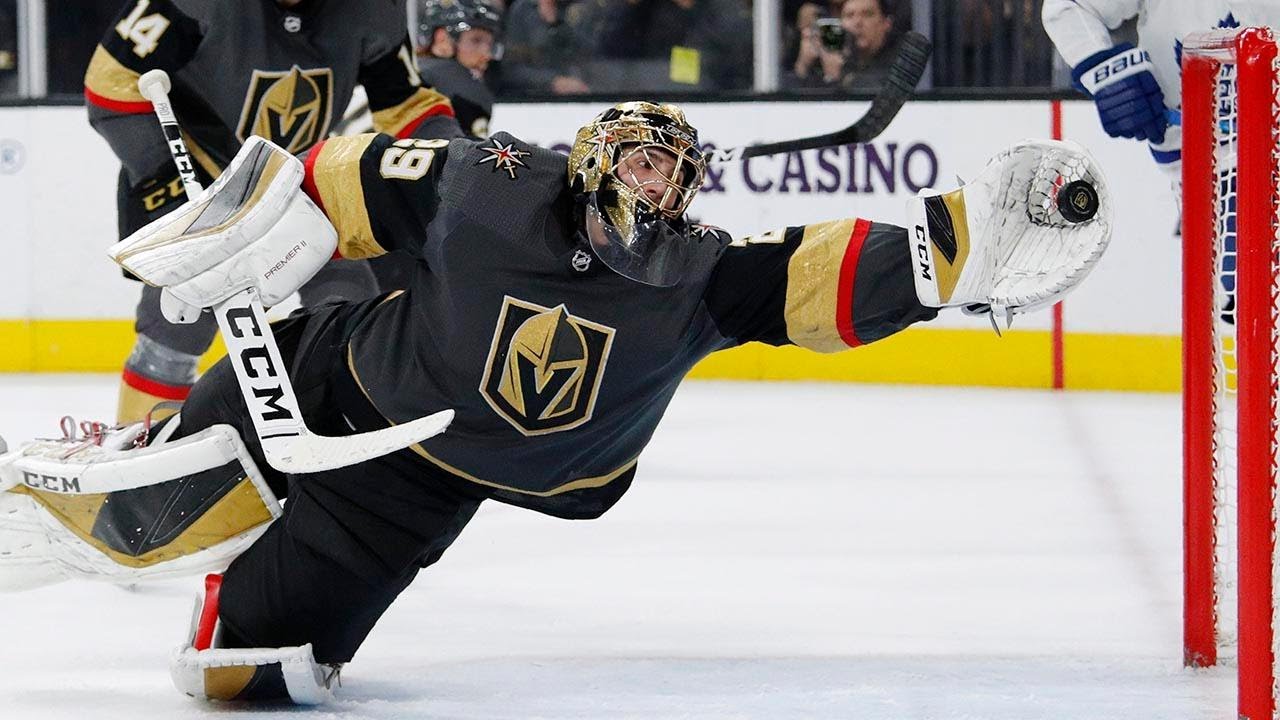
Penalty shot vs. shootout
A penalty shot and a shootout attempt can look similar on TV: one skater attacking one goalie with a full sheet of ice. The intent is completely different.
- Penalty shot: awarded during the game as a remedy for a foul that removed a clear scoring chance.
- Shootout attempt: used to decide a game after overtime when the score is still tied.
That difference matters, because penalty shots are about restoring what was taken away in live play, not creating a tiebreaker format.
Quick questions
Does the team still get a penalty too?
Usually, the penalty shot replaces the minor penalty that would have been assessed for the infraction that caused it. In other words, the “punishment” is the one-on-one chance. That said, officials can still assess additional penalties on the same sequence if something separate happens (think misconducts, majors, or extra rough stuff after the whistle). The clean version is: the shot is the main event, but it does not create immunity for everything else.
Can the coach choose who shoots?
Sometimes.
If the penalty shot is awarded because a specific player was fouled on a breakaway-type chance, that player takes it, unless they are injured on the play. If they cannot shoot, the coach can designate a replacement shooter.
If the penalty shot is awarded for a broader defensive violation (like deliberately displacing the net, throwing a stick, or covering the puck in the crease), the coach can typically choose the shooter from the players who were on the ice at the time of the infraction.
Can you lose the puck and then shoot again?
The attempt has to be continuous. You can make moves and you can handle a bouncing puck, but you cannot turn it into a stop-and-start retry. Once the attempt is over, it is over.
How often do penalty shots happen?
Not that often, which is why they feel so loud when they do. Most “close” plays end up as regular penalties because the NHL sets a high bar for “you took away a sure look.”
Why it feels so dramatic
Hockey is chaos by design. Bodies in lanes, sticks everywhere, pucks bouncing like they have their own agenda. A penalty shot is the rare moment where the game clears its throat and simplifies into a single matchup: shooter creativity versus goalie nerve.
And if you grew up playing anything competitive, you know exactly what that feels like. It is not just about hands. It is about heartbeat.