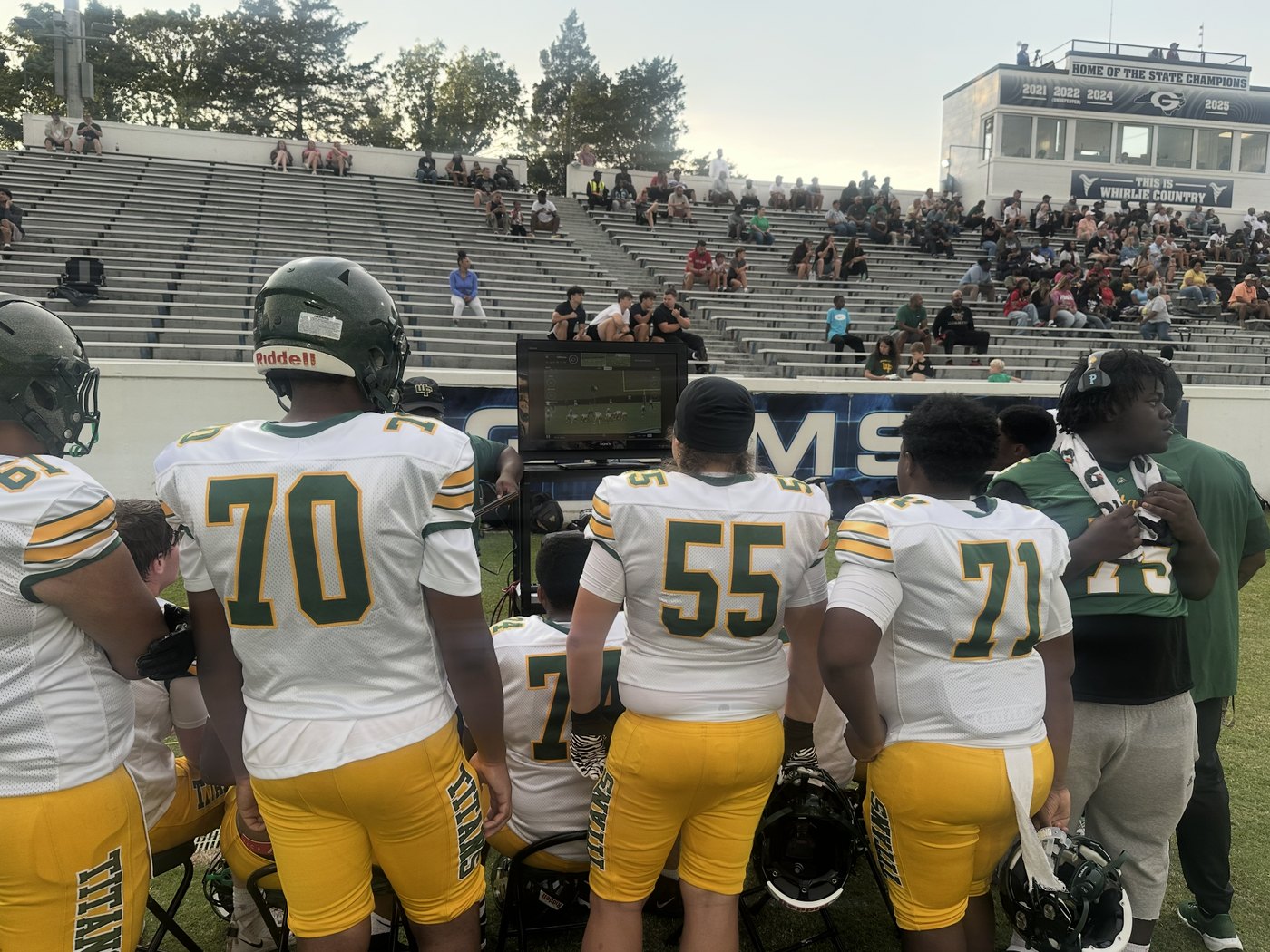
I have coached enough youth hoops and spent enough Fridays on the sideline to know this: parents and athletes are always looking for the extra layer of protection that does not change the game. The Q-Collar shows up in that conversation a lot. It looks simple, almost like a sturdy neckband, but the claim behind it is big: it is sold as a way to reduce how much the brain moves inside the skull during hits.
So what is it, who actually wears it, what does the science say, and what does it not say about concussions? Let’s break it down without the sales pitch.

What a Q-Collar is
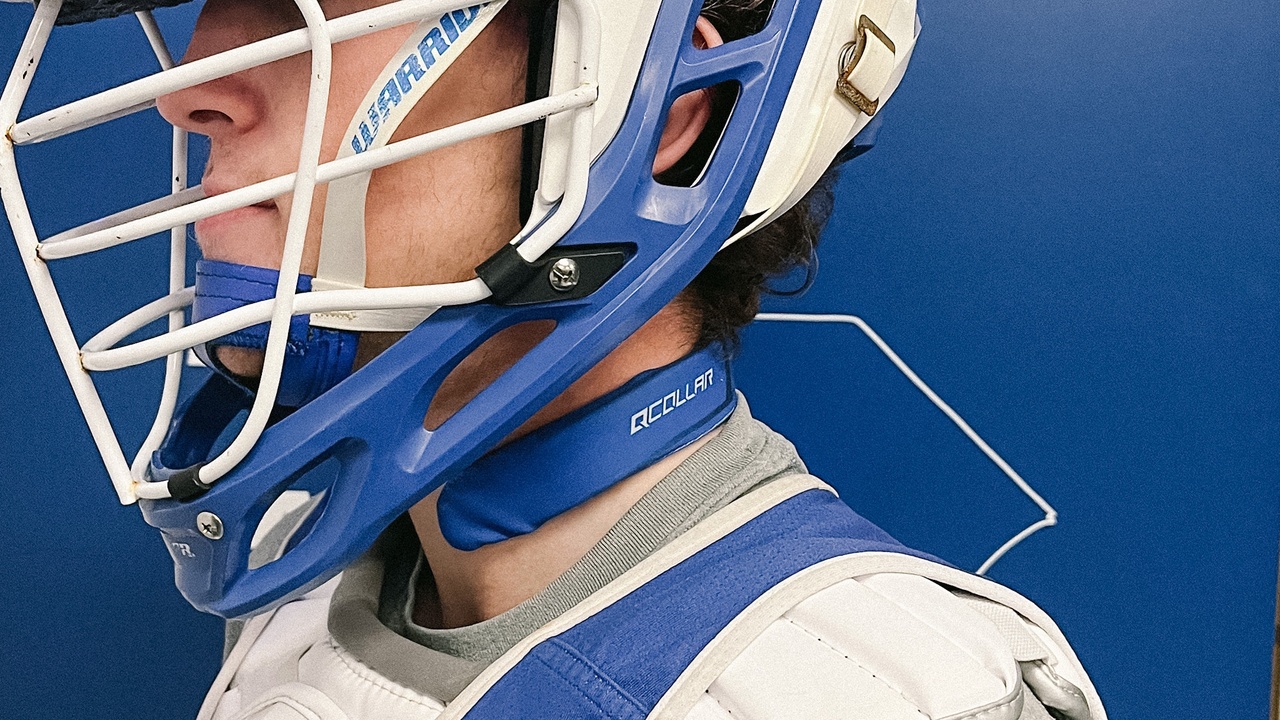
The Q-Collar is a wearable neck device designed to sit around the base of an athlete’s neck, similar to a firm collar. It is positioned as a way to reduce rapid brain motion inside the skull during impacts in contact sports.
It is not a helmet add-on and it is not something that goes in the mouth. It is worn on the neck and the concept is built around physiology, not extra padding.
FDA status in plain English
This part matters for families, because it is easy to assume “FDA” means “prevents concussions.” It does not.
The Q-Collar has received FDA marketing authorization through the De Novo pathway for a limited, specific indication related to reducing the likelihood of certain brain imaging findings associated with repetitive head impacts in a defined athlete population. That is different from proving it prevents concussions or lowers diagnosed concussion rates in real games.
If you are considering the device, take five minutes to read the official labeling and instructions for use. That is where the exact population, use conditions, and limitations are spelled out in black and white.
How it is supposed to work
The Q-Collar’s premise comes out of sports medicine research: if you slightly increase blood volume in the skull, you may reduce the space available for the brain to shift during sudden acceleration and deceleration.
Here is the simplified version of what the device is intended to do:
- Gentle pressure at the neck: The collar is intended to apply light, controlled pressure in a way that can partially affect jugular venous outflow.
- A small change in blood volume in the head: By slightly limiting venous outflow, the idea is that blood volume in the skull increases a bit.
- Less brain motion: With less “give” inside the skull (lower intracranial compliance, in more technical terms), the brain may experience less motion relative to the skull during impacts.
That is the theory. Even if the physiology is plausible, it is not the same thing as demonstrating fewer concussions on a scoreboard, season, or injury report.
Who uses the Q-Collar
You will most often hear about Q-Collars in sports where repetitive contact is part of the job description.
Athletes who have used it
- Football players at various levels, including some high school and college programs, have used it.
- Some athletes and teams in sports like hockey and lacrosse have also used it, typically in settings where families and staff are paying close attention to head-impact exposure.
In practice, adoption is still very team-by-team and athlete-by-athlete. Most of the time it is driven by a proactive family, a pilot program, or a school with strong athletic training support that can oversee fit and use.
What the evidence does and does not show
This is the part that matters most, especially for parents who are trying to make a rational decision in an emotional space.
What research has suggested
Some of the most cited work involves season-long cohorts in contact-sport athletes, including high school and college football players, where researchers compared athletes who wore the device with those who did not. In several of these studies, the main outcomes were advanced brain imaging measures, often diffusion MRI metrics used to look at possible microstructural changes in white matter over a season.
In plain terms: researchers looked at whether athletes exposed to a lot of head impacts showed fewer imaging changes associated with repetitive hits.
What it has not proven
The biggest question for most families is straightforward: Does it reduce concussions?
Right now, public evidence does not support treating the Q-Collar as something that:
- prevents concussions
- reliably reduces diagnosed concussion rates across teams and seasons
- eliminates risk from big hits, awkward falls, or rotational, whiplash-type impacts
It is also worth saying out loud that imaging findings and clinical outcomes are not the same thing. A change in a scan can be real and still not translate into a clear, predictable change in symptoms, diagnosis rates, or long-term outcomes.
The clinical endpoints families care about most are still the open questions, things like diagnosed concussion rate, symptoms, time lost from sport, and longer-term health outcomes.
How to read the fine print
When you read about this device, keep a few practical caveats in mind:
- Sample sizes and study design: Much of this work is not massive, league-wide research, and some studies are relatively small.
- Endpoints: Many results are based on imaging or other markers rather than concussion incidence or time-loss outcomes.
- Funding and conflicts: As with many sports safety products, some research and promotion involves industry ties, which makes independent replication especially important.
If you want a clean way to think about it: the Q-Collar is best understood as a risk-reduction concept with some supportive imaging data, but a real gap between “plausible mechanism” and “proven reduction in concussions.”
What to consider before buying or wearing one
I always come back to the same coaching truth: the best safety choice is the one you can use consistently, correctly, and without changing how you play.
Here is what I tell parents who ask me about it: loop in your athletic trainer or clinician, make sure it fits and is supervised, and do not let it turn into permission to play reckless.
Fit and comfort
A neck device that is too tight, too loose, or distracting is not a great idea. Proper sizing and consistent positioning matter because the intended effect depends on how it sits and how it applies pressure.
If your school has an athletic trainer, start there. If not, ask your sports medicine clinician for guidance. Also, do not share devices between athletes. Fit and hygiene both matter.
Do not let it change behavior
The biggest hidden risk with any protective product is the mental side. If an athlete feels “more protected,” they might lead with their head, take bigger risks, or stop avoiding contact when they should. No device should become permission to play reckless.
It does not replace fundamentals
Especially in youth sports, the biggest drivers of safer play are still boring and effective:
- Good technique and coaching
- Rules that limit dangerous contact
- Strength and conditioning, including neck strength
- Honest symptom reporting and a culture that supports it
Safety and who should be cautious
Because the Q-Collar is designed to apply pressure at the neck, it is not something to treat as risk-free.
If an athlete develops symptoms like headache, dizziness, lightheadedness, unusual pressure sensations, trouble swallowing, or anything that feels off, they should stop using it and talk with a qualified medical professional.
Also, if an athlete has any signs or symptoms of a possible concussion after a hit, treat that like a concussion first. Pull them, get them evaluated, and follow your school or league’s concussion protocol. A device on the neck does not change the basics of concussion care.
And if an athlete has a history of vascular or bleeding issues, clotting problems, neck conditions, or any medical concern that could make neck compression risky, this is the kind of product that should be discussed with a clinician before use. Oversight matters more, not less, with a device like this.
Common questions
Is the Q-Collar allowed in games?
Rules vary by sport and governing body and can also vary by state, league, and conference. If you are considering one, check your state athletic association rules (for example, NFHS-based rules in many high school settings) and get confirmation from your school’s athletic trainer or equipment staff if you have access to them.
Also, remember that enforcement is real-world. The final authority on game day is typically the event officials and the league, and rules can change year to year.
Is it only for football?
No. It has been used in multiple contact sports. The common thread is repetitive impacts and collision risk.
Does wearing one mean an athlete cannot get a concussion?
No. Concussions can still happen from a single high-force impact, rotational acceleration, or awkward falls. Even the device’s FDA-authorized indication is not the same as “concussion prevention.”
Should parents buy one for a youth athlete?
That is a family decision, ideally made with input from a medical professional familiar with sports concussion care. If you do choose to use one, treat it as a possible layer, not a solution. The priority should remain coaching, technique, and a program that takes head injuries seriously.
The bottom line
The Q-Collar is a neck-worn device intended to partially affect jugular venous outflow with the goal of reducing brain motion inside the skull during impacts. It has FDA marketing authorization for a limited, specific indication tied to reducing the likelihood of certain brain imaging findings associated with repetitive head impacts in a defined athlete group.
What it does not clearly prove, at least not in a way families should treat as settled, is that it reliably reduces real-world concussion rates. If you are considering it, think of it as a potential supplement to the basics, not a replacement for them.