
I have coached enough youth hoops to know you never eliminate risk in sports, you manage it. Football has been living in that truth for years now, and one of the more visible changes is the Guardian Cap. If you have seen a high school kid or an NFL player with what looks like a padded beanie stretched over a helmet, that is the idea.
Here is what a Guardian Cap is, why teams use it, where it is usually allowed or required, and what the science can and cannot promise when it comes to concussions.
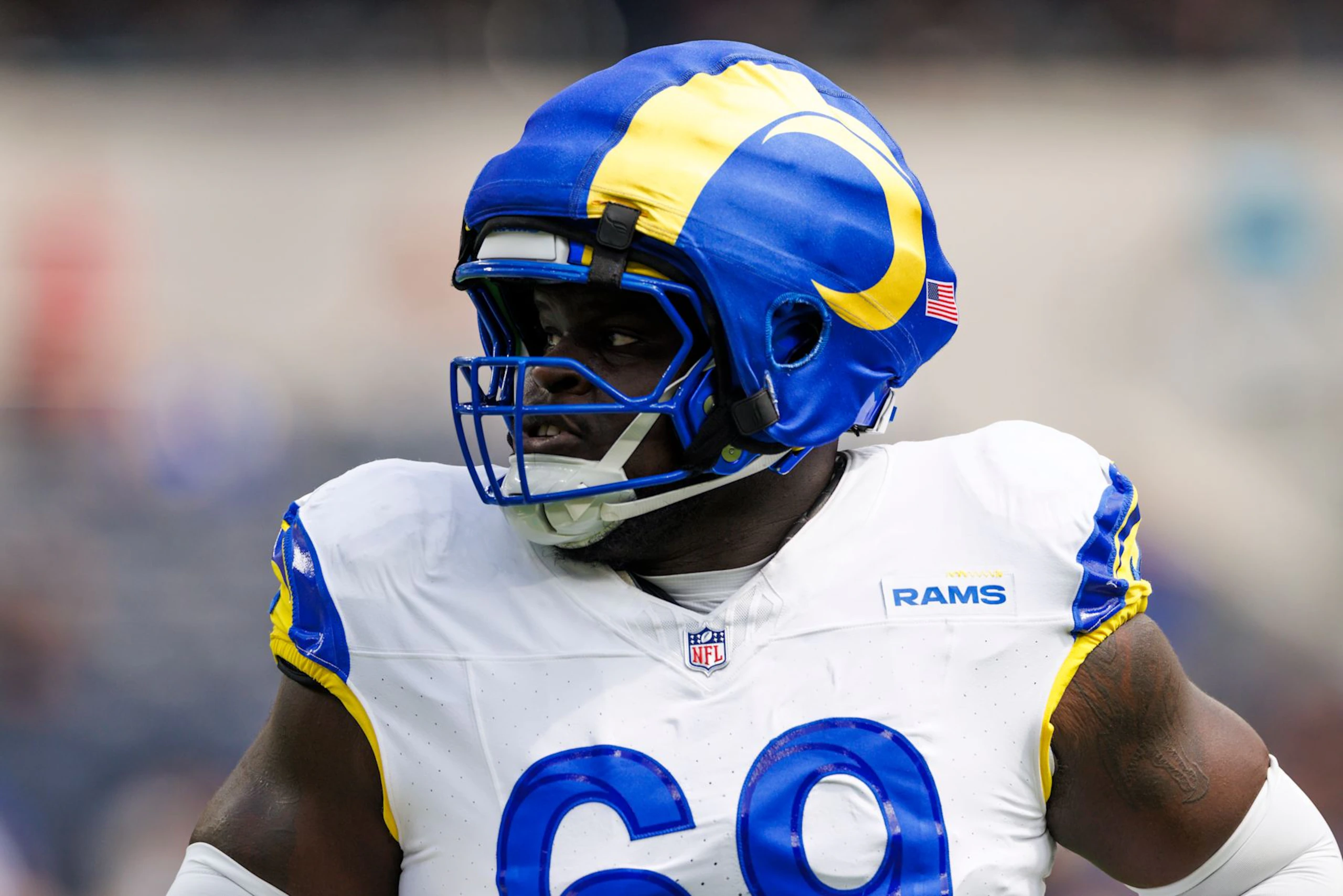
What a Guardian Cap is
A Guardian Cap is a soft shell padded cover designed to fit over the outside of a football helmet. It is most commonly used in practice, though some levels of football also allow it in games under specific rules.
The point is straightforward: add an extra, compressible layer on the outside of the helmet to help reduce impact severity, especially the everyday collisions that pile up over a season.
What it is not
- It is not a replacement for a certified football helmet.
- It is not a medical device that can diagnose or prevent concussions.
- It is not a license to hit with your head down or launch into contact.
How it works
In football safety research, you will often see head impact discussed in terms of linear acceleration and rotational acceleration, not just “force.” The goal is to reduce peak acceleration in certain collisions by making the impact a little less sharp.
A Guardian Cap aims to help by:
- Adding padding that compresses on contact.
- Increasing the time over which the impact happens, which can lower the peak acceleration.
- Reducing helmet-on-helmet hardness, since the first contact is the soft shell rather than a hard helmet surface.
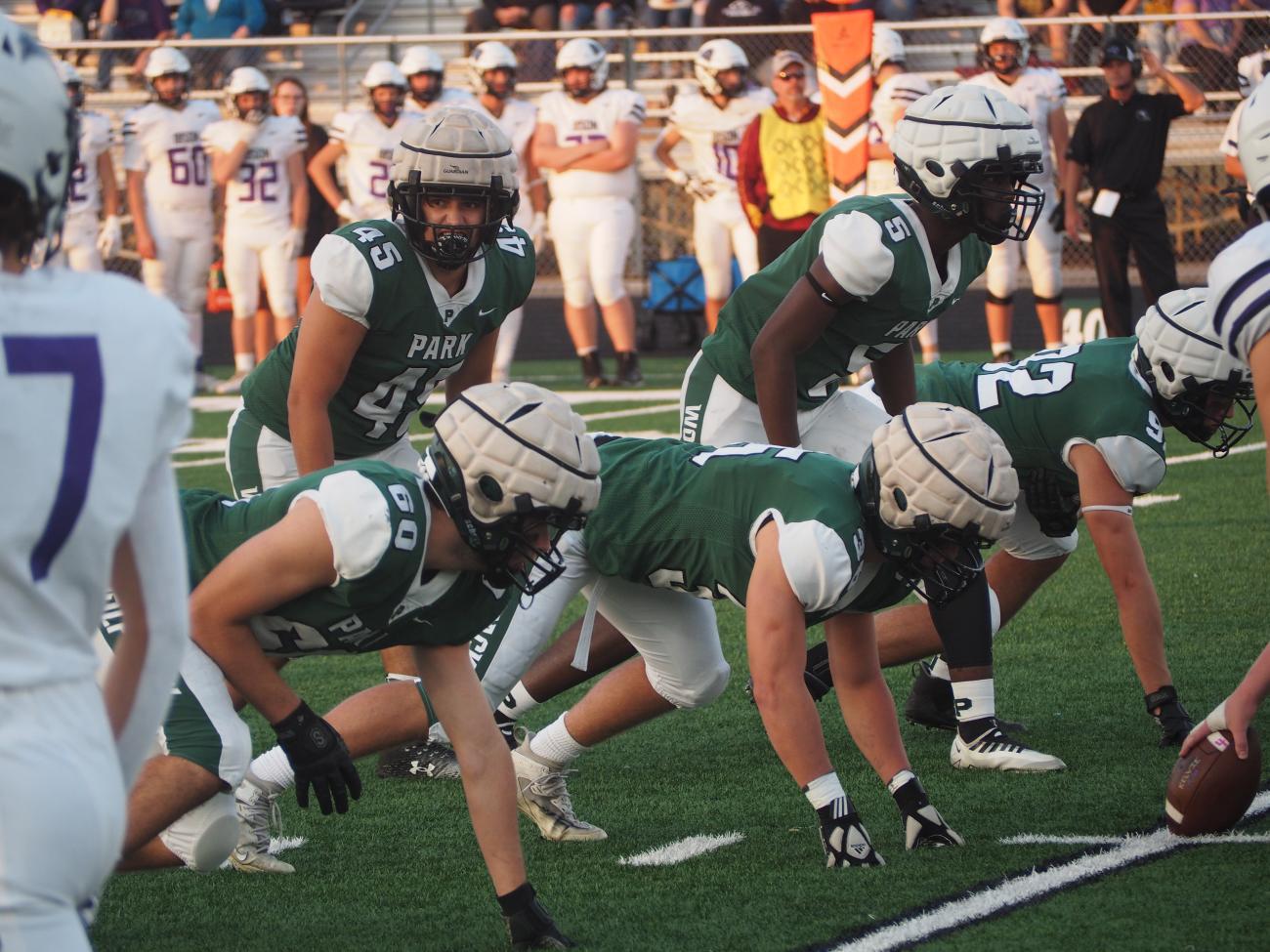
When players wear Guardian Caps
Most teams that use Guardian Caps use them during contact practices, including:
- Preseason camp
- Full pad practices
- Tackling circuits and thud periods
- Special teams drills where collisions are more likely
Some programs also choose to keep them on during lighter sessions, mostly because it is simpler than constantly swapping gear on and off.
Game rules
This is the part that changes the most, because rules differ by level and sometimes by state association. Treat any broad statement you hear, including mine, as a starting point. The right answer is always: check your league or governing body for the current season.
NFL
The NFL has used Guardian Caps primarily as a practice safety tool, and in recent seasons the league has also required them for certain players during parts of training camp. Exactly who must wear them, when, and whether they are permitted during other sessions can change year to year based on the league’s annual guidance.
On game days, policies have also evolved. Rather than guess at details like “which circumstances,” I would handle it the way equipment staffs do: confirm the current season’s language in the NFL’s official football operations materials and club communications, then follow what your team and officials are enforcing that week.
College (NCAA)
In college football, Guardian Caps are overwhelmingly a practice tool. Game use is uncommon and, if a team wants to use any helmet add-on in a game setting, it needs to line up with the NCAA equipment rules and whatever approval or documentation is required through the school’s equipment operations. This is less about “interpretation” and more about making sure the specific item is permitted and properly presented to officials before it becomes a Saturday surprise.
High school (NFHS and state associations)
At the high school level, policies often come down to the state athletic association and how it applies NFHS equipment rules. Some states and associations permit padded helmet covers, but you should not assume it is automatic. Associations may have guidance on helmet add-ons, colors, and when they are allowed. Ask your athletic director or equipment manager to verify approval for your state and your conference.
Youth football
Youth leagues are all over the map. Some leagues encourage Guardian Caps as part of a broader safety push, some do not mention them, and some restrict add-ons depending on their equipment policies. If you are a parent, ask two questions:
- Is the cap allowed in games or practice only?
- Does the league require a specific brand or model, or just that it meets their equipment rules?
Bottom line: Guardian Caps are widely used in practices. Game legality and requirements depend on the governing body and the specific rules in your league.
What the evidence says
Here is the fairest way to put it: the evidence is strongest that Guardian Caps can reduce certain head impact measures in particular test conditions. The evidence is less direct when it comes to guaranteeing fewer concussions, because concussions are multi-factor injuries and do not map perfectly to any single number.
What research tends to support
- Lower impact metrics in some settings: Third-party lab evaluations and on-field sensor studies have reported reductions in some impact measures, often described as decreases in certain linear and rotational acceleration values when a padded cover is used over a helmet. One commonly cited body of work comes from the NFL and NFLPA equipment research efforts, which have published findings on padded helmet covers and changes in measured impact severity in controlled testing.
- A plausible benefit on the routine hits: Even when a hit does not cause symptoms, repeated impacts are a concern. If a cap lowers the severity of some routine impacts, that can matter over time.
What research cannot promise
- Concussion-proof football: No helmet or add-on can guarantee concussion prevention. Players can suffer concussions from body contact, whiplash, awkward falls, and hits that do not look dramatic on film.
- The same benefit for every hit: A straight, helmet-to-helmet collision is different from a glancing blow, a tackle that snaps the head, or a hit that transfers force through the torso.
- Perfect real-world results: Fit, correct installation, and consistent use matter. So do coaching and practice design.
The key nuance
A lot of people hear “reduces impact” and translate it to “prevents concussions.” It is more accurate to say a Guardian Cap may help lower some impact severity, which could help reduce risk in certain scenarios, but concussions can still happen and still must be treated seriously.
If you want a credible starting point for the broader science, look at how groups like the CDC HEADS UP program describe concussion risk and why no single piece of equipment can fully prevent it. For football-specific helmet performance context, Virginia Tech Helmet Ratings is a useful reference point for how impact metrics are evaluated, even though a Guardian Cap is an add-on rather than a helmet.
Pros and cons
Pros
- Added layer in practice: Practice is where the majority of reps happen, and those reps matter.
- Easy to implement: Compared with changing practice structure, adding a cover is simple.
- Supports a safety culture: When athletes see safety gear normalized, it can open the door to better reporting and better habits.
Cons and limitations
- Not a substitute for technique: Heads-up tackling, leverage, and proper fit are still the big rocks.
- False sense of security: If a player thinks they are extra protected, they may play looser with their body control. Coaches have to coach against that.
- Heat and comfort: Another layer can mean more warmth and a slightly different feel, especially in hot climates.
- Rules and logistics: Some leagues or officials may have questions if they are not familiar with the equipment policy. Programs also need to confirm the cap does not interfere with any helmet communication components or team-required decals and markings.
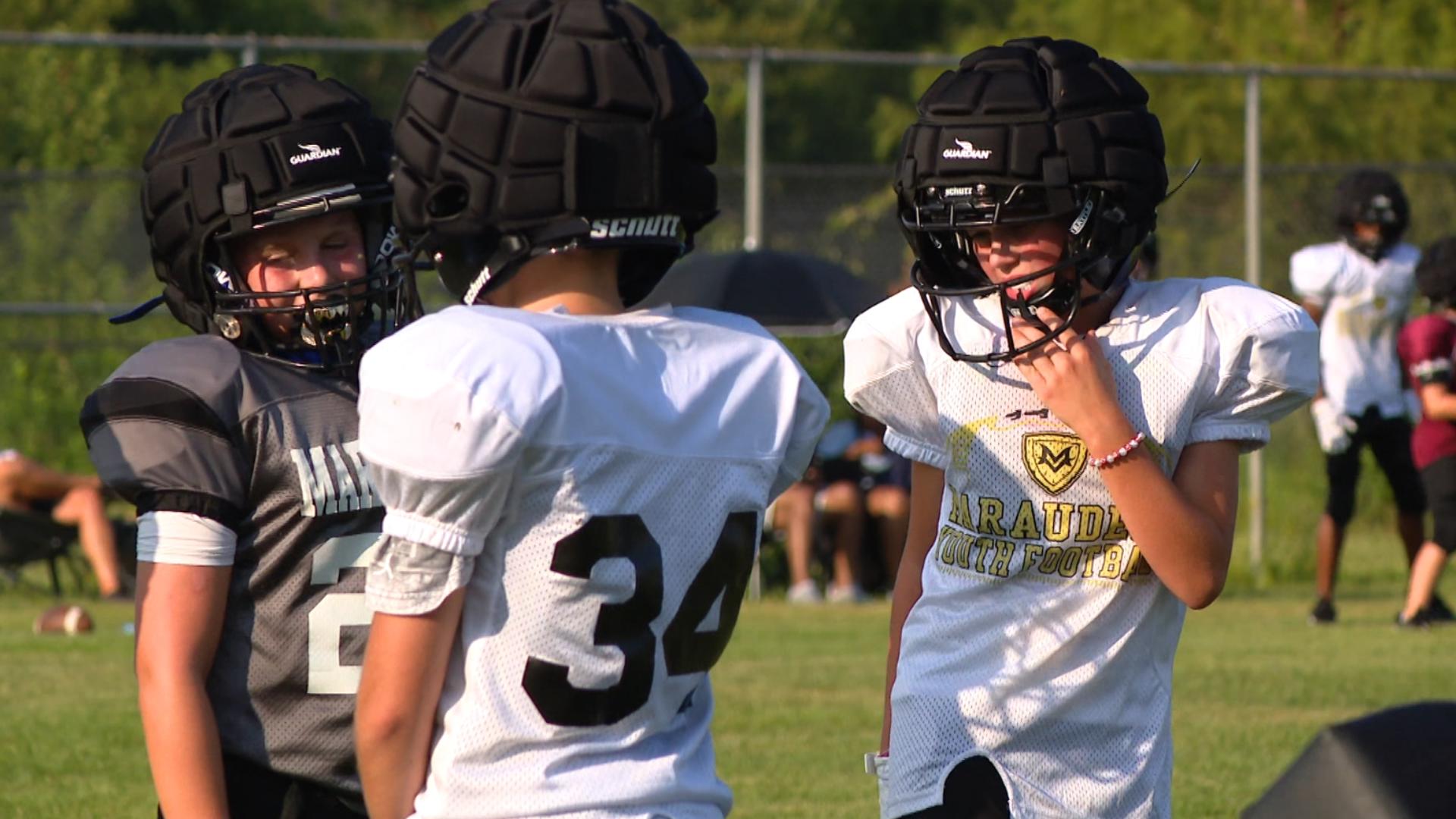
Fit and care basics
This is not the glamorous part, but it is the part that keeps “safety gear” from turning into “random gear.”
- Match the cap to the helmet: Use the correct model and size for the helmet type and follow the manufacturer’s installation instructions. Do not improvise with straps, tape, or a size that only sort of fits.
- Do not use it to fix poor fit: A Guardian Cap should not be used to make an ill-fitting helmet feel tighter. Start with a properly fitted, properly maintained helmet.
- Confirm compatibility: If your team uses helmet communication systems or specific decals and labels, have your equipment staff confirm the cover works with your setup and does not violate any rules for that level.
- Inspect it: Check for torn seams, flattened padding, or damaged attachment points. If it is beat up, replace it.
- Clean it: Follow the care instructions for cleaning and drying. Anything that lives in a gear bag all week needs basic hygiene built in.
If you are a parent
If your child’s team is considering Guardian Caps, these questions cut through the noise:
- When will they be worn? Only during contact periods, or all practices, or games too?
- How does the staff teach tackling? Ask what heads up looks like in their drills.
- How does the team handle suspected concussions? Equipment matters, but response matters more.
- Is the helmet still properly fitted and certified? A cap should not be used to “fix” a helmet that does not fit.
- Will players still have contact limits? The cap is an add-on, not an excuse to increase collisions.
FAQ
Do Guardian Caps prevent concussions?
No equipment can promise concussion prevention. Guardian Caps are intended to reduce certain impact measures, which may help lower risk in some situations, but concussions can still occur.
Are Guardian Caps only for linemen?
They are common in the trenches because those players experience lots of routine collisions. But teams use them across positions, especially in contact practices.
Can a player wear a Guardian Cap in a game?
Sometimes, depending on the league and current rules. Many levels focus on practice use, while game use varies by governing body and local policy.
Does a Guardian Cap replace a better helmet?
No. Think of it as an additional layer. Helmet condition, certification, proper fit, and coaching technique still matter.
The takeaway
A Guardian Cap is a padded shell worn over a football helmet, most often in practice, to help reduce impact severity from routine contact. It is one more tool in a bigger safety toolbox that includes proper helmet fit, smart practice planning, modern tackling instruction, and a concussion protocol that athletes actually follow.
Football will always be physical. The goal is to keep that physicality from turning into avoidable harm, one smart adjustment at a time.