
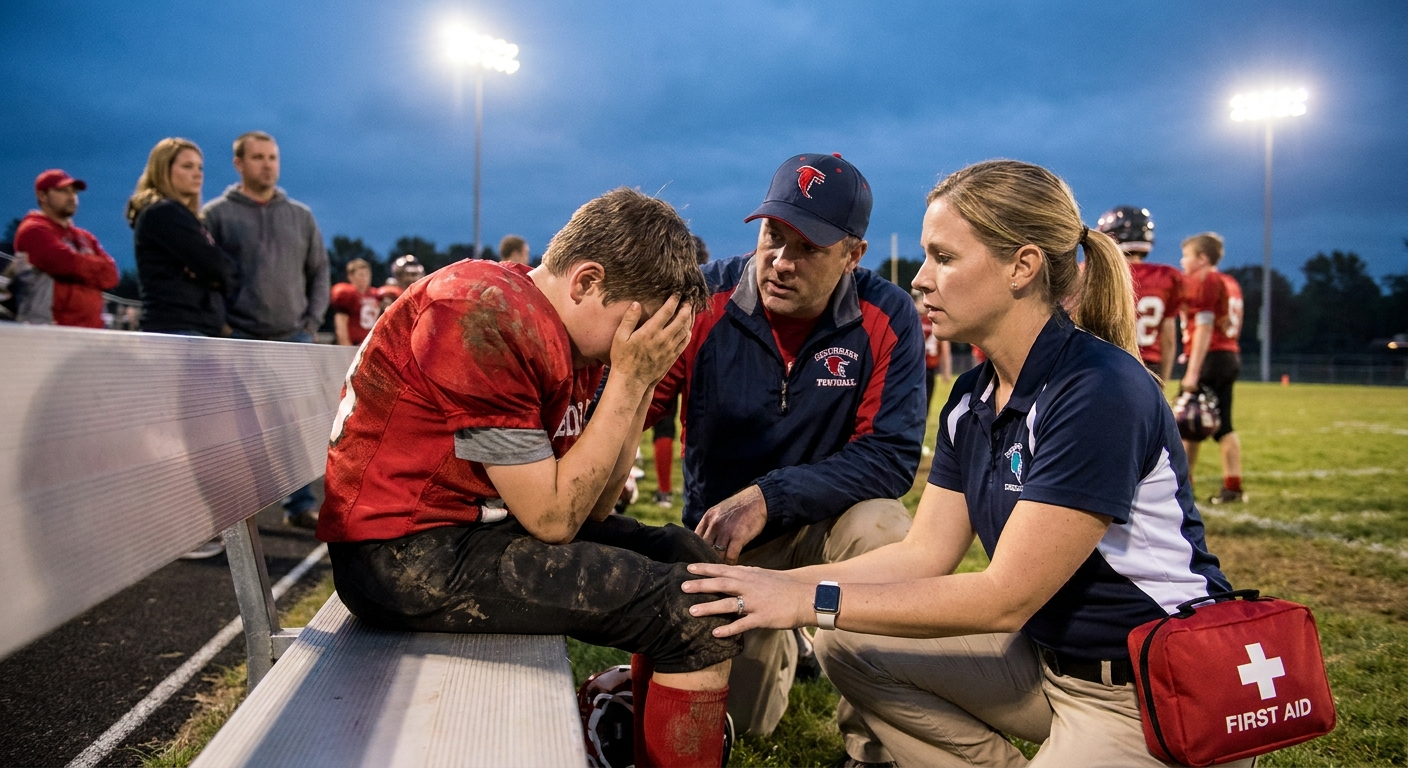
I have coached enough youth hoops to know this: the hardest part of concussion safety is not the protocol on paper. It is the moment a kid insists they are fine, a parent is nervous about losing playing time, and a coach is trying to balance competition with care.
Youth concussion laws were built for that exact moment. They set minimum rules so safety is not negotiable, no matter the sport or the scoreboard.
What a youth concussion law is
A youth concussion law is a state law that governs how covered schools and, in some states, youth sports programs must handle suspected concussions in young athletes. Washington’s Lystedt Law is widely viewed as the modern starting point for these protections, and many states built similar guardrails even though the details vary.
These laws often apply to:
- School sports (middle school and high school)
- Youth sports organizations in certain situations, such as programs that partner with schools or use public school facilities, depending on the state
- Multiple sports (not just football), usually any athletic activity with meaningful risk of head impacts
The key thing to understand is that these are minimum legal requirements. A league can always choose stricter rules.
The Lystedt Law, in plain English
Washington passed the Lystedt Law after 13-year-old Zackery Lystedt suffered a catastrophic brain injury following a concussion that was not properly recognized and managed. The law’s core idea is simple: when in doubt, sit them out, and do not allow return until a state-defined licensed healthcare provider says it is safe.
Most Lystedt-style concussion laws focus on three pillars:
- Immediate removal from play when a concussion is suspected
- Written medical clearance before return to practice or games
- Education requirements for coaches, parents, and often athletes
Removal from play
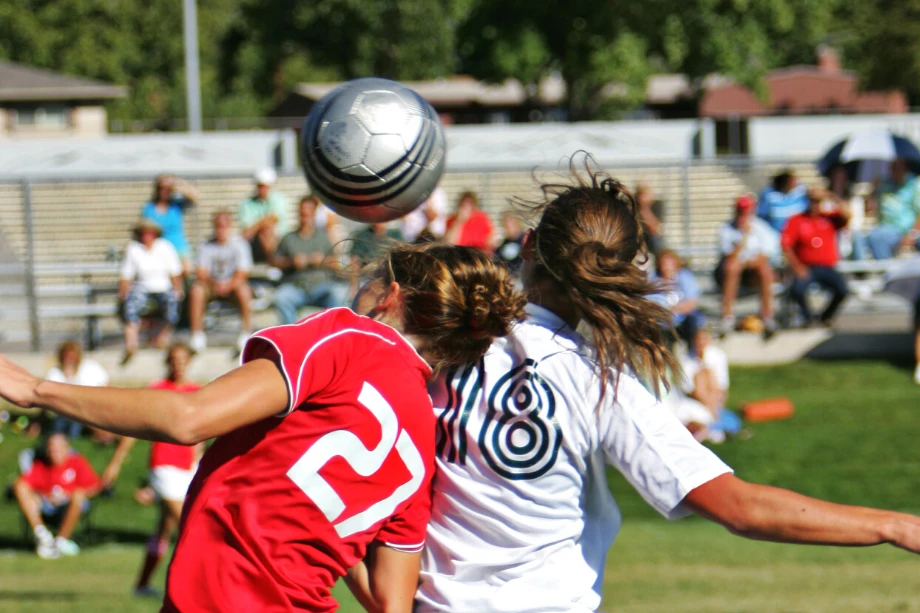
In many states, if a young athlete shows signs, symptoms, or behaviors consistent with a concussion after a hit or fall, covered programs must remove them from participation right away.
What “suspected concussion” usually means
States define this differently, but the practical standard is intentionally broad. If a coach, official, athletic trainer, or other responsible adult observes something concerning, removal is the safe move and, in covered settings, it is often required. Common red flags include:
- Appearing dazed or confused
- Balance problems or unsteady walking
- Headache, dizziness, nausea
- Slow to answer questions
- Forgetfulness about plays or score
- Behavior or mood changes
- Light or noise sensitivity
Important nuance: loss of consciousness is not required for a concussion.
When it is not “wait and see”
I am not trying to turn coaches into medical staff. But I do want every sideline adult to know the basic emergency line. If any of these show up after a head impact, treat it as urgent and get medical help right away:
- Symptoms that are worsening fast, especially a severe or increasing headache
- Repeated vomiting
- Seizure activity
- Loss of consciousness, even briefly
- Neck pain or suspected neck injury
- Weakness, numbness, or trouble speaking
- Unequal pupils or unusual eye behavior
- Increasing confusion, agitation, or can’t be awakened
Written clearance to return
The second pillar is that once a concussion is suspected, many programs prohibit a same-day return. And in many states, especially for school athletics, an athlete cannot return to practice or competition until written medical clearance is on file.
Who can clear an athlete
This is one of the biggest ways laws differ. Depending on the state and setting, clearance may come from:
- A physician (MD or DO)
- An advanced practice provider (nurse practitioner or physician assistant), sometimes with specific conditions
- An athletic trainer (ATC) in some school-based settings in some states
- A provider who meets a state definition of a licensed healthcare provider, sometimes with required concussion training
Practical takeaway: do not assume the same clearance note works everywhere. One state may require an MD or DO, while another allows a broader list if the provider has concussion-specific training.
“Written” is the key word
These laws typically require documentation. A quick verbal “they’re good” does not meet the standard. In school settings, that often means a signed clearance form on file with the athletic department.
Clearance is not the finish line
In real life, clearance is usually followed by a step-by-step return-to-play progression, where activity increases gradually as long as symptoms do not return. That staged ramp-up is how you avoid turning one injury into two.
Education requirements
The third pillar is education. Many concussion laws require that concussion information be provided, acknowledged, or completed before the season for covered teams and programs.
State rules vary, but typical requirements include:
- Coach training on concussion signs, response, and return-to-play rules
- Parent or guardian acknowledgment (often a signed info sheet)
- Athlete acknowledgment, especially at the middle and high school levels
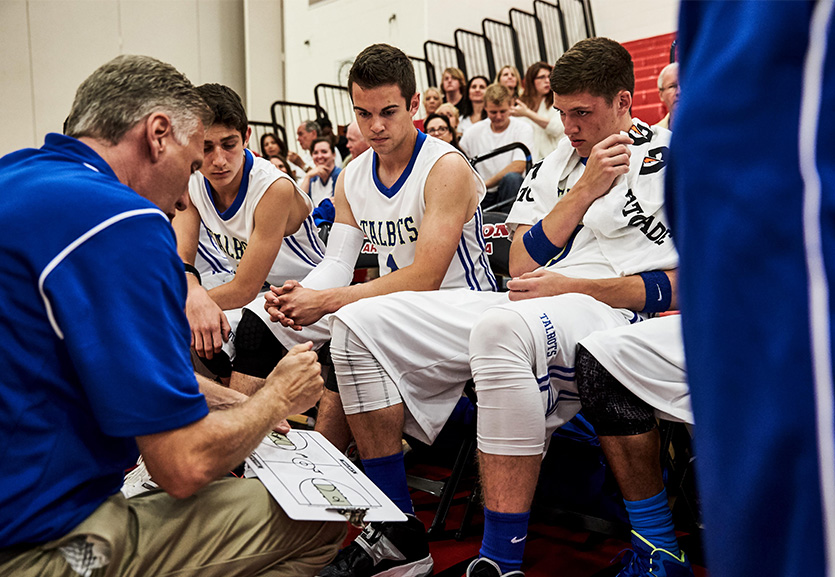
In practice, this does two important things: it sets expectations early, and it reduces the pressure on the sideline when emotions run hot.
How laws differ by state
Most states share the same backbone, but the details matter. Here are the most common points of variation.
1) Who the law covers
- School athletics only: Some states focus mainly on interscholastic sports.
- School plus youth leagues: Others extend requirements to private or nonprofit youth sports, sometimes tied to use of public facilities.
2) Which sports and activities are included
Many laws apply broadly to “athletic activities” or “youth sports.” Others focus on school-sponsored sports. Most do not single out football only, even if football drove the public conversation.
3) Who has authority to remove an athlete
Depending on the state and setting, authority can include coaches, officials, athletic trainers, or school nurses. The broader the list, the more likely a removal happens quickly, which is the point.
4) Who can provide clearance
This is the biggest difference you will see across state lines. One state may require a physician, another may allow multiple provider types, sometimes with concussion-specific training requirements.
5) Timing rules and return-to-learn
Some states explicitly mention return-to-learn support, meaning academic adjustments after a concussion (reduced screen time, rest breaks, modified workload). Others focus mostly on return-to-play. Even when not named in law, many schools use return-to-learn as best practice.
6) Paperwork and enforcement
Laws differ on what records must be kept, how long, and who enforces compliance. Some states include more explicit penalties or liability protections, while others rely mainly on school or league policy enforcement.
What this means on Saturday
If you are coaching or running a youth program, concussion laws usually translate into a few practical must-dos:
- Have a removal plan: who pulls the athlete, where they wait, who contacts the parent.
- Document the incident: even a simple internal report can protect the kid and the program.
- Do not negotiate return: if symptoms appear, the decision is made.
- Require proper clearance: and verify the credential rules in your state.
- Make education real: a handout is good, a short preseason meeting is better.
One simple next step: look up your state’s law, then make sure your league policy matches it, then train every adult who might be the one making the sideline call.
As a former player, I get the urge to “tough it out.” As a coach and writer who has talked with families after scary head injuries, I also know toughness looks different when a brain is involved. The law is there to take the hero-ball decision out of it, meaning the kid trying to be the hero at their own expense.
Quick FAQ
Is a youth concussion law the same as a league protocol?
No. A law sets minimum statewide requirements for covered programs. A protocol is the step-by-step plan a school or league uses to meet or exceed the law.
Do these laws apply to practices, or just games?
Often both, because the trigger is a suspected concussion during an athletic activity. But state wording differs, so programs usually write policies that clearly cover practices too.
Can my child return to play the same day?
Many programs prohibit same-day return even if a state law does not spell it out. If there are symptoms consistent with concussion, the safest standard is removal and no same-day return.
What if the injury happens outside sports?
A child can have concussion symptoms from a fall, biking, or PE class. State sports laws may not cover every scenario, but schools often apply similar return-to-play and return-to-learn standards regardless of where the injury occurred.
Where do I find my state’s exact requirements?
Start with your state department of education, state athletic association, or state health department. Many states publish summaries, guidance, and approved training resources, but if you cannot find a clear one-page overview, ask your school athletic director or league administrator what policy they follow and which statute it is based on.
The bottom line
Youth concussion laws like the Lystedt Law are built around three big ideas: remove the athlete when a concussion is suspected, do not allow return without written medical clearance, and educate the adults and athletes so everyone recognizes the risk.
States differ in who is covered, who can clear an athlete, and what paperwork or education is required. But the spirit is consistent: protect kids from the kind of second injury that turns a sports moment into a life-changing medical crisis.
If you are a coach, parent, or league director, treat the law as the floor. Build your culture above it.