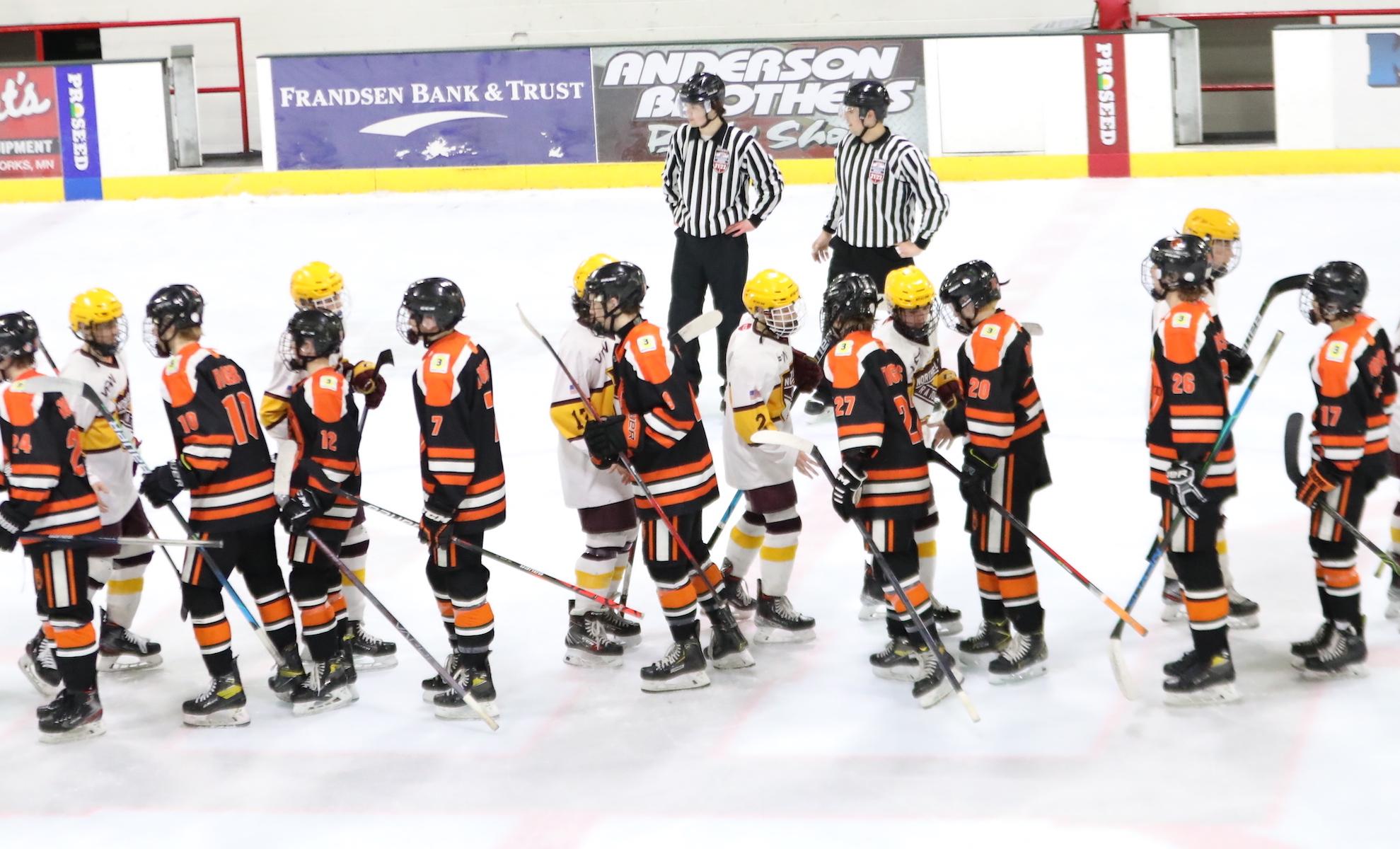
I have coached enough youth hoops to know this truth carries across every sport: the hardest part of a concussion is that the athlete often looks fine. In hockey, that can be even trickier. A kid can take a shoulder to the boards, pop right up, and still be dealing with a brain injury that is easy to miss in the noise of a rink.
USA Hockey’s concussion guidance is built around a conservative standard that is common across modern youth sports safety policies: if a concussion is suspected, the player comes out and does not return that day. From there, returning to hockey should be driven by medical evaluation, written clearance as required by your program and state law, and a gradual progression back to full participation.
If you want to see the exact wording your team is expected to follow, start with USA Hockey’s Safety Program concussion resources and then check your state youth-sports concussion law and your local association’s written policy. In practice, the strictest rule in the stack is usually the one that controls.
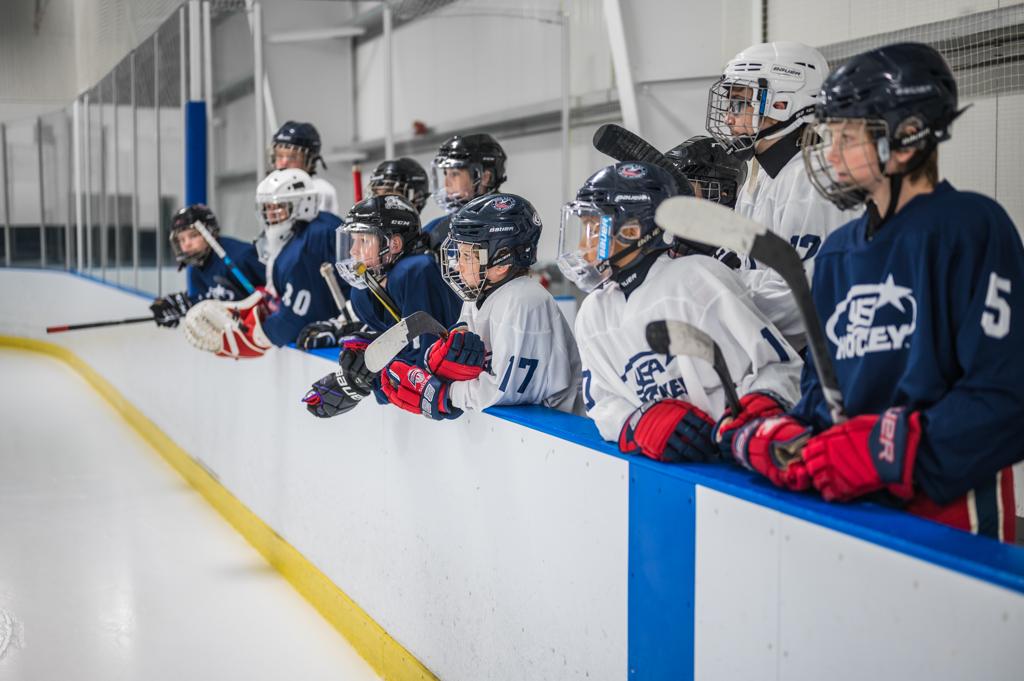
What “suspected concussion” means
USA Hockey’s approach is conservative by design. You do not need a confirmed diagnosis in the moment. If a player shows signs, symptoms, or behavior consistent with a concussion after a blow to the head, face, neck, or a hit to the body that transmits force to the head, that is enough to trigger removal.
In plain terms: when in doubt, sit them out. The goal is to prevent a second hit while the brain is vulnerable, and to get the athlete evaluated by an appropriate medical professional.
What happens right away
At the rink, the basics are straightforward and they match what most USA Hockey associations teach coaches and families to do:
- Immediate removal from participation when a concussion is suspected, meaning they are done for the day in that game or practice.
- No same-day return to any game or practice after a suspected concussion, even if the player says they feel fine later.
- Monitor and refer: keep an eye out for worsening symptoms and arrange medical evaluation as soon as possible.
This applies whether the incident happens during a game, a practice, a scrimmage, a tryout, or any on-ice team activity.
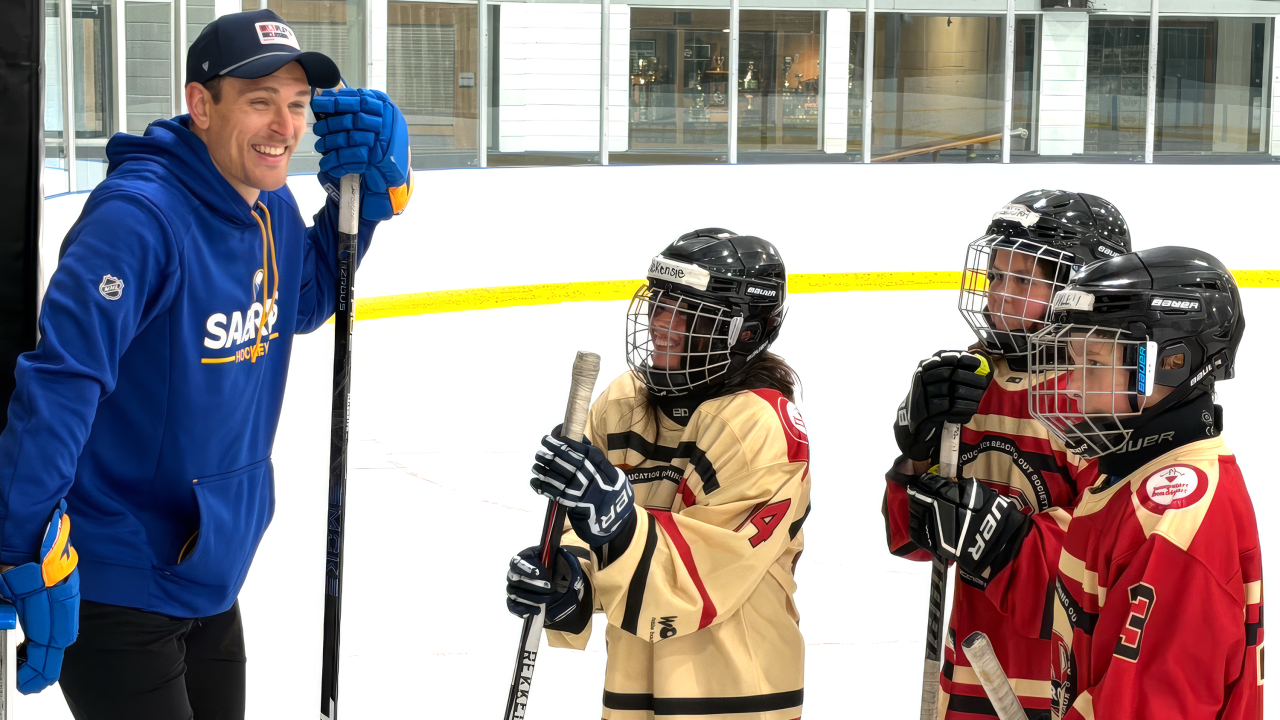
If you are a coach or rink volunteer, the safest communication pattern is simple: tell the parent or guardian right away, explain that the player is out for the day due to a suspected concussion, and recommend medical evaluation. If the athlete is symptomatic, make sure they are not left alone and that a responsible adult is watching them closely for the next several hours.
Red flags: get emergency care
Most concussions do not require an ambulance, but some situations do. If you see any of the following after a hit or fall, treat it as an emergency and seek immediate medical care:
- Worsening headache or a headache that is severe and escalating
- Repeated vomiting
- Seizure or convulsions
- Neck pain that is severe or getting worse
- Increasing confusion, agitation, or unusual behavior
- Slurred speech, weakness, numbness, or trouble walking
- Loss of consciousness, even briefly
- Unequal pupils or vision changes that are sudden and significant
If you are on the fence, err on the side of caution and get evaluated urgently. In hockey, you also have to consider neck and spine injuries, not just concussion.
What USA Hockey says
At a high level, USA Hockey’s message is consistent with what you hear across youth sports: remove the player when a concussion is suspected and do not allow a same-day return. Many local associations also require written medical clearance before the athlete can return to USA Hockey-sanctioned participation after a suspected concussion.
Because the exact language and paperwork can vary by affiliate and by state, it is worth reading your association’s written policy and the USA Hockey Safety Program concussion guidance your coaches are trained under, not just relying on rink folklore.
Who can clear return to play
This is the piece families most often want nailed down. After a suspected concussion, returning to USA Hockey activities is typically based on written clearance from a licensed health care provider, as defined by your state law and your local affiliate or association policy. Some states spell out specific credentials or concussion-training requirements for the provider who can clear a youth athlete.
The safe, practical approach is:
- Follow your state concussion law and your association’s written policy on who can provide clearance and what documentation is required.
- Use a clinician experienced with concussions whenever possible, especially for athletes with prior concussions, migraines, ADHD, or prolonged symptoms.
- Coaches, parents, and teammates cannot clear a player for return to play.
If your association, rink, or tournament has a specific clearance form, use it. If policies conflict, follow the stricter standard and check with your association and the treating clinician.
Return to play steps
USA Hockey associations commonly use the broader medical consensus for a gradual, step-by-step return to sport. You will see differences in the way stages are labeled depending on your state, your affiliate, and the clinician managing the case. The consistent principles are:
- Brief rest early, then gradual activity: current guidance generally favors a short period of relative rest for the first day or two, then a gradual return to light activity as tolerated.
- One step at a time, often with at least 24 hours between stages.
- No pushing through symptoms: if symptoms return or worsen, stop, rest, and resume at the prior successful stage when cleared to do so.
- Clinician-guided progression: the treating provider gets the final say on timing and readiness.
Important: The sequence below is a hockey-friendly example, not an official USA Hockey stage list. Your clinician, league rules, and local association policy can adjust steps and timelines.
A hockey-friendly example
This is an example sequence that is consistent with widely used return-to-sport progressions. Your program or clinician may adjust it.
- Relative rest, then normal routine: a short period of reduced physical and mental strain, followed by a gradual return to daily activities and school as symptoms allow.
- Light aerobic exercise: easy bike or brisk walking, no contact risk, no hard intervals.
- Light on-ice skating: simple skating, no battling, no checking, low fall risk drills.
- On-ice skills: passing, stickhandling, controlled drills at higher pace, still no contact.
- Non-contact team practice: normal tempo practice structure, still avoiding body contact and high-risk drills.
- Full-contact practice (only when medically cleared and permitted by your league rules): controlled reintroduction of contact to test readiness.
- Return to games: full participation.
Two important notes for hockey parents: First, “full-contact practice” is not a technicality. It is a checkpoint. Second, rushing stage jumps is where setbacks happen. In my experience, kids want to sprint back because they hate letting their line down. That is exactly why adults have to slow the process down.
Why no same-day return matters
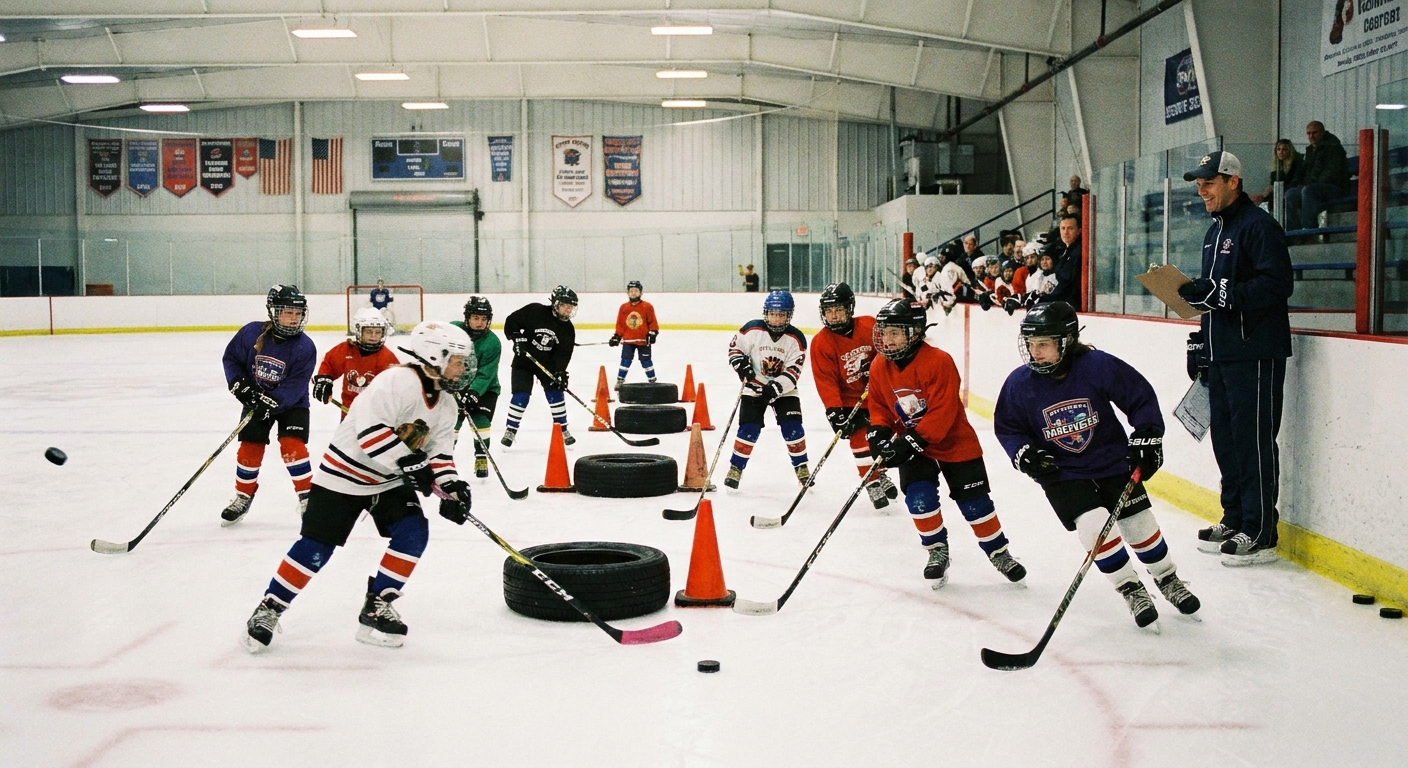
Hockey has unique risk factors: speed, hard surfaces, boards, and the kind of incidental contact that can sneak up on a player even in non-check leagues. If a player is concussed, reaction time, balance, and vision can all be affected. That is a dangerous mix on skates.
No same-day return helps prevent repeat injury before the brain has had time to stabilize, and it ensures the athlete gets assessed outside the chaos of competition.
What to watch for
You do not need medical jargon to do the right thing in the moment. Here are the common buckets of signs and symptoms families and coaches notice at the rink:
- Physical: headache, dizziness, nausea, sensitivity to light or noise, balance problems.
- Thinking: confusion, slow responses, “foggy” feeling, trouble concentrating.
- Emotional: irritability, sadness, anxiety that feels out of character.
- Sleep: sleeping more or less than usual, trouble falling asleep.
If any of those show up after a hit or a hard fall, treat it as a suspected concussion until evaluated.
If the player insists they are fine
Every coach has heard it: “I’m good.” Every parent has heard it: “It doesn’t even hurt.” Athletes are competitors, and hockey culture is full of toughness. Concussion rules exist to take the decision out of the player’s hands in the moment.
If a concussion is suspected, removal is mandatory and return that day is off the table. The next decision belongs to a licensed medical professional, not to adrenaline.
School matters too
Even when symptoms seem “mostly physical,” school can be where concussion shows up the loudest. Headaches, fatigue, and trouble focusing can turn a normal day into a grind.
As the athlete returns to activity, coordinate with the school and the treating clinician on a return-to-learn plan. That can include short rest breaks, reduced screen time, delayed tests, lighter homework loads, or a temporary modified schedule. Getting school right often makes the hockey return smoother, not slower.
Does this apply to youth and adults?
In terms of safety, the same common-sense backbone applies at any age: remove the player when a concussion is suspected, no same-day return, get medical evaluation, and use a gradual return.
Where it can differ is in what is required versus what is recommended. Many state concussion-return laws are written specifically for youth athletes and school sports, and adult recreational leagues may not be covered by the same legal requirements. USA Hockey-sanctioned programs and local associations can still have their own rules for adults, including expectations around evaluation and documentation.
The practical takeaway: follow your local association policy for the league you are in, and treat the medical guidance as the non-negotiable baseline.
FAQ
Can a player return to the same game if symptoms go away?
No. Under commonly used USA Hockey association policies and standard youth sports guidance, a player with a suspected concussion does not return to play the same day.
Can a coach or parent clear a player later?
No. Clearance should come from a licensed health care provider as defined by state law and the organization’s policy, and it should be documented in writing when required.
How long does return to play take?
There is no one-size timeline. Many stepwise plans use at least 24 hours per stage, but the actual pace depends on symptoms, concussion history, and medical guidance. The fastest safe return is the one that does not bring symptoms back.
What if it happens at practice?
Same approach. Suspected concussion means removal and no return that day, then evaluation and a gradual return with medical clearance as required.
The takeaway
USA Hockey’s concussion guidance is intentionally simple. If a concussion is suspected, the player comes out and stays out that day. Returning later should run through medical evaluation, written clearance as required by your program and state law, and a step-by-step ramp back to full hockey.
It is not about being cautious for the sake of caution. It is about protecting a kid’s brain so they can keep playing the sport they love next month, next season, and long after youth hockey is just a great memory.