
I still remember my first real campus visit as a teenager. Not the glossy brochure version, but the one where you have to find the gym, figure out the dining hall situation, and picture yourself living that routine when nobody is clapping. That is the heart of an NCAA unofficial visit. It is less red carpet, more reality check, and that is exactly why it matters.

An unofficial visit, in plain terms
An NCAA unofficial visit is a campus trip where a prospective student-athlete visits a college at their own expense. That usually means you and your family are paying for things like transportation, meals, and lodging.
Unofficial visits can be a huge part of recruiting because they let you:
- See the campus and the town up close
- Meet coaches (when recruiting rules allow it)
- Tour athletic facilities like weight rooms, stadiums, practice gyms, and training rooms
- Watch a practice if the program allows prospects to observe and rules permit it
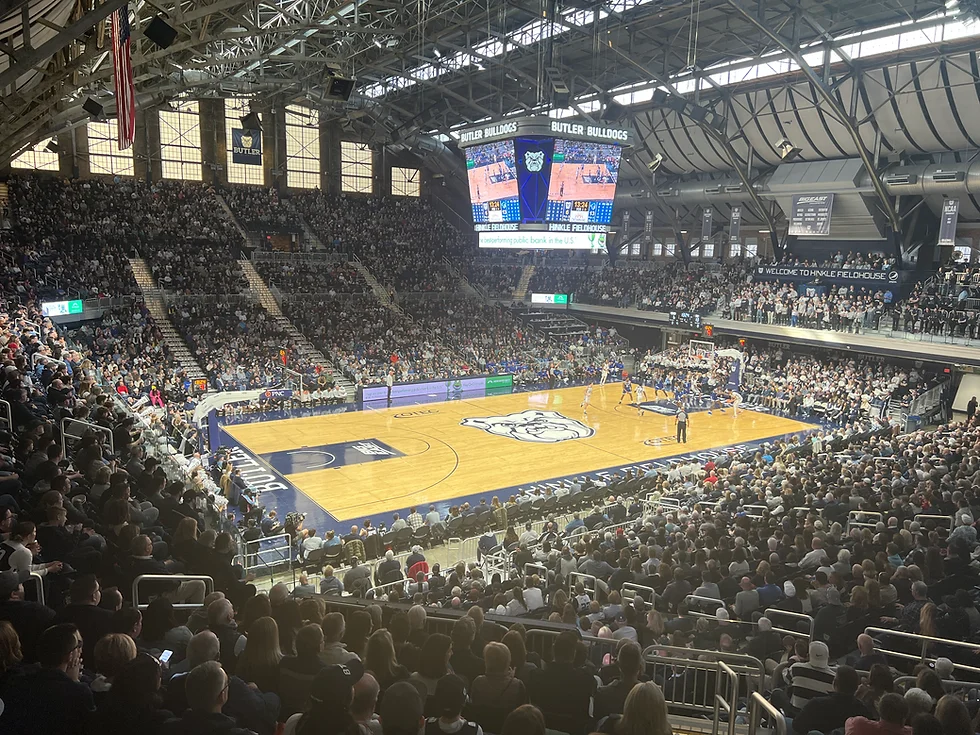
- Attend a game and feel the environment
Think of an unofficial as the visit you control. You pick the date, you pick who comes, and you are not waiting for the school to put together a formal itinerary.
Who pays for what on an unofficial visit?
The defining feature is simple: you pay.
On an unofficial visit, schools generally cannot pay for your travel or lodging the way they can on an official visit. Depending on your sport, division, conference rules, and the recruiting calendar, a program may be able to provide certain limited, permitted benefits (think: some on-campus transportation, certain tickets, or occasional meals within the rules). But the backbone of the trip is still on your tab.
Day-to-day, that means prospects often keep it modest: a drive to campus, a meal nearby, then home. For families traveling farther, it can look like a full weekend that just happens to be on your dime.
That said, unofficial does not mean you are on your own. Programs can still host you in ways that comply with NCAA rules, and you can still learn a ton if you plan the day well.
What you can do on an unofficial visit
The exact menu varies by sport, school, and time of year. Some programs run unofficials like a tight, efficient tour. Others keep it low key. Either way, you are usually getting a mix of campus life and basketball- or football-specific check-ins.
Common unofficial visit activities
- Campus tour (official admissions tour or informal walk-through)
- Facility tour (weight room, locker room, stadium or arena, training room)
- Meetings with coaches or staff when permitted
- Time around players in casual settings if it is allowed and appropriate
- Academic meetings with advisors or program support staff
- Attend a home game and experience the crowd, pregame routine, and pace
If you are a hoops player, I always tell families to pay attention to the details you cannot see on highlights: how organized warmups are, how coaches talk to the end of the bench, and how players interact when something goes wrong. Those are culture tells.
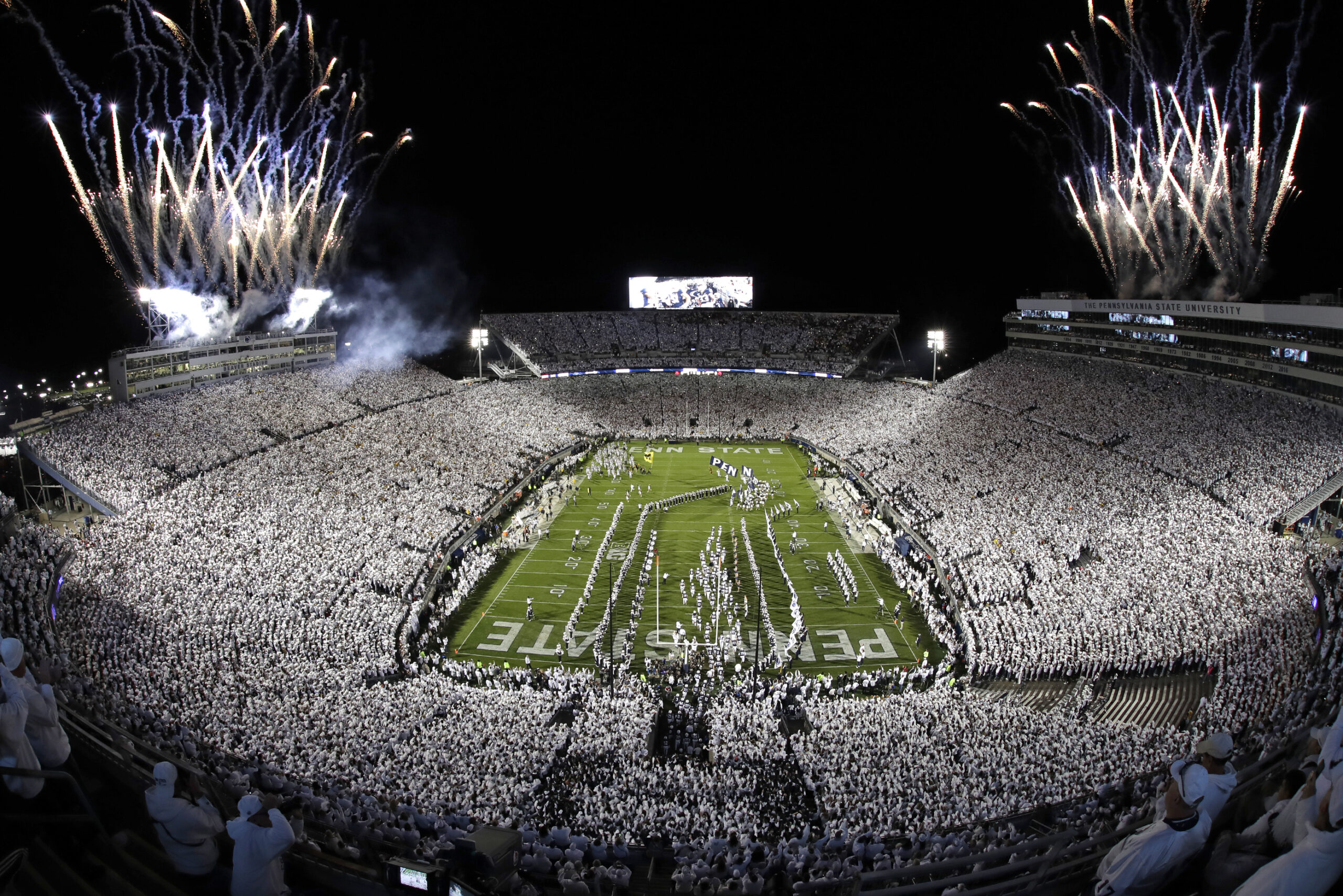
If you are a football recruit, I would say the same thing in football language: watch the sidelines, watch how position coaches correct mistakes, and pay attention to how the team responds after a bad series. That is the stuff you live with.
What coach contact is allowed?
This is the part that trips people up, because “unofficial” is about who pays, not automatically about who can talk to whom. Coach contact is governed by recruiting rules that can vary by sport, division, conference, and the prospect’s situation.
In general, an unofficial visit is a setting where a prospect may have in-person contact with coaches and staff if contact is permitted at that time for that prospect. When it is allowed, that contact can look like:
- Conversations with the coaching staff
- A structured tour of facilities
- Program presentations about training, academics, and player development
One concrete example of why the details matter: in Division I sports like football and basketball, recruiting calendars include periods where in-person contact is restricted. So the exact same unofficial visit on two different weekends can feel completely different, purely because of the calendar.
If it is not a permissible time for in-person recruiting contact, you might still be able to visit campus on your own, but you should not expect the normal meet-and-greet with coaches.
Practical advice: before you book a hotel or miss school for a Friday visit, ask the staff one direct question: “If I come on this date, are you allowed to meet with me in person?” That one sentence can save a lot of confusion.
Unofficial vs. official visit
Families often describe these as “the free visit” and “the paid visit,” and that is mostly accurate, but the differences run a little deeper.
Unofficial visit
- Paid by the prospect (travel, hotel, meals)
- More flexible in timing and planning
- Often shorter and more casual
- Can happen multiple times at the same school, depending on your schedule and budget
Official visit
- Paid by the school within NCAA rules
- More structured, typically with a set itinerary
- Designed as a closer in recruiting, with deeper access to people and resources
If unofficials are your first impression and your gut check, official visits are usually when programs ask for a real answer, or at least try to push you toward one.
Why unofficial visits matter
Because you are paying, unofficial visits tend to get framed as “smaller.” But from a player perspective, they can be the most honest part of the process.
- You see normal life on campus, not just the program’s best weekend plan
- You control the vibe, including how many people you meet and what questions you ask
- You can revisit after the initial shine wears off, which is when real clarity hits
I have watched recruits fall in love on an unofficial because the campus felt like home. I have also watched recruits cross a school off the list because the fit was not there once they saw the day-to-day rhythm.
Smart questions to ask
When I am helping families get ready for a visit, I push them toward questions that reveal role, development, and support, not just hype.
Coaches and staff
- “What do you see as my best position in your system?”
- “What does my first year look like if everything goes right? What if it takes time?”
- “How do you develop players in the offseason?”
- “What is your roster plan at my position over the next two years?”
Current players (if you can talk to them)
- “How demanding is a typical week in season?”
- “How does the staff handle mistakes?”
- “What do you wish you knew before you committed?”
Academic support
- “How does tutoring work during road trips?”
- “Are there majors that are difficult to fit with this sport’s schedule here?”
Quick checklist
- Confirm who you are allowed to meet on that date, including coaches
- Ask what the day looks like so you know if it is a guided tour, a self-guided visit, or a mix
- Build a simple schedule (campus tour, facility tour, time to explore on your own)
- Bring a parent or trusted adult who will remember details you miss
- Wear comfortable shoes, because you will walk more than you think
- Write down impressions the same night, while it is fresh
- Keep it clean on benefits and do not accept anything that feels like an extra perk outside what is allowed
Unofficial visit FAQ
Can you take more than one unofficial visit to the same school?
Often, yes. Because the prospect is paying, recruits commonly take multiple unofficial visits to schools they are seriously considering, especially if they live within driving distance.
Is there an NCAA limit on unofficial visits?
There is not typically a hard cap on unofficial visits in the way people think about official visits, but real limits show up fast: money, time, school schedules, and the recruiting calendar in your sport. Treat unofficials like your scouting trips. Take the ones that give you new information.
When should you start taking unofficial visits?
Families start at different times, and there is no single perfect grade level. Early unofficials can be great for learning what you like in a campus and a program. Just remember that early on, recruiting rules might limit what coaches can say or do with you in person, especially in certain sports and divisions.
Can you go on an unofficial visit even if you are not being recruited yet?
You can typically visit a campus as a regular prospective student, and many families do exactly that early on. Whether you can have recruiting conversations with coaches during that trip depends on the recruiting rules that apply to your situation.
Does an unofficial visit mean a scholarship offer is coming?
Not necessarily. Sometimes an unofficial visit is a strong sign of mutual interest. Other times it is simply a chance for both sides to learn more. Treat it as information gathering, not a promise.
Is an unofficial visit only for high school recruits?
No. Transfers also take unofficial visits, especially when they want to get a feel for a campus and a staff without the structure of a school-funded trip. The exact visit rules and what a program can provide can differ for transfers by sport and division, so ask directly.
The bottom line
An NCAA unofficial visit is a campus trip you fund yourself, and it is often the best way to get a clear-eyed look at a program’s culture, campus life, and fit. If you go in with a plan, confirm what contact is allowed, and ask the right questions, an unofficial visit can move you from “I like the idea of this school” to “I can actually see myself here.”