
I tell new hockey fans the same thing I told the kids I coached when they first discovered checking: you can hit in hockey, but you cannot just blow up anyone you feel like. That line, the one between legal contact and a penalty, is where interference lives.
Interference is one of those calls that can feel subjective in real time. But when you know what the officials are actually watching for, it gets a lot easier to spot.
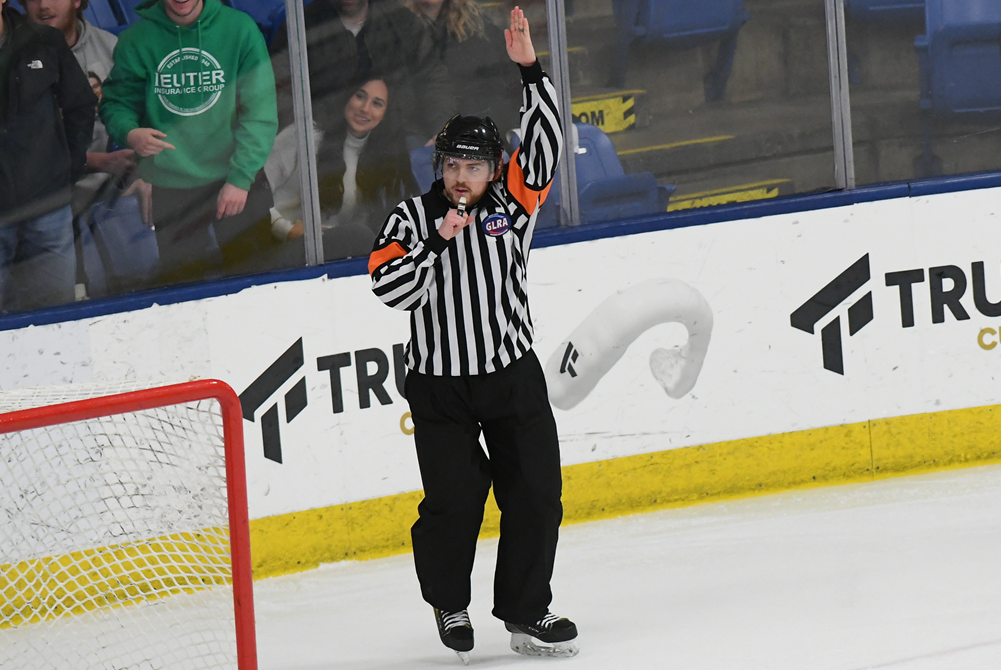
Interference, explained
Interference is a penalty for illegally impeding an opponent who is not in possession of the puck, including situations where neither player has the puck but one player blocks or bumps the other out of a legal lane.
In plain English: if a player does not have the puck, you generally cannot pick them, block them, bump them off their route, or throw a check just to stop them from skating where they are allowed to skate.
The rule exists for a simple reason. Hockey is chaotic and fast, and the puck is the point of the sport. Without interference rules, teams could run moving screens all over the ice and turn every rush into a traffic jam.
What refs look for
Officials are usually reading two things at once: puck possession and timing.
1) The player you impede does not have the puck
If the opponent clearly does not have possession, contact that takes away their lane, speed, or ability to make a play is a red flag. And remember, “possession” is about control, not just briefly touching the puck.
2) The contact is not part of a real puck battle
Hockey has lots of legal body positioning. The difference is whether the contact is part of playing the puck, or part of playing the person. If the puck is not reasonably in reach, officials are more likely to see the contact as avoidable obstruction.
3) You are not entitled to that ice
A defender can hold their lane, angle, and use body positioning to separate a puck carrier from space. You can also establish position first and make your opponent go through you when you are legitimately competing for the puck. But stepping into someone’s path like a basketball screen when the puck is elsewhere is where whistles come from.
4) The late contact factor
A classic interference look is a hit that comes after the puck is already gone. There is not a universal “window” written into every rulebook, but officials will often allow some momentum or continuation when the puck is just released. If the puck is clearly gone and the contact is still delivered, it starts to look like interference instead of physical hockey.
5) Picks away from the play
On breakouts and offensive-zone cycles, refs watch for subtle picks: a player drifting into a defender’s route to free up a teammate. If it is not a natural skating line and it clearly impedes, it can get called.
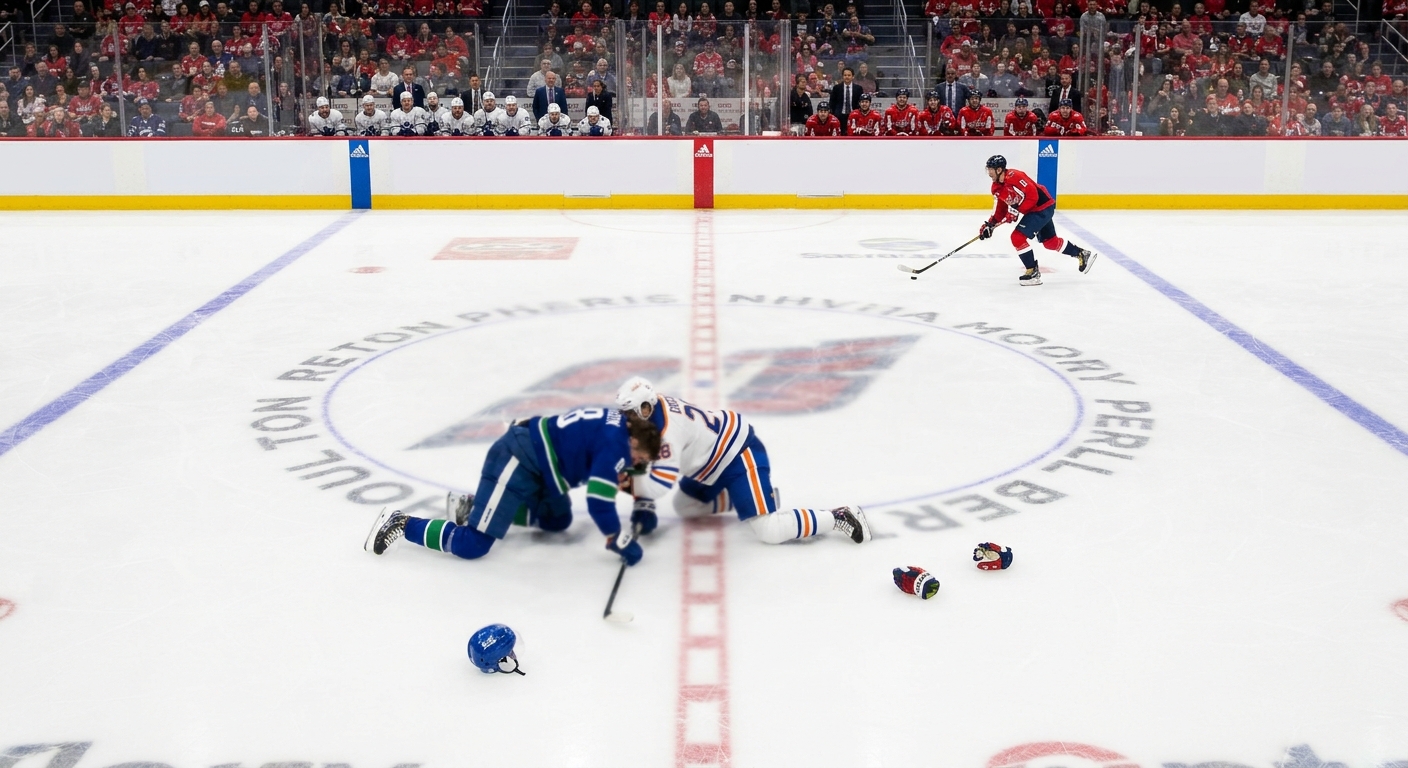
Interference penalty
Most interference calls are a two-minute minor. That means the penalized team plays shorthanded for two minutes, or until the opponent scores a power-play goal. A shorthanded goal does not end the penalty.
Depending on the league and severity, interference can also be escalated. You will most commonly see a minor, but some rulebooks allow combinations like minor plus misconduct, or a major and possible game misconduct if the action is violent or causes injury.
Common examples
- Taking out a forechecker on a breakout when the puck is on the other side of the ice.
- Setting a moving screen in the neutral zone to spring a teammate on an entry.
- Finishing a check too late after a player chips the puck in and you still level them.
- Blocking a defender’s route to the front of the net when the puck is behind the goal line and you are not engaged in a puck battle.
- Contacting a player who just passed the puck when the hit is more about stopping them from joining the play than separating them from the puck.
- Veering into a dump-in race and riding a forechecker off their line when neither of you is playing the puck yet.
Interference vs. holding
These two get confused because the end result looks similar: a player is prevented from skating freely. The distinction is the method.
Holding is restraint
Holding typically involves grabbing, wrapping up, or restraining an opponent with the hands, arms, or stick. Think jersey grabs, arm hooks, or tying someone up in a way that is clearly a restraint.
Interference is obstruction
Interference is more about blocking, picking, or bodying a player who does not have the puck, or making contact outside a legitimate puck battle.
Quick cheat code: if it looks like a “grab,” fans yell holding. If it looks like a “screen” or a “late bump” on a guy without the puck, it often leans interference. There is overlap at times, which is why you will see debates.
Interference vs. goalie interference
Regular interference is skater-on-skater and is usually about impeding someone away from the puck.
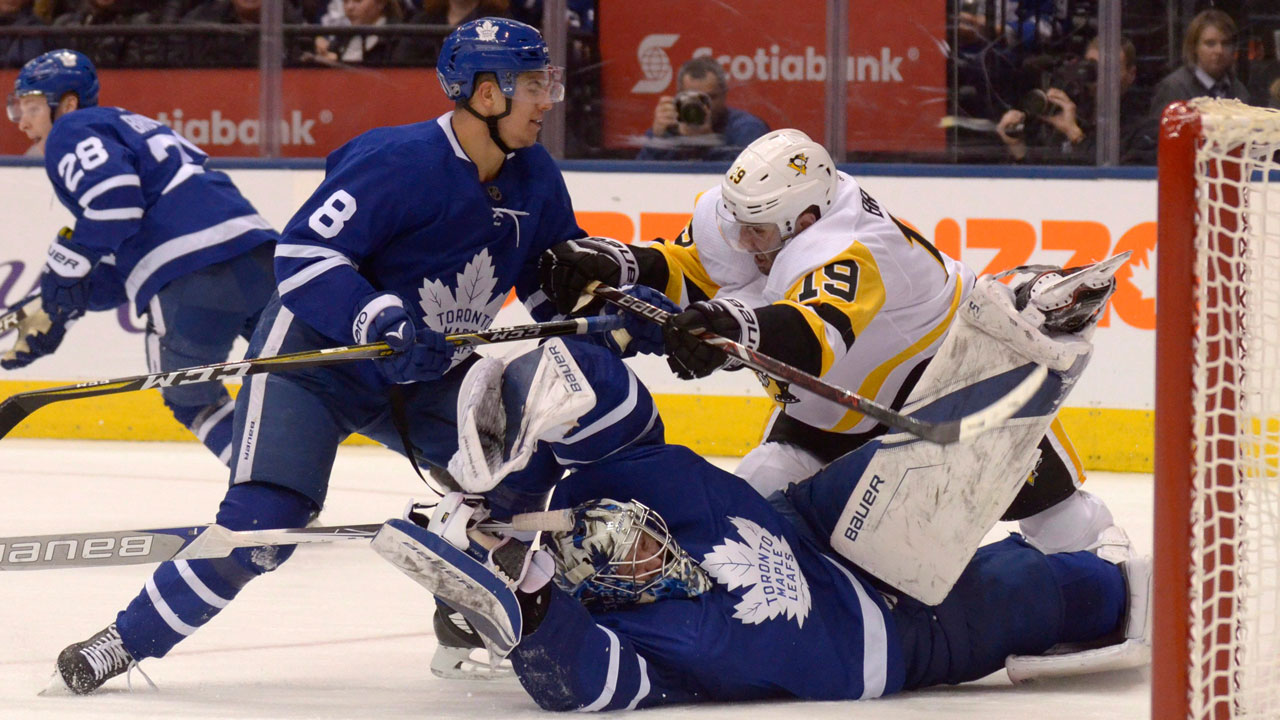
Goaltender interference is its own category focused on contact with or obstruction of the goalie in or around the crease. It can involve penalties, and it can also come up in scoring plays, but the standards and the context are different.
For this page, the key takeaway is simple: interference is about an opponent without the puck, while goaltender interference is specifically about actions that impact the goalie’s ability to do their job.
Why it matters
Coaches obsess over “time and space.” Interference penalties are basically the league’s way of protecting that concept for skilled players.
- On breakouts: interference can erase a clean exit because the defending team gets a power play instead of chasing.
- On entries: illegal picks are tempting because a half-step of separation can create an odd-man rush.
- On cycles: subtle obstruction can free a shooter, but it also puts refs on high alert if it becomes a pattern.
At the NHL level, where systems are tight and margins are tiny, giving away two minutes because you wanted a cheap lane denial is the kind of mistake that swings a period.
FAQ
Is interference always a hit?
No. It can be a bump, a pick, or simply skating into someone’s lane to impede them when they do not have the puck.
Can interference be called when neither player has the puck?
Yes. If the puck is nowhere near the contact and one player impedes the other’s progress without a legitimate play on the puck, that can still be interference.
Can you make contact with a player who just passed the puck?
Sometimes. Officials often allow some continuation when the puck is just released and the contact is part of the same play. If the puck is clearly gone and the contact is more about stopping the player from continuing, it is more likely to be interference.
Is “setting a screen” legal in hockey?
Not in the basketball sense. You can establish body position in a normal hockey way, but deliberate picks that impede a player who does not have the puck are a common interference call.
What is the signal for interference?
In the NHL, the standard signal is crossing your arms in front of your chest. Other leagues use very similar mechanics with minor variations, but if you learn the crossed-arms signal, you will recognize most interference calls on TV.