
One of the first things you learn watching hockey is that sticks are tools, not weapons. Players are allowed to battle for pucks, lift sticks, and disrupt plays. But the moment a stick turns into a chopping motion, refs start thinking about one word: slashing.
Slashing, defined
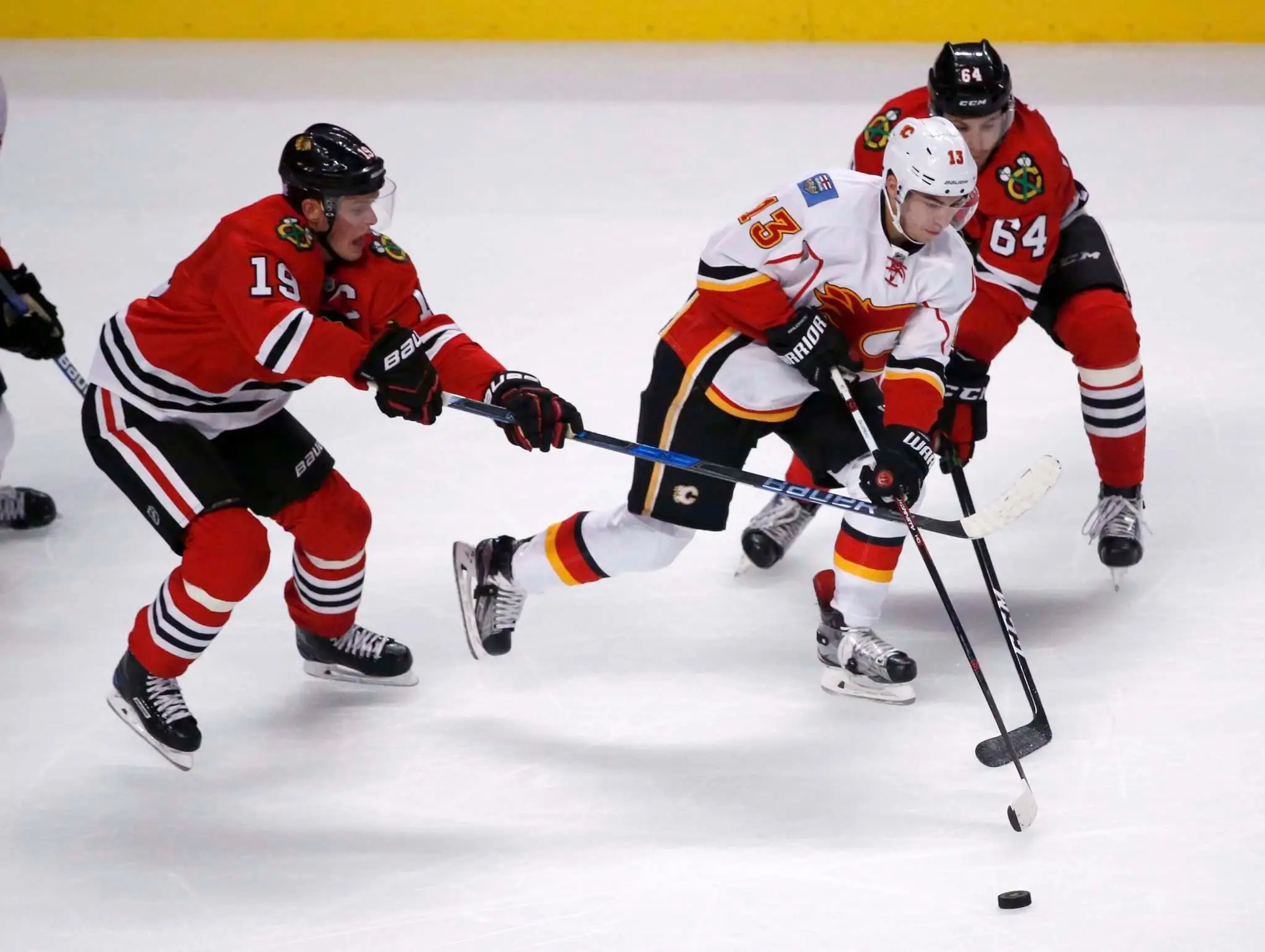
Slashing is when a player swings their stick at an opponent, either making contact with the opponent’s body (most commonly the hands or wrists) or chopping down on the opponent’s stick.
This is written with NHL-style officiating in mind, where the focus is less about where the stick is located in the air and more about the swinging or striking action, especially when it is reckless, retaliatory, or creates a clear injury risk.
What is still legal
Hockey is physical, and the rulebook recognizes that. A lot of stick work is legal when it is controlled and aimed at winning possession, not punishing an opponent for having the puck.
Common legal stick plays
- Stick lift: Getting under an opponent’s stick and lifting it to take away a shot or pass lane.
- Poke check: A controlled jab at the puck to knock it away, not a chopping swing at the player.
- Stick-on-stick pressure: Tying up the opponent’s stick blade or shaft in a battle, especially along the boards or in front of the net.
The line is pretty simple in real time: if it looks like a controlled play on the puck or the opponent’s stick, it often stays in the game. If it looks like a hack or chop, it starts looking like a slash.
When it becomes slashing
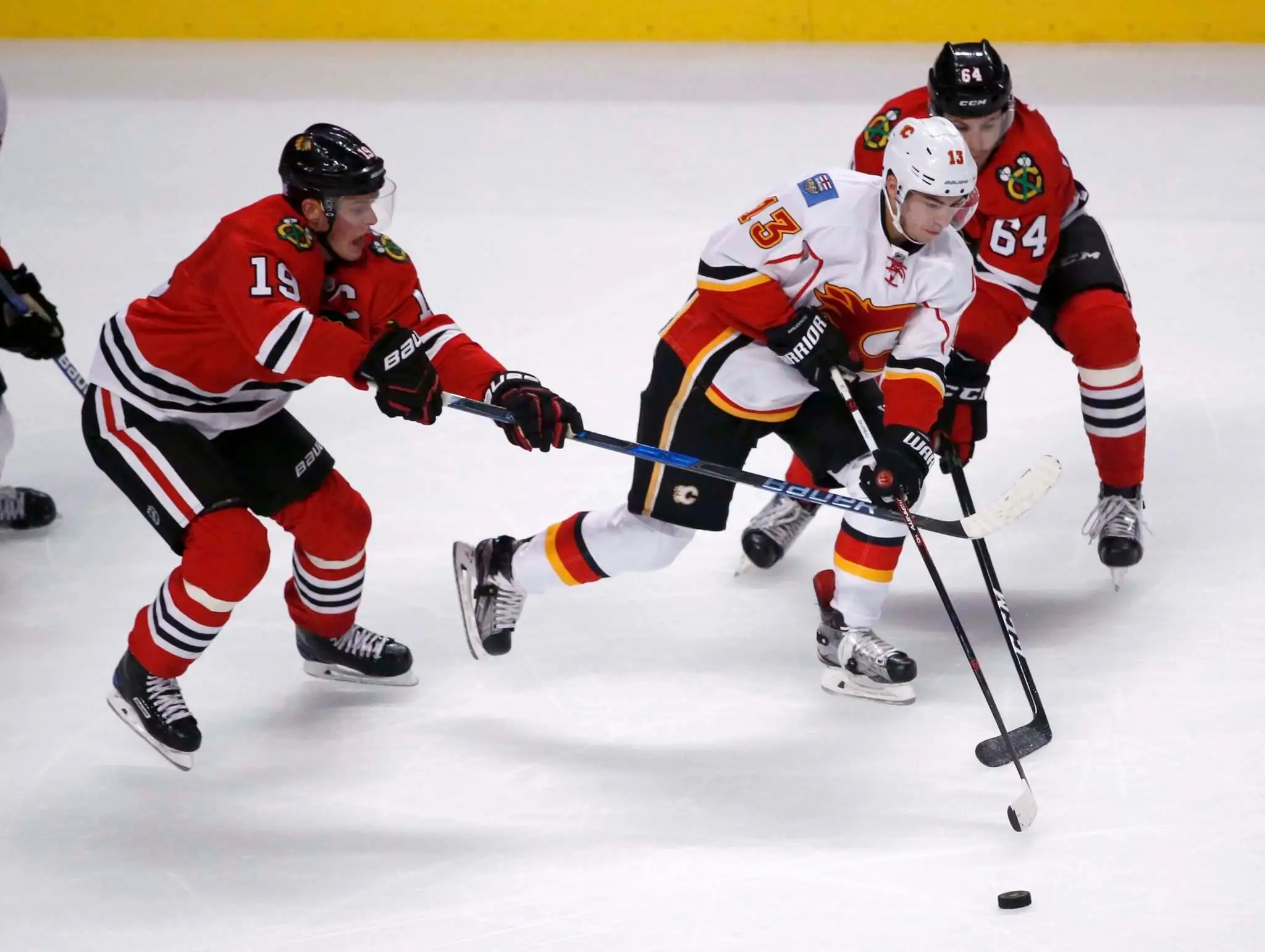
Referees are looking for a few telltale signs. Slashing calls are about both action and effect.
Red flags that get called
- A chopping motion: A downward swing that looks like an axe chop, even if it starts as a stick battle.
- Contact to hands or wrists: Hitting the area where players are most vulnerable and most likely to get injured.
- A retaliatory whack: The classic “after the whistle” or “because I got beat” slash that is not connected to the puck.
- Stick gets knocked loose or breaks: Not a formal rule threshold, but it can draw attention to the force and make a call more likely.
- Force matters: Two quick taps in a net-front scrum might get managed. A full wind-up hack is begging for two minutes.
Why hands are a big deal
If you have ever played any level of hockey, you know the hands are sacred. They are also exposed. Gloves help, but a hard slash can still cause serious damage, especially to fingers and wrists.
That is why slashing the hands is one of the quickest ways to turn a routine penalty into something bigger. In NHL-style rule enforcement, the severity can rise based on the violence of the swing, whether it looks like a two-handed baseball-style chop, whether it is retaliatory, and yes, whether an injury results.
Minor, major, match
- Minor penalty: The standard call for a slash that is reckless or illegal but does not rise to the most dangerous level. Typically two minutes.
- Major penalty: Used when the slash is violent or dangerous enough to cross the line. In the NHL, a major is typically accompanied by an automatic game misconduct.
- Match penalty: Reserved for the most severe cases, when the official believes there was intent to injure.
Different leagues set their own exact standards, but the guiding idea stays the same: hands plus force equals danger, and danger gets punished.
Stick vs player contact
Yes, and no.
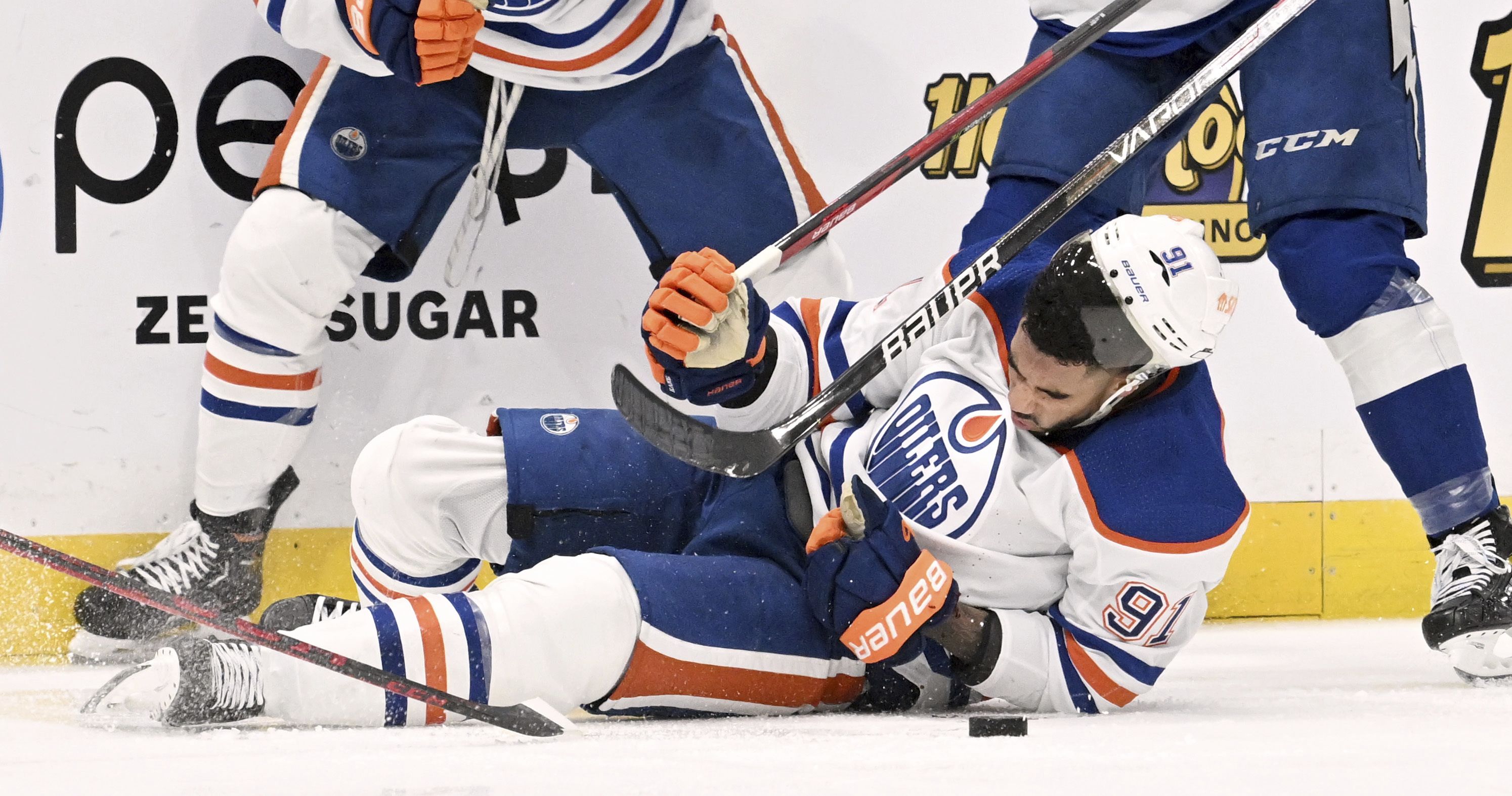
Yes, because stick-on-stick contact is part of hockey. A controlled stick check that disrupts an opponent’s blade can be clean.
No, because officials are judging the motion, not just the target. If you come down with a chopping swing and catch the hands on the follow-through, it can still be slashing. And if you hack down hard enough to look like you are trying to break the stick or punish the player, refs can still call it even if the first contact is technically stick-on-stick.
Here is the simple version: stick-on-stick is fine when it is controlled. The same play becomes slashing when it turns into a forceful swing or catches hands.
Common game moments
Most slashing penalties show up in a few predictable spots, especially when fatigue and frustration set in.
- Backchecking: A defender reaches from behind and chops down, trying to stop the hands from moving or to disrupt the puck.
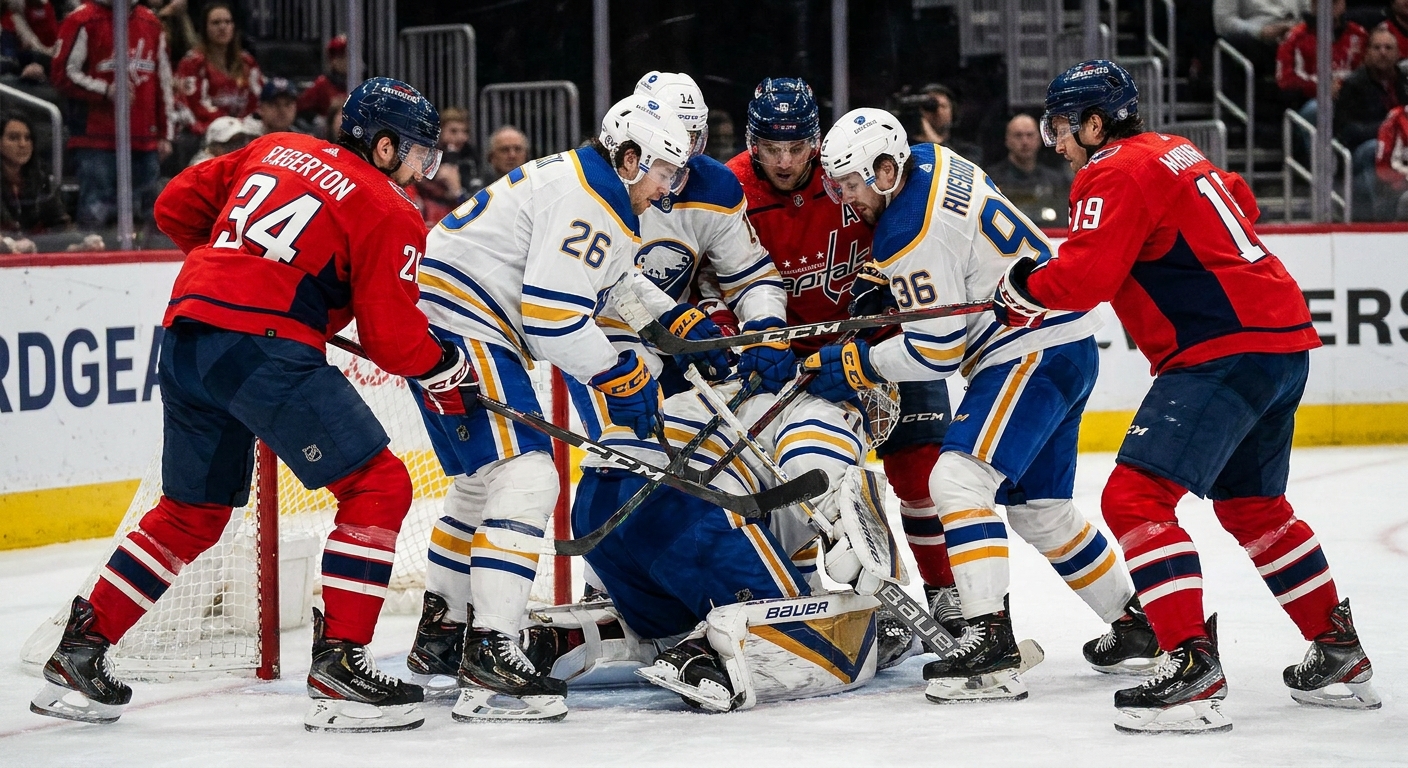
- Net-front battles: Sticks are everywhere, and one extra hard whack at a defender’s gloves turns a battle into a penalty.
- Corner battles: Players get tied up along the boards, then someone gets impatient and brings the stick down.
- After a missed chance: A forward loses the puck and gives the defender a “message” slash instead of getting back into position.
A concrete one you will see a lot: a defender gets beat wide, reaches in, and chops down on the puck carrier’s gloves to stop the play. That is almost always getting called.
Slashing vs other calls
If you are new to the sport, slashing gets confused with a few other stick penalties.
- Hooking: Using the blade of the stick to wrap, tug, or impede a player’s movement. It is more “pulling” than “chopping.”
- High-sticking: Contact made with a stick above an opponent’s shoulders, often catching the face. Height is the giveaway here.
- Cross-checking: Using the shaft of the stick between two hands to shove an opponent. It is more of a push than a swing.
Quick FAQ
Is slashing always a penalty?
No. Hockey allows stick checks. The penalty is for a swinging, striking motion that is illegal, dangerous, or not a legitimate play on the puck or stick.
Can you get called if you did not break a stick?
Absolutely. A stick does not need to break for it to be slashing. Forceful contact to the hands or a clear chopping motion is often enough.
Why do refs sometimes let little hacks go?
Game context matters. Officials often manage light contact in scrums, but they clamp down when the swing is harder, higher risk, or clearly retaliatory. The more it resembles a weapon-like chop, the more likely it gets called.
Is a two-handed chop worse than a one-handed swing?
Typically, yes. Two hands usually means more control and more power. That combination tends to look more dangerous and more intentional to an official.
The takeaway
Slashing is hockey’s way of policing a simple idea: you can compete with your stick, but you cannot hack with it. Keep your stick checks controlled, aim to win pucks and lanes, and stay away from the hands, especially with a chopping motion. That is where a “good battle” turns into two minutes, or more.