
High-sticking is one of those hockey calls that feels obvious in slow motion and chaotic in real time. A stick rides up, a glove gets clipped, somebody grabs their face, and the ref has to make a split-second decision while play is still exploding around the puck.
At its core, the rule is simple: if a player’s stick makes contact with an opponent above the shoulders, it is usually a high-sticking penalty. The details, though, are where games swing.
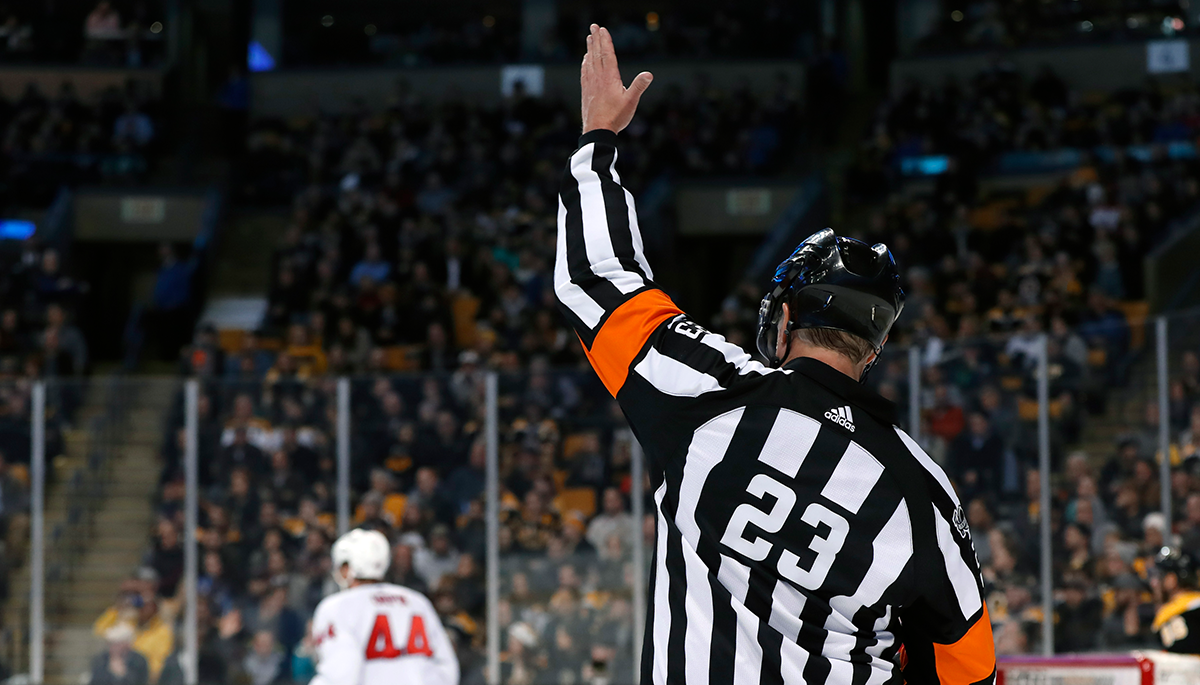
High-sticking definition
High-sticking is a penalty assessed when a player’s stick contacts an opponent above the normal height of the opponent’s shoulders. This typically includes contact to the face, head, or neck area.
The big idea behind the rule is safety. Sticks are hard, fast, and constantly moving. Once a stick gets up near the head, the risk of cuts, dental injuries, and eye injuries skyrockets.
What refs look for
Officials are tracking a few key things when deciding whether to call high-sticking:
- Where the contact happened: Above the opponent’s shoulders is the trigger point.
- Whose stick caused it: The player who made the contact is responsible for controlling their stick.
- Whether it was avoidable: Accidental contact is still commonly penalized, but the circumstances matter for severity.
- The result of the contact: Visible injury, especially bleeding, can escalate the penalty.
One important nuance for fans: refs are not judging intent as the main factor. A stick can clip a player during a battle and still be a penalty because it created dangerous contact up high.
Key exceptions
This is where the NHL rulebook reality kicks in. Not every accidental stick-to-face moment is automatically a high-sticking minor.
- Normal shot follow-through: If a player is taking a legitimate shot and their stick makes accidental contact with an opponent during the normal windup or follow-through, it is generally not a high-sticking penalty. In other words, a true shooting motion gets treated differently than a careless swing.
- Face-off bend-over: On face-offs, players, especially centers, are often bent at the waist. If an opponent’s stick makes accidental contact because the player is leaning in and changes their height during the draw, officials can treat it as incidental and not call high-sticking.
These exceptions are why two plays that look identical from the stands can get called totally differently. The context matters.
The standard call
Most high-sticking penalties are assessed as a minor penalty, which means two minutes in the penalty box (unless the opposing team scores on the power play, which ends the minor early).
This is the common version you see when a player gets tagged in the face or chin but skates away without obvious injury. It is still a big deal. A routine high-stick can flip momentum instantly, especially late in a period when tired penalty killers start reaching.
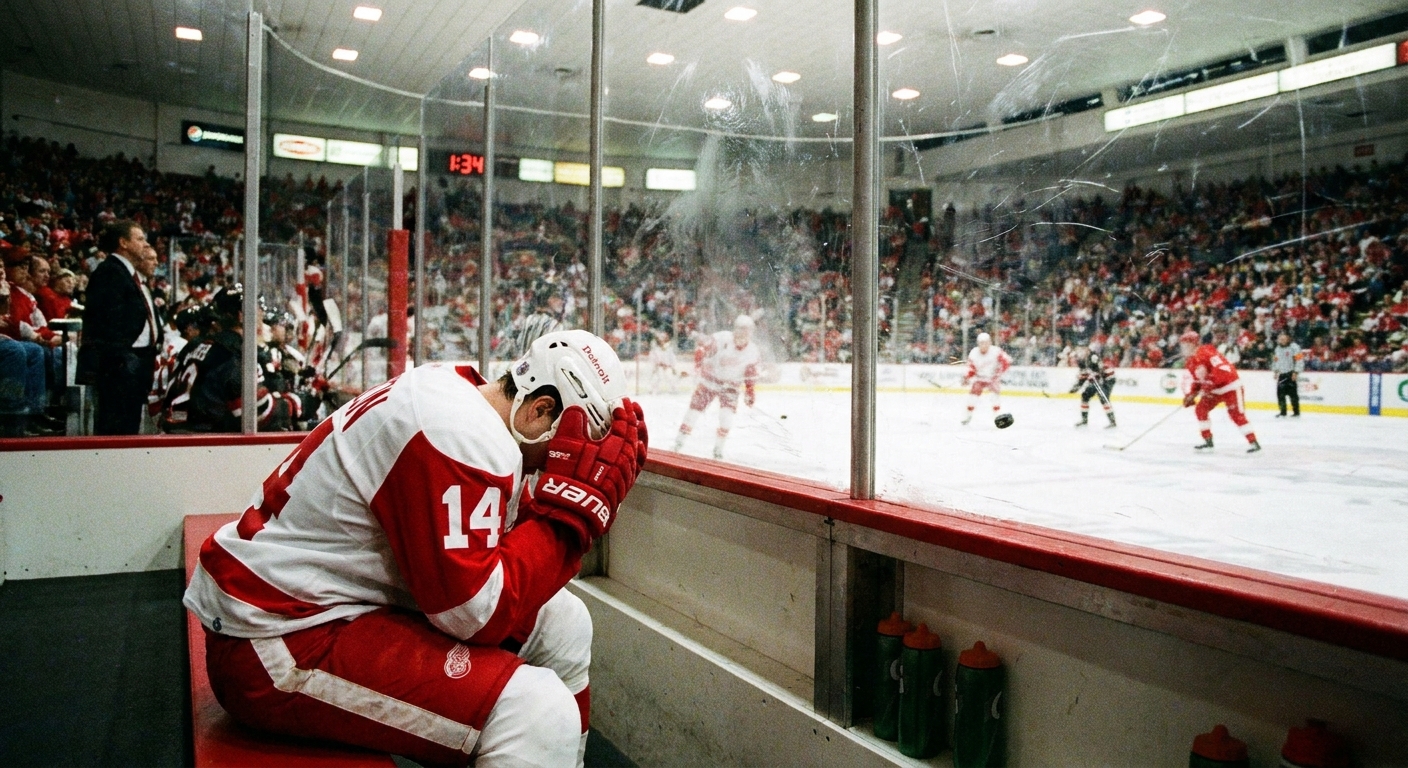
When it is four minutes
If the high-stick causes a visible injury, the penalty can be increased to a double minor, which is four minutes.
In practice, the most common marker officials use is blood. If a player is clipped up high and there is visible bleeding, you will often see the referee signal four minutes. It is not about selling the call. It is about the result: dangerous contact that clearly caused harm.
A double minor works like two back-to-back minors:
- The offending team plays shorthanded for up to four minutes.
- If the power-play team scores during the first two minutes, the penalty drops to the second two-minute segment and play stays on the power play.
- If the power-play team scores during the second segment, the penalty ends.
That structure is why double minors are so pivotal. They create a long window for a team to cash in, and they can turn a one-goal game into a two-goal hole in a hurry.
Major and match penalties
A double minor is the one fans talk about most, but it is not the ceiling.
If a high stick is violent, reckless, or intentional, or it results in a serious injury, officials can assess a major penalty (five minutes), a match penalty, or impose additional discipline through the league. Those are rarer, but they are part of the rule’s enforcement and the reason players are taught early that a careless stick can go from “oops” to a game-changing disaster fast.
Common ways it happens
Most high-sticks are not cartoonishly reckless. They come from normal hockey motions happening at full speed in tight quarters:
- Stick lifts and board battles: A lift gets too aggressive and rides up into the hands and face.
- Missed poke checks: A defender lunges and the stick blade climbs as the puck carrier cuts.
- Wild swings at loose pucks: A player hacks at a bouncing puck and the stick finishes high with an opponent nearby. This is very different from a controlled, normal shooting follow-through.
- Net-front traffic: In scrums, sticks are tangled, and one unexpected bump can launch a shaft upward.
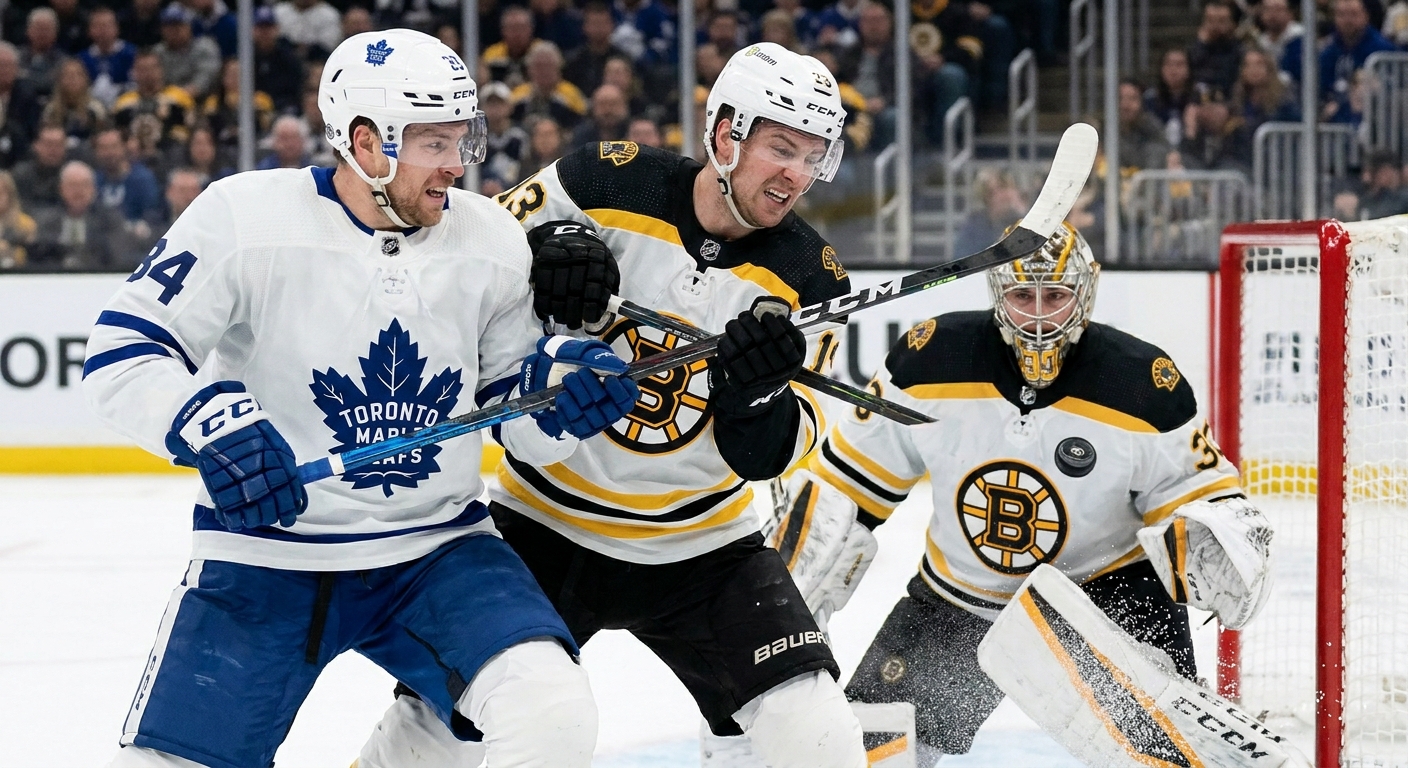
How players avoid it
Coaches harp on “stick discipline” for a reason. The easiest penalties to prevent are the ones that come from careless stick position.
- Keep your hands down: High hands tend to create high sticks, especially when turning or reaching.
- Lift sticks through the hands, not the arms: Controlled lifts are less likely to ride up into the head.
- Be smart around face-offs: Centers are bent over and traffic is tight. Getting your blade and hands under control before the drop prevents a lot of accidental clips.
- Choose control over panic swings: When the puck is bouncing, the temptation is to chop at it. Those are the motions that turn into high-sticking minors.
- Win with feet and body positioning: When you are in the right lane, you do not have to reach as much.
From a former player’s perspective, this is where fatigue quietly matters. Late in shifts, legs get heavy, and players start reaching. Reaching is when sticks climb.
High stick vs high-sticking
One point that trips up fans: a high stick can also refer to a stoppage, not a penalty. If a player plays the puck with a stick above the legal height, the play is whistled dead and a face-off follows. That is different from high-sticking, which is about your stick making dangerous contact with an opponent.
Quick FAQ
Is high-sticking always a penalty?
If a player’s stick contacts an opponent above the shoulders, it is typically a penalty. Two common NHL exceptions are accidental contact on a normal shot follow-through and certain incidental contact during a face-off when a player is bent over.
Is intent required for high-sticking?
No. High-sticking is commonly called based on the dangerous contact itself, even if it was accidental.
How long is a high-sticking penalty?
Usually two minutes (minor). If it causes a visible injury, especially bleeding, it can be four minutes (double minor). In severe cases, it can be called as a major or a match.
Why does blood matter so much on high-sticking calls?
Visible bleeding is a clear, practical signal that the contact caused an injury, which is a common basis for upgrading the penalty to a double minor.