
When a player gets big enough, their last name stops being a search term and becomes a statement. But this week the internet has flipped it. People are not typing “Haaland.” They are typing “Erling”, like they are looking up a myth, not a striker.
That first-name spike is not coming from one headline or one highlight. It is coming from a pileup of storylines hitting at the exact same time: Norway finally on the World Cup stage with its generational goal machine, a marquee England showdown being marketed like a heavyweight fight, Chinese fandom turning “Ha Bao” into a rallying cry, and an old teenage rap clip that has been resurrected by the meme gods right on schedule.
Let’s unpack why one name is suddenly doing the work of four different viral lanes.
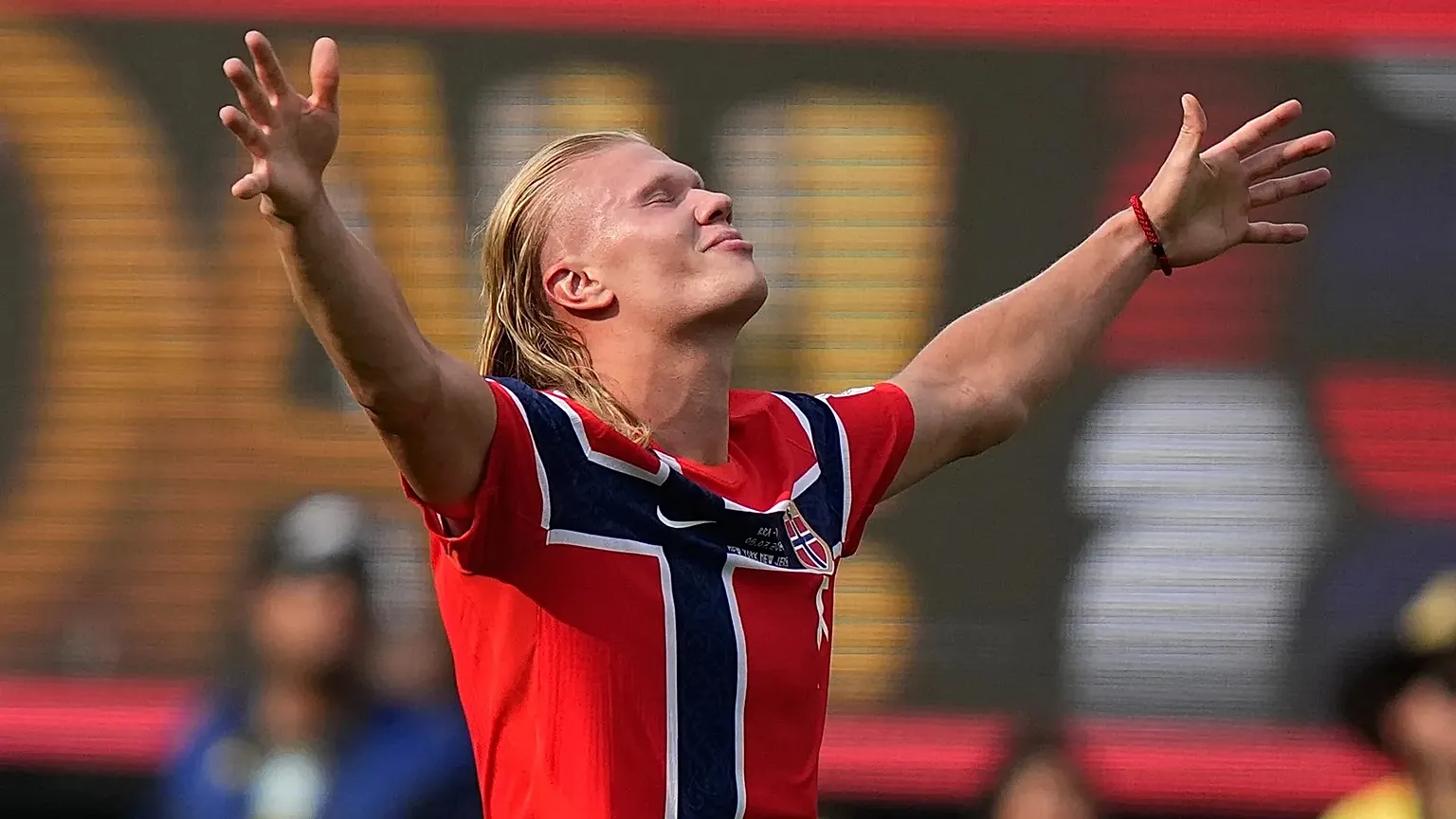
The World Cup debut effect
World Cups do this to stars. They take players who are already famous inside the sport and introduce them to everybody else at once, including casual fans who only tune in every four years, including kids who pick a favorite player based on one celebration, and including people who do not follow club soccer at all.
For Norway, that spotlight hits even harder because the national team has spent years on the outside of the biggest international tournaments. So when Norway arrives at the 2026 World Cup with a striker who has spent his club career turning elite defenses into speed bumps, it creates a simple narrative the whole tournament can understand: this is the guy you have to stop.
And when the “guy you have to stop” is also a walking highlight, searches follow. Not just from fans asking, “How good is he?” but from viewers trying to catch up on the basics: Who is Erling? Why is he built like a power forward? How does Norway play around him?
England vs. Norway: a matchup that sells itself
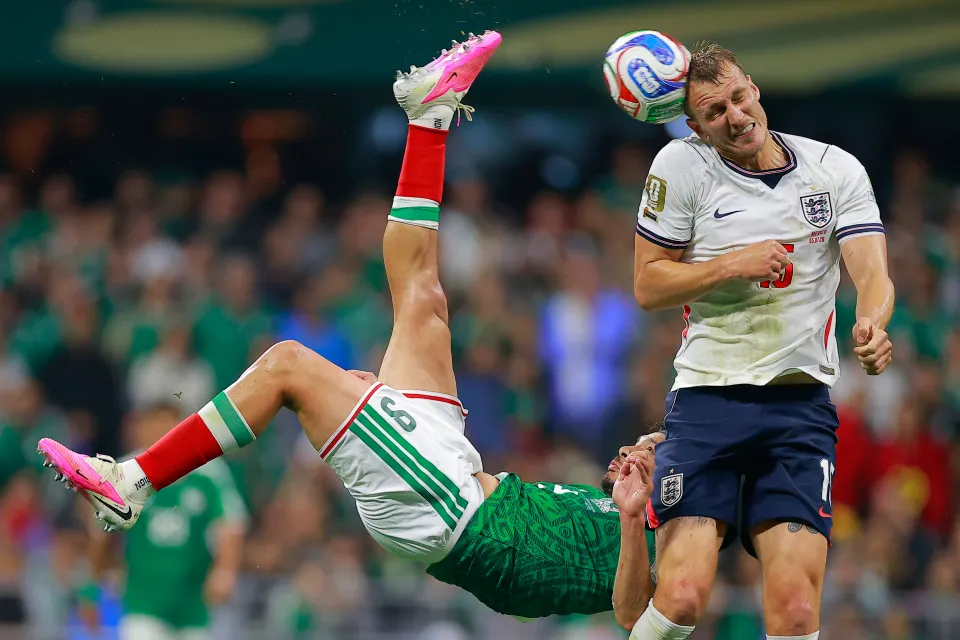
Every World Cup has that one game that feels like a trailer for the knockouts. England vs. Norway has landed in that zone because it offers a clean, physical storyline: one of the tournament’s most feared finishers against an England back line being asked to solve a very specific problem.
Preview talk has naturally gravitated toward the most cinematic angle, a body-on-body duel: Erling Haaland vs. England defender Dan Burn. Even if you are not a tactics nerd, you understand the hook immediately. Big striker, big defender, one ball in the box, and suddenly the entire match feels like it could swing on two or three collisions.
From a hoops lens, it is the same reason casual fans will watch a playoff game just to see one star try to score on one elite stopper. The internet loves a simple chess match you can explain in one sentence.
Meet “Ha Bao”: the China-to-Norway fandom bridge
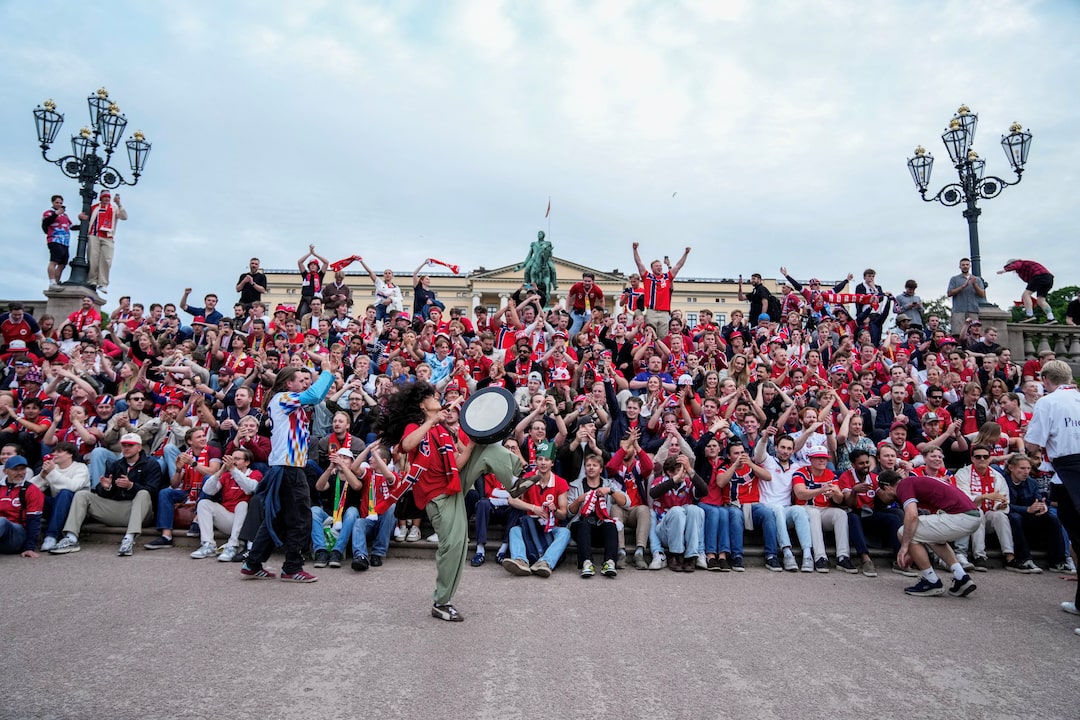
Here is where the trend gets genuinely fascinating. A big chunk of “Erling” searches are not coming from Norway, England, or even traditional European soccer circles. They are coming from a cross-border fan wave that has latched onto Haaland as an adopted icon.
On Chinese social platforms, Norway support has surged in a very modern way: not through history, not through geography, but through attachment to a single player. And the nickname doing a lot of lifting is “Ha Bao” (哈宝), an affectionate shorthand that plays like “Haaland, our treasure.”
This is how sports fandom works now. People do not always pick teams. Sometimes they pick characters. Sometimes they pick vibes. And Haaland, with his superhero scoring rate and slightly otherworldly presence, is the kind of athlete who converts neutral viewers into believers fast.
Once “Ha Bao” starts trending in one language ecosystem, it bleeds into another. Curious fans search “Erling” to connect the nickname to the person, to find the clips, to understand the in-jokes, to join the party.
The teenage rap song that became a World Cup meme
Every tournament also has a soundtrack, even if nobody officially назначs one. This year’s unofficial addition is the resurfacing of a 2016 rap song Haaland recorded as a teenager, now getting reposted, remixed, and repurposed like it was designed for TikTok edits.
This is the internet’s favorite trick: take a forgotten artifact, drop it into a massive cultural moment, and let irony do the marketing. What makes it work is that it feels real. It is not polished brand content. It is a time capsule. A reminder that the world’s most intimidating No. 9 was once just a kid messing around like every other teenager.
That contrast is catnip in a World Cup, where the stakes are massive and everyone is searching for human details to balance the pressure. People are not just searching “Erling Haaland goals.” They are searching “Erling” because they want the whole character file.
Why “Erling” and not “Haaland”?
First names trend when an athlete becomes more than a stat line. “Erling” reads like you are on a first-name basis, like you are in on the joke, like you are part of the community that has decided this guy is the main character.
- Casual fans remember the first name they keep hearing on broadcasts.
- Meme culture prefers short, chantable terms. “Erling” is cleaner in captions than “Haaland.”
- Cross-language fandom often latches onto the simplest searchable hook, especially when nicknames like “Ha Bao” are in play.
In other words, this is not just curiosity. It is identity signaling. Searching “Erling” is how people step into the conversation.
The deeper thread: Norway’s “fun-first” pipeline and why it matters
The best viral trends have a second layer, the one that keeps the story alive after the match ends. With Haaland, that layer is the broader fascination with how Norway produces elite athletes.
There has been a growing conversation among coaches and parents about Norway’s youth sports philosophy, often described as more “fun-first” than the grind-heavy factory model some countries drift toward. The general idea is simple: keep kids playing longer, reduce burnout, and let late bloomers stay in the game.
That debate travels well online because it is not just about soccer. It is about how we raise competitors without crushing them. It is about whether joy can coexist with excellence. And when the poster child for that conversation is a World Cup superstar who plays with the confidence of someone who still genuinely loves the game, people lean in.
What to watch next (if you are newly on Team Erling)
If you are one of the folks who typed “Erling” and landed here, welcome. Here are the three things worth tracking as this trend keeps rolling:
- How Norway builds chances: Do they create repeatable looks for Haaland, or do they rely on moments?
- The physical chess match vs. England: Does England try to bully the space, deny service, or live with crosses and trust the duel?
- The meme economy: If the rap track clips keep spreading, they will become part of the tournament’s emotional memory, not just a joke.
That is the real reason “Erling” is everywhere. Not because one thing happened, but because four different internet highways all merged into the same exit ramp, right as the World Cup spotlight hit its brightest point.