
I still remember the first time I watched a coach point to the bench and the goalie peeled off for an extra skater. As a kid, it felt like the wildest kind of sports chaos, like the hockey gods had just been dared to do their worst. As an adult who has sat on plenty of benches, it makes perfect sense. When you’re down late, you stop protecting what you don’t have and start buying as many chances as possible.
Pulling the goalie is exactly what it sounds like: the team trailing late removes its goaltender and replaces him with an extra attacker. You get a 6-on-5 in the offensive zone, but you also leave your net completely unguarded. It’s a high-stakes trade, and it’s one of the clearest “win now” signals in sports.
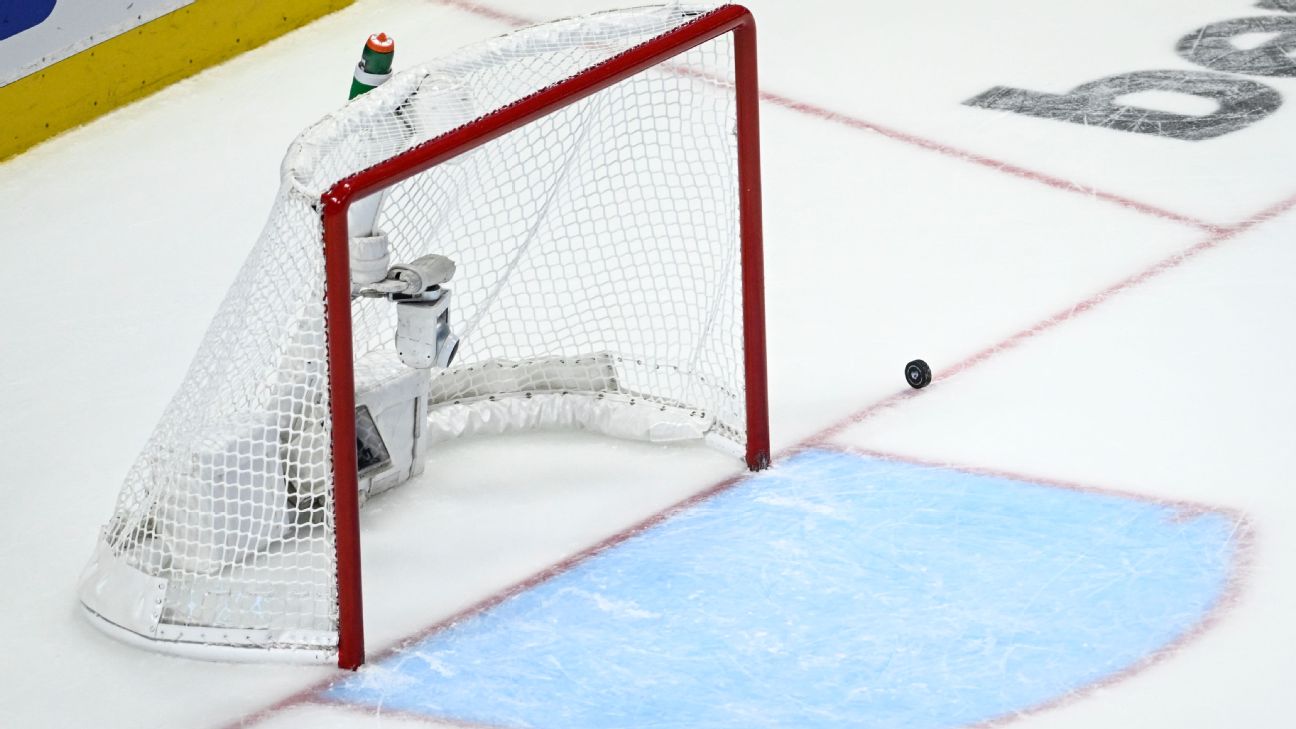
The simple goal: one more good look
Hockey is a low-scoring sport compared to basketball, so one goal can flip everything. Down by one with two minutes left, the math is brutal: at 5-on-5, you might only get a couple of dangerous looks, especially if the leading team is playing smart, safe hockey.
Adding a sixth skater changes the geometry of the ice:
- More passing lanes open up, especially through the seam (the cross-ice lane that feeds one-timers).
- More bodies at the net means more screens, tips, and rebound chances.
- More puck support helps you keep possession after faceoffs and along the walls.
Coaches do it because, late in the game, the biggest threat is not giving up another goal. It’s running out of time without scoring the one you need.
When coaches pull the goalie
There is no universal “pull it now” clock. It depends on score, matchup, faceoff location, and how confident a coach is that his group can actually hold the zone. But you’ll see some common timing habits across hockey.
Typical timing
- Down 1 goal: commonly between about 1:30 and 2:30 left. Some coaches go earlier if their team is controlling play. Some wait if they cannot win faceoffs or enter the zone cleanly.
- Down 2 goals: often around 3:00 to 5:00 left, sometimes earlier if the team is desperate or the opponent is dominating.
- Down 3 or more: it can happen very early, but at that point it’s more about probability and message. The odds are long either way.
The other big trigger is possession. Coaches prefer to pull the goalie when their team has the puck in the offensive zone or is about to, so the extra skater is immediately useful and the empty net is not immediately exposed.
What triggers the decision
- Offensive-zone faceoff (especially after icing by the defending team): This is prime time. You can set up your best 6-on-5 unit and run a rehearsed look right away.
- Defensive-zone draw: Riskier. Some coaches still do it if time is melting away, but you are one lost faceoff from a long shot into your empty net.
- Delayed penalty: This is the “free version.” If the other team is about to take a penalty and play is still alive, the goalie can sprint to the bench for an extra skater because the whistle will stop play as soon as the penalized team touches the puck.
The risk: empty-net goals
The downside is obvious: if the puck gets cleared past everyone, the leading team can shoot from distance and score into an empty net. Sometimes it’s a simple bank off the glass and out. Other times it’s a clean win on a board battle, one touch to center, and a dagger from 140 feet.
From a coaching perspective, the risk comes in a few flavors:
- One bad turnover at the blue line: A forced pass through traffic can become an instant empty-net chance.
- Losing a key faceoff: If you cannot recover, the opponent can fire it down before your six skaters can pressure.
- Fatigue: Your 6-on-5 unit often stays out long, grinding. Tired legs lead to slow recoveries and sloppy puck management.
- Psychological gut punch: An empty-netter can feel like the game is officially over, even before the horn.
Still, coaches accept the risk because the alternative is usually worse: losing by one without ever forcing the goalie to make a final, frantic save.
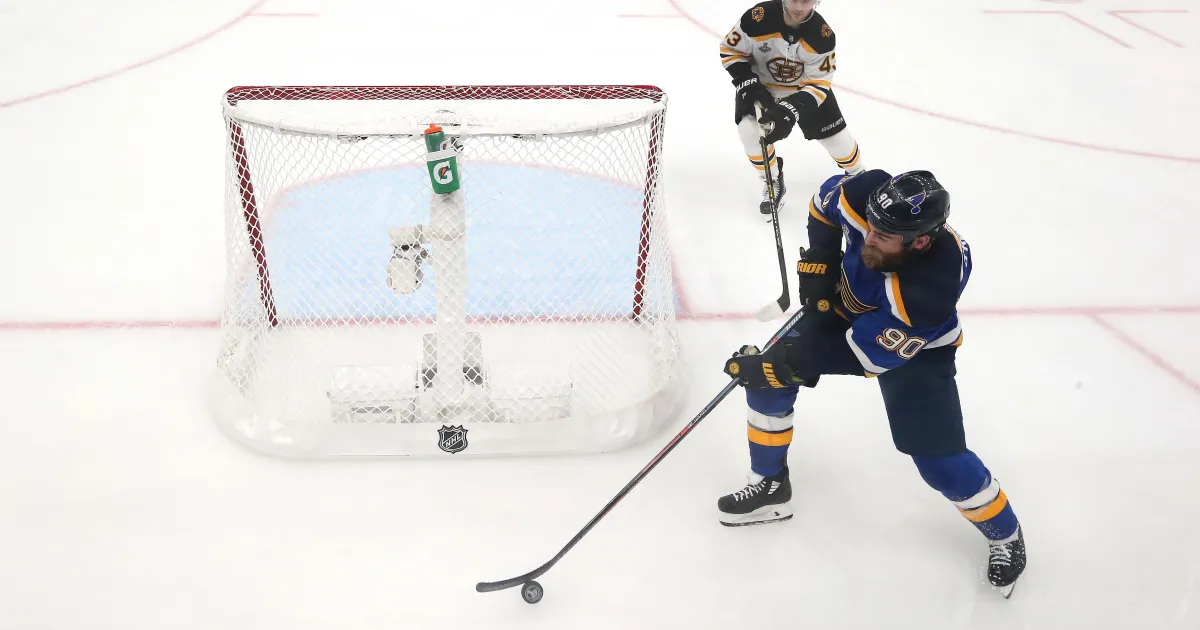
How 6-on-5 works
When the goalie is pulled, teams usually run a structured setup that looks a lot like a power play, even though it is technically not one. The goal is to create either a clean shot with a screen or a backdoor chance that forces the goalie to move laterally.
Common setup
- Two points up top to keep pucks in and move it side-to-side.
- Two half-wall options to distribute and attack seams.
- One net-front presence to screen, tip, and battle for rebounds.
- One bumper or rover in the slot for quick-touch shots and give-and-go plays.
And here is the brutal rule of pulling the goalie: you cannot give the puck away at the blue line. Coaches can live with a missed shot or a blocked attempt. They cannot live with a casual drop pass that turns into a 180-foot empty-netter.
Does it work?
It works often enough that every serious team does it. The success rate is not magic, and it is not anywhere close to “half the time.” But you are trying to turn a low-percentage situation into a higher-percentage one.
In broad terms, pulling the goalie:
- Raises your chance of scoring at least one goal in the final minute or two, because you create more shots and more rebounds.
- Also raises your chance of allowing a goal, because any clear can become a scoring attempt.
The exact percentages vary by season and league context, but the practical takeaway is the same: down one late, your best shot is usually to embrace the risk. Coaches do not pull the goalie because they think it is safe. They do it because it is the best remaining play in the playbook.
Why some coaches pull earlier
If you watch enough hockey, you will notice certain benches go earlier, and certain benches hold the goalie until the last possible heartbeat. That is not random.
Why go earlier
- Your team is controlling possession and cycling well. You trust your group to keep the puck.
- You have an elite 6-on-5 unit with a great net-front player and a true quarterback at the point.
- You are down two and need time to score twice, not once.
- The faceoff is in the offensive zone and you have your best draw guy on the dot.
Why wait
- You cannot enter the zone cleanly, so you risk spending precious seconds just trying to gain the line.
- You are losing faceoffs and cannot afford an immediate clear.
- Your opponent has great shot blockers who turn point shots into easy clears and empty-net chances.
- Your goalie handles the puck well and acts like a third defenseman. Some coaches prefer to keep that extra safety until it is truly last call.
What to watch for
The goalie pull can look frantic, but the best teams treat it like a set piece. If you want to read the moment like a coach, watch these three things:
- Is the puck secured? A smart pull usually happens when the trailing team has control and the play is moving away from its own net.
- Who jumps over the boards? It is typically your best puck movers and shooters, plus a net-front grinder who lives for rebounds.
- Does the leading team pressure or trap? Some teams attack the puck carrier immediately. Others form a tight box and dare you to shoot through legs.
When it works, it feels like hockey at its most cinematic: a scramble, a bounce, a screen you cannot see through, and a puck that somehow finds daylight. When it fails, it is a slow roll into an empty net that makes the building groan. Both outcomes are why we keep watching.
FAQ
Is pulling the goalie allowed at any time?
Yes. A team can substitute the goalie for another skater whenever it wants, as long as the change is done legally through the bench. It is most common late, but it can happen earlier if a team needs multiple goals quickly.
Why not pull the goalie earlier if you are losing?
Because time is not the only variable. You need possession and structure. Pull too early without the ability to hold the zone, and you are basically donating an easy empty-net goal that ends the comeback before it starts.
What is the difference between a delayed-penalty pull and a late-game pull?
On a delayed penalty, the attacking team knows play will stop as soon as the defending team touches the puck, so the empty net is protected by the whistle. Late-game pulls have no safety net, so any turnover can be instantly fatal.
Do teams ever pull the goalie when tied?
Rarely, but it can happen in very specific end-of-regulation situations when a team desperately wants a regulation win and is willing to risk a loss. Most coaches avoid it because one mistake turns a tie game into an immediate defeat.