
Early October NBA discourse has its own kind of noise: training-camp highlights, preseason rotations, and the constant question of who looks ready when the games start to count. Then something undeniably real happens on a live court, and the internet narrows its focus. That is why the plain, catch-all query “NBA news” can spike on days like this: a tense moment hits your feed, and a casual scroll suddenly feels urgent.
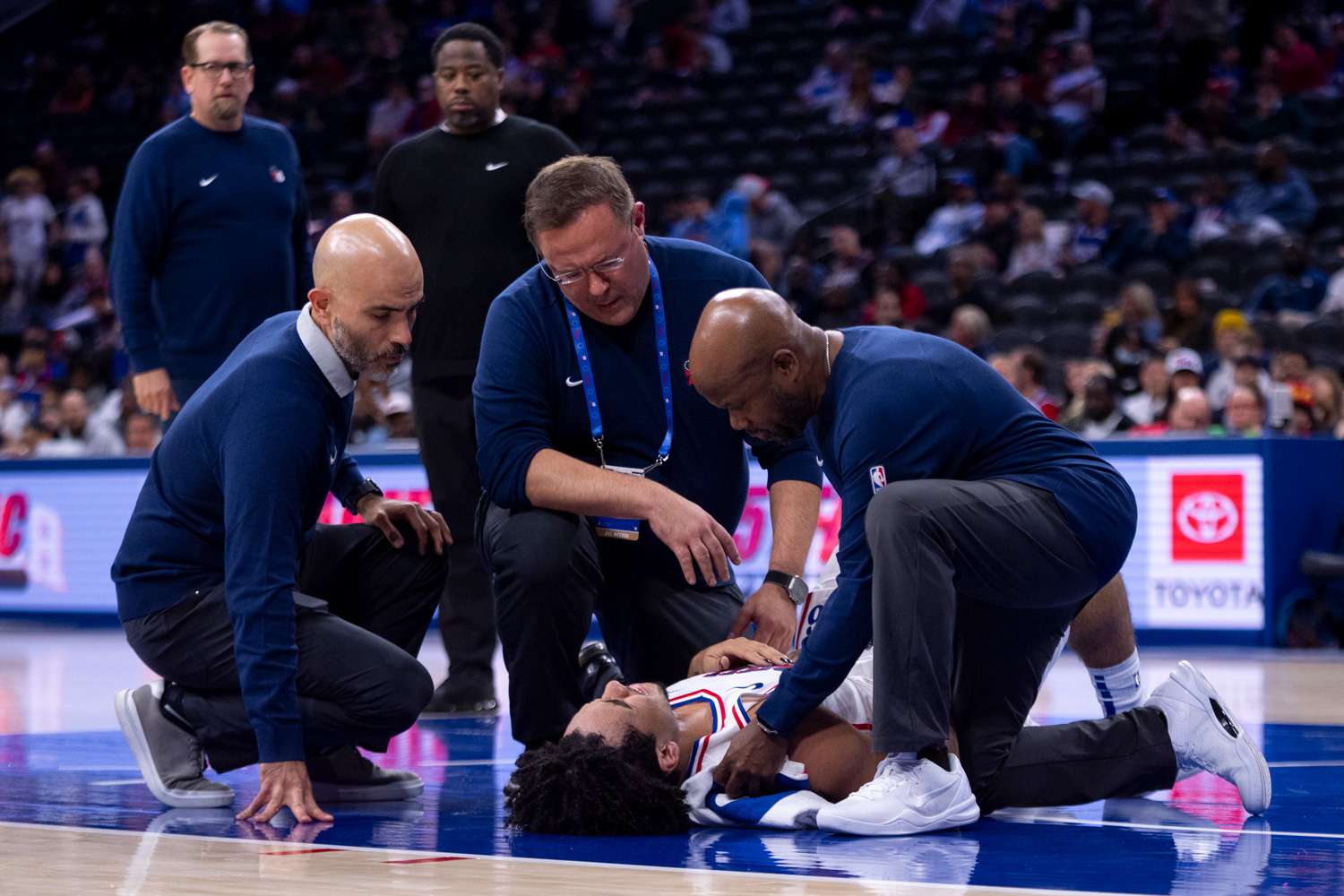
In this case, the facts are no longer just captions and guesses. During a preseason game on October 16, 2024 between the Philadelphia 76ers and the Brooklyn Nets, 76ers rookie Jared McCain took a hard fall on a drive and stayed down as trainers came out to check him. He was helped to the locker room and did not return.
The 76ers said in a team statement afterward that McCain was diagnosed with a pulmonary contusion. Multiple reports from national NBA media also noted he was evaluated at a hospital and later discharged.
That gap between a circulating replay and a confirmed medical update is exactly where broad searches surge. People are trying to swap uncertainty for something that is actually on the record.
What happened
Here is the clean timeline as it was described publicly. In the 76ers vs Nets preseason game on October 16, 2024, McCain drove toward the basket, absorbed contact, and came down hard, prompting an immediate stoppage as medical staff attended to him. He was assisted off the floor and later received further evaluation.
The key verified update afterward was medical, not cinematic. Philadelphia announced the diagnosis as a pulmonary contusion in its statement, which is often described in plain language as a bruised lung. You will also see it written as “lung contusion” in basketball coverage, and the severity can vary case to case. The practical takeaway from the initial reporting was the part people actually needed most: he was checked at a hospital and later discharged.
It is worth being precise about language here because it shapes how people process the moment. A player can leave with assistance and still have a significant injury, but it is different from the social-media shorthand that sometimes turns every scary pause into something more dramatic than what is confirmed. The truth is serious enough without the extra distortion.
Reading early updates
- Broadcast footage is not a diagnosis. A replay captures impact and reaction. It does not capture imaging, monitoring, or what the staff is prioritizing.
- Breathing-related injuries can look confusing. A lung contusion is internal, and the urgency is often about evaluation and safety, not a visible limp.
- First descriptions get sloppy fast. In the first hour, details can blur across accounts. The fastest version is not always the most accurate version.
In other words: the trend is powered by the emotional clarity of what people saw, then stabilized by the calmer clarity of what teams and hospitals confirm.
Why it hits hard
I have been in gyms where one awkward landing changes the temperature of the entire building. In preseason, that feeling is amplified because the stakes are brutally personal. The games do not count in the standings, but the work counts. It counts for trust, for rotation experiments, for a rookie learning the speed and force of real NBA bodies.
When a young player goes down, everyone in the building recognizes the same thing: this is where a timeline can get rewritten in a single sequence.
Who McCain is
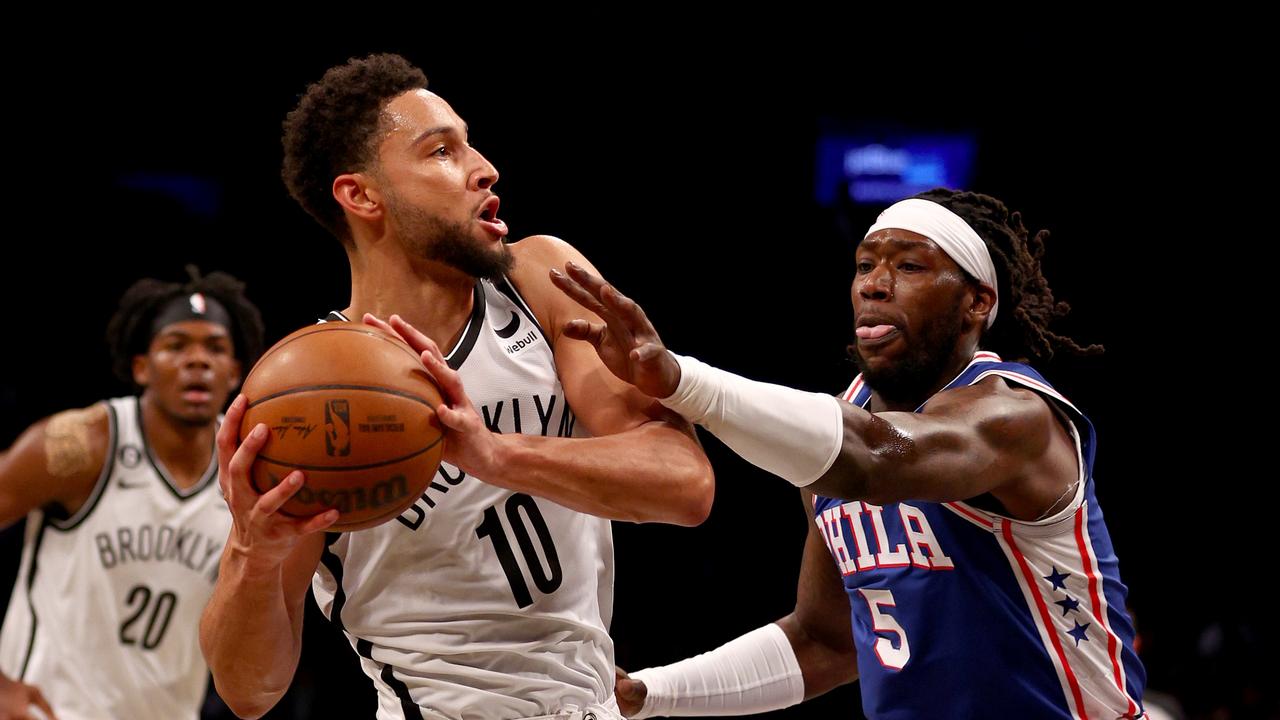
McCain is not a random name getting caught in the churn. He is a high-profile young guard stepping into a real NBA development pipeline, and preseason reps matter because they are structured, coached, and evaluated like a test with consequences.
When a player in that lane gets hurt, the ripple is practical as well as emotional:
- Development reps disappear. These minutes are where decision-making, pace, and defensive communication get stress-tested.
- Planning changes fast. Teams adjust ramp-ups, medical workloads, and rotation looks when a short window closes.
- The human element takes over. Teammates feel it, coaches feel it, and the rest of the night rarely looks the same after a stoppage like that.
Why “NBA news” spikes
Search behavior tells you what kind of audience is arriving. A player-name spike is usually hardcore fans and beat followers. A generic “NBA news” spike is often the wider public reacting to a moment without context. That is not a hard law, but it is a common pattern when an incident travels faster than the follow-up.
The usual path
- Someone sees the collision via social media or a push alert.
- They do not recognize the player, and “preseason” feels too specific to type.
- They search “NBA news” to find the headline that explains what they just saw.
- Once they learn the name, they refine the search into injury status, team updates, and timeline questions.
A concrete version of how confusion spreads: one account posts the replay without a caption, another guesses the details, and within minutes the same video gets labeled with the wrong setting or the wrong injury description. People search the broadest term they can think of because they are trying to locate the verified thread of information.
Medical context
This is general context, not a specific prognosis. A pulmonary contusion is a bruise to lung tissue, typically caused by blunt impact. Teams and doctors generally monitor things like breathing comfort, oxygen levels, pain with exertion, and whether symptoms change in the following days. That is a big reason hospital evaluation is part of the story even when there is no visible “limp” to point to.
What to watch next
Preseason basketball can look loose, but the medical process is not casual. Teams often lean conservative, especially with rookies, because the goal is the full season, not a single exhibition result.
Status as of October 17, 2024: The 76ers’ public update focused on the diagnosis and that McCain was evaluated at a hospital and discharged. The team has not announced a formal timetable for his return.
Now that the initial diagnosis is known, the next layer is practical: how the team manages return to play after a chest and lung-related injury, how conditioning is maintained, and what the ramp-up looks like once he is cleared.
Monitor this
- Clearance language. Look for notes that he is symptom-free, cleared for activity, and progressing through contact work.
- Practice participation. Limited work, full work, and contact work are three different checkpoints.
- Any timetable updates. Even without a long-term outlook, “available for the next preseason game” is a different signal than “re-evaluated in a week.”
Most of all, the human part still matters. Even when the update is encouraging, a moment like that lingers in a locker room. If you have ever played, you know the possession after an injury stoppage is never just the next possession.
Why it lingers
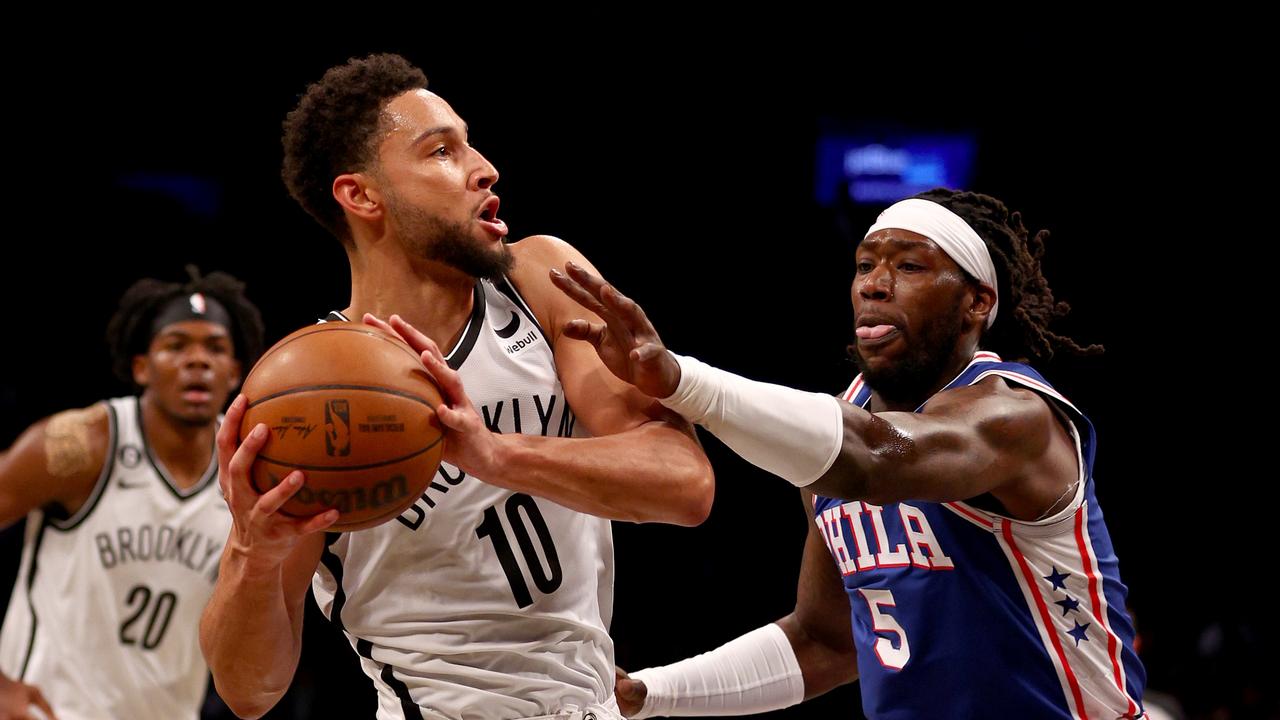
In today’s NBA, attention moves quickly. One preseason collision pulls people in. Once they arrive, they keep scrolling, because the league always has another conversation running: rebuild debates, depth-chart questions, and the rumor cycle.
But the reason “NBA news” spikes on days like this is simpler than any cap-sheet speculation. Fans see a young player in a vulnerable moment, then go looking for an answer that feels steadier than a looping replay.
In McCain’s case, the steadier answer is already there, and it came through official language. The 76ers’ statement said the diagnosis was a pulmonary contusion, followed by hospital evaluation and discharge as reported afterward. From here, the story becomes about recovery and pacing, not panic.