
There are two types of first-time triathletes: the ones who show up with a bike, a dream, and a granola bar, and the ones who look like they are about to pilot a spacecraft into transition.
I love both. But if you are training for your first triathlon, you do not need a second mortgage worth of gear. You need the right basics that keep you safe, comfortable, and confident when the day gets long and your nerves get loud.
Here is the curated checklist I wish every beginner had, broken down by what actually moves the needle across swim, bike, and run.
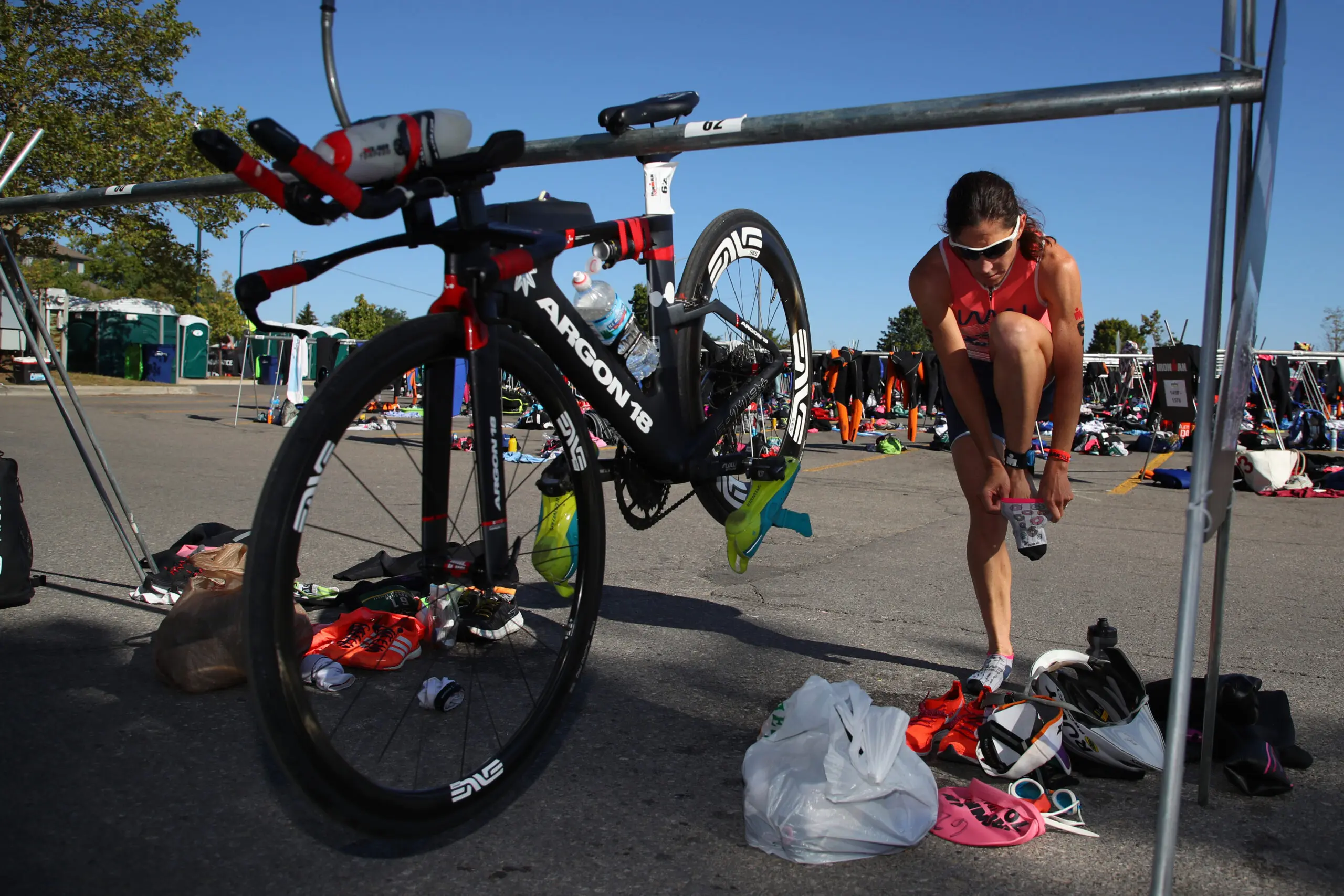
1) Tri-suit or one outfit for all three
The biggest rookie mistake is thinking you need three different outfits. You do not. You need one setup that can handle water, pedals, and pavement without turning into a soggy parachute.
What to look for
- Tri-suit (one-piece or two-piece) with a light, quick-drying chamois. It is thinner than cycling shorts so it will not feel like a diaper on the run.
- Or budget option: swim jammers or a one-piece swimsuit plus a snug top you can bike and run in. Add cycling shorts over it for comfort if you want, but practice that combo first.
- Pockets are a bonus for gels during longer races.
If your race is pool-based or very short, you can keep this simple. For an open-water event, a tri-suit under a wetsuit is the cleanest beginner setup.
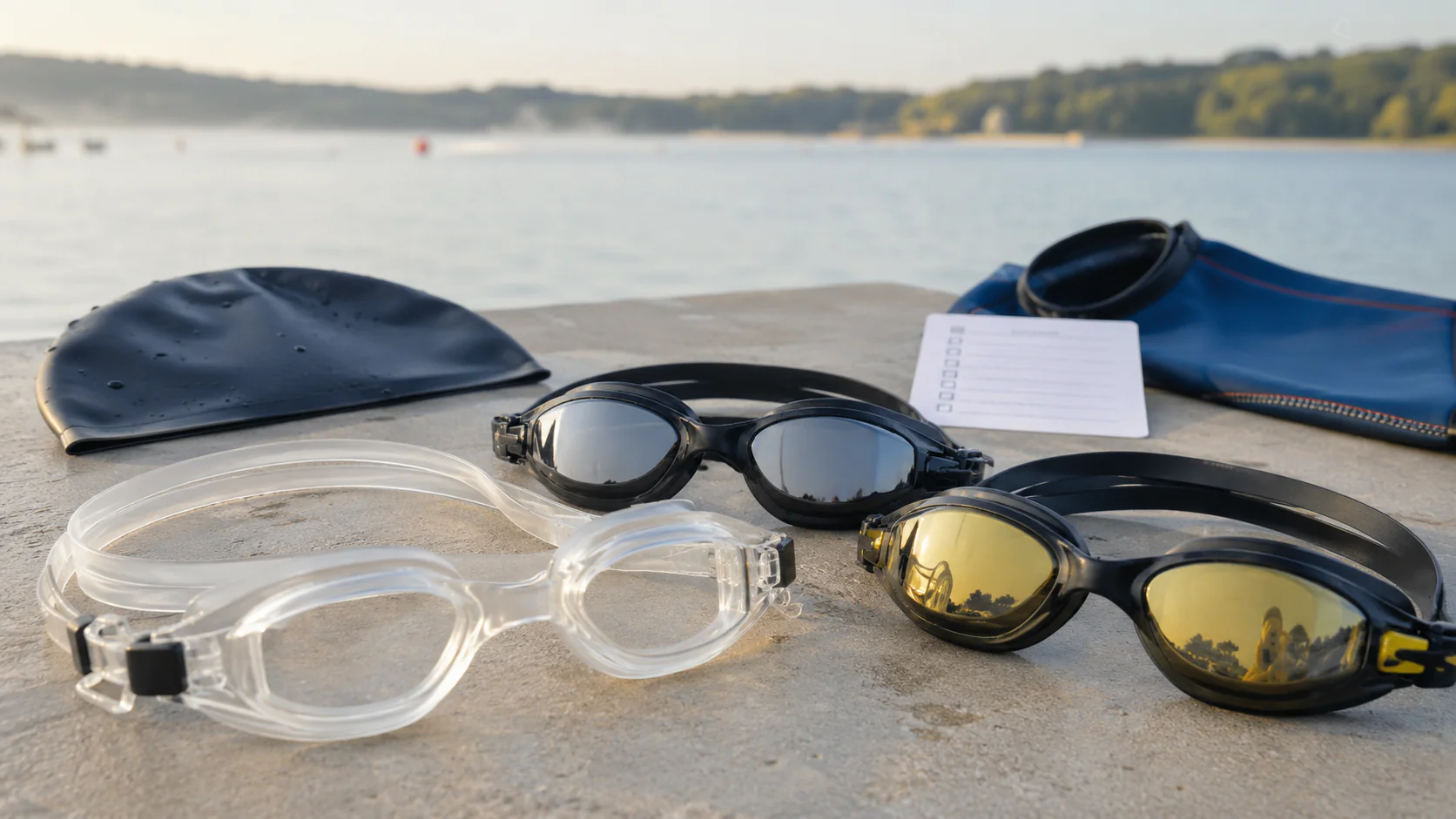
2) Goggles that do not leak
On paper, goggles are a small item. In real life, leaky goggles can turn the swim into a panic festival. This is the cheapest comfort upgrade you can make.
Beginner-friendly tips
- Buy two pairs if your budget allows: one tinted for bright sun and one clear for cloudy days or indoor pools.
- Test the seal by pressing the lenses to your face without the strap. They should lightly suction for a moment.
- Anti-fog care matters. Rinse with clean water after use and avoid touching the inside of the lenses.
3) Wetsuit (only if rules and water call for it)
Not every triathlon is wetsuit-legal, and not every beginner needs one. But when conditions allow, a triathlon-specific wetsuit can be a game-changer: warmth, buoyancy, and a calmer body position in the water.
How to decide
- Check your race rules and typical water temperature. Thresholds vary by organizer and governing body, so the race website is your source of truth.
- Rent first if you are unsure. Rental shops and some race expos make it easy to try without committing.
- Fit is everything. Too loose and you take on water. Too tight and breathing feels restricted. You want “snug hug,” not “boa constrictor.”
Practice at least a couple open-water sessions before race day, including getting it on, getting it off, and swimming while your heart rate is up.
If you tend to chafe in a wetsuit, a little anti-chafe balm around the neck and underarms can save your mood fast.
4) A reliable bike (plus a basic tune-up)
You do not need a $7,000 carbon rocket to finish your first triathlon. You need a bike that shifts cleanly, brakes confidently, and fits you well enough that you are not fighting discomfort for an hour.
What works for beginners
- Road bike, hybrid, or entry-level tri bike: all are fine as long as they are safe and you have trained on them.
- Fresh tires and tubes if yours are old or cracked. This is cheap insurance.
- Basic fit check: saddle height, reach, and handlebar comfort. If you get pain, numbness, or hot spots that keep showing up, that is your cue to get help from a local bike shop or fitter.
- A basic flat kit: at minimum, a spare tube, tire levers, and a mini pump or CO2 inflator. Flats happen, and the only thing worse than a flat is not knowing what to do next.
If you are borrowing a bike, do it early. The first ride is not the time to learn that the saddle feels like a medieval punishment device.
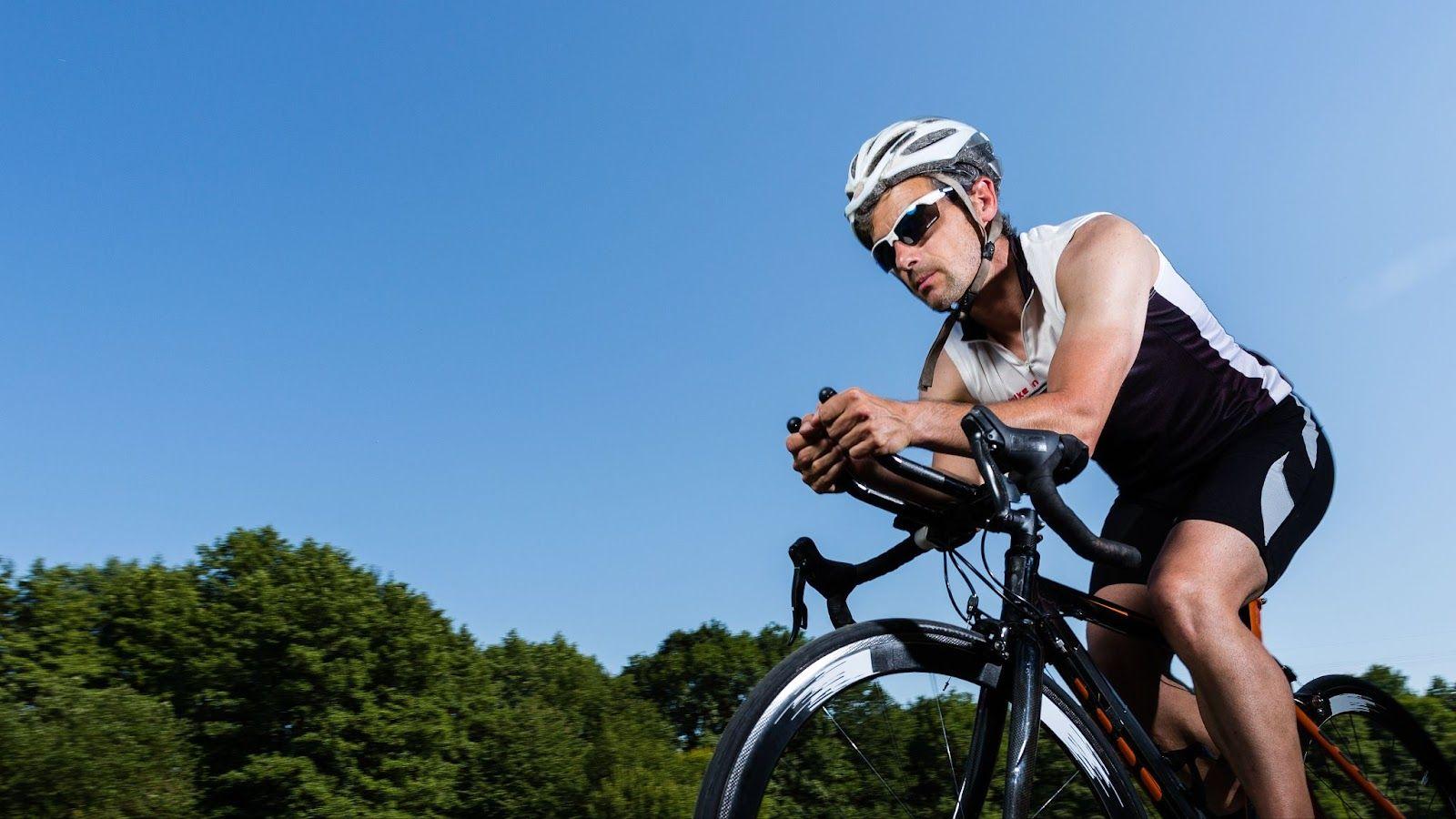
5) Helmet that meets your race standard
In triathlon, a helmet is not optional. It is also not the place to cut corners. Most races require a certified helmet, and officials can and will check.
Must-have features
- Correct certification for your race. For example, many U.S. events require CPSC, while other regions commonly reference CE/EN 1078 or AS/NZS. Check your race packet for the exact standard.
- Secure fit with the adjustment dial snug, straps forming a “V” around your ears.
- No crashes: if a helmet has taken a real hit, replace it. The damage is not always visible.
Comfort matters too. A helmet that pinches becomes all you can think about during the hardest miles.
6) Protective eyewear
Most beginners think of sunglasses as a style choice. On the bike, they are safety gear. Wind, bugs, road grit, and surprise debris can turn a smooth ride into a squinting, watery-eyed mess fast.
What to look for
- Good coverage that blocks wind from the sides.
- Stable fit that does not bounce when the road gets rough.
- Lens choice: dark lenses for bright sun, clear or light lenses for early mornings, shade, or cloudy days.
If you only buy one pair, pick a comfortable set you will actually wear every ride.
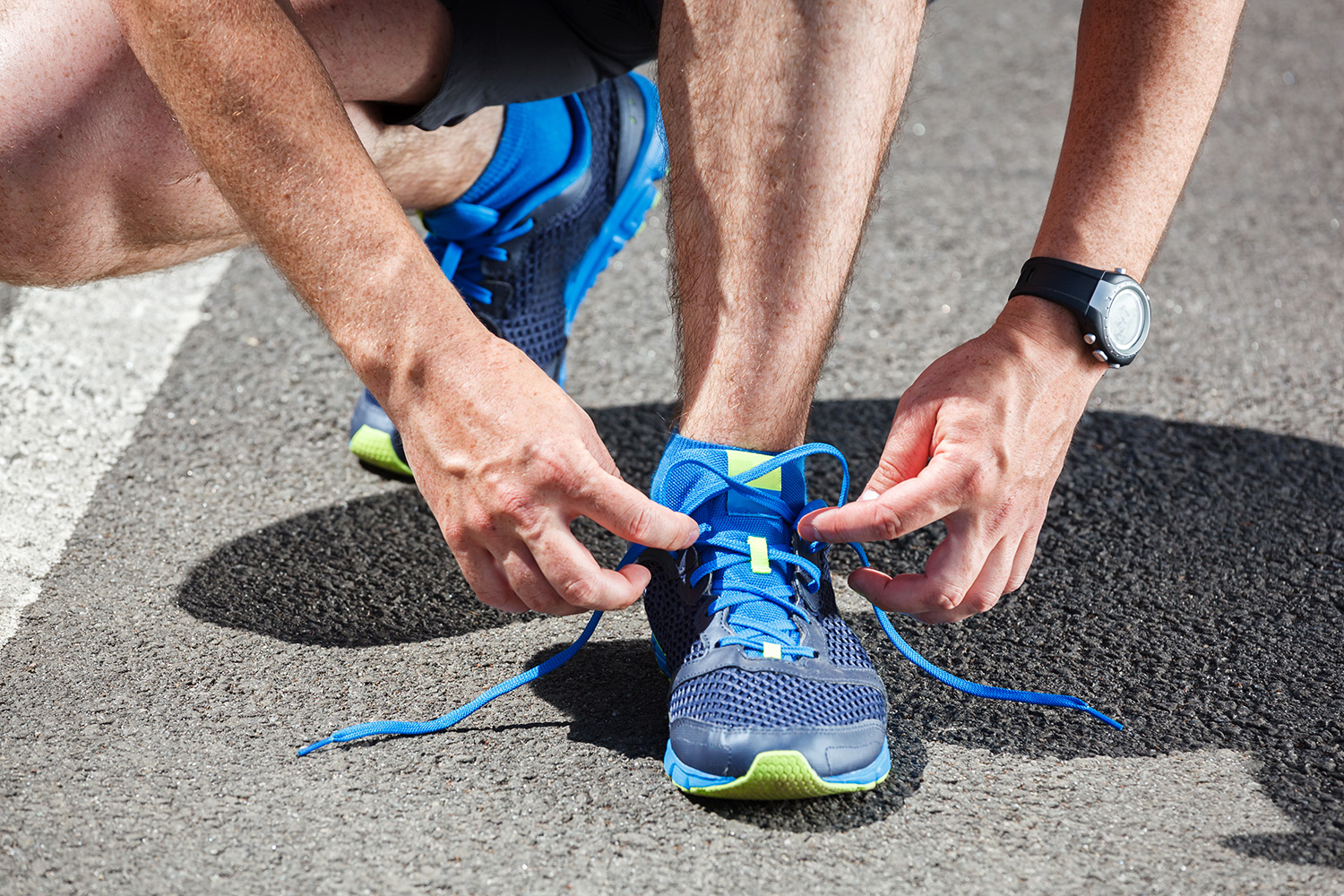
7) Running shoes that match your stride
The run is where a lot of first triathlons get emotional. You are tired, your legs are negotiating with you, and your shoes become your best friend or your worst enemy.
Practical advice
- Get fitted at a running store if you can. Not for the hype, for the injury prevention.
- Do not race in brand-new shoes. Put at least a few runs on them.
- Consider quick laces if you hate tying knots with shaky hands in transition.
Trust me: overuse injuries love “new sport + bad shoes.” Give yourself a better chance.
8) Fuel and hydration you have practiced
This one is not shiny, but it is essential. Your body needs carbs, fluids, and electrolytes to keep the engine humming. Beginners often under-fuel because adrenaline masks the early warning signs.
Beginner fuel kit
- Water bottle setup on the bike. Most bikes can take a standard cage, but if yours cannot, consider a strap-on cage, a behind-the-saddle mount, or plan to rely on aid stations if the race provides them.
- Electrolyte drink or tabs if you sweat heavily or race in heat.
- Simple carbs like gels, chews, or a bar you can tolerate while breathing hard.
The golden rule: nothing new on race day. Use training to learn what your stomach likes and when you need it.
Nice-to-have extras
If you get hooked, you will eventually see why people nerd out on the details. For your first race, these are optional upgrades:
- Clipless pedals and cycling shoes for efficiency, but only after you have practiced safely.
- Race belt for quick bib changes between bike and run.
- Triathlon watch if data motivates you, but your first goal is finishing strong, not perfect splits.
- Body glide for anti-chafe insurance.
- Swim cap and earplugs for comfort in cold or choppy water. Your race often provides a cap, but having one you like for training is handy.
- Small towel to mark your spot and dry your feet in transition.
- Training visibility gear like a bright top and bike lights if you ride early, late, or near traffic.
Your pre-race reality check
Before you spend another dollar, ask yourself two questions:
- Does this keep me safe? (Helmet standard, bike condition, protective eyewear, flat kit, training visibility, hydration.)
- Does this keep me comfortable enough to keep moving? (Shoes, suit, goggles, wetsuit fit, anti-chafe.)
That is it. The rest is noise.
Get the essentials, practice with them, and show up on race morning ready for the best part of triathlon: the moment you realize you are doing something you once thought was only for “real athletes.” You are the real athlete now. Go earn it.