
If you've ever limped down the stairs the day after a hard lift or tried to shoot around with legs that feel like wet concrete, you already know the truth: training is only half the job. Recovery's the other half. And the best part is you don't need a full spa setup to feel better. A few smart tools in your gym bag can take you from "I'm cooked" to "I can move again" in about ten minutes.
As a former college hooper, I learned this the hard way. The season doesn't care that your calves are tight. Practice is still at 6 a.m. The goal with recovery tools isn't to be fancy. It's to reduce soreness, restore motion, and keep you available for the next session.
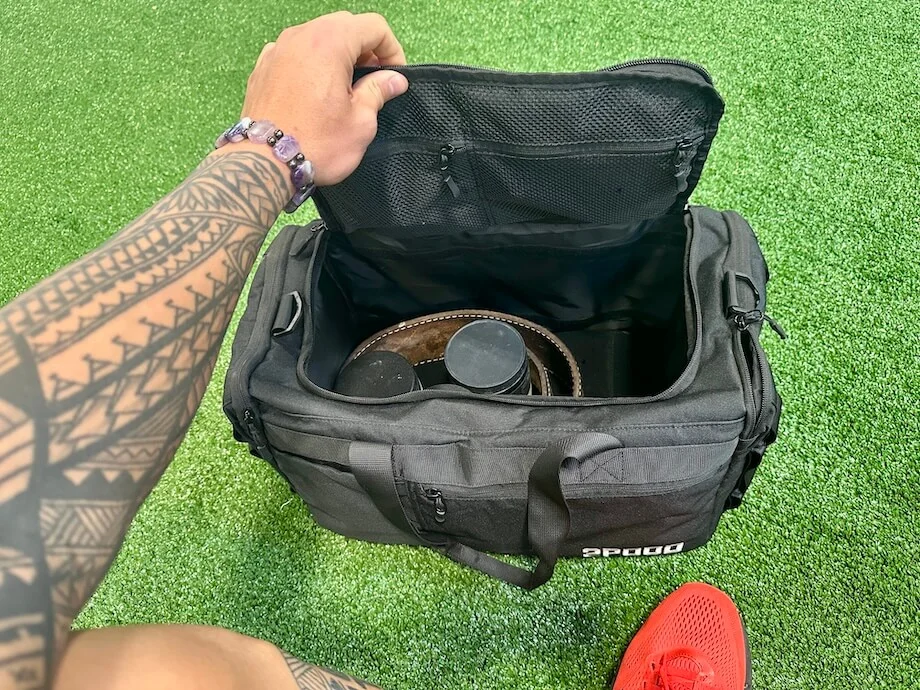
What these tools do
Most of these tools fall into two buckets:
- Soft tissue work to help you feel less stiff and calm down tender spots.
- Mobility and range of motion work to keep joints moving the way they should, especially after heavy training or long travel days.
Quick note, athlete to athlete: none of this replaces sleep, hydration, and solid nutrition. And these tools don't replace a proper warm-up or cool-down either. But when you stack good habits with the right tools, a lot of athletes find they bounce back better between sessions.
When to use what
- Pre-session: keep it light. Think massage gun or bands to feel loose and ready, not beat up.
- Post-session: foam roller, lacrosse ball, and a little band work to downshift and get some motion back.
- Off days or travel days: compression plus short walks and mobility work usually beats doing nothing.
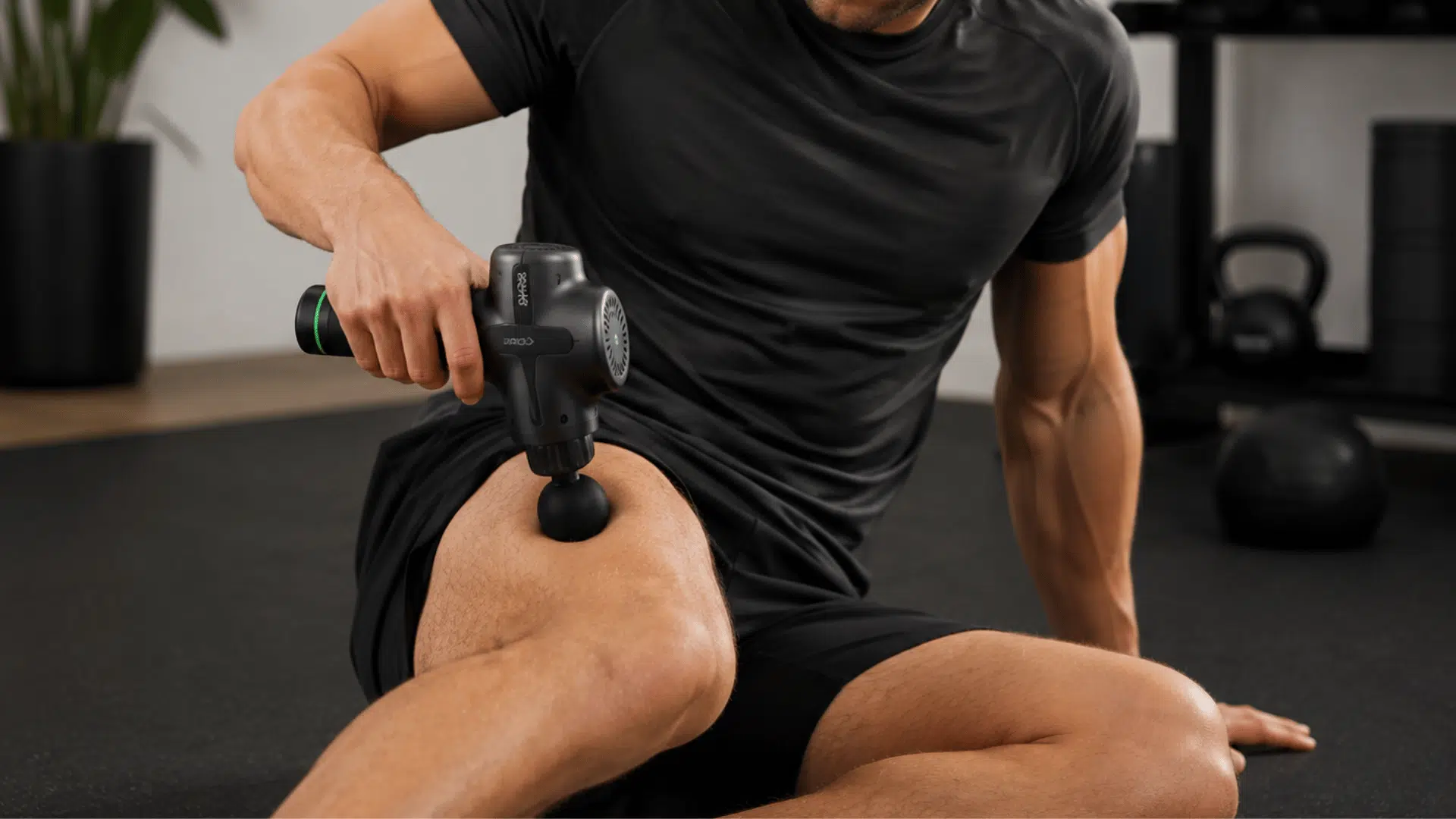
1) Massage gun
If you only carry one recovery tool, a massage gun is hard to beat. It feels like a reset button you can toss in a backpack. Percussive therapy can help you feel less sore and may improve range of motion short-term, which is clutch when your legs are barking before a lift, a run, or a game.
Best for
- Quads, glutes, calves, upper back, and feet
- Post-game soreness and next-day stiffness
- Pre-workout muscle prep when you feel tight
How to use it
- 30 to 60 seconds per muscle group, moving slowly, not hunting pain.
- Stay on the "meaty" parts of the muscle. Avoid bones and joints.
- If you find a hot spot (tender spot), hover for 10 to 20 seconds, then keep moving.
Buying tips
- Battery life matters more than most people think. Look for something that lasts at least a few sessions.
- Look for a moderate amplitude option. You don't need the most aggressive model to get the benefits.
- One round head and one bullet head cover most needs for most people.
2) Foam roller
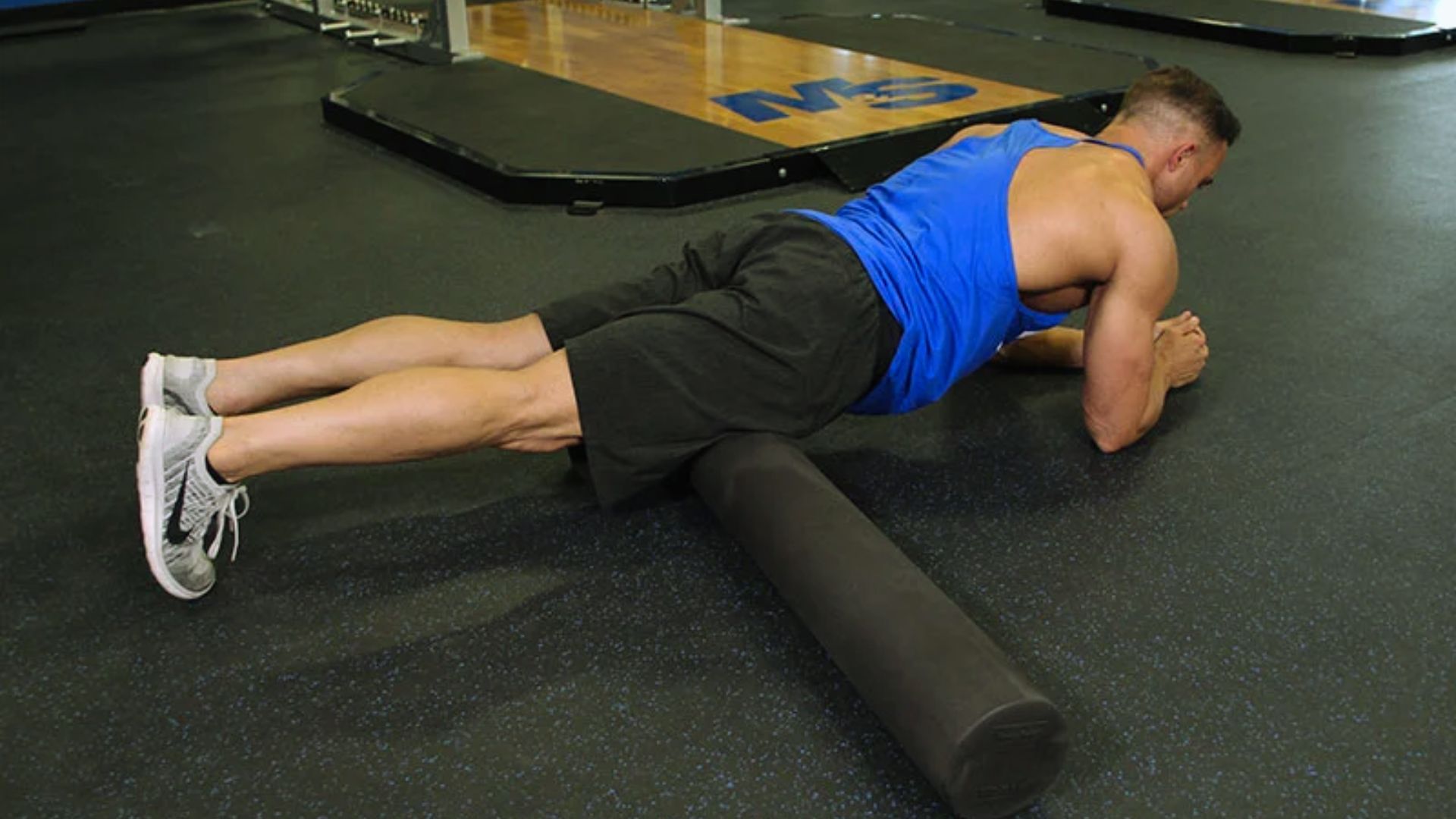
The foam roller is old school, and it still holds up. Think of it as a low-tech way to reduce soreness and temporarily improve range of motion after hard training. It's not always comfortable, but it's one of the most reliable ways to feel less stiff after heavy squats, sprints, or a long tournament weekend.
Best for
- Quads, hamstrings, glutes, upper back
- Lateral thigh tightness near the IT band area (go gently and focus on the muscles around it, not trying to "release" the band itself)
- Post-lift stiffness and travel tightness
- Pairing with mobility work
How to use it
- Roll slow, about one inch per second.
- Hit each area for 60 to 90 seconds.
- When you find a hot spot (tender spot), pause and take a few deep breaths.
Buying tips
- Start with a medium density roller if you're new.
- Textured rollers can feel intense. They're not required to get results.
- Size matters: a longer roller is great at home, a shorter one travels easier.
3) Lacrosse ball
This is the secret weapon that fits in every pocket. A lacrosse ball gives you pinpoint pressure for the spots the foam roller can't reach well, like the bottoms of your feet, hips, and shoulder blade area. It's brutally effective in the best way, especially for short-term relief and getting your body to chill out.
Best for
- Plantar fascia and foot tightness
- Glute knots and deep hip tension
- Upper back and shoulder blade area (against a wall)
How to use it
- For feet: roll slowly for 1 to 2 minutes per foot.
- For hips and glutes: lean your weight into the ball and breathe for 20 to 30 seconds on tender areas.
- For upper back: use a wall so you can control pressure.
Buying tips
- A true lacrosse ball is firm. If that's too much, buy a slightly softer massage ball.
- Keep one in your gym bag and one at home. You'll use them more than you think.
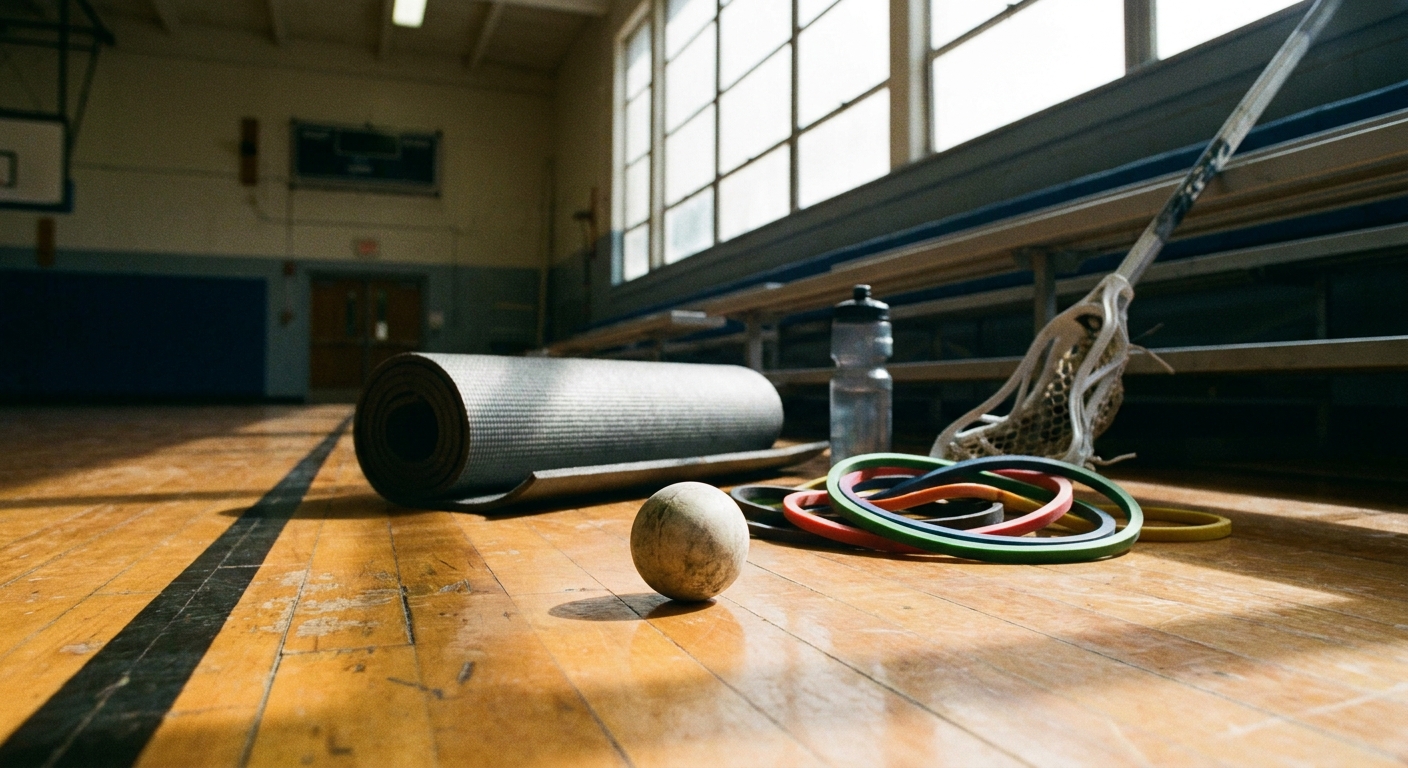
4) Mobility bands
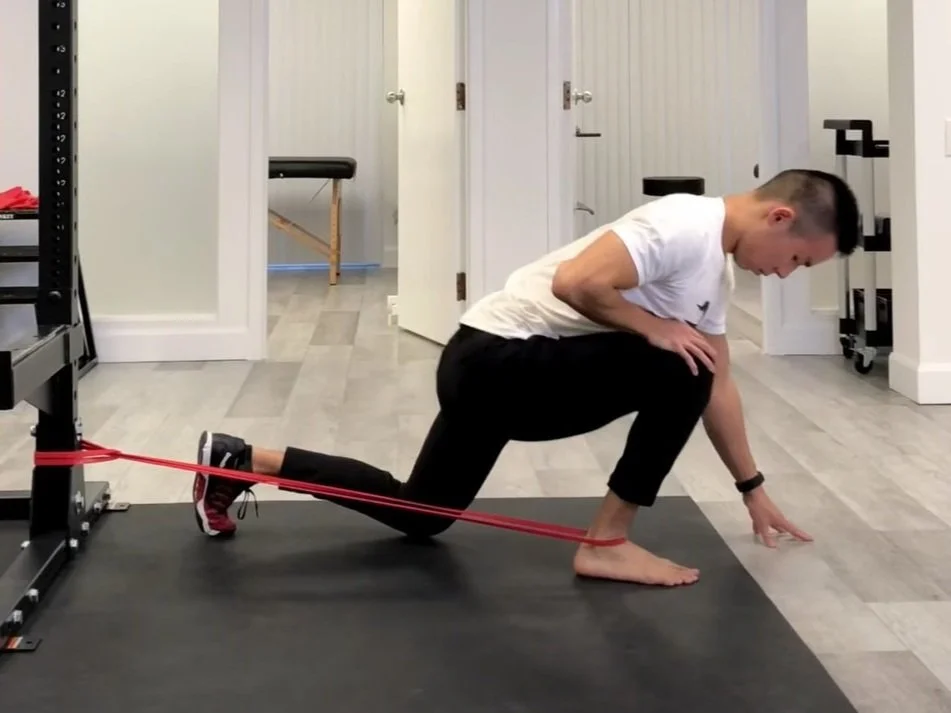
Bands aren't just for activation. They're a mobility cheat code. With the right setup, bands can add gentle traction to hips, ankles, and shoulders so you can explore range of motion and get into better positions. Translation: many athletes find their movement feels smoother when they stay consistent.
Best for
- Ankles that feel locked up before squats or runs
- Hip flexor tightness from sitting and training
- Shoulder mobility for overhead work
Go-to moves
- Banded ankle mobilizations before lower-body days
- Banded hip stretch after practice or long travel
- Shoulder flossing for overhead athletes
Buying tips
- Grab a small set with light and medium tension.
- Mini loops are great for glute activation. Long bands are better for joint mobilizations.
5) Compression sleeves
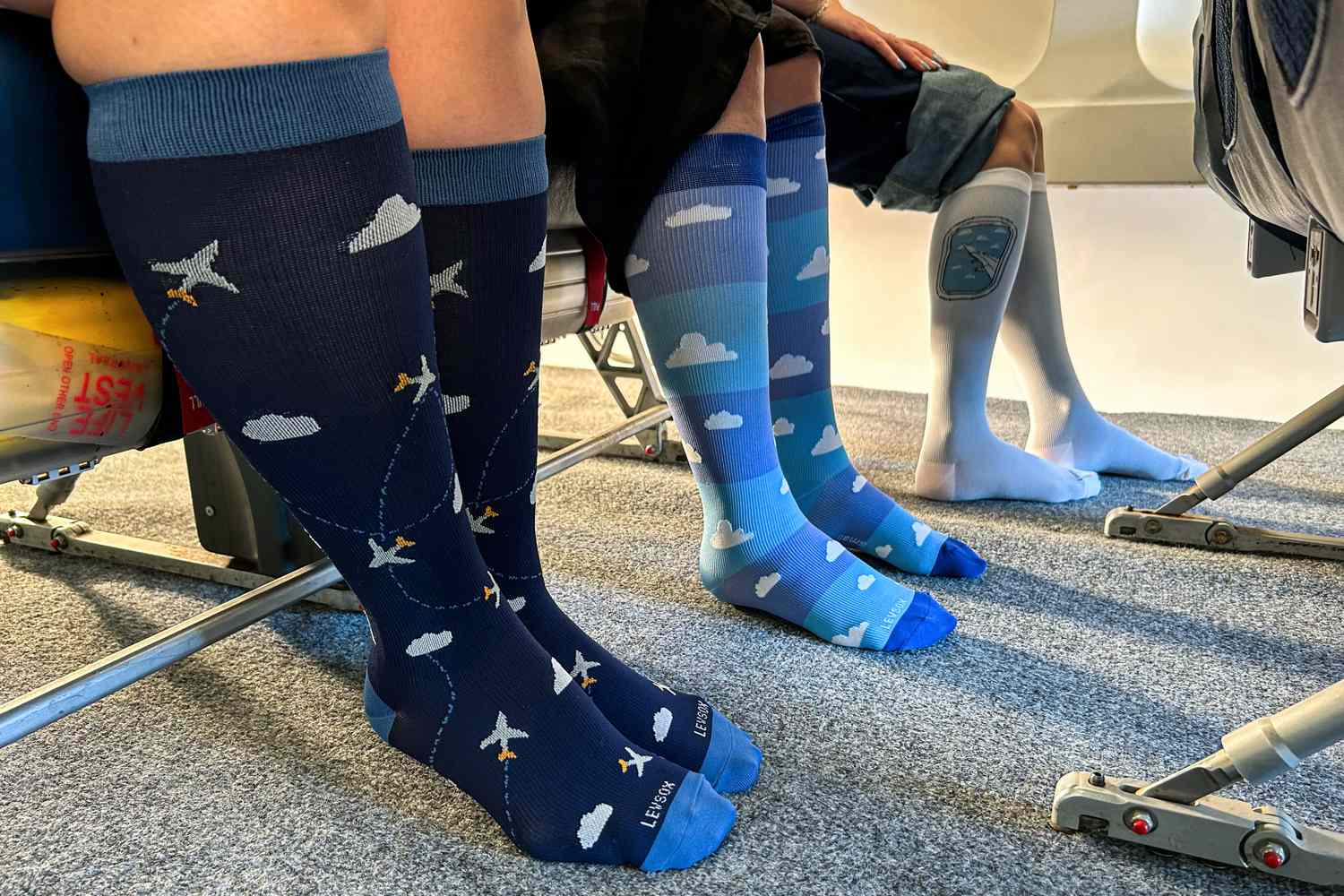
Compression gear isn't flashy, but it's one of the easiest recovery habits to stay consistent with. After hard sessions, long flights, or tournament days with multiple games, compression socks or sleeves can help some athletes feel less heavy and more ready to go again. It's not magic, but it can be a solid add-on, especially for travel and back-to-back days.
Best for
- Lower-leg soreness from running, jumping, and cutting
- Long travel days and standing for hours
- Between games on tournament weekends
How to use it
- Wear for 1 to 3 hours post-session or while traveling.
- Pair with light movement like walking and plenty of fluids.
Buying tips
- Fit matters. Too loose does nothing, too tight is miserable.
- If you're between sizes, pick the one that matches your calf measurement.
10-minute routine
If you want a no-excuses plan, here's a quick sequence that works after most sessions:
- Foam roll quads, glutes, calves: 4 minutes total.
- Lacrosse ball feet or hips: 2 minutes.
- Band mobility for ankles or hips: 3 minutes.
- Massage gun on any stubborn tight areas: 1 minute.
On heavy weeks or back-to-back games, throw on compression socks afterward and call it insurance.
If you're on a budget
If you buy only two things, start with a lacrosse ball and a mini band. Cheap, portable, and they'll cover a lot of daily tightness.
Quick safety notes
- Avoid aggressive work on fresh injuries, bruises, or swollen areas.
- Numbness, tingling, or sharp pain is a stop sign, not a challenge.
- If you're dealing with a recurring issue, get assessed by a qualified sports PT or athletic trainer.
The best recovery tool is the one you'll actually use. Start with one or two items, build the habit, then add the extras when it makes sense. Your future self will thank you the next time you wake up on a Monday and your body doesn't feel like it went twelve rounds.