
Carb loading has gotten the same treatment as pregame speeches and “game-day fits.” People love the vibe, but the details get lost fast. One person says “just crush a huge pasta dinner,” another swears carbs make you puffy and slow, and someone else tries to outsmart the whole thing by going low-carb all week then doing a last-minute buffet.
Here is the truth, backed by what we know from endurance research and what I have watched play out in real locker rooms: carb loading works when you do it on purpose. The goal is simple. Fill your muscles and liver with glycogen so you can sustain a higher pace or higher repeated intensity before fatigue forces you to downshift.

Let’s strip away the myths and build a plan you can actually execute without turning the day before your event into a stomach gamble.
What carb loading does
Carbohydrates are stored in the body as glycogen, mostly in muscles and the liver. During longer efforts or repeated high-intensity bursts, glycogen is one of your most valuable fuels. When it runs low, you can still keep moving, but your pace drops, your power feels “stuck,” and the same pace starts to feel harder.
Why it matters
- Long endurance events: more stored glycogen helps you hold pace longer and reduces the odds of a late-race crash.
- Tournaments and multi-game weekends: sprints, cuts, and repeated high-intensity efforts lean heavily on glycogen. You want a full tank for game two and game three, not just warmups.
Carb loading is not magic. It does not replace training. But it can be the difference between “I hung on” and “I finished strong.”
Carb-loading myths
Myth 1: “Just eat a giant pasta dinner the night before”
A single massive dinner is more likely to load your intestines than your muscles. Glycogen loading is typically a 36 to 72 hour process. Yes, dinner matters, but so do breakfast, lunch, snacks, and hydration across the whole window.
Do instead: spread carbs throughout the day and keep meals familiar.
Myth 2: “Carb loading means you will feel heavy and slow”
You may gain a little scale weight. That is not “fat gain.” Glycogen is stored with water, often roughly about 3 to 4 grams of water per 1 gram of glycogen, and it varies by person and situation. A small bump on the scale is often a sign you actually topped off fuel and fluids.
Do instead: expect a little extra weight and focus on performance, not the number.
Myth 3: “If I carbo-load, I do not need carbs during the event”
Carb loading starts you full. It does not keep you full. For events over 90 minutes, taking in carbs during the effort is still a major performance lever.
Do instead: plan both the preload and the in-event fueling.
Myth 4: “Cut fiber and you will automatically avoid GI issues”
Lower fiber can help in the final 24 to 36 hours, especially if you are prone to GI distress. But going extreme can backfire, leaving you constipated or scrambling to change your routine.
Do instead: lower fiber moderately, keep foods familiar, and practice your pre-race meals in training.
Who should carb-load
Most useful if:
- Your event is over 90 minutes.
- You are doing repeated hard efforts across a day or weekend (tournaments, stage rides, multi-game formats).
- You tend to fade late even when pacing is reasonable.
Keep it simpler if:
- Your event is under 75 to 90 minutes and intensity is steady.
- You already eat plenty of carbs day to day and you are not training low-carb.
Even if you “keep it simple,” you still want a solid pre-event meal. Carb loading is just the higher-octane version for bigger demands.
Carb-loading targets
Most modern endurance guidance centers on a high-carbohydrate intake for 1 to 3 days, paired with a taper in training volume. The commonly recommended target is:
- 8 to 12 grams of carbohydrate per kilogram of body weight per day for 1 to 3 days before a long endurance event.
What that looks like
Here is the math for common body weights:
- 150 lb (68 kg): ~545 to 815 g carbs per day
- 175 lb (79 kg): ~630 to 950 g carbs per day
- 200 lb (91 kg): ~730 to 1,090 g carbs per day
Those numbers can look wild until you remember two things: (1) this is short-term, and (2) it is easier when you choose lower-fiber, higher-carb foods and use liquids when needed. Also, not everyone needs or tolerates the top end. Smaller athletes, early start times, and low appetite are real constraints.
Practical note: If you are newer to endurance fueling or have a sensitive stomach, aim toward the lower end (around 8 g/kg/day) and prioritize foods you digest well.
Taper helps
Carb loading works best when you reduce training volume in the final days. Hard, long workouts burn through the glycogen you are trying to store.
Timeline
3 days out (full load)
- Increase carbs at each meal.
- Keep protein moderate.
- Keep fats lower than usual (fat is not the enemy, but high fat crowds out carbs and can slow digestion).
- Hydrate consistently.
2 days out
- Stay high-carb.
- Choose simpler foods: rice, pasta, potatoes, bread, cereal, fruit, yogurt, sports drink.
- Dial fiber down a notch if your gut is sensitive.
1 day out
- High-carb, low stress. No experiments.
- Do not turn dinner into a dare. Eat enough, then stop.
- Salt your food normally or slightly higher if you are a salty sweater and the weather is hot.
Morning of the event
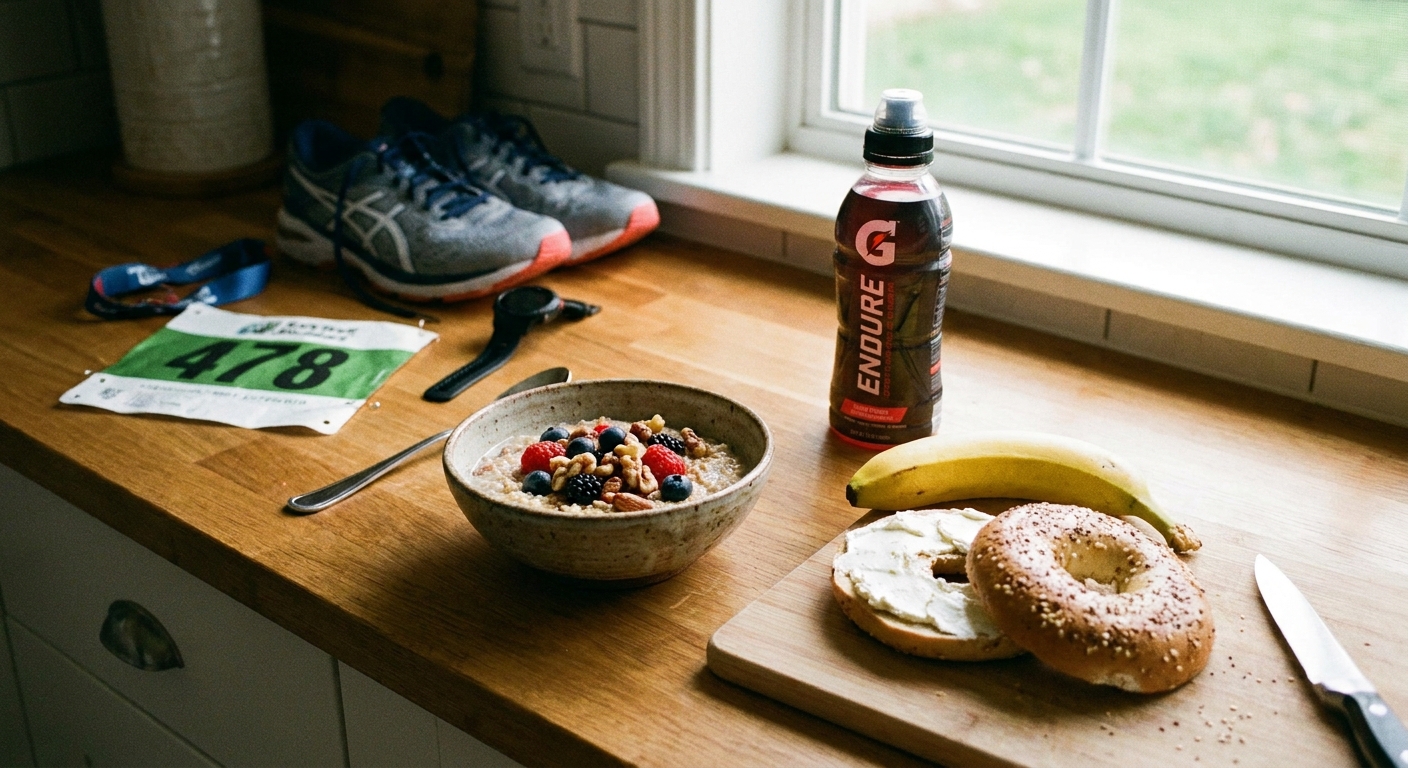
A classic target is 1 to 4 g/kg carbs in the 1 to 4 hours before start time. The closer you are to the start, the smaller and simpler the meal should be.
Example for a 175 lb (79 kg) athlete: 80 to 160 g carbs 2 to 3 hours pre-start is a common sweet spot, depending on your stomach and start time.
Best carb choices
Go-to staples
- White rice, rice bowls
- Pasta with simple sauces
- Potatoes or sweet potatoes
- Bagels, white bread, pancakes, waffles
- Cereal with milk
- Oatmeal (portion depending on fiber tolerance)
- Bananas, applesauce, grapes
- Low-fat yogurt
- Sports drinks, juice (useful to hit numbers without feeling overly full)
Common GI troublemakers (last 24 to 36 hours)
- Very high-fiber foods in large amounts (bran cereal, massive salads, lots of beans)
- Greasy, high-fat meals
- Heavy cream sauces
- Sugar alcohols (often in “diet” products)
- Huge portions of unfamiliar spicy foods
Carb loading is not the time to prove you can handle the hottest wings in town. Save that for the off-season.
Carbs to food cheat sheet
Exact grams vary by brand and serving size, but these ballparks help you build a day without doing spreadsheet math at every meal:
- Bagel: ~45 to 60 g carbs
- Cooked white rice (1 cup): ~40 to 50 g
- Cooked pasta (2 cups): ~70 to 90 g
- Medium banana: ~25 to 30 g
- Applesauce pouch: ~15 to 25 g
- Sports drink (500 ml): ~25 to 35 g
- Energy gel: ~20 to 30 g
- Pretzels (1 oz): ~20 to 25 g
If you cannot hit the numbers
If 8 to 12 g/kg/day feels impossible, do not panic. Your job is to get meaningfully higher than normal without wrecking your gut.
- Use liquids: sports drink, juice, smoothies, chocolate milk (if it sits well).
- Lower fiber a bit: swap some whole grains and giant salads for rice, pasta, potatoes, sourdough, cereal.
- Add carb snacks: pretzels, graham crackers, rice cereal treats, applesauce, bananas.
- Keep fats in check: not zero, just not the main character.
- Split it up: 3 meals + 2 to 4 snacks is usually easier than “mega meals.”
Hydration and sodium
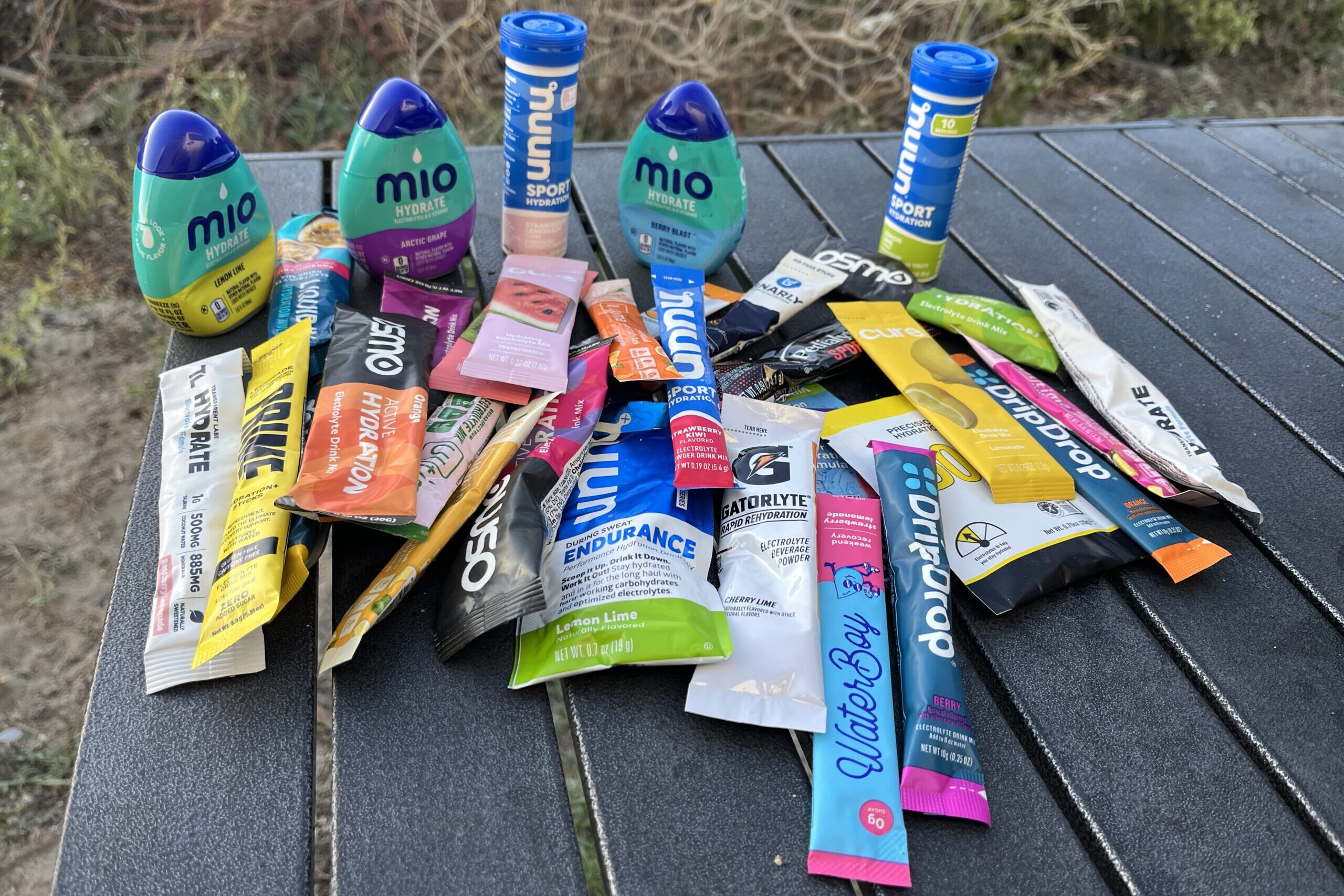
When you store glycogen, you store water with it. If you under-hydrate during a carb load, you can end up feeling flat, headachy, or crampy. If you overdo plain water and skip sodium, you can dilute sodium, especially if you are sweating a lot for long periods.
A simple approach
- Drink regularly throughout the day, not all at once at night.
- Include sodium through normal meals, broths, or an electrolyte drink if you sweat heavily or it is hot.
- Use urine color as a rough check: pale yellow is the goal, not crystal clear all day.
If you have a medical condition that affects fluid balance or blood pressure, get personalized advice from a clinician or sports dietitian.
Tournaments
Endurance is not only about miles. Anyone who has played three games in a day knows that your legs can feel fine in warmups and then vanish by the second half. That is glycogen and nervous system fatigue teaming up.
The tournament tweak
- Day before: high-carb meals and snacks, normal protein, lower fat.
- Between games: smaller, fast-digesting carbs (pretzels, bananas, rice cereal treats, sports drink, gels) plus fluids.
- After games: carbs + protein to reload for the next day.
If you coach youth sports like I do, this is where you can help families a lot. A cooler with simple carbs and electrolyte drinks beats a greasy fast-food stop every time.
During the event
For events over 90 minutes, most athletes benefit from 30 to 60 grams of carbs per hour. Well-trained guts and experienced racers often push to 60 to 90 grams per hour, typically using multiple carb sources (like glucose plus fructose) via sports drinks, gels, and chews.
Advanced note: some athletes can tolerate higher intakes (roughly up to 90 to 120 g/hr) with multiple transportable carbs and gut training. That is not a race-week experiment. It is a practiced skill.
Rules that help
- Start fueling early, not when you feel empty.
- Practice in training. Your gut is trainable.
- Match the plan to intensity and conditions. Hot days usually require more fluid and sodium management.
If carb loading is filling the tank, in-event fueling is keeping the engine from sputtering.
Sample 24-hour day
This is an example structure, not a strict menu. Portion sizes should scale up or down based on your body size and carb target.
- Breakfast: oatmeal with honey + banana + glass of juice
- Mid-morning snack: bagel with jam + sports drink
- Lunch: rice bowl with lean chicken, low-fiber veggies, soy sauce
- Afternoon snack: applesauce pouch + pretzels
- Dinner: pasta with marinara + a small side of bread
- Evening: cereal with milk or a smoothie if you are short on carbs
Notice what is missing: food drama. The best pre-race plan is boring, repeatable, and kind to your stomach.
Common mistakes
1) Going huge on carbs but forgetting total energy
If you spike carbs without enough overall energy, you may still under-fuel. Carb loading is not a license to skip meals, it is a reason to plan them.
2) Keeping fat the same while adding carbs on top
That can create an accidental calorie bomb and leave you feeling sluggish. During the load, keep fats moderate so carbs can do their job.
3) “Reward dinner” after a hard final workout
Last big workout, then a heavy restaurant meal? That is a classic recipe for race-eve GI issues. Keep the last hard session earlier in the week, taper properly, and eat simple.
4) Trying new supplements on race week
If you did not use it in training, it is not a race-week solution. This includes new gels, high-dose magnesium, and mystery endurance drinks.
Special cases
- Diabetes or insulin-managed conditions: carb loading and race fueling can be done, but it should be coordinated with your clinician and ideally a sports dietitian.
- IBS or FODMAP sensitivity: your “safe carbs” matter more than any perfect target. Practice with the exact foods you plan to use.
- Very low-carb or keto athletes: a sudden carb surge can cause GI issues. If you want to carb load, build it in gradually and rehearse it in training.
The bottom line
Carb loading is not a myth, and it is not a free-for-all. It is a short, intentional window where you:
- Increase carbs (often 8 to 12 g/kg/day for 1 to 3 days)
- Taper training so glycogen can accumulate
- Keep foods simple and familiar to protect your stomach
- Hydrate and include sodium appropriately
- Pair the load with a smart in-event fueling plan
If you want the most “athlete” takeaway I can give you, it is this: the best carb load feels almost too normal. You finish it thinking, “That was it?” Then you hit mile 20 or game three and realize your legs are still with you. That is the whole point.
SportQuill homework: try a mini carb-load before a long training run or a heavy scrimmage weekend. Nail the process when it is practice, not when it is your big day.