
If you have wide feet, trail running can feel like a small, repeated act of betrayal. The views are elite, the effort is honest, and then your shoes turn your toes into passengers packed into coach seats on a five-hour flight. Numbness, blister hotspots, black toenails, and that burning “please get me to the car” feeling are usually not a toughness issue. It is a fit issue.
The good news is 2024 has more legit options than ever. Brands are finally offering true wide sizes, roomier toe boxes, and uppers that do not fight your foot on descents. Below are the trail shoes that consistently deliver for wide-foot runners, plus a buying guide so you can match the shoe to your terrain, your stride, and the miles you want to stack.
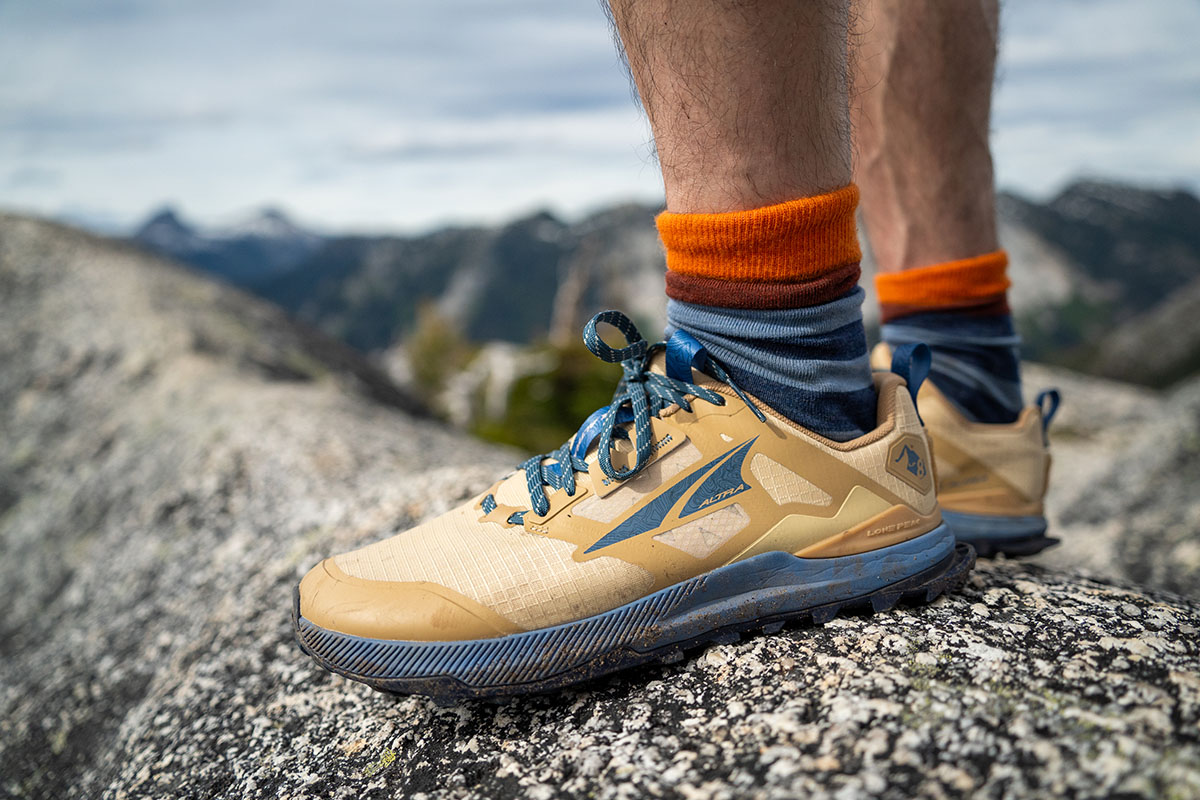
Quick picks
- Best overall wide-fit feel: Altra Lone Peak 8 (foot-shaped toe box)
- Best true wide sizing and grip: HOKA Speedgoat 6 (Wide)
- Best all-day comfort for heavier mileage: New Balance Fresh Foam X Hierro v8 (Wide)
- Best for technical terrain and toe protection: Topo Athletic Ultraventure 3
- Best for road-to-trail versatility: Brooks Cascadia 18 (Wide)
- Best value wide trail workhorse: Saucony Peregrine 14 (Wide where available)
Note: availability of wide widths varies by region and colorway. When possible, look for “2E” (men) or “D” (women) in the listing rather than assuming a shoe “runs wide.”
Best trail shoes for wide feet (2024)
I am prioritizing three things here: real forefoot room, stable platforms that do not punish tired feet, and durability that holds up when the trail gets sharp. I also call out the “who it is for” runner because the best shoe on paper is useless if it fights your gait.
HOKA Speedgoat 6 (Wide)
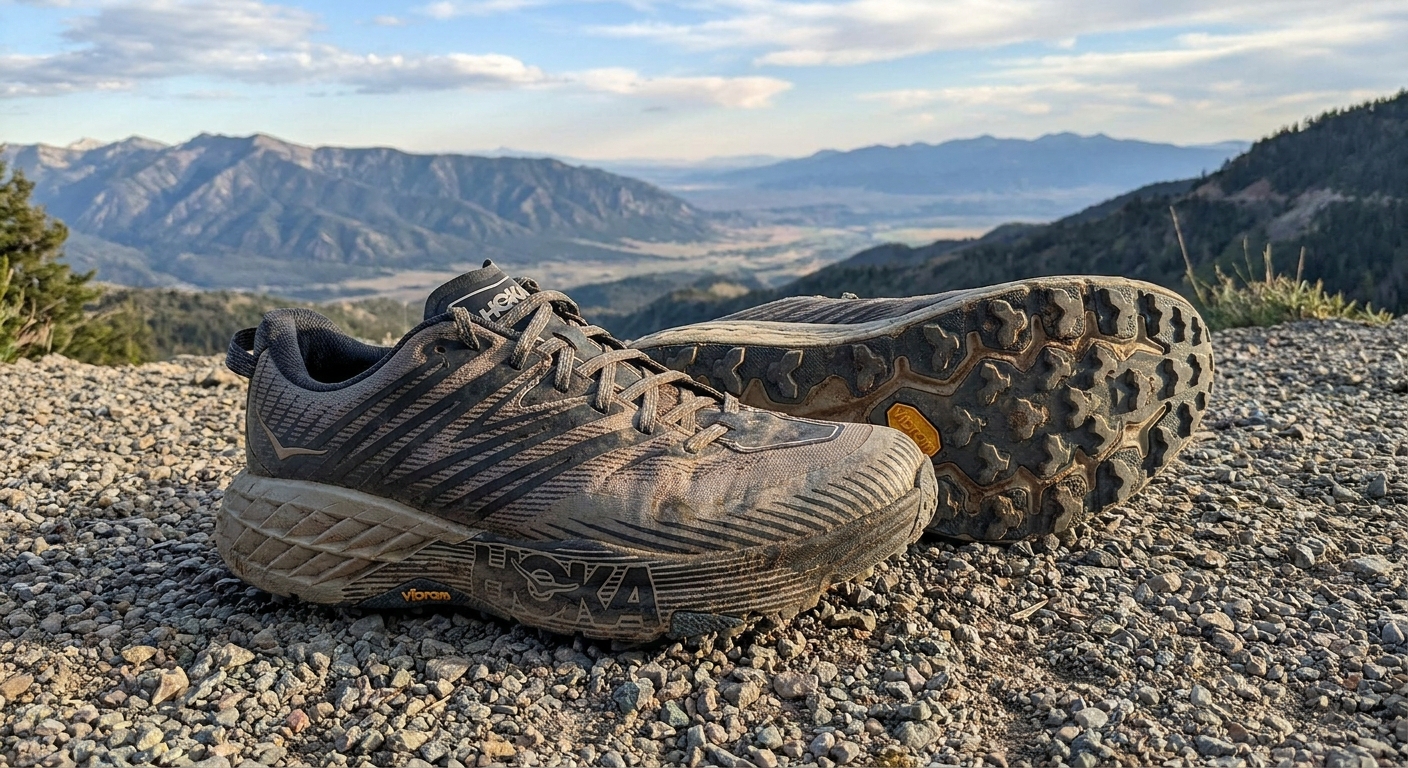
Why wide-foot runners love it: When you get the actual Wide version, the Speedgoat stops being a squeeze-fest and turns into one of the most confidence-building cushioned trail shoes out there. The 6 keeps that protective, high-mileage DNA and feels smoother underfoot without turning into a marshmallow.
- Best for: long runs, rough trails, runners who want max comfort and traction
- Standout feel: high cushion, stable for its stack, excellent grip
- Watch out for: the standard width can feel narrow, so make sure it is the Wide listing
Marcus take: This is the shoe I recommend to the wide-foot friend who keeps getting beat up late in runs. When the legs are cooked and your form gets messy, the Speedgoat’s cushioning and bite keep you from paying interest on every misstep.
Altra Lone Peak 8
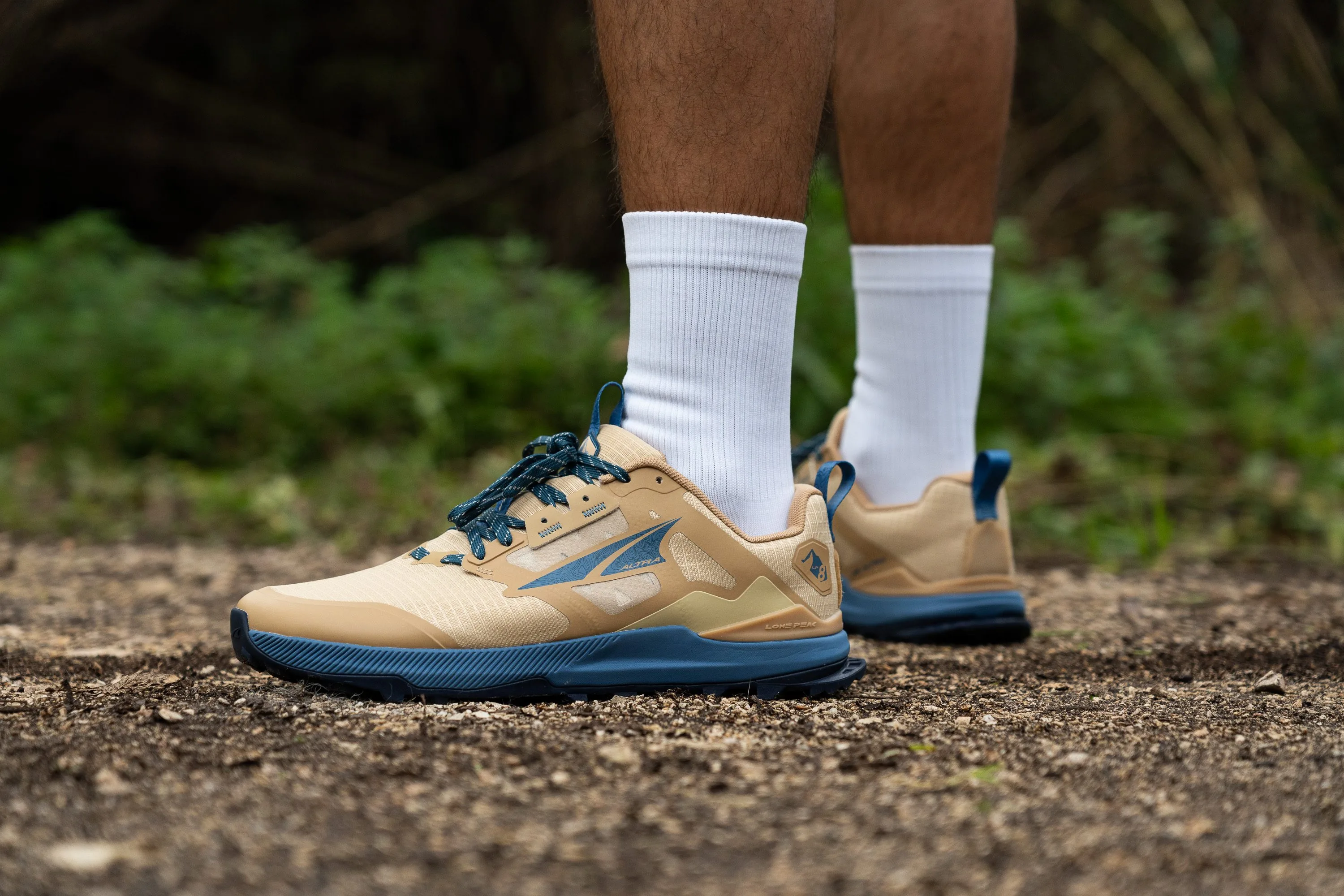
Why wide-foot runners love it: Altra’s “FootShape” toe box is the definition of letting toes do their job. If you have wide forefeet or just hate that pinched feeling on descents, this is a classic for a reason.
- Best for: natural toe splay, moderate trails, runners who like a low, stable feel
- Standout feel: roomy forefoot, balanced ride, flexible enough for varied terrain
- Watch out for: zero-drop geometry can stress calves and Achilles if you switch too fast
Marcus take: If you are coming from a higher drop shoe, ease into these. Think of it like changing a shooting form. Great long-term, but you do not overhaul everything in one practice.
Topo Athletic Ultraventure 3
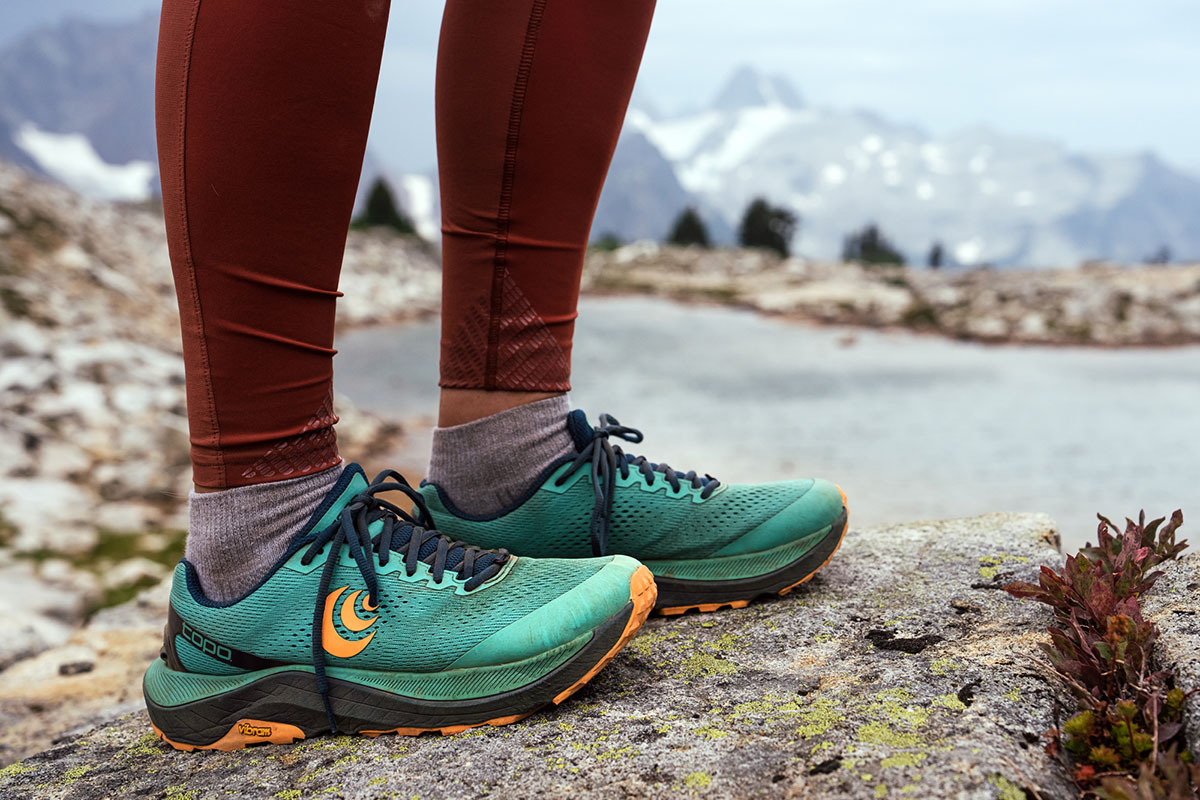
Why wide-foot runners love it: Topo’s fit is the sweet spot for a lot of runners: roomy toe box, secure midfoot, and enough cushion to go long without feeling sloppy. It is a quietly great “do-it-all” shoe for wide forefeet.
- Best for: daily trail miles, ultras, toe-box room with a locked-in midfoot
- Standout feel: stable, protective, comfortable over long duration
- Watch out for: if you want a super-snappy, racey feel, this is more cruiser than sports car
New Balance Fresh Foam X Hierro v8 (Wide)
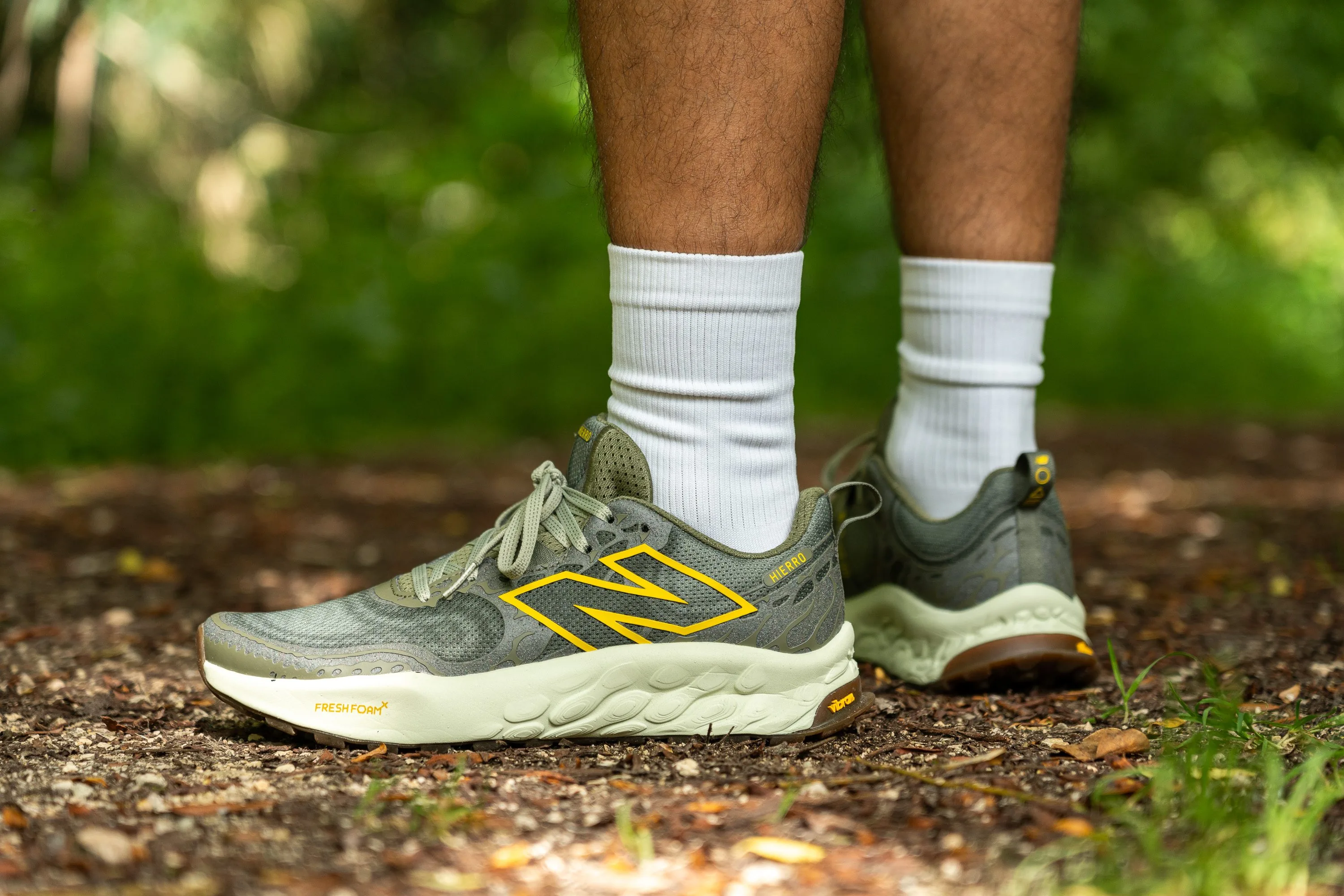
Why wide-foot runners love it: New Balance tends to respect width options, and the Hierro’s comfort is still the headline. The v8 is a strong pick if your feet swell on longer runs, or you want a plush ride that still handles dirt and rock without feeling flimsy.
- Best for: comfort-first runners, mixed surfaces, long steady efforts
- Standout feel: soft cushioning with trail-ready protection
- Watch out for: very technical, steep terrain can expose a softer, less precise feel
Marcus take: If your trail run is half about clearing your head and half about getting the work in, this one keeps the vibe right. Less foot drama. More miles.
Brooks Cascadia 18 (Wide)
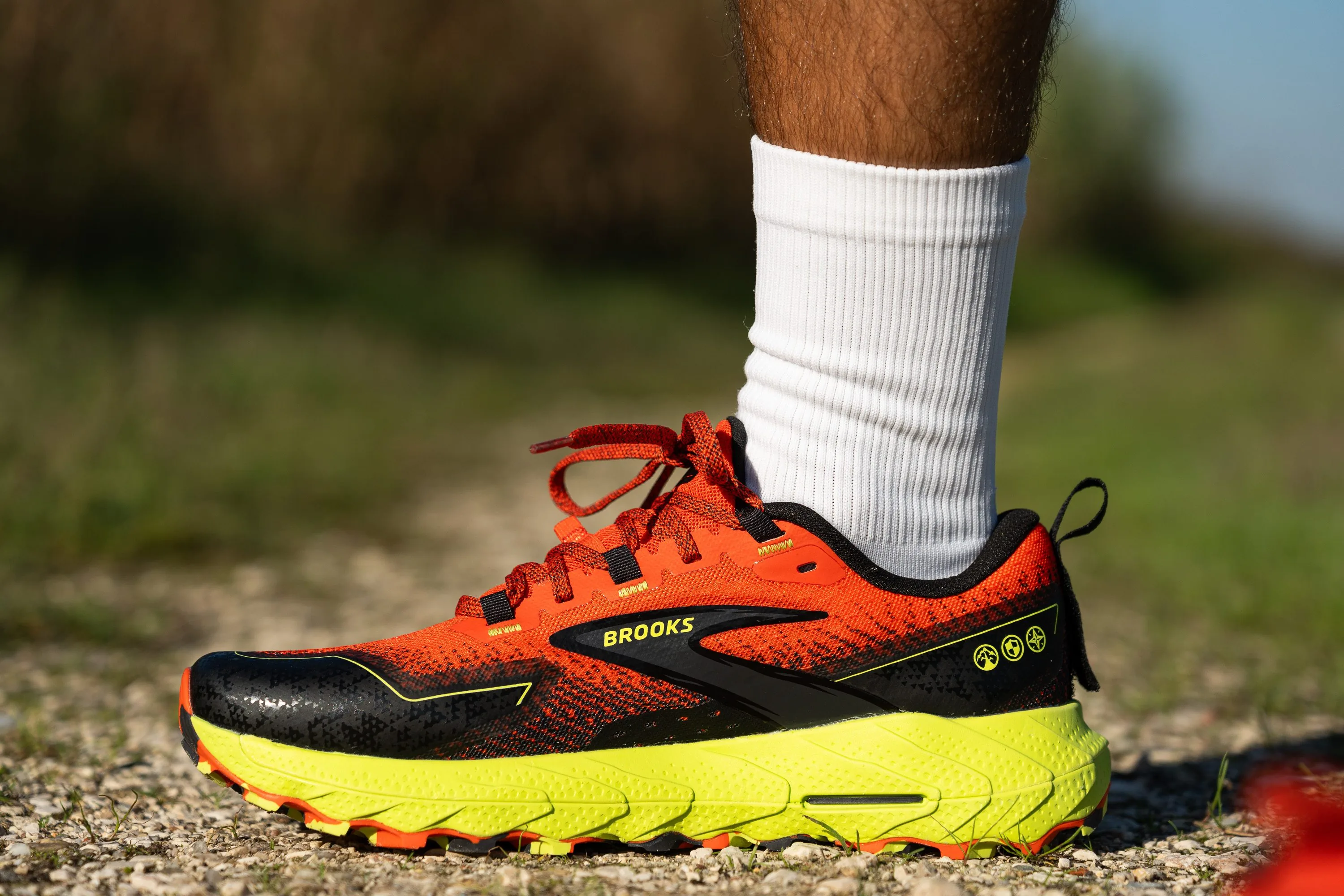
Why wide-foot runners love it: Cascadia is the dependable teammate. Not flashy, but it shows up. The wide version gives a little more breathing room, and the platform feels stable on uneven terrain. The 18 keeps that predictable, trail-trainer feel that a lot of runners trust when conditions get weird.
- Best for: varied trails, runners who want stability and predictability
- Standout feel: secure, durable, balanced protection
- Watch out for: not the lightest option, more “trainer” than “racer”
Saucony Peregrine 14 (Wide where available)
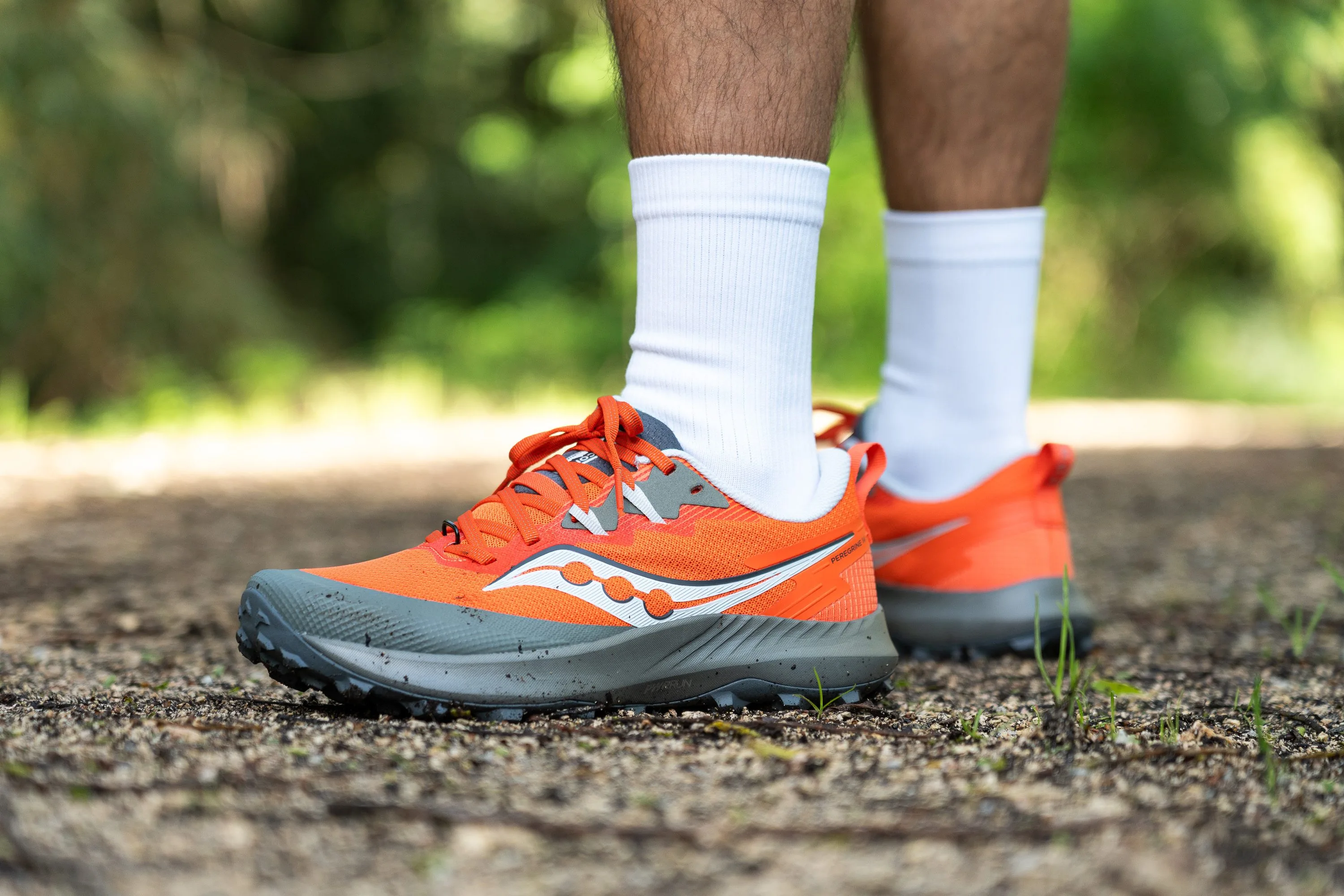
Why wide-foot runners love it: If you can find the wide option, the Peregrine is a strong value for runners who hit sloppy conditions or want a more agile, grippy ride without going full minimal. The 14 keeps that bite and ground connection that makes the Peregrine a go-to when traction is the whole point.
- Best for: mud, soft trails, runners who want a nimble feel
- Standout feel: traction, ground feel, confidence in messy terrain
- Watch out for: wide availability can be inconsistent depending on retailer and region
How to choose wide trail shoes
Wide-foot fit is not just “buy wide.” On trails, your foot changes shape under load, swells with time, and slides forward on descents. Here is what I look for when I am helping athletes and parents in our local running group avoid the usual blister cycle.
1) Know your kind of wide
- Wide forefoot, normal heel: prioritize a foot-shaped toe box and a heel that locks down. Topo and Altra are popular here.
- Wide midfoot volume: look for true wide sizing (2E) and uppers that do not pinch across the arch. New Balance is often a safe bet.
- Wide heel: less common, but you may need a different model entirely because many trail shoes taper back aggressively.
Tip: If you routinely bust the upper on the outside of your pinky toe area, that is not “normal wear.” That is your shoe losing the battle with your foot width.
2) Prioritize descents
Most toe problems show up going downhill. Your foot slides forward, toes spread to stabilize, and suddenly the front of the shoe becomes a battering ram. Look for:
- adequate length plus forefoot height (not just width)
- a toe bumper that protects without compressing
- lacing options that let you lock the midfoot so you do not slam forward
3) Match lugs to terrain
- Hardpack and rock: moderate lugs, sticky rubber, stable platform
- Loose gravel and dry dust: deeper lugs and a secure upper to reduce lateral slip
- Mud and wet roots: more aggressive lug pattern with space to shed mud
If you run mostly buffed trails, overly aggressive lugs can feel like cleats on pavement, and they can wear faster.
4) Cushion vs stability
Wide-foot runners often prefer a stable platform because it spreads pressure more evenly. More cushion can reduce rock bruising, but very soft foam can feel wobbly on off-camber trail. If you are rolling ankles late in runs, consider a shoe that is a touch firmer or wider through the midsole base.
5) Plan for swelling
Feet swell. Trails make it happen faster. If you are buying for long runs, try shoes later in the day or after a short jog. Also, thicker socks can “steal” interior volume, which matters a lot for wide feet. A thin-to-medium trail sock is usually the sweet spot.
Fit checklist
- Thumb test up front: about a thumb’s width between your longest toe and the front of the shoe when standing.
- Downhill test: lace up, then do a gentle ramp walk or simulate a downhill stance. Your toes should not jam.
- Midfoot comfort: no sharp pressure over the top of the foot. Trail uppers should hug, not choke.
- Heel lock: minimal heel lift when you walk fast or jog in place.
- Hotspot scan: if you feel a rub in the first five minutes, it will be a blister by mile five.
If you are ordering online, keep tags on, test on clean floors, and return anything that gives you even a hint of pinky toe pinch.
Common mistakes
Sizing up for width
This is the classic trap. Longer shoes can reduce width pressure, but then you slide more, catch toes on descents, and chew up toenails. Wide sizing or a foot-shaped last is the real fix.
Cranking down laces
If the shoe is too narrow, you will tighten laces and cut off circulation. Better approach: use a runner’s loop for heel lock, and choose a model with a secure midfoot that still gives toes room.
Going too minimal on rocks
Wide-foot runners often chase flexibility because stiff uppers can feel restrictive. But on rocky terrain, some structure and underfoot protection keeps you running instead of tiptoeing.
FAQs
Best wide trail shoe?
If you want one answer that works for a lot of runners, it is the HOKA Speedgoat 6 in Wide for cushion plus traction, and the Altra Lone Peak 8 if you want the most natural toe box feel. Your terrain and drop preference will decide the winner.
Wide toe box vs wide size?
Not always. A wide toe box can mean more room up front but still a snug midfoot. A true wide size (often 2E) increases volume more broadly. Many wide-foot runners do best with a roomy toe box and a secure midfoot, which is why Topo is a popular middle ground.
Waterproof for wide feet?
Only if you truly need them. Waterproof membranes can reduce breathability and sometimes feel tighter because the upper has less give. For most runners, a non-waterproof shoe that drains and dries is the better long-run choice.
My bottom line
The best wide-foot trail shoe is the one that disappears on your foot when the trail gets loud. You should be thinking about the next switchback, the runner ahead of you, the way the air changes under the trees. Not your toes negotiating for space.
If you are starting from scratch, begin with the Speedgoat 6 Wide for comfort and grip, or the Lone Peak 8 for toe freedom and a stable feel. From there, match cushion and lug aggressiveness to your home trails, and you will be shocked how much better “tough” feels when your shoes stop picking fights with your feet.