
Sports internet loves two things: a superstar mystery and a media knife fight. This week, it got both.
Pablo Torre, the investigative journalist and host, caught the full blast of NBA social media after a high-profile ESPN report he led was publicly disputed by the league itself. Once the NBA pushed back, the conversation stopped being about the original allegations and became something bigger: a referendum on credibility, accountability, and how fans think power works behind the curtain.
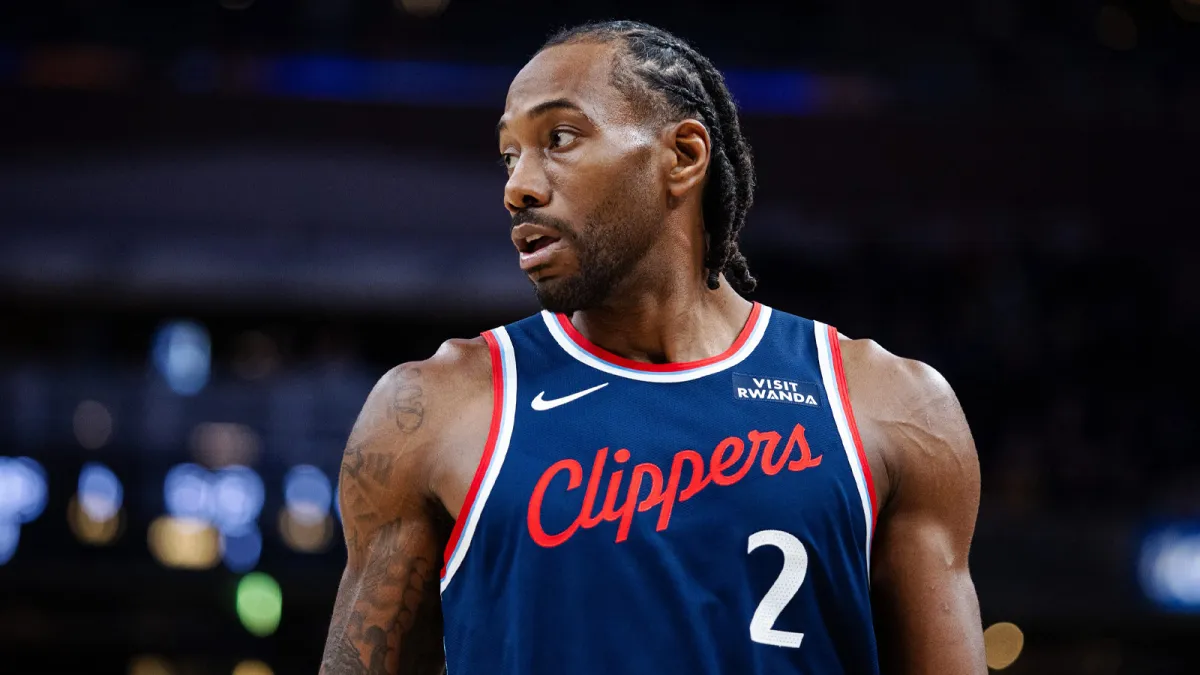
And because this is the NBA, the plot instantly pulled in familiar characters from the league’s modern folklore: Kawhi Leonard and his uncle, Dennis Robertson (the “Uncle Dennis” name that shows up any time Clippers-era Kawhi business gets discussed).
What Torre’s reporting was about, in plain English
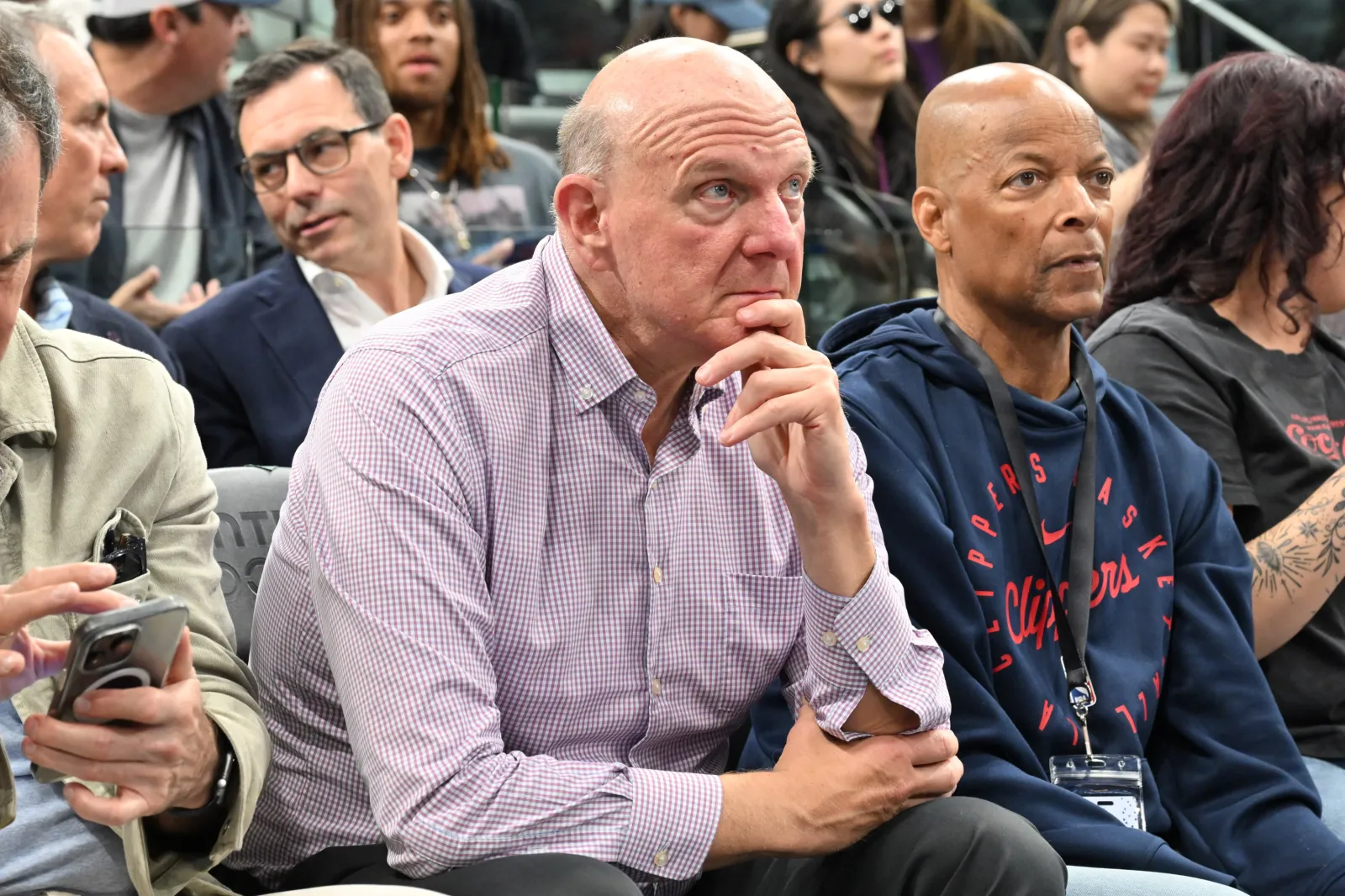
The core subject was a league investigation connected to the Los Angeles Clippers and Kawhi Leonard’s camp. Specifically, the reporting centered on whether there was evidence that Clippers owner Steve Ballmer funneled improper benefits to Leonard through sponsorship channels.
That’s the key idea to keep straight: this wasn’t framed as “we have a smoking gun.” It was framed around what investigators did or did not find.
In the NBA ecosystem, though, even a report that leans on the phrase no evidence can land like a verdict. Fans read it as clearance. Rivals read it as cover-up. And once a billionaire owner, a superstar, and the league office are all in the same sentence, nobody stays calm.
What the NBA actually pushed back on
The league publicly challenged the reporting, calling out inaccuracies and disputing the idea that the investigation’s outcome could be summarized as “cleared” in the way people were circulating it online.
That distinction might sound like legal hair-splitting, but it is the whole ballgame.
“No evidence” is not the same as “didn’t happen”
When an entity says an investigation found “no evidence,” it can mean a few different things:
- Investigators looked and found nothing credible.
- Investigators looked but could not substantiate the claim.
- Investigators’ findings were limited by access, cooperation, documentation, or scope.
And when the NBA disputes a story, that also can mean multiple things:
- They believe the report incorrectly characterized the investigation’s conclusion.
- They believe the language used implied certainty where the underlying record is more nuanced.
- They are protecting confidential investigative details and pushing back on what was made public.
In other words, “the NBA shot it down” is a clean phrase for a messy reality. League rebuttals are often less about proving innocence or guilt and more about controlling the exact meaning of official findings.
Why this turned into a reputations war so fast
Here’s what made this one go supernova: the debate wasn’t only about the facts. It was about damage.
One side argued the reporting recklessly stains people who have no practical way to fully defend themselves in public. Former NBA player Ty Lawson captured that frustration in a viral post: “So does Pablo Torre get any fine , backlash, sued or fired for Trying to ruin people’s reputation/ life or Pablo can just say oops my bad and sweep it under the rug 🧐🤔🧐🤔 smh”.
The other side saw the backlash as fans doing PR work for the rich and connected. One highly circulated defense framed it as anger at “a real investigative journalist” for “exposing actually important behind the scenes stuff,” and went even harder by describing the target as “a billionaire who’s scamming and cheating something.”
That’s not a normal disagreement about reporting. That’s a clash of worldviews: whether sports media exists to comfort the product or confront the powerful.
Why Kawhi and “Uncle Dennis” keep getting mentioned
If you’ve been around NBA discourse for a while, you already know the shorthand.
Kawhi Leonard’s free agency saga, his ultra-controlled camp, and the long-running whispers around benefits and influence turned “Uncle Dennis” into a symbol more than a person. He represents the part of superstar team-building that fans can feel but rarely see: quiet leverage, private relationships, and the gray areas between recruitment, representation, and rule-breaking.
So when Torre’s story became a public tug-of-war with the league, the jokes were inevitable. One viral post put it bluntly: “Pablo Torre once Kawhi and Uncle Dennis catch him LMAOO 😭”.
It’s humor, but it’s also a signal. People read this dispute as connected to power brokers, not just a technical disagreement over wording.
The real issue: how sports fans grade “accountability journalism”
This whole episode exposed an uncomfortable truth about modern hoops fandom: we don’t share a common grading scale for investigative reporting.
Camp A: “If it’s wrong, it’s irresponsible”
This side treats accuracy as a zero-sum scoreboard. If the NBA disputes the story, they assume the story failed. That’s why you saw calls for consequences like firings, lawsuits, and professional punishment. In that worldview, the harm is immediate and the correction never fully repairs it.
Camp B: “Of course the league is going to deny it”
This side assumes institutions protect themselves. A league rebuttal is not a refutation, it’s a defensive posture. They see reporters like Torre as one of the few people willing to take incoming fire to surface uncomfortable information.
What both sides miss
The most important question isn’t “Who do I like more, the reporter or the league?” It’s “What, exactly, is being claimed, and what standard of proof is being applied?”
Because there’s a massive difference between:
- Alleging a specific act occurred (a concrete accusation), and
- Reporting on what investigators concluded (a process and documentation story).
When those blur, fans start arguing past each other. One side hears “guilty.” The other hears “witch hunt.” The truth might be neither.
So who “got it wrong” here?
What we can say safely is this: the NBA believed the public takeaway from the story was inaccurate enough that it needed to push back directly.
That does not automatically mean Torre fabricated anything. It also does not automatically mean the NBA is hiding the ball. It means the phrasing and framing of investigative outcomes matter, especially when the subjects include a megawatt star, a franchise owner, and the league’s own enforcement posture.
There’s also a second, quieter truth: online audiences are terrible at reading nuance. Even if a report is carefully written, the quote-tweet version becomes “he was cleared” or “they’re corrupt,” and then we fight over the simplified meme, not the underlying substance.
“Yall ran a flagrant victory lap on Pablo just for that ESPN report to be shot down by the NBA. Yall was saying some wild shit.”
DragonflyJonez
What to watch next (if you care about the truth, not the dunks)
- Specificity. Does anyone clarify what, precisely, the NBA says was inaccurate? Not vibes. Not insinuations. Specific statements.
- Process transparency. Do we learn anything concrete about the investigation’s scope, timeline, and standards?
- Follow-up reporting. Serious investigations don’t end with one story and one rebuttal. They evolve with documentation, sourcing, and clarification.
- Language discipline. Watch how often “cleared,” “no evidence,” and “no wrongdoing” get used interchangeably. They are not the same thing.
Because the durable lesson here is bigger than Torre, bigger than the NBA, and honestly bigger than Kawhi’s orbit: when money, power, and championships collide, the battle is always over the narrative. The hard part is separating narrative from record.

Quick FAQ
Is this about Kawhi Leonard?
It’s tied to an NBA investigation connected to Leonard’s camp and the Clippers, which is why his name and “Uncle Dennis” became a recurring reference point in the backlash and jokes.
Did the NBA say the reporting was false?
The league publicly disputed the story and called out inaccuracies. That’s different from proving every underlying claim is false. It’s a statement that the league believes the reporting or its takeaway mischaracterized the investigation.
Will Pablo Torre face consequences?
People online called for everything from firings to lawsuits, but consequences depend on what can be demonstrated about accuracy, sourcing, editorial standards, and harm. Those are high bars and usually handled internally unless litigation happens.