
I have coached enough youth hoops to know the most stressful part of a concussion is not always the initial hit. It is the quiet hours after, when the adrenaline fades and a kid starts rubbing their temples. Parents ask the same question in the hallway, in the car, and in late-night texts: “Can I give them Tylenol or ibuprofen?”
Let’s be crystal clear up front: This article is general information, not medical advice. A concussion is a brain injury, and the safest move is to follow instructions from your child’s clinician, athletic trainer, or an on-call nurse line that knows your child’s situation.
First step: evaluation and no same-day return
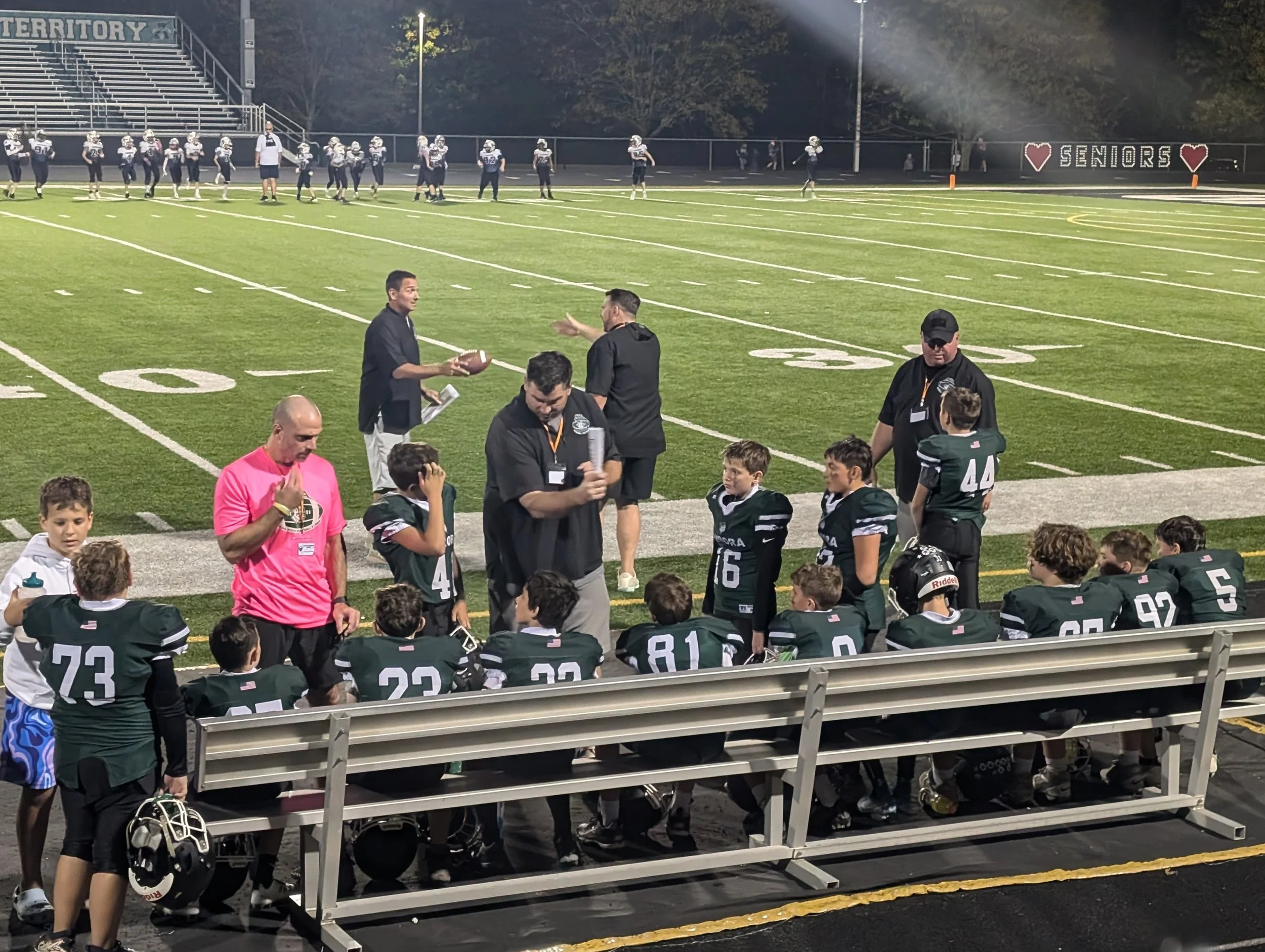
If you suspect a concussion, the first step is not medication. It is to stop play immediately and get your child assessed. Many concussion symptoms overlap with more serious problems, and kids are notoriously tough about downplaying pain when they want to get back in the game.
If your child has already been diagnosed with a concussion, your clinician should give you a plan for symptom management, school adjustments, and a return-to-activity progression. Medication questions fit inside that plan.
And to be direct: a child with a suspected or diagnosed concussion should not return to sports the same day, even if they feel better after taking something for a headache.
Tylenol vs. ibuprofen: the basics
Both acetaminophen (Tylenol) and ibuprofen (Advil, Motrin) can reduce pain. The difference that matters after a head injury is how they work and what they can potentially complicate early on.
- Acetaminophen (Tylenol) treats pain and fever and does not have an antiplatelet, “blood-thinning” effect.
- Ibuprofen (Advil, Motrin) is a nonsteroidal anti-inflammatory drug (NSAID). It treats pain, fever, and inflammation, and it can affect platelet function for a short time.
In an otherwise healthy child taking typical over-the-counter doses, the bleeding risk from ibuprofen is usually modest. The bigger issue after a head injury is precaution: if there is an unrecognized intracranial bleed, clinicians prefer not to add anything that could muddy the waters.
What you often hear in the first 24 to 48 hours
If you read typical ER discharge instructions or guidance from many pediatric sports medicine programs, you will often see some version of this conservative approach:
- Consider acetaminophen first for headache in the first day or two, if your child is allowed to take it.
- Be cautious with ibuprofen and other NSAIDs early unless a clinician specifically tells you it is OK, particularly right after the injury.
Why the early caution with NSAIDs? Not because we know ibuprofen “causes brain bleeding” in uncomplicated concussions. It is because right after a head injury, clinicians want to avoid anything that could complicate bleeding risk until a more serious injury is ruled out. The overall risk of a dangerous bleed is low, but the consequences can be high. That is why early concussion care tends to be conservative.
Once your child has been evaluated and a clinician is comfortable there is no sign of bleeding or a more serious injury, some providers will allow NSAIDs later on. Others still prefer sticking with acetaminophen. This is one of those areas where the right answer depends on the kid and the injury.
Whatever you use, follow label directions and any clinician-specific dosing advice. “Tylenol first” does not mean “as much as it takes.”
Why you should not just treat the headache
Headache is one of the most common concussion symptoms, but it is also a symptom that can signal something worse. The goal is not to make your child feel normal enough to power through school or sneak back to practice. The goal is to let the brain recover without missing red flags.
Also, pain medicine can mask symptom changes. If a headache is rapidly worsening, or suddenly different, that matters. If it is being covered up by frequent dosing, it can delay appropriate care.
One more practical point: using pain relievers too frequently for too many days can contribute to medication-overuse (rebound) headaches. If your child needs around-the-clock doses for more than a day or two, or headaches are lingering, that is a reason to check in with your clinician rather than just escalating home treatment.
Medication safety reminders
Do not guess the dose
Children’s dosing is based on age and weight, and products come in different concentrations. Use the label and the dosing tool that comes with the medicine. If you are unsure, call your pediatrician or a pharmacist.
Avoid stacking combination products
Cold and flu medicines sometimes contain acetaminophen. It is easy to accidentally double-dose Tylenol if you are using multiple products.
Do not give aspirin unless told to
Aspirin is generally not recommended for children and teens because of the risk of Reye syndrome, unless a clinician has specifically instructed you to use it for a medical reason.
Know the key risks
- Acetaminophen: too much can injure the liver. Extra caution is needed for kids with liver disease or who accidentally get acetaminophen from multiple products.
- Ibuprofen and other NSAIDs: can irritate the stomach, affect kidneys in certain situations (like dehydration), and may be avoided early after some injuries depending on clinician preference and evaluation.
Hydration and food matter
If a child is nauseated or not keeping fluids down after a concussion, that changes the medication conversation. Dehydration can worsen headaches and can make some medicines riskier.
When to get emergency care now
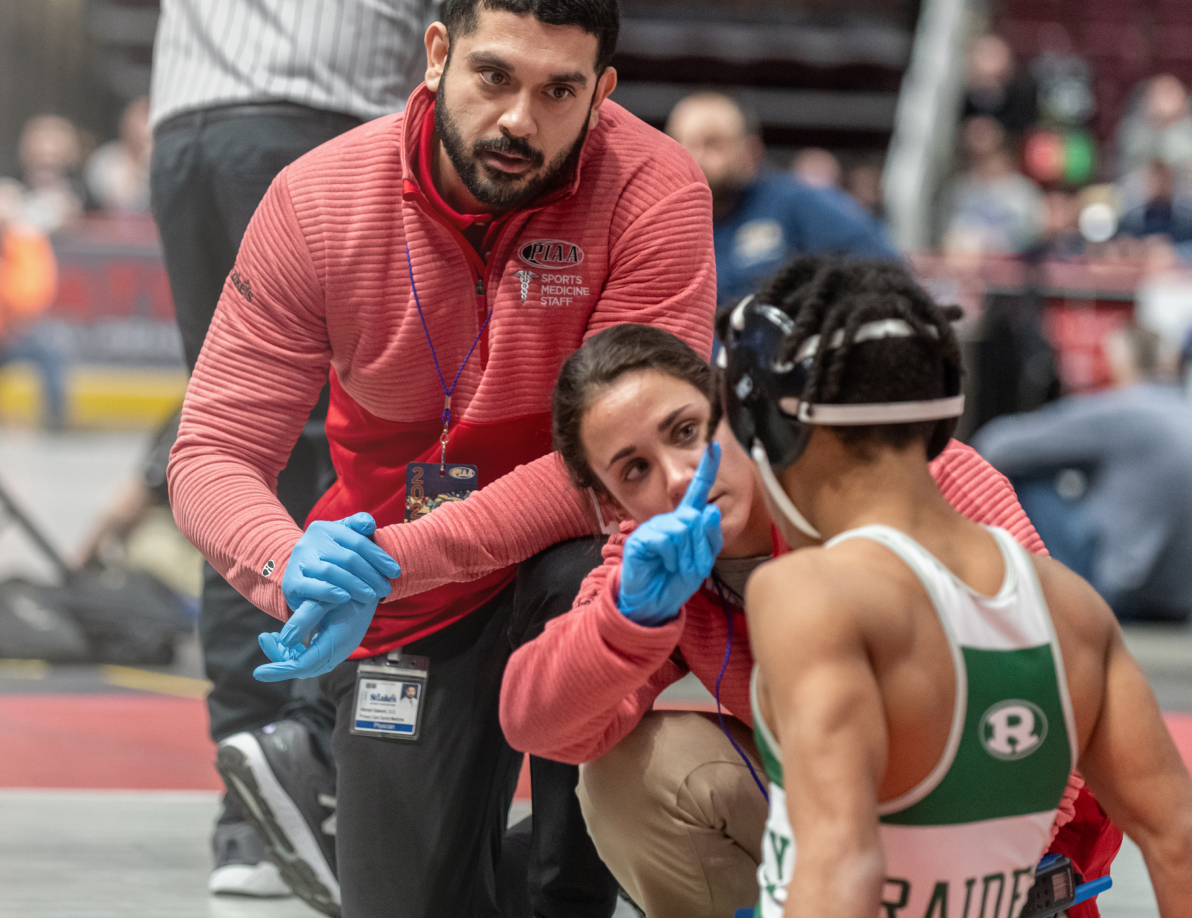
If any of the symptoms below are present, treat it as urgent and seek emergency evaluation. If you are in doubt, err on the side of being seen.
- Worsening headache that is severe or keeps escalating
- Headache that keeps worsening even after appropriate dosing, or feels suddenly different
- Repeated vomiting
- Increasing confusion, unusual behavior, extreme irritability, agitation, or inability to recognize people or places
- Seizure, fainting, severe or worsening drowsiness, or inability to wake up normally
- Weakness, numbness, trouble walking, or clumsiness that is new
- Slurred speech or trouble speaking
- Unequal pupils or sudden vision changes
- Neck pain with stiffness, especially after a big collision or fall
- Blood or clear fluid leaking from the nose or ears
- Any symptom that is rapidly getting worse instead of gradually improving
Also seek urgent care if the injury involved a high-speed impact, a fall from height, or if your child has a bleeding disorder or takes blood-thinning medication.
What to do at home besides meds
In the early phase, the best treatment often looks boring, but it works.
- Relative rest for 24 to 48 hours: calm activities, no rough play, and avoid anything that spikes symptoms.
- Hydration and regular meals: a hungry, dehydrated kid will report a worse headache.
- Sleep: let them sleep. Routine waking overnight is not always required, so follow your clinician’s instructions about nighttime checks.
- Light and sound control: dim rooms, reduced screen brightness, and quiet breaks when needed.
- Short breaks from screens: especially if screens trigger symptoms.
After the first couple days, most modern concussion guidance supports a gradual return to light activity that does not significantly worsen symptoms, but that progression should be guided by a clinician or school sports medicine staff.
Common questions
Can my kid take Tylenol the same day?
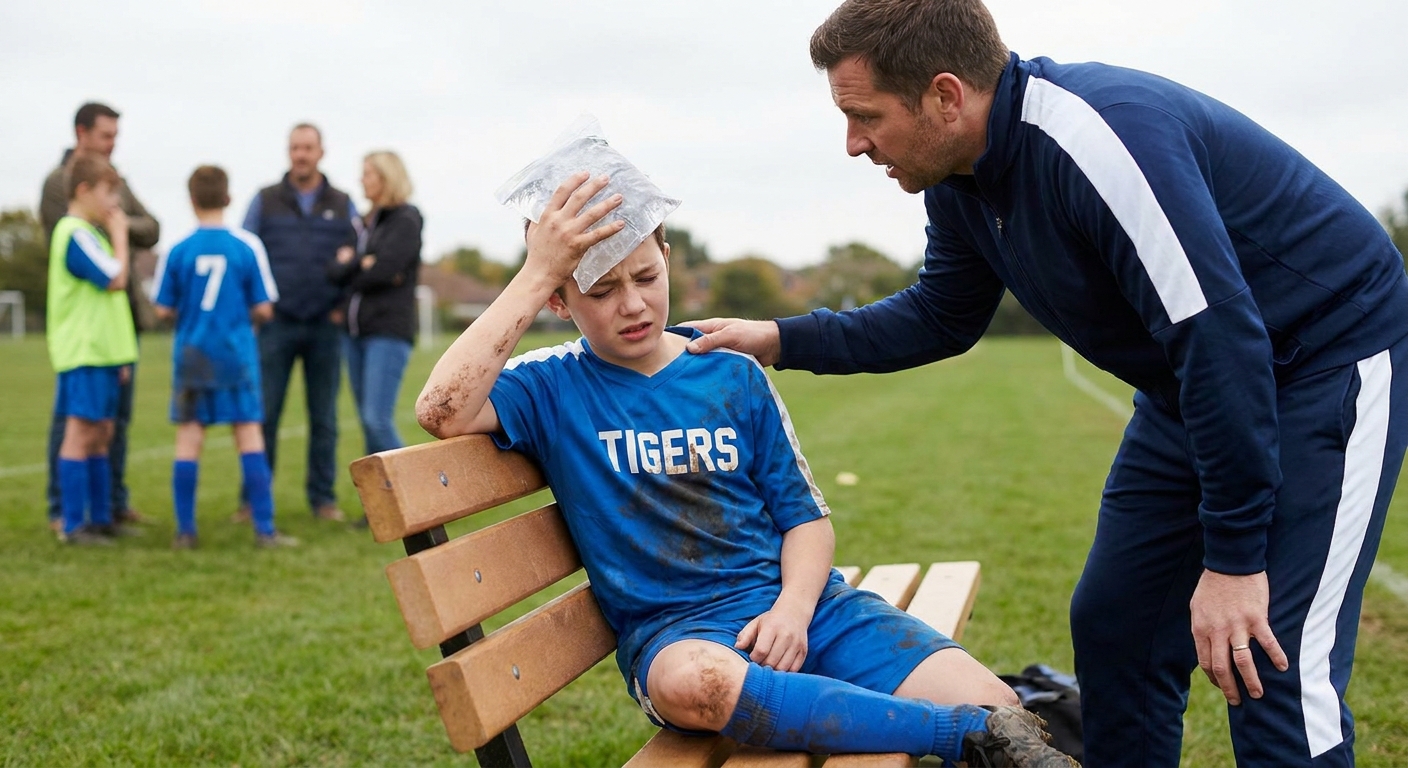
Many clinicians allow acetaminophen for headache the same day, but you should still confirm with your child’s provider, especially if symptoms are severe, changing, or the injury has not been evaluated.
Why do some people say no ibuprofen after a concussion?
The early concern is precautionary. Right after a head injury, some providers recommend avoiding NSAIDs for the first 24 to 48 hours until more serious injury is ruled out, because NSAIDs can affect platelet function and bleeding risk. Other clinicians may allow NSAIDs once a child has been evaluated and red flags are absent.
If my kid feels better after medicine, can they practice?
No. Medication can reduce pain, but it does not mean the brain is ready for contact or intense exertion. Follow a clinician-guided return-to-play plan.
My child has headaches days later. Is that normal?
Headaches can linger during concussion recovery. However, worsening symptoms, new neurologic symptoms, or headaches that are severe or different deserve a call to your clinician. If your child needs frequent pain medicine for days, ask about rebound headaches and whether the recovery plan needs adjusting.
Bottom line
If your child has a concussion, medication is not a do-it-yourself guessing game. In general, many clinicians prefer acetaminophen (Tylenol) early and are more cautious with ibuprofen (Advil, Motrin) in the first 24 to 48 hours until a child is evaluated and a more serious injury is ruled out, unless a clinician advises otherwise. Most importantly, watch for red flags and get your child re-evaluated if symptoms worsen.
If you are standing in the kitchen at 10 p.m. with a worried kid and a bottle of medicine in your hand, that is a good moment to call your pediatrician’s after-hours line or consult the clinician who evaluated them. You are not overreacting. You are parenting.