
If you are a parent, you know this feeling. The hit happens, the game pauses, your stomach drops, and suddenly time moves differently. Once you have handled the immediate stuff, the next question is the one I hear over and over in youth gyms and on youth sidelines: How long is this going to last?
The honest answer is that most kids do well and recover fully. The more helpful answer is understanding the typical window, what can stretch it out, and what “still not better” should trigger next steps.
The typical recovery window
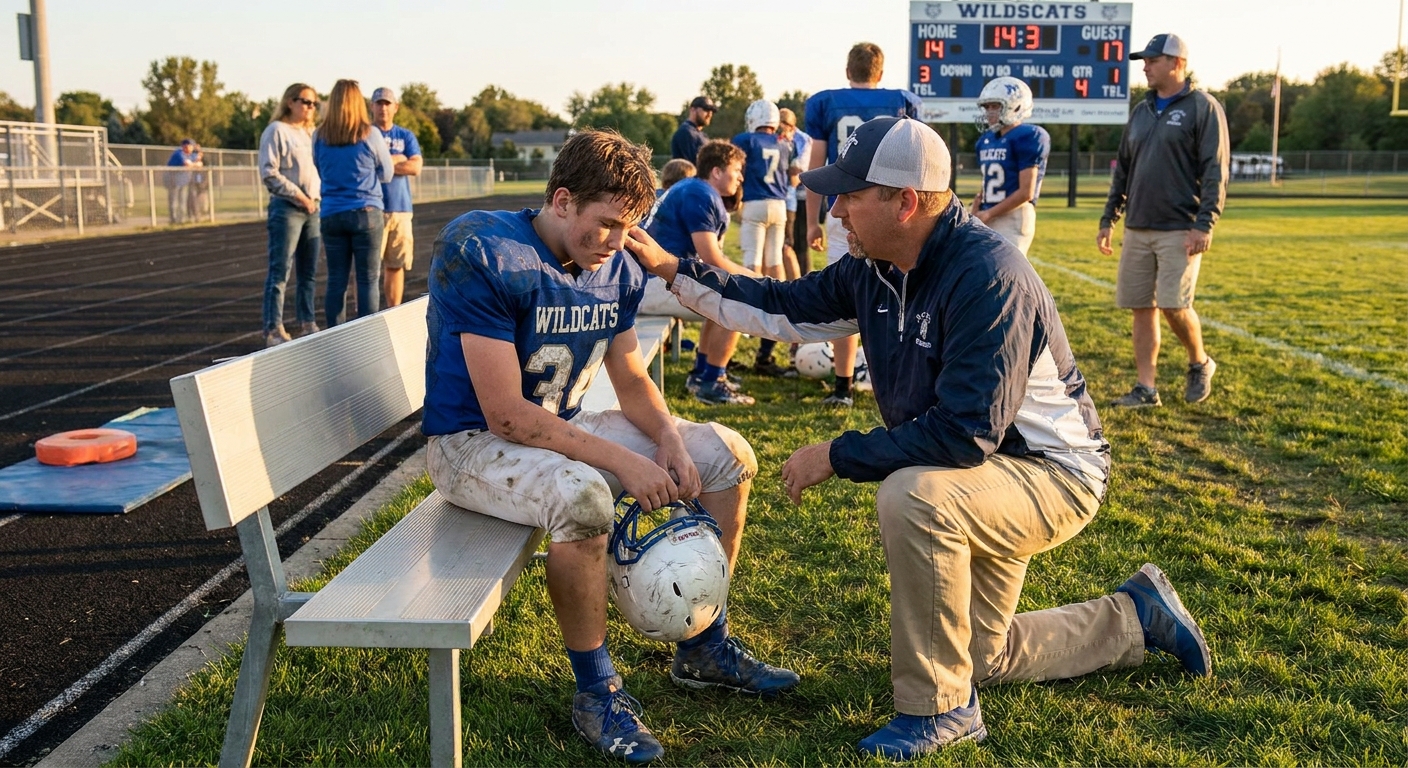
For many children and teens, concussion symptoms steadily improve and resolve within about 2 to 4 weeks. Plenty of kids feel noticeably better sooner, often within 7 to 14 days, but it is also common for some symptoms to hang around into that 2 to 4 week range.
That timeline can surprise families because recovery looks different by age, schedule, and stress level. Teens, in particular, can take longer than people expect, especially when school, screens, and sports ramp up fast.
What recovery can look like
- First 24 to 72 hours: Headache, dizziness, light or noise sensitivity, fogginess, fatigue, irritability, and sleep changes are common. Symptoms may fluctuate, especially as the child tries to do normal things again.
- Week 1: Many kids start improving, but screens, noisy environments, busy school days, and intense activity can trigger symptom flares.
- Weeks 2 to 4: Most return to normal routines without symptoms. Some still have lingering headaches, concentration issues, or fatigue, especially with heavy academics or long practices.
- Beyond 4 weeks: Symptoms are lasting longer than we expect for the average recovery and deserve more targeted medical follow-up.
Key point: Progress is rarely a straight line. A “good day” followed by a “bad day” does not automatically mean the concussion got worse. It often means the brain was asked to do too much too soon.
Early rest, then gradual activity
A common myth I still run into is the idea that a kid should stay in a dark room for a week until everything disappears. What most families need instead is a balanced plan: a short period of relative rest early on, then a gradual return to light activity as tolerated.
In real life, that means the first day or two is about dialing down what clearly makes symptoms worse, then slowly reintroducing low-risk movement and schoolwork in small doses, stopping before symptoms ramp up. The goal is to avoid two extremes: pushing through and crashing, or shutting life down so hard that the body deconditions and sleep gets weird.
Symptoms that linger
Every kid is different, but in youth sports, a few symptom patterns show up repeatedly when recovery takes longer:
- Headaches that flare with reading, screens, bright lights, or physical effort
- Fatigue that builds through the day, often after school
- Trouble concentrating or remembering assignments and instructions
- Sleep disruption (too much, too little, or low-quality sleep), which often feeds fatigue and headaches
- Mood changes like irritability, anxiety, or feeling down
- Dizziness or balance issues, especially in visually busy places like hallways, gyms, or stores
One thing I always tell families: do not judge recovery solely by whether the athlete wants to play again. Most competitive kids want back in before their brain is ready. Watch function instead. Can they handle a full school day without crashing? Can they read and retain? Can they move through a loud gym without symptoms spiking?
What can slow recovery
When symptoms stretch beyond the usual window, it is rarely random. These are common factors linked with longer recoveries in kids and teens.
Age and development
Teen brains are still developing, and adolescents often juggle heavy school demands, late bedtimes, and packed sports schedules. All of that can make symptom management tougher.
Prior concussion history
A previous concussion can increase the risk of a longer recovery, especially if concussions happened close together or symptoms lingered last time.
High early symptom load
Kids who have more intense symptoms early on, or multiple symptom types (headache plus dizziness plus light sensitivity plus cognitive fog), often take longer.
Migraine tendencies
A personal or family history of migraines can be linked with more persistent headaches after concussion.
Learning or mental health factors
ADHD, anxiety, depression, and learning differences do not mean a child will not recover. They can mean the path is less simple, and supports may need to be more intentional.
Vestibular or visual-oculomotor issues
If the concussion disrupts balance systems or eye tracking, symptoms like dizziness, nausea, blurred vision, and trouble reading can linger. This is where referral to clinicians experienced in vestibular and visual-oculomotor rehabilitation can be a game changer.
Sleep disruption
Sleep is a major recovery tool. Irregular sleep, insomnia, or sleeping all day can keep symptoms simmering.
Too much, too soon
This is a big one in youth sports culture. If a child pushes through symptoms at school, practices, tournaments, and screen time, the brain can get stuck in a cycle of flares. A flare does not automatically mean new damage, but it is a sign the current load is too high.
Also, pacing symptoms is not permission to keep practicing through them. Return to sport should be separate and more cautious, because the risk is not just feeling worse. It is getting hit again before the brain has recovered.
When symptoms are persistent
In pediatrics, symptoms lasting more than 4 weeks are commonly considered persistent. You will also hear clinicians use terms like “prolonged recovery” or “post-concussion symptoms.”
Persistent symptoms can still improve and resolve. It just usually requires more tailored care, and sometimes a team approach (pediatrician plus sports medicine, vestibular or visual-oculomotor rehab, headache management, and school accommodations).
And this matters for hope: “still having symptoms” does not always mean the brain is simply stuck. It can reflect treatable contributors like migraine patterns, neck strain, vestibular dysfunction, sleep problems, or anxiety around symptoms and school.
When to seek more care
If your child is not clearly improving, or if symptoms are interfering with daily life, do not wait it out forever. Contact a healthcare professional experienced with pediatric concussion, such as a pediatrician, sports medicine physician, or concussion clinic.
Get urgent or emergency care now if
- Worsening severe headache
- Repeated vomiting
- Seizure
- Increasing confusion, agitation, or unusual behavior
- Weakness, numbness, or trouble walking
- Slurred speech
- Unequal pupils or sudden, severe vision changes
- Inability to wake the child or extreme drowsiness that is getting worse
- Neck pain with neurological symptoms after a hit or fall
Consider follow-up soon if
- Symptoms are not trending better after 7 to 10 days
- Symptoms spike significantly with school demands and do not settle with reasonable adjustments
- Your child cannot tolerate light activity without symptoms surging
- Headaches are frequent or intense, especially if they are new for your child
- Dizziness or balance issues persist beyond the first week
- Sleep is significantly off for more than several nights
- Mood changes are significant, or your child seems unusually anxious or down
Move to specialized concussion care if
- Symptoms last more than 4 weeks
- There is a history of multiple concussions
- Vision or reading symptoms are prominent (eye strain, blurred vision, trouble tracking)
- Vestibular symptoms are prominent (dizziness, nausea with movement)
- School functioning is sliding despite accommodations
From the athlete side of me, I will add one more: if a kid is trying to hide symptoms because they are scared of losing their spot, that is a sign the family needs help navigating the process and expectations. That is not a character flaw. That is a young competitor being a young competitor.
How to track progress
You do not need a spreadsheet, but a little structure helps, especially when days blur together.
- Symptom trend: Is the overall weekly trend better, even if there are up-and-down days?
- School tolerance: Can they handle more mental work without symptoms?
- Physical tolerance: Can they do light activity without triggering headaches or dizziness?
- Sleep quality: Is sleep becoming more regular and restorative?
- Behavior and mood: Is irritability easing? Are they more like themselves?
If you are seeing no trend toward improvement across 7 to 10 days, or if things are getting worse, that is your cue to check in again.
FAQ
Can symptoms show up later?
Yes. Some kids feel mostly okay immediately after the hit, then develop headaches, fatigue, sleep disruption, or concentration problems later that day or the next day. That delayed onset is one reason follow-up monitoring matters.
Is it normal to feel worse with school or screens?
It is common. School and screens are high-demand tasks for a recovering brain. A temporary symptom flare does not automatically mean new injury, but it is a sign that the current load is too much and adjustments may be needed.
Do younger kids recover faster than teens?
It varies, but teens often have longer or more complicated recoveries than younger children, partly due to heavier academics, busier schedules, and increased exposure to higher-speed play.
If symptoms last months, is that permanent?
Not usually. Months-long symptoms can happen, and they can still improve with proper evaluation and targeted treatment. The important thing is not to tough it out alone. Persistent symptoms deserve specialized care.
How should return to sport work?
Return to sport should follow a stepwise return-to-play progression, increasing exertion one stage at a time as long as symptoms do not return. In many leagues and states, clearance rules apply, and a clinician or athletic trainer may need to sign off before full contact and games.
The bottom line
Most youth concussion symptoms improve significantly within about 2 to 4 weeks. If your child is not trending better after the first week or two, or if symptoms are still present at the 4-week mark, it is time to check in with a clinician and consider more specialized concussion support. The goal is not just getting back to sports. It is getting your kid back to feeling like themselves, in class, at home, and yes, eventually under the lights again.