
I have coached enough youth hoops and covered enough Friday night football to know this: players will wear the flashiest visor, the newest gloves, the loudest cleats. But ask them to wear a mouthguard every snap and suddenly it is like you requested a 6 a.m. conditioning run.
Parents ask a fair question, though, especially with concussions top of mind. If we can get kids to actually keep a mouthguard in, does it meaningfully reduce concussion risk, or is it mainly about saving teeth?
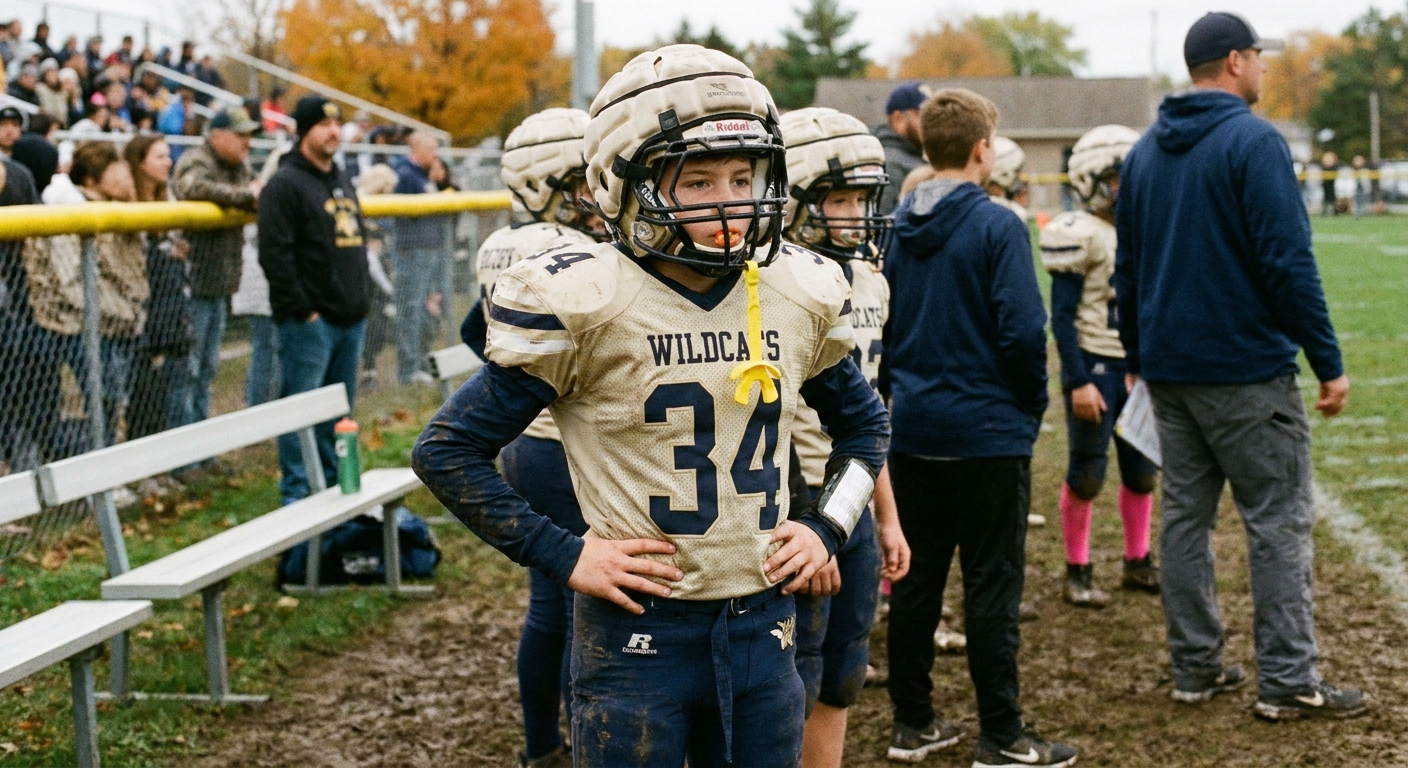
Quick takeaway
- Mouthguards clearly reduce dental and mouth injuries. That is the part research supports strongly, and why many youth and high school leagues require them.
- Mouthguards might reduce concussion risk, but evidence is mixed. Some studies show an association, others show no meaningful effect. Overall, they are not a proven concussion-prevention tool.
- Even if concussion protection is uncertain, mouthguards are still must-have equipment. Teeth, lips, tongue, and jaw take real damage in football, especially when a player is tired and tackling form gets sloppy.
Why people think mouthguards might help
The logic sounds reasonable: a mouthguard cushions the bite, may help stabilize the jaw, and could reduce forces traveling through the mandible toward the skull during contact. You will also hear the claim that keeping the jaw slightly separated reduces impact to the temporomandibular joint.
That hypothesis is biomechanically plausible. The catch is that real-world concussion mechanics are messy.
Many concussions in football are driven by the brain moving inside the skull after sudden acceleration, deceleration, and rotational forces. A mouthguard is inside the mouth, so it has a limited ability to meaningfully change what happens to the brain during a high-energy hit, especially the twisting component that shows up constantly in football collisions.
What research says
If you are looking for a clean, unanimous answer, you will not find it. The most responsible summary is this: mouthguards are proven for dental protection, and unproven for concussion prevention.
That framing matches how major sports and dental organizations generally talk about mouthguards: they are strongly recommended (and often required) to prevent orofacial injury, while concussion claims are not treated as settled science. For readers who want to go deeper, look for position statements and guidance from groups such as the American Dental Association (ADA), the American Academy of Pediatric Dentistry (AAPD), and the National Athletic Trainers' Association (NATA), plus recent systematic reviews in sports medicine journals.
Why the evidence is mixed
- Study design limitations: Many studies are observational, comparing teams or athletes who do and do not wear mouthguards. That is useful, but it cannot fully control for differences in coaching, tackling technique, style of play, position, exposure, and reporting habits.
- Different mouthguards, different compliance: “Wears a mouthguard” can mean a custom-fitted guard worn every snap, or a cheap boil-and-bite that gets chewed and spit out between plays.
- Reporting and diagnosis have changed over time: Concussions are identified and documented more aggressively now than they were in older datasets, complicating comparisons.
What you can responsibly conclude
Across the broader body of sports medicine literature, you will see two themes repeat:
- No strong, consistent proof that mouthguards significantly reduce concussion incidence in football.
- Some signals of possible benefit in certain groups or settings, but not enough to treat mouthguards as a concussion solution.
So if a coach, parent, or product ad claims a mouthguard “prevents concussions,” treat that as marketing, not settled science.
What mouthguards do protect
This is where the conversation should start, not as a consolation prize, but because it matters.
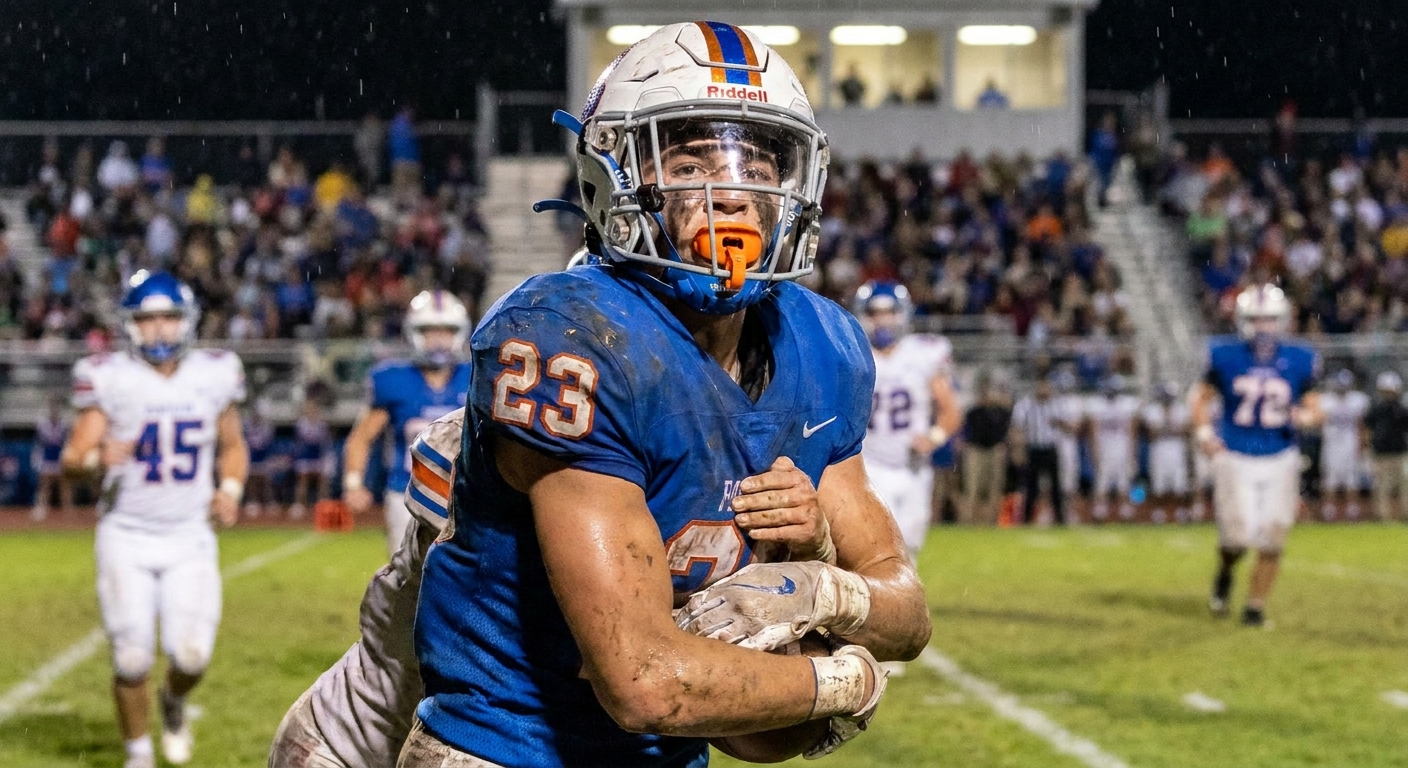
Dental trauma
Football is a sport where facemasks collide, helmets clip chins, and forearms fly in piles. Mouthguards help reduce:
- Broken and chipped teeth
- Tooth avulsions, meaning a tooth gets knocked out
- Damage to dental work like braces, crowns, or retainers
Soft-tissue injuries
Mouthguards also reduce cuts and lacerations to:
- Lips
- Cheeks
- Tongue
Anyone who has taken an elbow and bitten through their lip knows it is not “minor,” especially for a kid trying to eat, talk, and sleep afterward.
Jaw injuries
They can also help reduce some jaw trauma by adding a layer of cushioning between upper and lower teeth. It is not a magic shield, but it is meaningful protection in a contact sport.
Types of mouthguards
There are a lot of ways to spend money here. In my experience, the best mouthguard is the one that fits well enough that the athlete will actually keep it in.
Stock mouthguards
- Pros: Cheap, easy to buy.
- Cons: Bulky, poor fit, hardest to breathe and talk with. Often ends up hanging from the facemask instead of being used.
Boil-and-bite mouthguards
- Pros: Better fit than stock, widely available, affordable.
- Cons: Fit depends on doing the molding process correctly. They can deform over time, especially if chewed.
Custom-fitted mouthguards
- Pros: Best fit and comfort, better retention, easier to breathe and communicate. This is what tends to improve compliance.
- Cons: More expensive, takes time to get made through a dentist or specialized provider.
Strapped vs strapless
A strap that attaches to the facemask can help younger players keep track of it, but it can also become a chew toy or a distraction. Strapless guards can work great if the fit is snug and the athlete is responsible enough not to lose it in the grass during warmups.
How to choose one
If you are buying for a youth player, do not overthink the concussion angle. Think about fit, safety, and consistency.
- Prioritize comfort and breathing. If it feels like a gag, it will not get worn in the fourth quarter. Lower-profile designs and custom guards often help with airflow and communication.
- Look for a secure fit. A good mouthguard stays in place with minimal clenching.
- Replace it when it no longer fits or has damage. Kids grow, guards warp, and bite patterns change.
- Plan for mixed dentition. When a child is losing baby teeth and adult teeth are coming in, fit can change quickly. That is one reason youth players may need refits more often than parents expect.
- Consider braces and orthodontics. If your athlete has braces, use a mouthguard designed for it and ask the orthodontist what they recommend.
- Have a backup. Nothing tests a parent’s patience like arriving at the field and realizing the mouthguard is still on the kitchen counter.
Care and hygiene
A mouthguard only works if it gets worn, and it only gets worn if it is not gross.
- Rinse it after every use and let it dry.
- Clean it regularly with cool water and mild soap, or a cleaner recommended by a dentist.
- Store it in a ventilated case, not loose in a gear bag.
- Do not share mouthguards.
- Replace it if it starts tearing, cracking, warping, or developing persistent odor.
What this is not about
Football safety gets messy fast because everything blends together in people’s minds. To keep the equipment evidence clean, here is what we are separating from the mouthguard question:
- Helmet maintenance and replacement: A mouthguard is not a substitute for a properly fitted, properly maintained helmet.
- Helmet ratings and brand debates: Lab ratings can be useful, but they are a different discussion than whether a mouthguard reduces concussion risk.
- Guardian Caps and add-on padding: These products are designed to reduce certain impact measures in some settings, but they are not a guarantee of fewer concussions.
- Sideline concussion protocol: Recognizing symptoms and getting an athlete evaluated is essential, but it is a medical process question, not a mouthguard performance question.
Bottom line
If your family is deciding whether a mouthguard is worth it, here is the simplest honest answer: yes, because it protects teeth and soft tissue. On concussions, the research does not give mouthguards a clear victory lap. They may help a little in certain circumstances, but they are not a proven way to prevent concussions in football.
My practical coaching advice is boring but reliable: get a mouthguard that fits, insist it is worn every snap, and treat it like a seatbelt. It does not make you invincible. It just significantly reduces the odds of a bad, preventable mouth or tooth injury that nobody wants to deal with on Saturday morning.
If your athlete takes a shot and has concussion symptoms, or if they have dental trauma or jaw pain, get them evaluated by the appropriate medical professional, regardless of what gear they were wearing.
FAQ
Can a mouthguard stop a concussion?
It should not be sold or treated as something that stops concussions. Mouthguards are excellent for dental protection. Any concussion benefit is uncertain and not consistently demonstrated across studies.
Do custom mouthguards prevent concussions better than boil-and-bite?
Custom guards generally fit better, which helps players actually wear them. Better compliance is a real advantage. But even with custom guards, strong evidence that they reliably reduce concussion risk is still lacking.
Should quarterbacks and receivers wear a mouthguard?
Yes. The hits you do not see coming are the ones that cause weird, sharp contact, including facemask-to-chin and hand-to-mouth contact during tackles.
How often should a youth football player replace a mouthguard?
Replace it if it no longer fits comfortably, has tears or cracks, becomes misshapen, or if your child has major dental changes like new braces or rapid growth. Many youth players end up needing at least one replacement during a season if they grow quickly or chew through gear.