
Every athlete knows the feeling: you finish a hard session, your legs feel like wet cement, and you start negotiating with your future self about what kind of recovery you “deserve.” Do you earn the icy misery of a cold plunge, or do you keep moving with an easy bike ride and a good sweat?
Ice baths and active recovery can both help, but they help in different ways. The best choice depends on your goal: getting ready for your next competition in 24 hours, or building the kind of long-term resilience that pays off over a season.
What muscle repair means
Let’s clear up the language, because recovery talk can get messy fast. After training, your body is dealing with a mix of:
- Muscle damage from eccentric work, sprinting, cutting, and heavy lifting.
- Inflammation that starts the repair process, but can also crank up soreness.
- Fluid shifts and swelling that make you feel stiff and heavy.
- Nervous system fatigue, especially after high-intensity or high-skill sessions.
- Energy depletion from burning glycogen and losing fluids and electrolytes.
So when someone says “muscle repair,” they might really mean “I want less soreness,” or “I need my power back tomorrow,” or “I want my body to adapt and get better.” Those are not always the same thing.
One more important point: feeling less sore is not the same as faster tissue remodeling. A recovery tool can improve readiness without meaning it “healed” anything quicker.
Ice baths: best use cases
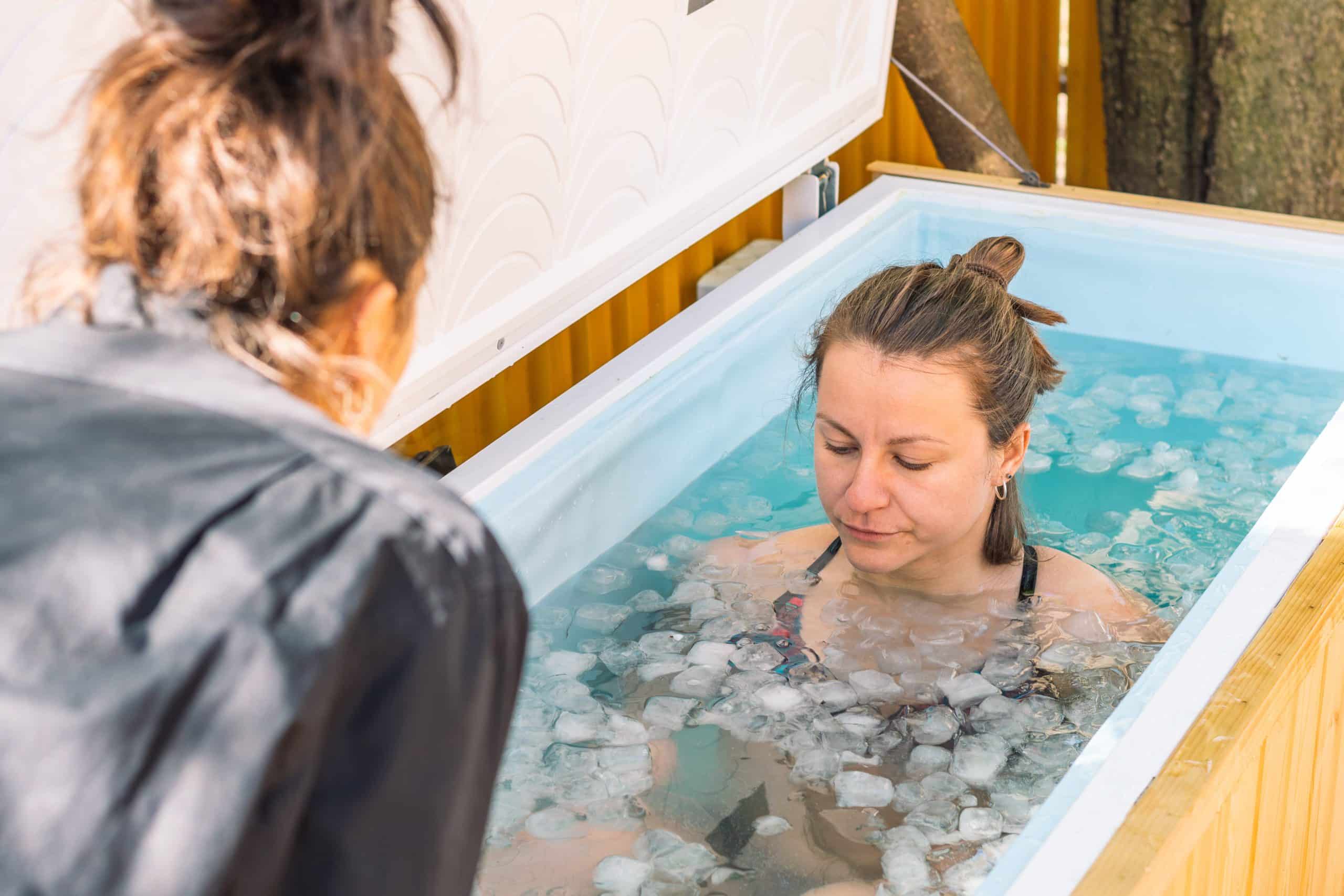
Cold water immersion usually means sitting in water that is commonly studied around 10 to 15°C (50 to 59°F) for about 10 to 15 minutes. Some athletes go colder or longer. That does not automatically mean better, it often just means more brutal.
The upside
- Short-term soreness relief: Cold exposure can reduce the perception of soreness and may blunt some swelling. You may feel looser and fresher later that day or the next morning.
- Better ready-to-go feeling between games: In tournament settings, multi-day meets, or back-to-back fixtures, this is where ice baths shine. If you need to perform again soon, being less sore matters.
- Useful after lots of impact: Think hard deceleration sessions, downhill running, playoff-level basketball minutes, or a soccer match with a ton of contact.
The trade-offs
- They may mute some training adaptation: Inflammation is part of how your body rebuilds stronger. Research suggests frequent cold water immersion right after strength or hypertrophy training may modestly reduce some muscle-building signals and, over time, blunt hypertrophy or strength gains in certain programs. The size of the effect depends on timing, frequency, and the athlete.
- Not great right before power or skill work: Immediately after cooling, cold can temporarily reduce nerve conduction and muscle power. If you are going to lift, jump, sprint, or do precision skill work soon after, getting cold is usually not your friend.
- It is a tool, not a cure: If sleep, nutrition, and load management are off, ice baths are basically putting a bandage on a bigger problem.
Bottom line: Ice baths are a performance management tool. They are most valuable when the schedule is tight and you need short-term readiness more than long-term adaptation.
Active recovery: best use cases
Active recovery is light, low-intensity movement after hard training, or on the day after. The key is that it should feel easy. You are not “earning” it. You are using it.
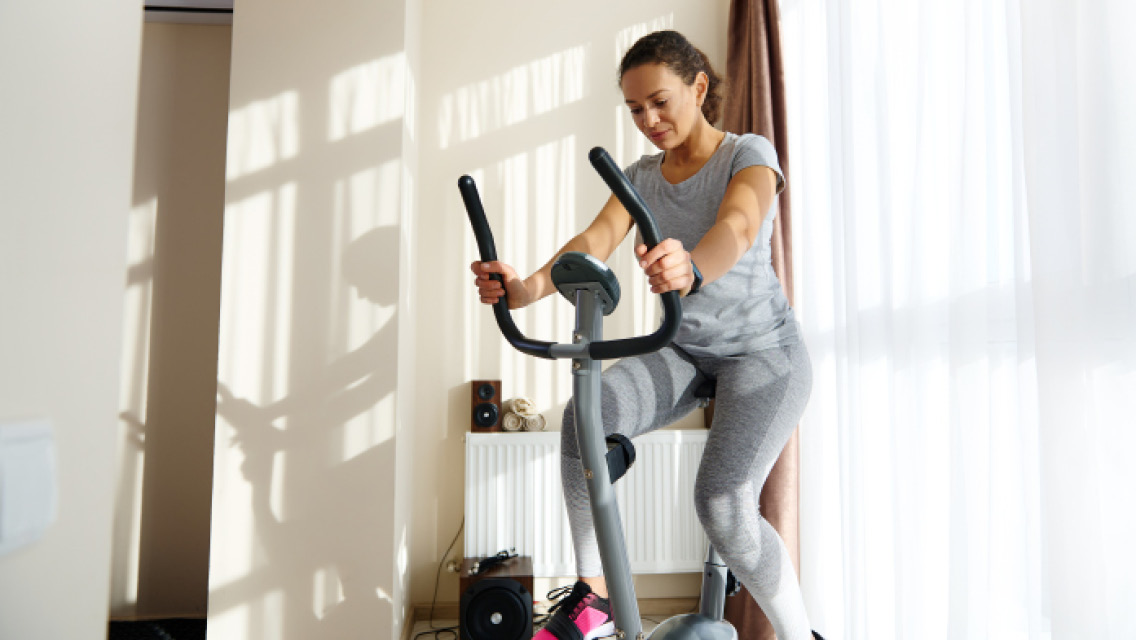
Good examples include easy cycling, light jogging, swimming, brisk walking, mobility circuits, or a relaxed shooting session. If your heart rate is climbing like it is another workout, you missed the point.
The upside
- Improves blood flow: Light movement can help circulate oxygen and nutrients and may reduce that stiff, stuck feeling.
- Supports range of motion: Gentle movement, mobility, and easy tempo work can help you restore normal mechanics after heavy loading.
- Plays nicely with long-term gains: Because you are not aggressively blunting the normal post-training response, active recovery tends to complement adaptation rather than potentially reduce it.
- Helps athletes who tighten up when they stop: A lot of hoopers, sprinters, and field sport athletes feel worse when they go full couch mode. Active recovery keeps the body online.
The trade-offs
- It takes discipline: The biggest mistake is turning recovery into a secret workout.
- It may not feel as dramatic as ice: You may not get that immediate “wow, my legs feel brand new” sensation. The benefit is often steadier over 24 to 48 hours.
- Not ideal when you are truly beat up: After major muscle damage or heavy contact, very light movement can help, but you might also need more rest than you think.
Bottom line: Active recovery is the sustainable, season-long play. It helps you keep moving well and stacking quality sessions without constantly reaching for quick fixes.
So which is better?
If we are talking true tissue remodeling and getting stronger from training, active recovery is usually the better default. It supports circulation and movement quality, and it stays out of the way of the body’s normal adaptation process.
If we are talking fast turnaround between competitions, ice baths often win because they can reduce soreness and improve perceived readiness on short rest. That is not the same as “healing faster,” but it can absolutely help you function better.
Here is the simplest way I explain it to athletes I coach:
- Need to be good tomorrow? Choose an ice bath.
- Need to be better next month? Choose active recovery.
How to choose
Use ice baths when
- You have back-to-back games or multi-day tournaments.
- You just took a high-impact beating (lots of sprinting, cutting, collisions).
- You are in-season and managing overall fatigue is the priority.
- You are traveling and your legs swell up from sitting and stress.
Use active recovery when
- You are in a strength or hypertrophy block and want full adaptation.
- You are sore and stiff, but not destroyed, and you need to keep moving well.
- You have a normal week with 48 to 72 hours before the next hard session.
- You want a repeatable routine that does not require special equipment.
If you are a hybrid athlete
Many athletes train like a Swiss Army knife now: lifting, conditioning, skill work, and maybe a weekend league game. For you, timing matters. If you lift heavy and then use cold immersion immediately after, you might be trading some long-term gains for short-term comfort.
Protocols that work
Ice bath basics
- Temperature: commonly studied around 10 to 15°C (50 to 59°F).
- Time: often 10 to 15 minutes.
- When: best after games or brutal sessions when the next performance is soon.
- Frequency: save it for when it matters most, not every day by default.
Timing tip for lifters: If you want cold exposure but also care about strength and muscle growth, consider waiting a few hours after lifting instead of doing it immediately post-session.
Active recovery basics
- Duration: 15 to 30 minutes is plenty.
- Intensity: keep it easy. Think RPE 2 to 3 out of 10, a true conversational pace, or roughly under 70% of max heart rate.
- Options: easy bike, swim, incline walk, light tempo runs, mobility flow, relaxed shooting.
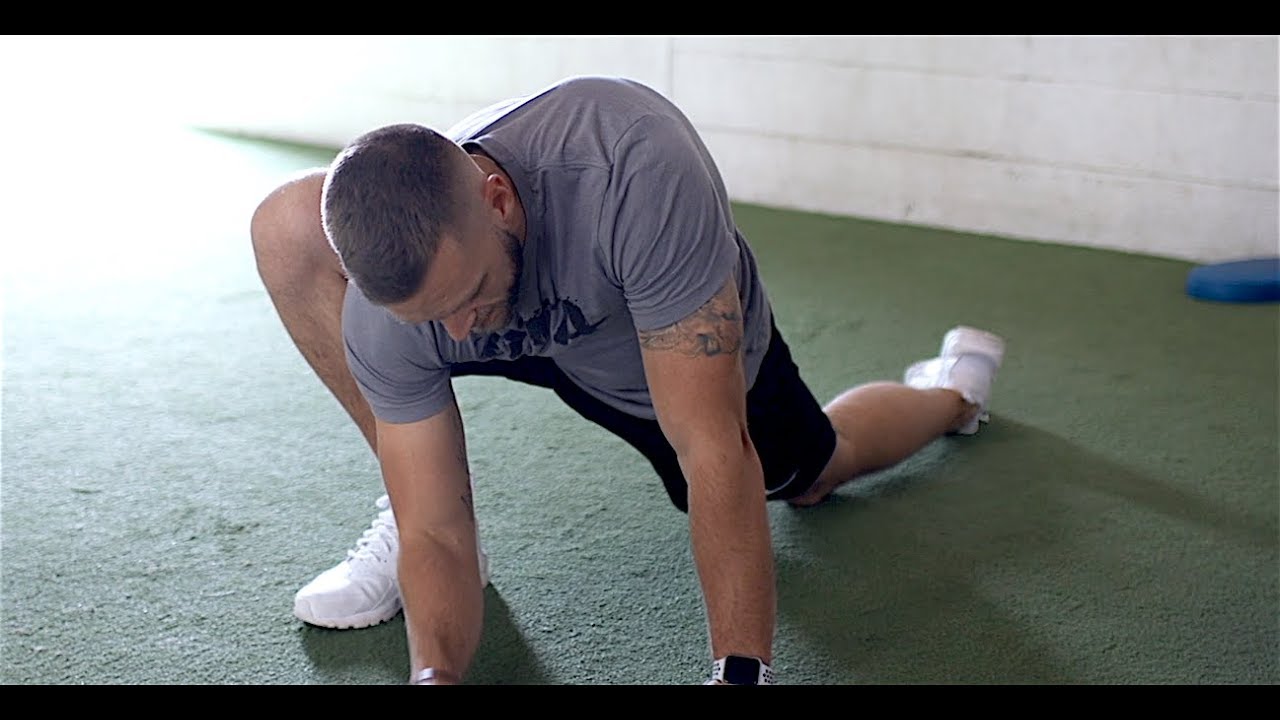
- Add-ons: gentle stretching and breathing work can help downshift your nervous system.
Cold safety notes
Cold immersion is not for everyone. If you have cardiovascular disease, uncontrolled high blood pressure, Raynaud’s, neuropathy, cold urticaria, are pregnant, or have open wounds, get medical guidance before trying it.
If you are new to ice baths, keep it conservative and do not do it alone. Cold shock is real, and “toughing it out” is not a safety plan.
What athletes miss
I have seen athletes argue ice baths versus active recovery like it is a playoff series, when the real MVP is boring stuff done consistently.
- Sleep: the closest thing we have to a legal performance enhancer for recovery.
- Protein: spread across the day to support repair.
- Carbs: especially for high-intensity and field sport athletes refilling glycogen.
- Hydration and sodium: you cannot recover well if you stay depleted.
- Load management: the best recovery plan is not digging the hole too deep every day.
If those are dialed in, ice baths and active recovery become smart finishing touches instead of desperate rescue missions.
The verdict
Active recovery is the better default for muscle repair and long-term progress. It keeps your body moving, supports circulation, and lets adaptation do its job.
Ice baths are the better option for short-term readiness. They can reduce soreness and improve perceived recovery when turnaround is fast, especially in-season. Just remember: feeling better is not automatically the same as rebuilding tissue faster.
If you want the most athlete-friendly answer, it is this: build your week around active recovery, and keep ice baths in your back pocket for the stretches of the season where surviving is part of winning.
Quick decision guide
- Two games in two days: ice bath after Game 1, light movement the next morning.
- Heavy lower-body lift day: active recovery later in the day or the next day, skip immediate cold.
- Brutal sprint and cut session: either can help, but ice can be useful if you have another hard day soon.
- Off-season build phase: prioritize active recovery, use cold sparingly.
Recovery is not about what looks toughest on social media. It is about what helps you show up tomorrow, and what helps you become a better athlete next month.