
After a hard session, your body is basically a construction site. You broke down muscle tissue on purpose, and now you want the repair crew to show up fast with the right materials. Protein is the headline ingredient, but carbs, fluids, and sleep are part of the same recovery job . The real question is not if you need protein. It is how much, when, and what it should look like in real food.
This is the part where the internet screams “one scoop” or “30 grams no matter what.” The truth is a little more flexible, and honestly more athlete-friendly.

Recovery basics
When you lift, sprint, cut, or grind through intervals, you create microscopic damage in muscle fibers. Recovery is your body rebuilding that tissue so you come back stronger. Protein helps because it supplies amino acids, including leucine, which plays a key role in signaling muscle protein synthesis (MPS), the process of building and repairing muscle.
Leucine matters, but it is not magic on its own. Your body still needs enough total essential amino acids and enough total protein to do the actual rebuilding.
Training is the signal. Protein is the material. Sleep is the foreman who actually makes sure the job gets done.
How much protein
For most athletes, a well-supported starting range for a single post-workout dose is:
- 0.25 to 0.4 grams of protein per kilogram of body weight per meal
- In practical terms, that is often 20 to 40 grams after training
This range shows up often in sports nutrition research because it tends to maximize the MPS response for many people when protein quality is high.
One important nuance: some people do well with more, especially after big, whole-body sessions or during brutal training blocks. If you are a larger athlete or you just smoked your entire body, pushing closer to 0.4 to 0.6 g/kg can be a reasonable move.
Quick calculator
- 150 lb (68 kg): 17 to 27 g
- 180 lb (82 kg): 21 to 33 g
- 210 lb (95 kg): 24 to 38 g
When should you aim higher (closer to 0.4 g/kg or beyond)? Bigger athletes, very lean athletes in heavy training blocks, people coming back from injury, plant-based athletes who need a bit more total dose, and anyone stacking multiple sessions in a day often benefit from the higher end.
When is 20 g enough? If you are lighter, the workout was moderate, and you are eating another protein-rich meal soon, 20 g can do plenty of work.
Timing that matters
You do not have to chug a shake in the locker room before your heart rate drops. The old-school “you have 30 minutes or you lose your gains” idea is overstated.
What holds up in real life is simpler: sooner tends to help more when you are coming in empty.
- If you trained fasted or it has been several hours since your last protein-containing meal, try to get protein in within about 1 to 2 hours post-workout.
- If you ate a solid meal with protein before training, the urgency is lower. Just hit your next normal meal.
Not sure what “protein-containing meal” means? As a simple benchmark, think roughly 25 to 40 g of high-quality protein (or a bit more if the source is mostly plant-based).
Think of it like this: you are not racing a stopwatch, you are keeping the recovery pipeline flowing.
Protein quality
Not all proteins support recovery equally. You want a protein source with a strong essential amino acid profile and enough leucine to help drive MPS.
Easy high-quality options
- Whey protein : Fast-digesting, leucine-rich, convenient
- Milk or Greek yogurt: A mix of whey and casein, plus carbs if flavored
- Eggs: High-quality whole food option
- Chicken, turkey, lean beef, fish: Great in a full meal
- Soy: One of the strongest plant-based options
Plant-based athletes
You can absolutely build and recover on plant proteins. You just may need to be more intentional about total dose and variety. Many plant proteins have slightly lower leucine per serving or are less digestible, so leaning toward the upper end of the post-workout range can help. Soy and well-designed blends can perform very well when total protein is sufficient.
Protein plus carbs
Protein is the repair material. Carbs are the fuel refill. After tough training, especially endurance work or high-volume lifting, replenishing glycogen helps you feel human again and can improve next-session performance.
The protein and carbs combo is especially useful when:
- You have two-a-days or another session within 24 hours
- Your workout was long or high intensity
- You struggle to eat enough total calories during heavy training blocks
A simple approach: pair your 20 to 40 g protein with 30 to 60 g carbs from foods you tolerate well.
Context that matters: if you train once per day and you already eat plenty of carbs across the day, you do not need to force a giant carb hit immediately post-workout. If you are doing long endurance sessions or you need rapid refueling, your carb needs can be higher and are often best dialed in by body weight and session demands.
Real-life options
Here are realistic post-workout options that land in the sweet spot for most athletes:
- Whey shake + banana (fast, portable, easy on the stomach)
- Greek yogurt + granola + berries
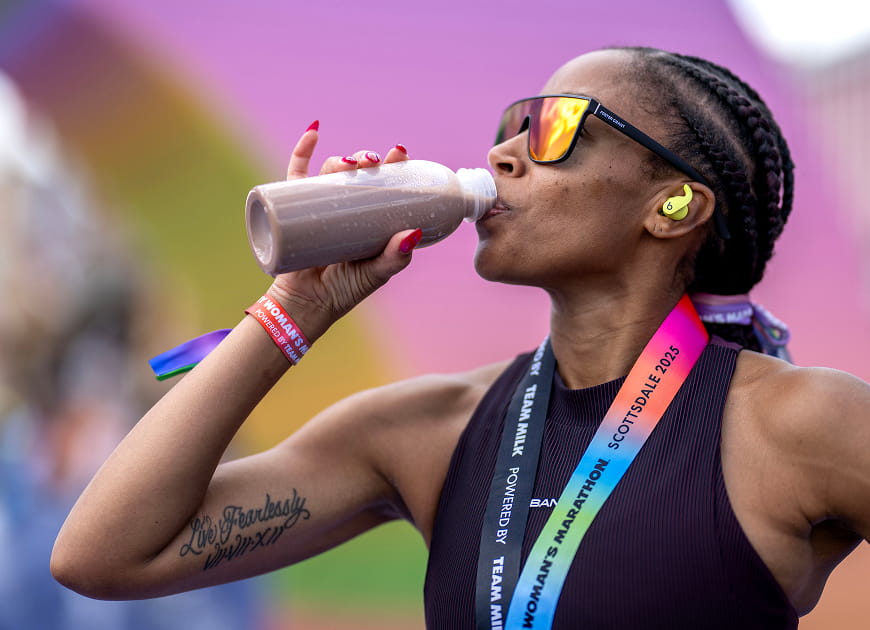
- Chocolate milk (sneaky effective for protein plus carbs)
- Turkey sandwich on whole grain bread
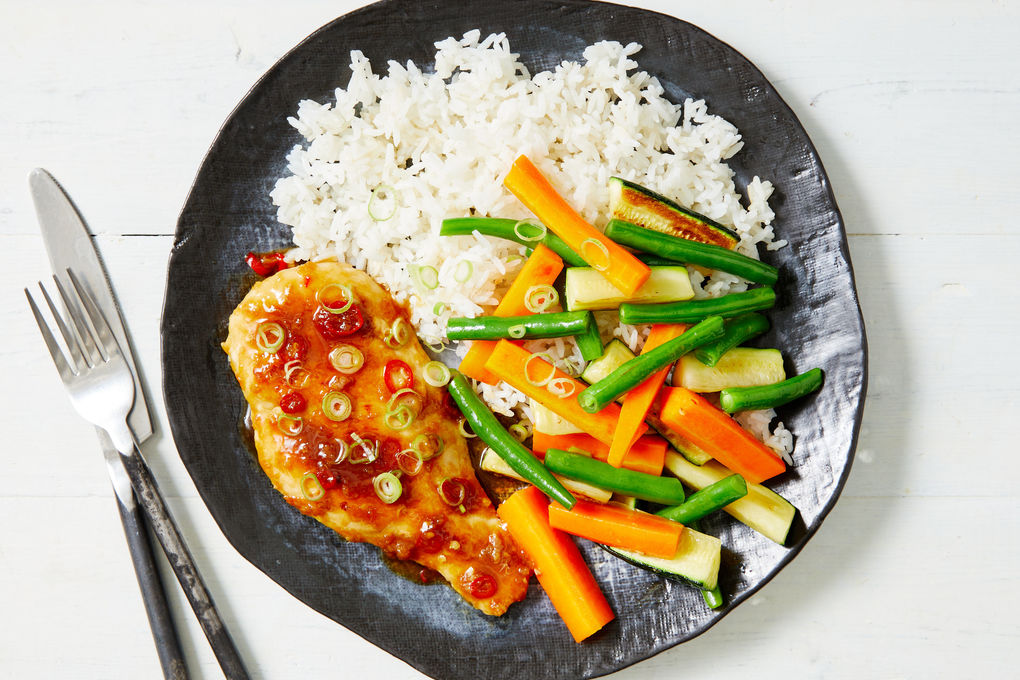
- Rice bowl with chicken or tofu, vegetables, and a sauce you actually like
- Egg scramble with potatoes and fruit on the side
If you are the athlete who “forgets to eat” after training, liquids can be the difference between staying consistent and falling behind.
The bigger picture
Post-workout protein helps, but your total daily protein is the main lever for recovery and muscle gain.
Most strength and field sport athletes do well around:
- 1.6 to 2.2 g/kg/day (about 0.7 to 1.0 g per pound of body weight)
Then distribute it across the day in 3 to 5 meals, each with roughly 0.25 to 0.4 g/kg. That repeated “pulse” is a reliable way to keep MPS elevated throughout the day.
Different goals, same basics
- Hypertrophy: Keep daily protein high, spread it out, and do not skip post-workout if it helps you hit your totals.
- Endurance performance: Protein still matters, but carbs often become the louder voice, especially if you need to refuel quickly for the next session.
- Fat loss or recomposition: Protein timing can help with appetite and muscle retention, but the big driver is still daily protein plus a smart calorie plan.
Common mistakes
- Going microscopic on protein: A 10 g “protein” bar is basically a snack, not recovery.
- Thinking more is always better: Huge doses in one sitting are often unnecessary for maximizing MPS and can be tough to distribute well across the day.
- Skipping carbs when you need them: If you feel flat for the next session, it might be fuel, not motivation.
- Forgetting hydration: Recovery is not just macros. Dehydration drags everything down.
- Ignoring sleep: You cannot out-supplement bad sleep. You just cannot.
So how much do you need?
If you want a simple, athlete-proof takeaway:
- Hit 20 to 40 grams of high-quality protein after training (use 0.25 to 0.4 g/kg to personalize)
- If it was a huge whole-body session or you are a bigger athlete, consider nudging higher, potentially up to 0.4 to 0.6 g/kg
- Get it in the next couple hours if you trained fasted or it has been a while since you ate
- Make sure your daily protein lands around 1.6 to 2.2 g/kg
Do that consistently and you will recover better, train harder, and show up the next day with something in the tank. That is the whole point.
Locker-room rule: If you would not trust a teammate to build a weight room with flimsy materials, do not ask your body to rebuild muscle with flimsy nutrition.
Quick FAQ
Is whey better than food?
Whey is not “better,” it is just efficient. Whole foods bring extra nutrients and keep you full. Use whichever helps you stay consistent.
Do I need protein immediately after cardio?
If the session was hard or long, protein helps recovery. Pair it with carbs if you are trying to perform again soon.
What if I cannot stomach food right after training?
Go liquid first: a shake, milk, or yogurt smoothie. Then eat a normal meal later.
Any health cautions?
If you have kidney disease or another medical condition that affects protein intake, talk with a clinician or registered dietitian before increasing protein. For everyone else, prioritize total diet quality, total calories, and consistency.