
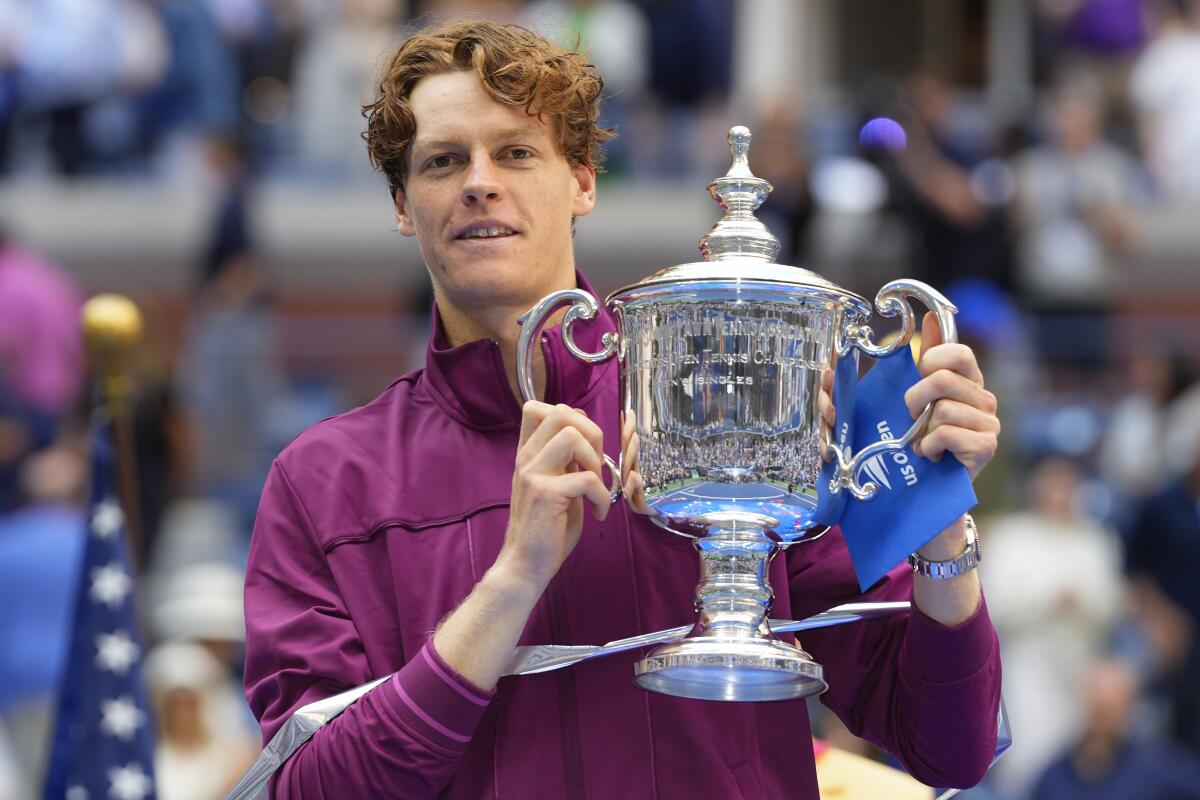
It is one thing to lose a Grand Slam in five sets under the lights. It is another to lose it in the training room, before you even feel the first ball jump off the hard courts at Flushing Meadows.
As we look toward the 2026 US Open, the loudest hypothetical is also the simplest: what if Jannik Sinner is not in the draw at all? Imagine a late-August update that tennis fans dread. A withdrawal, a short statement, and the familiar line athletes use when the body is not ready: he is not cleared to take full match load through the knee.
This is not just a headline that removes a top seed from a draw. It is a decision that rewires the tournament’s geometry, changes how contenders can pace themselves, and tells us something important about where Sinner’s body and team believe the line is between bravery and risk.
What we know
In this scenario, the key facts are simple. Sinner would be out of the US Open because a knee issue has not settled in time, and the explanation would be the one you hear most often in late-summer tennis: he needs more time before he can change direction and stop at full intensity.
What we would not have right away is the part fans always want: a precise diagnosis, imaging details, or a clean timeline that pins down when the knee flared and what specific structure is involved. That lack of detail can make people assume the worst, but in tennis it is also common. Teams often protect medical privacy, and details can emerge later, if they emerge at all. Knee issues also live in a gray zone where a player can function day to day yet cannot tolerate the explosive deceleration and torsion that can show up on a hard court point.
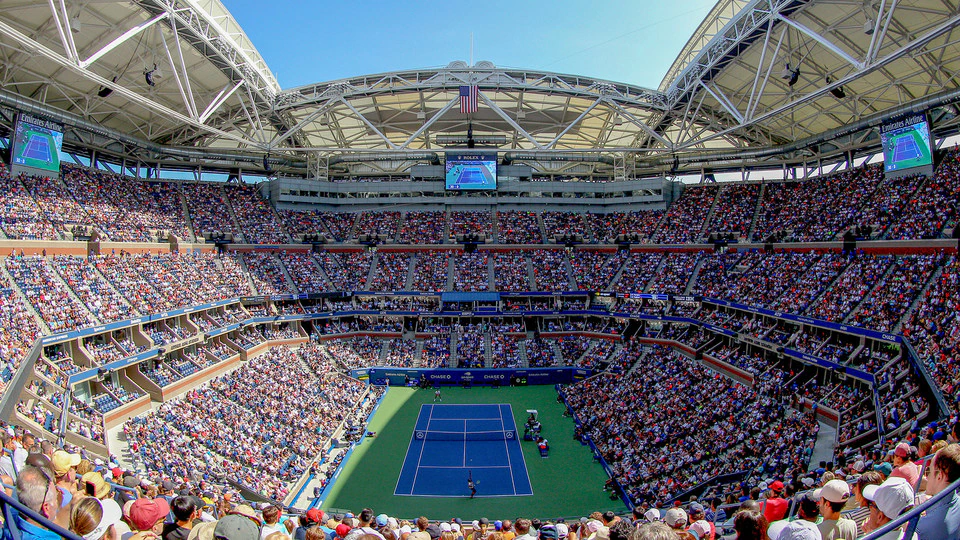
Why hard courts bite
I always think about injuries in terms of what the sport is demanding from your body on every single rep. Tennis is not just running. It is stopping. It is planting. It is twisting under load with your hips and shoulders fighting different directions while your knee is the hinge taking the load in the middle.
Hard courts can amplify that for many players. The surface is typically less forgiving than clay, and players who rely on sharp changes of direction often feel it first in the knees, ankles, and lower back. Even if you can serve and rally in practice, the US Open is a different animal: long matches, heavy humidity, and the kind of defensive sprints that can force you into awkward, last-ditch slides that your knee has to survive.
The hidden cost
The most punishing moment for the knee is often not the sprint. It is the stop. Elite tennis is a constant cycle of acceleration and deceleration. If the knee cannot trust that braking force, you can see it in tiny hesitations, a half-step late to the ball, or a refusal to fully commit to wide forehands. Those are not just tactical problems. They are injury alarms.
Why it matters
When a top-ranked player withdraws, the easy read is disappointment. The deeper read is calculation.
Saying he needs more time before full match load signals this is not about trying to gut out one round. It is about avoiding the scenario every athlete fears: you compensate for the injured part, your mechanics change, and suddenly one problem becomes two or three.
In tennis, a compromised knee can cascade quickly. Players often protect it by altering how they load and push off, which can shift stress into the hip, the groin, or the lower back. Over a two-week Slam, that is not just a theory. It is a common chain reaction.
The champion’s dilemma
There is a specific weight that comes with skipping a major when you know you can win it. You want to show up, because you remember every point that got you there. But the smartest champions think in seasons, not moments. A US Open run is not just seven matches. It is seven matches plus the rehab required afterward. If the knee is not ready for repeated stops and restarts, you are gambling with the entire fall.
Why Sinner feels it
In this hypothetical, the knee matters even more because of how Sinner wins points. He leans on relentless baseline pressure, takes the ball early, and turns defense into offense with one hard plant and a redirected strike. That sequence is not just timing. It is confidence in the knee’s ability to absorb force, brake, and push out again.
When that trust is even slightly compromised, the whole pattern can blur. You arrive a fraction late, you swing bigger to compensate, and you put yourself into the exact wide, reactive positions that test the knee the most.
How the draw shifts
Tennis fans feel withdrawals in a very specific way: the bracket suddenly looks like it is missing a pillar. If Sinner exits before the first ball is hit, three things happen at once.
- Seeding paths soften for someone else. The section of the draw where a top seed would normally sit becomes a different kind of pressure cooker, because it is now opportunity without the usual favorite.
- Forecasting resets. You do not just remove a big name, you remove a style match-up problem that other contenders had to plan around.
- The storyline opens up. Without a clear gravitational center, the narrative becomes more open-ended, and the door widens for a first-time winner or a comeback run.
Practically, the tournament also has to fill the hole, and timing matters. If the withdrawal happens before the main draw is finalized, an alternate can move straight into the field. If it happens after the draw is set and qualifying has finished, a lucky loser can be placed into the vacated slot. Either way, the seeds do not reshuffle after the draw is made, so the bracket around that spot simply changes shape.
What comes next
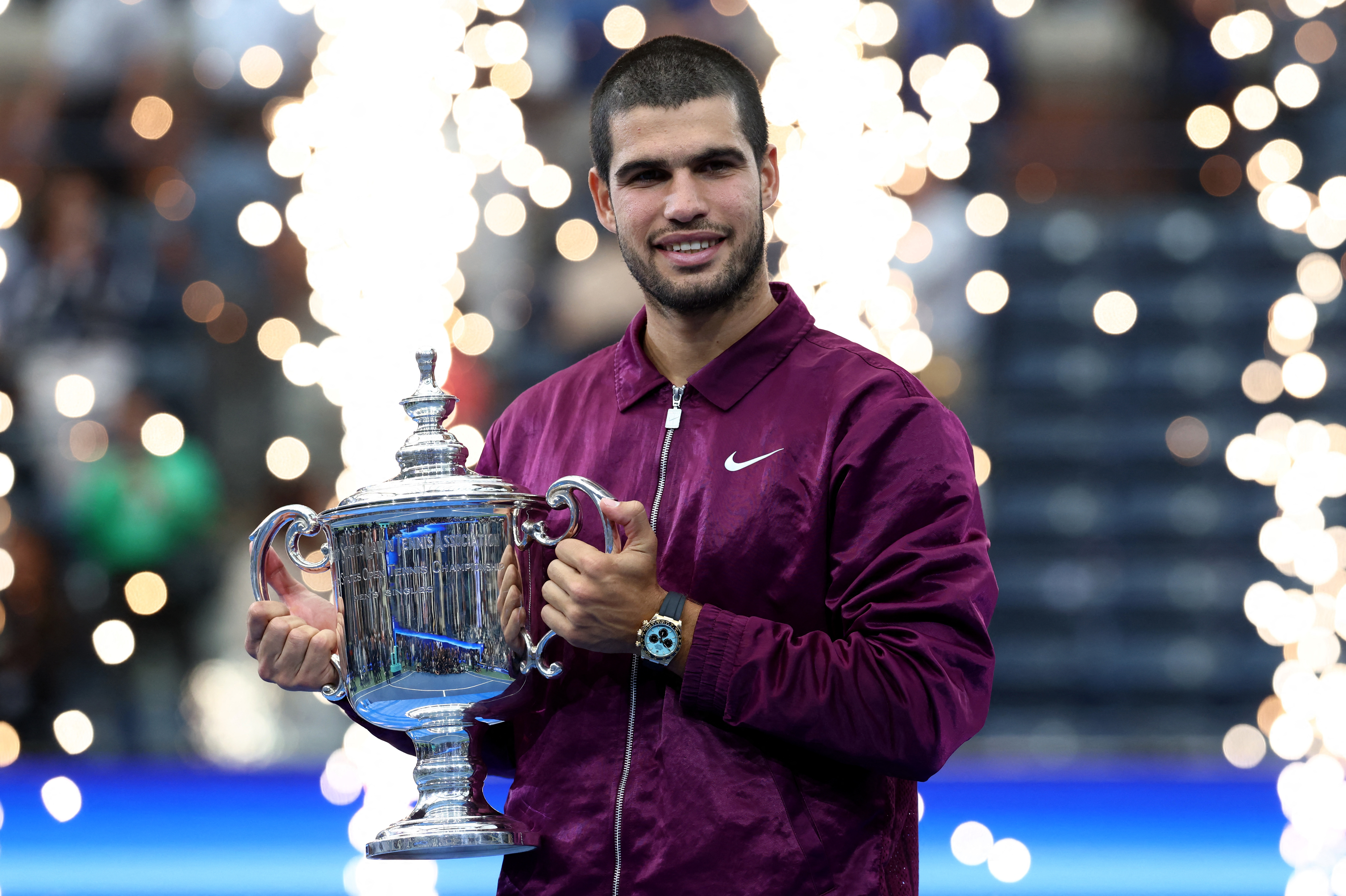
Missing the final Grand Slam is a competitive hit, no way around it. The US Open is not just a trophy chance. It is also a major pillar in the late-season narrative, where rankings, confidence, and momentum feed directly into the fall stretch.
But strategically, if Sinner and his team believe the knee is not ready to handle match-speed stopping and starting, a withdrawal is also a long-term investment. Instead of forcing a return on a surface that can punish compromised movement, he gives himself a chance to rehab fully and re-enter the calendar with a body that can actually hold up under match stress.
Return standards
Elite teams do not just ask, “Can he play?” They ask, “Can he play like himself without raising risk?” For a player whose game is built on clean timing, baseline pressure, and elite court coverage, “almost ready” can be worse than “not ready.” You step in half a beat late and suddenly you are overhitting, lunging, and loading the knee in the exact positions you were trying to avoid.
The human part
For fans, the frustration is simple: you wait all year for the sport’s biggest stages, and then the body pulls the plug. There is no clean substitute for watching a top seed in New York, especially a player whose game is built on pace, balance, and repeatable movement patterns.
And if you have ever played through knee pain, you know the particular irritation of it. A sore shoulder still lets you run. A tender knee makes you question every step, and sports do not give confidence points for caution.
So yes, this would be a reshaped US Open. But it would also be another reminder that the best players in the world are still just bodies under stress, trying to hold together through a calendar that never really stops asking for more.
Quick FAQ
Is Sinner out of the US Open?
This article is a look-ahead scenario for 2026. The premise is that Sinner withdraws in late August due to a knee issue, citing the need for more recovery before returning to full match load.
Why are knees stressed on hard courts?
Hard courts demand constant stopping, planting, and changing direction. That repeated deceleration load is where knee issues often flare, especially over men’s best-of-five matches.
Would this change the favorites?
Yes. Removing a top seed opens paths, alters matchup probabilities, and increases volatility for everyone still in the field.