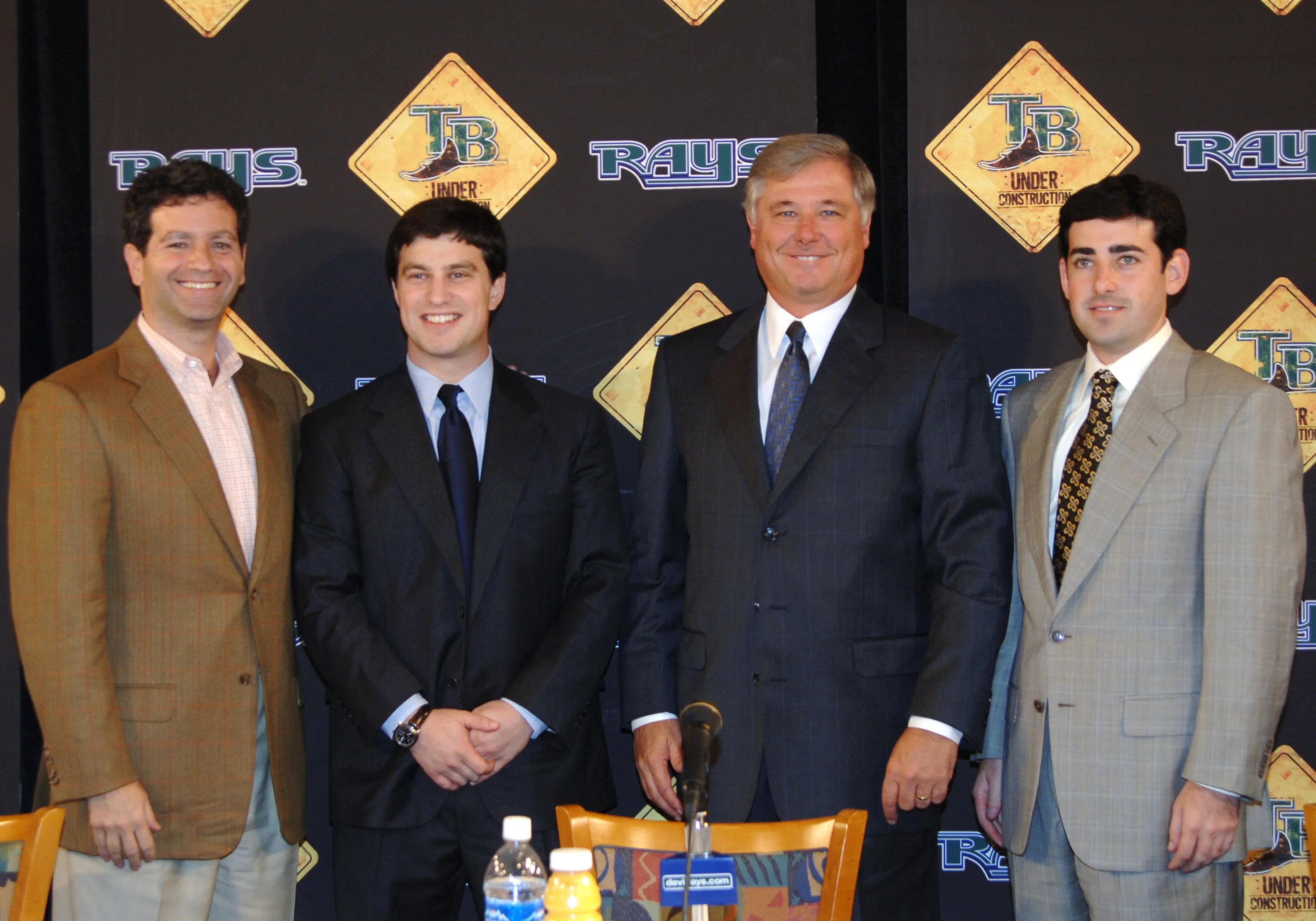
When Moneyball entered the mainstream in the early 2000s, it was sold like a cheat code. The book came out in 2003. The A’s had already been winning before that. The movie didn’t land until 2011. But the punchline most people remember is still the same: stop paying for batting average and RBIs, start paying for getting on base.
That shorthand is directionally true, but it is also a simplification. The real point was bigger and more dangerous to the status quo: identify what the market is mispricing, then build a team around it.
Because here’s the truth: Moneyball was never “OBP is good” as a permanent strategy. Moneyball was an attitude. A willingness to ask the uncomfortable question every front office hates to hear: Are we paying for what actually wins?
Two decades later, most teams have analysts, models, and tracking data. So the edge has moved. The winners are not just the teams with spreadsheets. They are the teams that turn information into player development, health, and roster decisions faster than everyone else.
What Moneyball was
The Oakland A’s did not invent numbers in baseball. What they did was change what they valued when the market was blind to it.
In the early Moneyball era, the inefficiency was simple: teams undervalued plate discipline, on-base skills, and certain low-flash player types because scouting culture leaned heavily on looks, tradition, and counting stats. The A’s also leaned into other edges people forget, like targeting more polished college bats, finding value in overlooked roles, and building depth in ways richer teams did not bother with.
- Market inefficiency: OBP and walks were cheaper than batting average and “five-tool” aesthetics.
- Competitive advantage: small-market teams could buy wins that rich teams were ignoring.
- Core idea: spend where the market is wrong, not where the game is loud.
Once the rest of baseball caught up, OBP stopped being a secret. And when the secret becomes common knowledge, it stops being an advantage. That is where modern Moneyball begins.
The new currency: run prevention
If early Moneyball was about finding ways to create runs cheaply, modern front offices are obsessed with preventing them and managing contact quality.
Contact quality is just a clean way to say, “What happened when the ball was hit?” Think exit velocity, launch angle, barrels, and where the ball was struck. That language went mainstream once Statcast arrived leaguewide in 2015 and turned arguments into measurements.
Defense got credible at scale
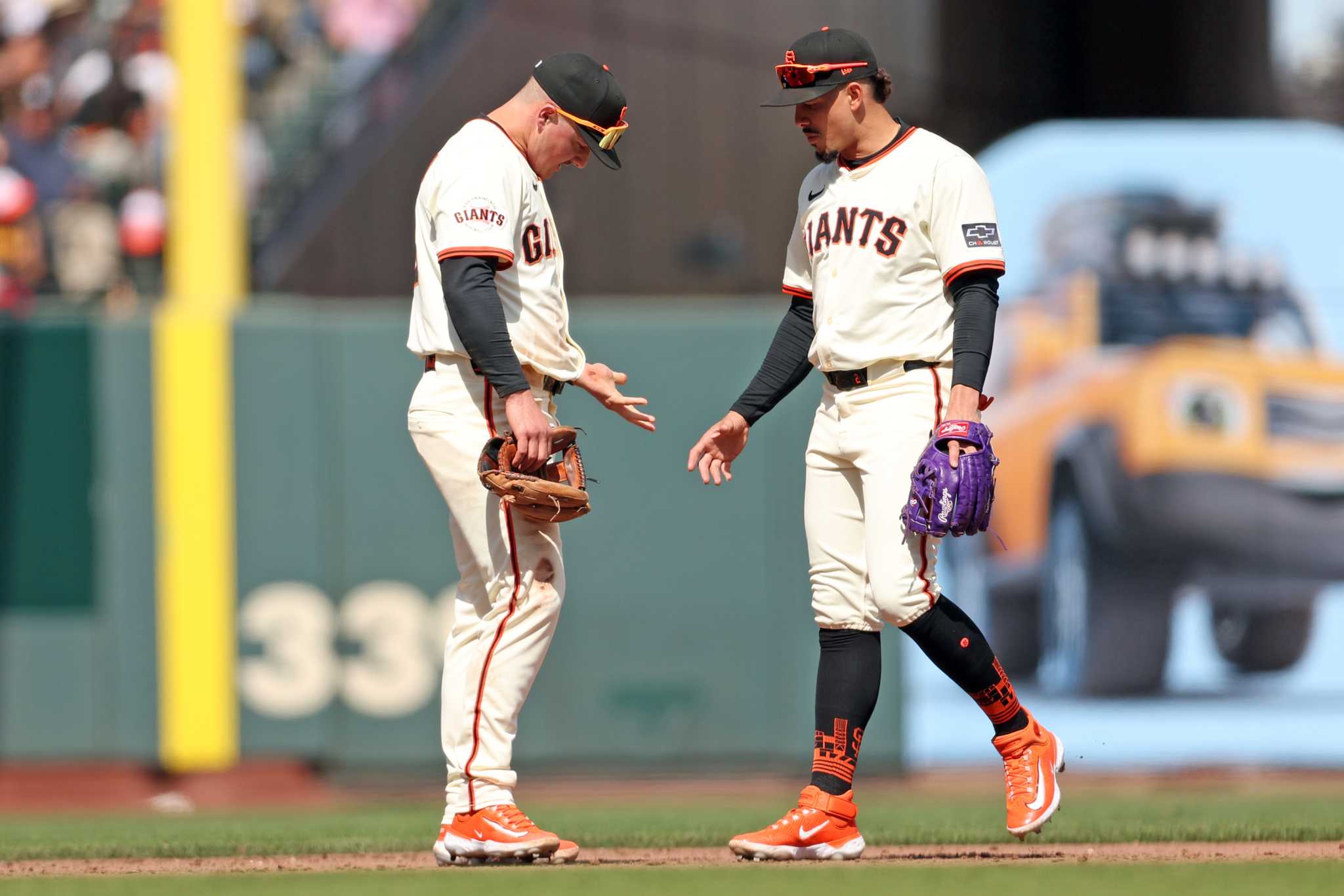
For decades, defense was the land of vibes. Defensive stats existed earlier, and plenty of smart people used them, but tracking made defense measurable at scale and easier to coach. Public metrics like Outs Above Average gave fans a common vocabulary for what teams were already building toward.
This shift showed up in a few places:
- Premium defenders play more, even if their bats are just average.
- Middle-infield versatility is treated like gold because it unlocks lineup flexibility.
- Outfield routes and jumps are coached using tracking feedback, not just repetition.
And yes, positioning and pre-pitch planning became a whole department. When you can predict where contact is likely to go and you have defenders who can actually get there, you steal hits without needing a highlight.
Pitch design is the lab edge
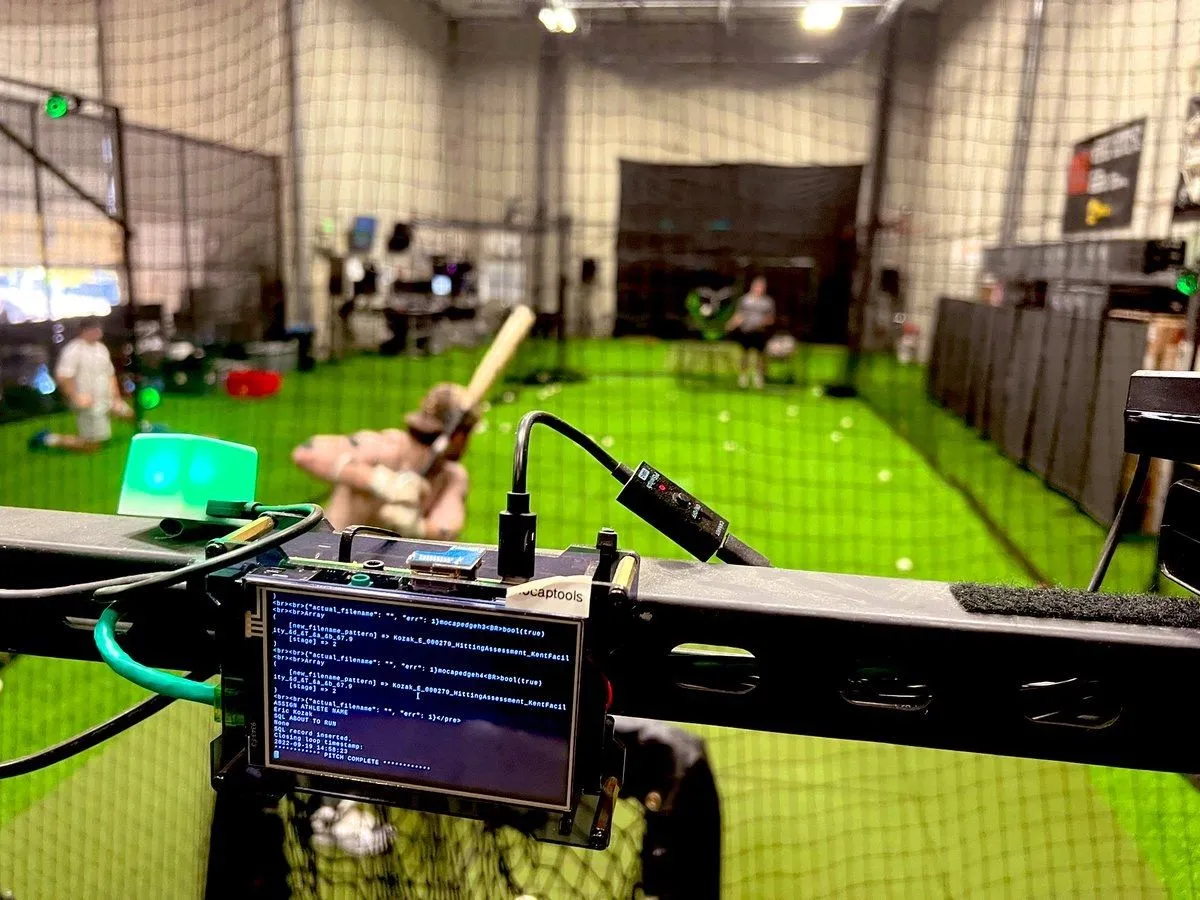
Nothing captures modern baseball’s evolution like pitch design. This is the shift from “evaluate outcomes” to “engineer skills.”
Teams now build pitchers the way a good shooting coach builds a jumper: identify what plays, measure it, tweak it, repeat. The influence of private facilities and training groups is real too. A lot of big league arsenals have at least one pitch that was born in a lab, not in a bullpen session with a catcher guessing.
From radar guns to shapes
Velocity still matters, but it is not the whole story. Pitching departments chase combinations of traits that make a pitch hard to square up:
- Movement shape that misses barrels
- Release point consistency that hides the ball
- Spin traits that create deception and late action
- Tunneling that makes two different pitches look the same until it is too late
That is why you see pitchers with “average” raw stuff suddenly pop after a team changes a grip, tweaks a seam orientation, or flips a usage pattern. Think about the modern reliever who arrives with one elite breaking ball, then a team builds the fastball shape and attack plan around it. That is not luck. That is design.
Hitting is decision quality
Yes, the launch-angle revolution happened. And yes, it came with trade-offs. But the sharper teams have moved beyond the caricature of “just hit it in the air.”
Modern hitting departments talk a lot about decision quality and damage on the right pitches. In plain language: swing at strikes you can drive, and do not waste your best swings on pitcher’s pitches. When you watch a good offense now, you are often watching restraint as much as aggression.
Approach is individualized
The best front offices treat hitters like unique puzzles:
- A contact-oriented hitter might be coached to lift specific zones without sacrificing his identity.
- A power bat might focus on swing decisions and controlling the strike zone so the power plays in games.
- A young player might be asked for one change at a time, because development is not a video game patch.
Moneyball used to mean “find undervalued skills.” Now it also means “build the skill in-house,” because buying it on the open market is expensive. That is why organizations with strong development reputations keep finding contributors other teams could not unlock.
Health is a real edge
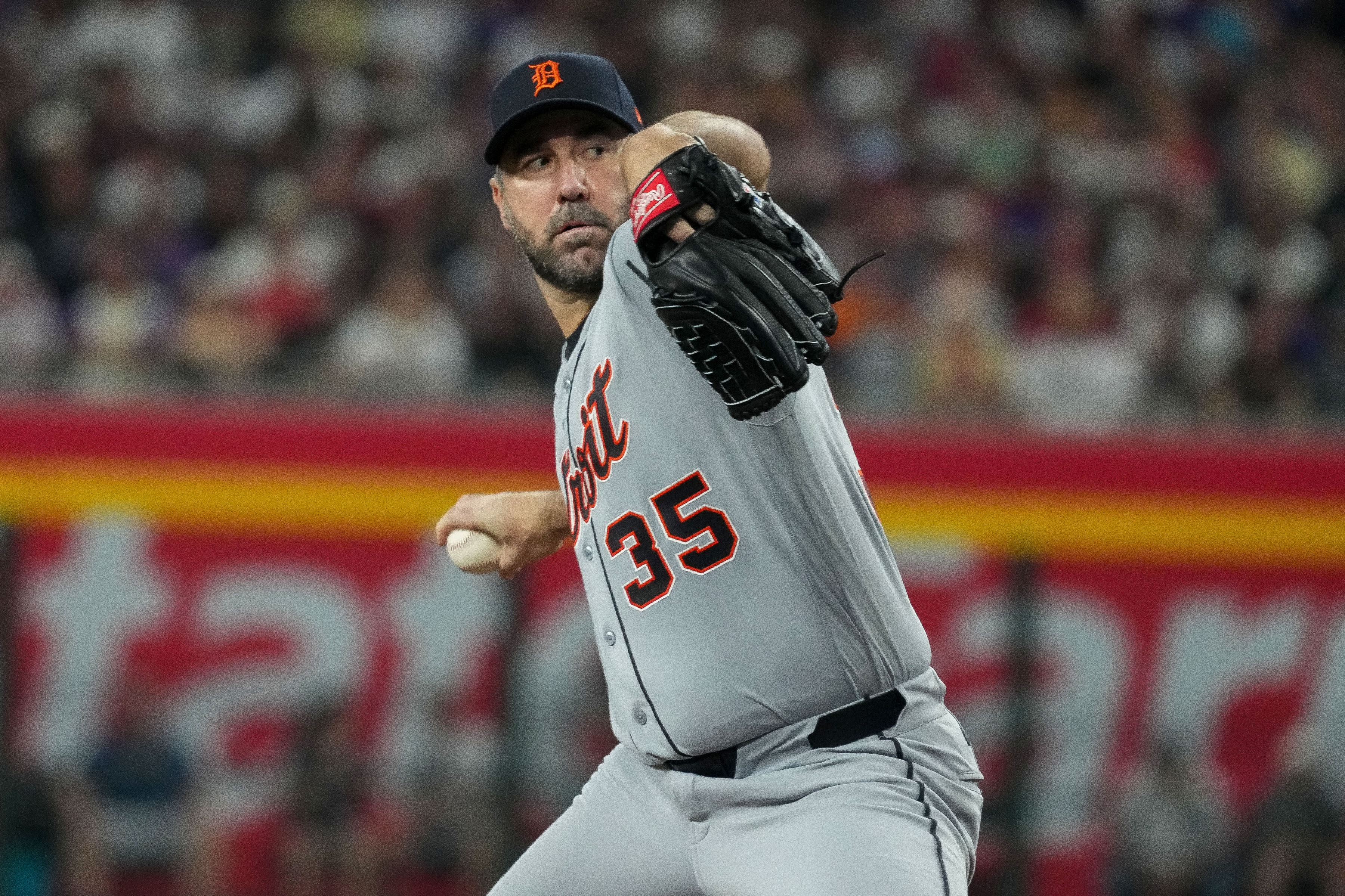
As a former player, this is the part that hits home. The grind is real. The injuries are real. And the teams that keep players on the field get a competitive advantage that never shows up on a highlight reel.
Front offices have poured resources into:
- Biomechanics to reduce injury risk and improve movement efficiency
- Workload management for pitchers across the season, not just inning limits
- Strength and conditioning integration so the weight room matches on-field goals
- Recovery and nutrition as daily habits, not emergency fixes
There is also a harder truth, and modern baseball is still wrestling with it. Chasing more velocity and nastier movement can come with a cost. Some of the smartest organizations are not just building better stuff. They are building better decisions about when to push and when to protect.
A 4-WAR player who plays 155 games is a different asset than a 4-WAR player who plays 95. That is not poetry. That is payroll reality.
Roster value is flexibility
In early Moneyball lore, the key was replacing stars with a bundle of undervalued parts. Today, the parts themselves are more sophisticated, and the constraints are tighter. Options are limited. Service time matters. Rule changes shape how aggressively teams can churn the bottom of the roster.
Multi-position players matter
Teams love players who can cover multiple spots because it lets them:
- carry an extra reliever
- survive injuries without making desperate trades
- optimize matchups without telegraphing moves
This is not just a bench thing anymore. Many contenders build everyday lineups with two or three guys who can move around without the defense collapsing.
Bullpens became a lever
The modern bullpen is a living example of evolution. Teams optimize:
- matchups based on batter profiles
- pitch arsenals to neutralize specific zones and swing paths
- freshness management within real roster rules, not fantasy churn
It is not always pretty, but it is rational. Outs are scarce. Leverage is everything.
Acquisition is its own game
One more place modern Moneyball lives is in player acquisition. Not just who you draft, but how you deploy your resources under the rules. Bonus pools, international spending, trade timing, and 40-man management have become their own battlegrounds.
Good organizations treat the draft and international pipeline like an investment portfolio. Not in a cold way, in a disciplined way. They know the hit rate is brutal, so the advantage is in process: better evaluations, better development plans, and fewer wasted years between signing and contribution.
Moneyball in 2026
If every team has the same public stats and similar tracking feeds, what separates the contenders from the pretenders?
Three things, more than most:
- Development systems: the ability to turn a Double-A athlete into a big leaguer with a repeatable process.
- Communication: translating complex information into cues a player can use at 98 mph with 40,000 people watching.
- Organizational alignment: scouting, analytics, coaching, and medical staff pulling the same direction instead of competing for credit.
This is where the human side matters. Players are not stock portfolios. They are people with confidence, routines, family stress, nagging pain, and pride. The best “Moneyball” organizations respect that, and they build environments where information helps instead of overwhelms.
There are limits too. Information overload is real. Model groupthink is real. The league can get so optimized that everyone starts chasing the same player and teaching the same swing. The edge, again, goes to the teams that stay curious instead of comfortable.
Modern Moneyball is not about finding a stat nobody knows. It is about building a machine that turns knowledge into wins.
What to look for
If you are a fan trying to spot a modern Moneyball organization, look for signals that show up all season, not just on deadline day:
- Pitchers who improve after arriving, not just pitchers they paid for.
- Role players who stick, because the development and usage plan makes sense.
- Defensive competence everywhere, not just at the premium spots.
- Depth that survives injuries without the team falling apart.
Those are not accidents. Those are organizational habits.
My takeaway
I still love the original Moneyball idea because it empowered the underdogs. It told small-market teams they did not have to lose the same way forever. But the evolution is the part that deserves more credit.
Baseball’s smartest front offices have moved from buying undervalued production to creating it. They develop pitchers with intent, design game plans that fit the player, treat defense and health like real assets, and use the roster like a chessboard.
And as someone who has been in locker rooms, I will add this: the next edge will keep coming from the same place it always has. The teams willing to question their assumptions, listen to the quiet voices, and invest in the people doing the work will stay ahead, even when the rest of the league copies the math.