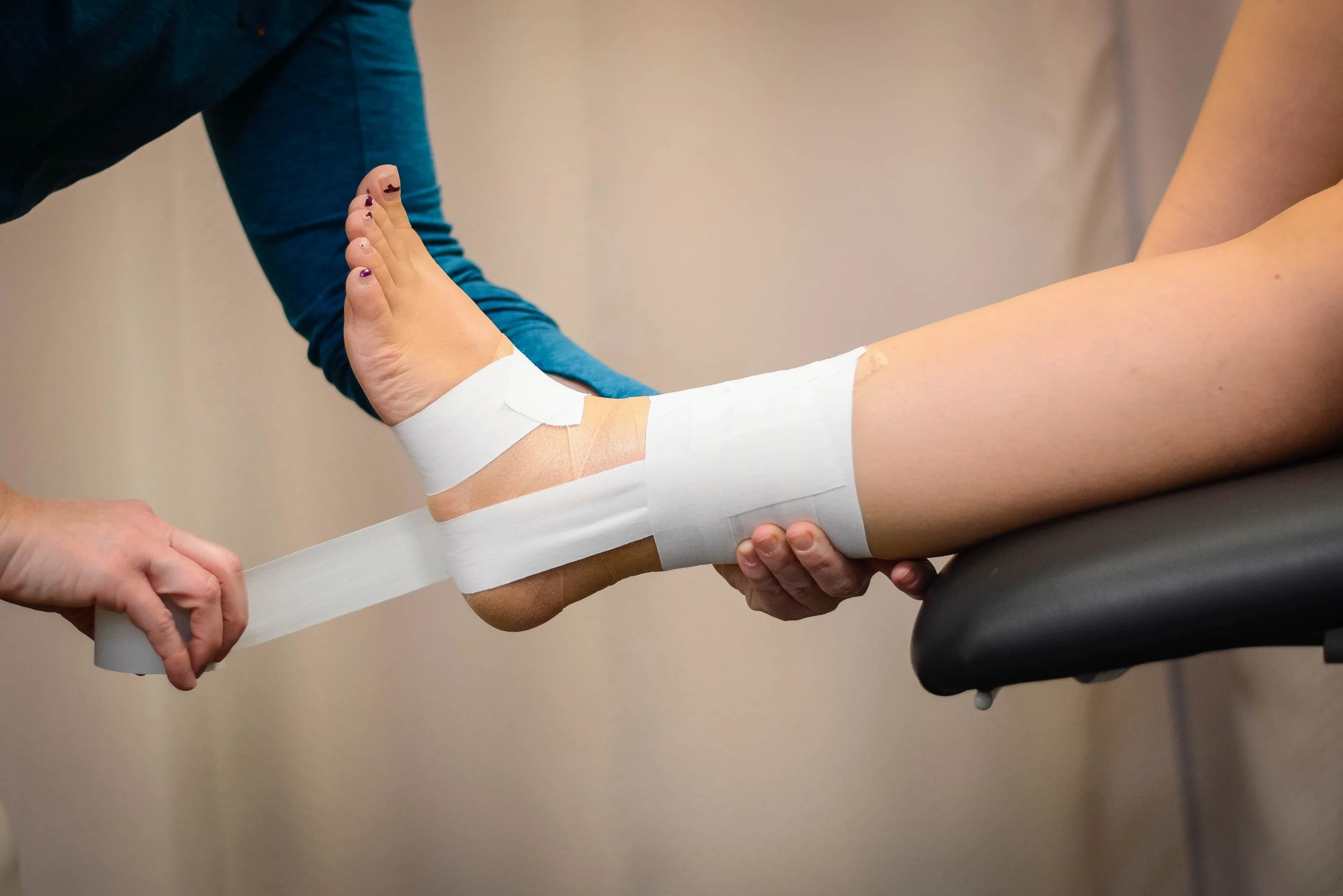
There are two types of sports fans: the ones who watch the ball, and the ones who watch the injury report.
If you have ever refreshed your feed at 11:58 a.m. waiting for an “active” tag, you already know this truth: high-profile injuries do not just change rotations. They change money, momentum, and the shape of a championship race.
Let’s break down what actually happens when a star goes down, why the betting market reacts the way it does, and how the best teams rewire their identity on the fly.
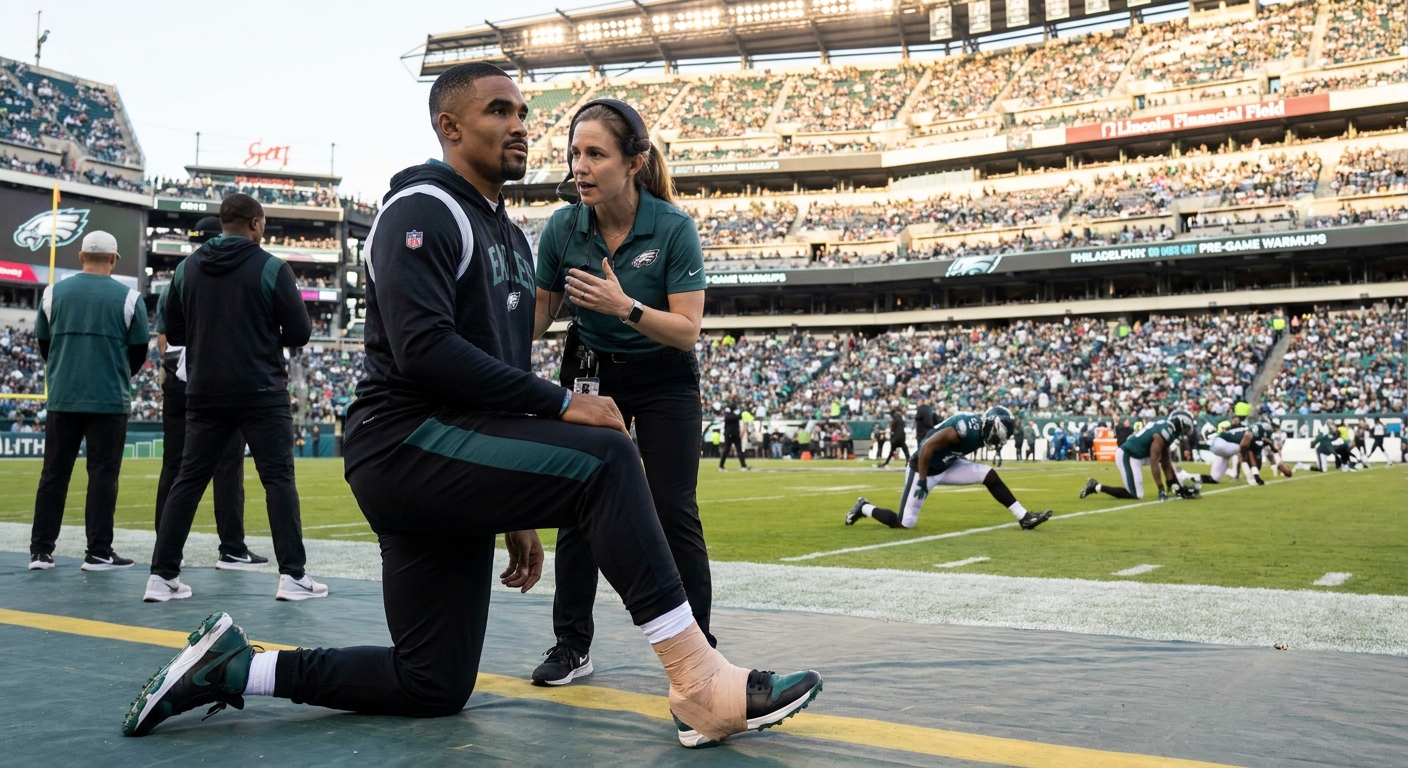
Why injury news moves lines fast
Odds move because sportsbooks are pricing in two things at once: the new reality on the field, court, or ice and the public’s emotional reaction to it. When a star is ruled out, books adjust quickly to avoid being flooded with one-sided bets.
The three numbers most affected
- Point spread: Often the clearest single indicator of a player’s value in that matchup. If a franchise quarterback or primary scorer is out, spreads can move multiple points quickly, depending on the backup and the opponent.
- Moneyline: Especially sensitive in evenly matched games. A key absence can flip a favorite into an underdog, or vice versa.
- Futures: Title odds can be slower at first when timelines are unclear, then shift sharply once the absence is confirmed and priced across the remaining schedule. In very liquid markets, they can also adjust immediately.
In my experience, the sharpest moment is not the initial headline. It is the follow-up detail: severity, recovery timeline, and whether the team has an actual Plan B or just good vibes.
A real-world reminder
Aaron Rodgers’ Achilles injury in Week 1 of 2023 is the cleanest example of the ripple effect. One snap changed the Jets’ season outlook, forced an immediate identity shift on offense, and sent futures pricing into a new tier because the market was no longer betting “Jets with Rodgers.” It was betting “Jets without him.” That distinction is everything.
Not all stars are priced the same
We love the idea that a team is a machine and you can swap parts. But sportsbooks treat some positions like the engine and others like premium upgrades.
Positions that swing the market
- NFL quarterback: The biggest single-player driver of spread movement. A top-tier QB can be worth several points because he impacts every snap, every third down, and every red-zone possession.
- NBA primary creator: The guard or wing who bends defenses with on-ball gravity. Remove the player who generates paint touches and kick-out threes, and you often remove the entire shot-quality ecosystem.
- MLB ace starter: Not every pitcher moves a line, but a true ace alters win probability immediately and changes bullpen usage for the next two games.
- NHL goaltender: A hot goalie can tilt a whole series. In a low-scoring sport, a small change in save percentage carries outsized weight.
Meanwhile, a star receiver, a shutdown corner, or a high-end big man can absolutely decide outcomes, but the betting market usually prices them with more context: matchup, depth, and scheme.
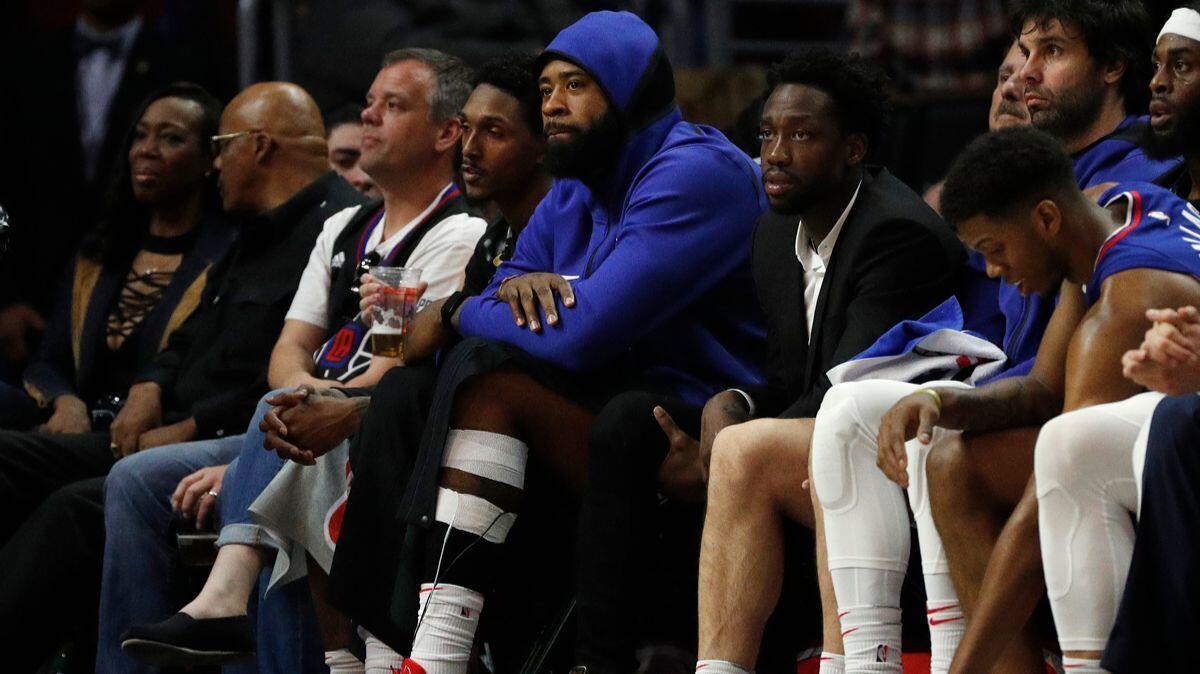
The hidden driver: uncertainty
The most chaotic odds swings come from uncertain statuses, not clean outs. “Questionable” has become one of the most powerful words in sports, because it forces bettors to guess and books to protect themselves.
How uncertainty changes the line
- Early week: Books shade lines toward caution if the star is truly 50-50. You will see smaller moves, but wider variability across sportsbooks.
- Late week: Once beat reports and practice participation hit, the market narrows. If the player is trending out, the move accelerates.
- Game day: The official actives list is a starting gun, especially in the NFL. It is often one of the biggest single jumps, though major moves can also happen earlier off trusted reports.
If you are tracking championship odds, uncertainty can create a short window. Futures can lag behind reality when information is murky, even if the window closes quickly once a firm timeline hits.
One quick note on reporting
League rules matter here. NFL injury reporting is structured around the weekly practice cadence. NBA and NHL statuses can be more fluid up to tipoff or puck drop. MLB pitching changes can be a market event on their own. Timing is part of the edge.
How teams adjust without a star
Fans talk about “next man up.” Coaches talk about “what can we still run?” Those are not the same conversation.
1) Pace control
When a team loses a top scorer or shot creator, it often slows down to reduce turnovers and limit opponent transition chances. The goal becomes keeping the game inside a smaller margin of randomness.
2) Shot profile and play selection
In basketball, you might see fewer pick-and-roll possessions if the ball handler is out, and more post actions or off-ball screening to manufacture easier looks. In football, losing a quarterback can mean fewer deep drops, more play-action, and a heavier run rate to protect the replacement.
3) Role compression
This is the one casual viewers miss. When the star sits, the minutes and touches do not distribute evenly. They compress into the next two or three most trusted players. That can look like a No. 2 option going from a steady diet to a full-time burden, plus more playmaking, plus more defensive responsibility. Fatigue, foul trouble, and late-game shot quality start to bend.
4) Defensive targets
A star absence changes how opponents defend. If the best shooter is out, defenses shrink the floor. If the best rim protector is out, opponents attack the paint relentlessly. Matchups that were “fine” become targeted.
Championship odds and ripple effects
Injuries do not just impact one game. They rewrite the path.
Schedule and seeding
In leagues where home-field or home-court matters, a two-week absence in February can become a problem in May. One lost tiebreaker, one road series instead of a home series, and suddenly a contender’s title odds are not about talent alone. They are about travel, rest, and margins.
Load and secondary injuries
When a star goes down, the replacement minutes have a cost. Overextended starters pick up soft tissue issues. Bench units get exposed. The injury report becomes a chain reaction, and futures markets start pricing in fragility, not just the original absence.
Trade deadline pressure
An injury can force a front office to choose: ride it out, or buy help. The best organizations treat injuries like a stress test for their depth. The worst ones panic, overpay, and still do not solve the structural issue that got exposed.
Why the public overreacts
There is a reason sportsbooks are in business. The public often reacts to the name, not the role.
Common overreactions
- Star power bias: A big name can move a line more than his current impact if he is coming back from injury or playing limited minutes.
- Highlight bias: Fans remember the last big moment and assume it is repeatable. Markets punish teams that lose a closer, even if underlying efficiency is stable.
- Replacement blind spot: Not all backups are equal. A veteran backup QB who avoids mistakes may be worth more in a specific matchup than an untested athlete with a higher ceiling.
The sharp approach is boring and effective: identify what the injured player actually does that cannot be replicated, then see if the opponent is built to exploit that specific gap.
The checklist when news breaks
When the alert hits, I try to slow the moment down. Here is the quick framework that keeps me from chasing headlines.
- Timeline: Is it days, weeks, or a “we will know more” situation?
- Function: What job is lost? Shot creation, rim protection, pass protection calls, defensive rebounding, tempo control?
- Depth: Is there a like-for-like replacement, or will it be committee?
- Opponent fit: Does the next opponent attack the exact weakness created?
- Second-order effects: Who takes on extra usage, and can they handle it without efficiency falling off?
- Market move: Did the line swing past what feels reasonable? Overcorrections happen when the public piles on.
What it means for the title picture
Titles are not won by health alone, but you rarely win if injuries strip away your core and force you to play a version of yourself you do not recognize.
When a star is absent, odds shift because the sport changes. Rotations tighten. Game plans simplify. Pressure moves to the margins: free throws, turnovers, late-clock execution, and whether your second unit can just hold the rope.
And the human part matters too. Some locker rooms rally when a star goes down. Others get quiet. The betting market can price a hamstring. It cannot always price belief.
Keep your eye on the injury report, sure. But keep your other eye on what teams become when the easy button disappears. That is where championships are actually decided.
Responsible note
If you bet, treat injury news like information, not an invitation to chase losses. Set limits, shop lines, and do not confuse a fast update with a guaranteed edge.