
Creatine is one of the rare supplements that lives up to the hype in real weight rooms and real seasons. It’s not magic. It’s more like an extra gear in short, high-effort moments: one more rep, a little more pop off the floor, a slightly faster repeat sprint. Over weeks of good training, those inches add up.
If you compete in a sport built on bursts, cuts, jumps, throws, or repeated accelerations, creatine is worth understanding. Let’s break down what it does, how to dose it, when to take it, and how to use it safely like an athlete who wants results and still wants to feel good in Week 10.
What creatine does
Creatine is stored in your muscles as phosphocreatine. During short, intense efforts, your body uses phosphocreatine to help regenerate ATP, the immediate energy currency you burn through fast in max strength and sprint-type work.
When you supplement creatine, you increase muscle creatine stores for most people. That usually means you can produce high power output for a little longer and recover a little faster between repeated bouts.
Benefits that show up
- Explosive strength and power: better performance in heavy sets, jumps, throws, and Olympic lift variations.
- Repeated sprint ability: small but meaningful improvements when you’re asked to go hard, rest, then go hard again.
- Training volume over time: if creatine helps you squeeze out extra quality work, you often gain more strength and lean mass across a training block.
- Potential cognitive benefit under stress: some evidence suggests creatine may support brain energy metabolism, especially when sleep is short or stress is high, though this isn’t the main reason athletes take it.
What it does not do: it’s not a stimulant, it won’t directly melt fat, and it can’t replace a smart program, protein, and sleep.
Best form to buy
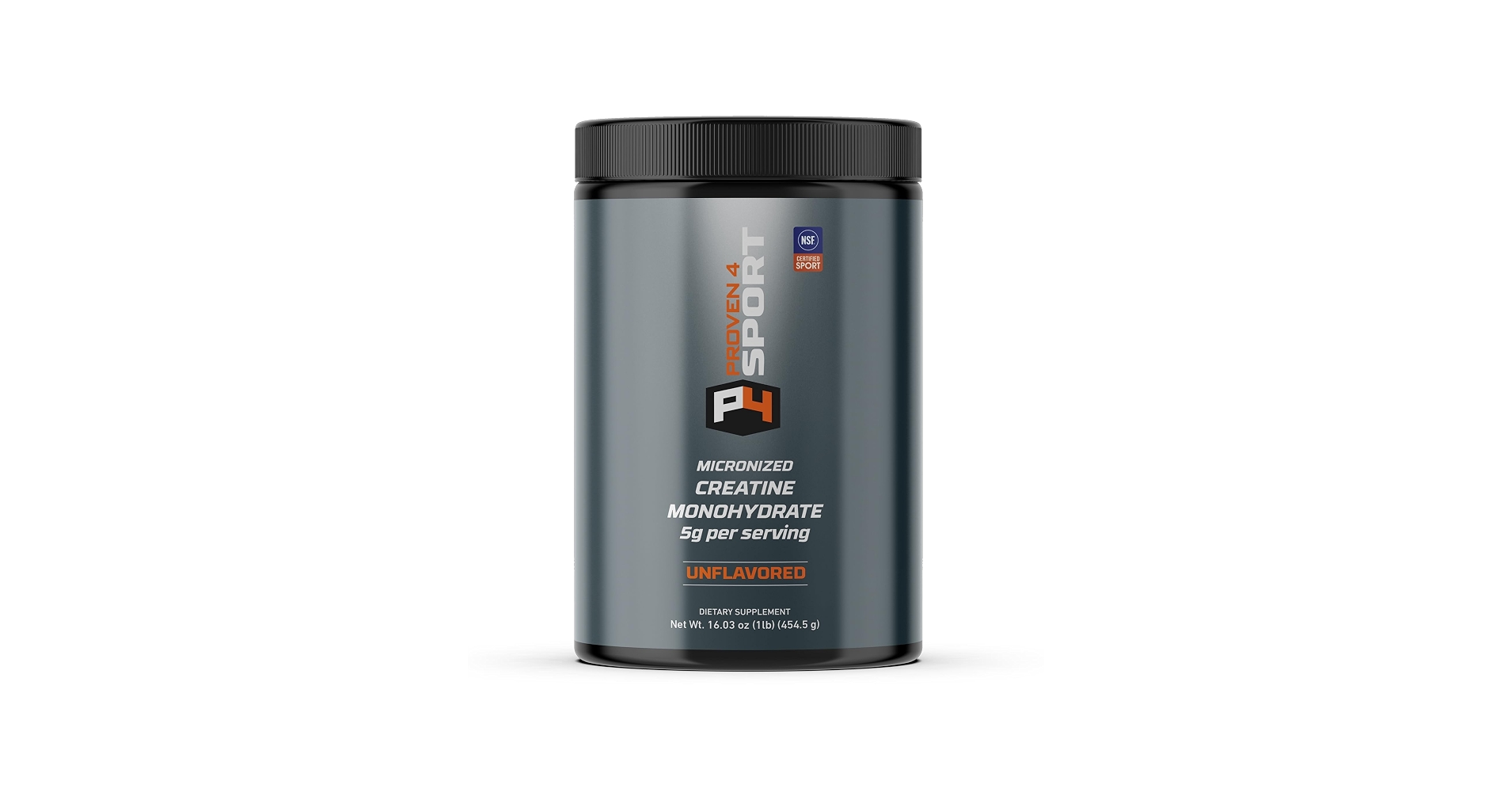
If you take one thing from this article, make it this: plain creatine monohydrate is the standard. It’s the most studied form, consistently effective, and usually the best value.
- Look for creatine monohydrate on the label.
- Micronized powder can mix a little easier, but it’s not required.
- If you’re drug tested, choose a product that’s third-party tested (NSF Certified for Sport or Informed Sport are common options) to reduce contamination risk.
Dosage
The goal is simple: saturate muscle creatine stores, then keep them topped off. There are two reliable ways to do it.
Option A: Loading
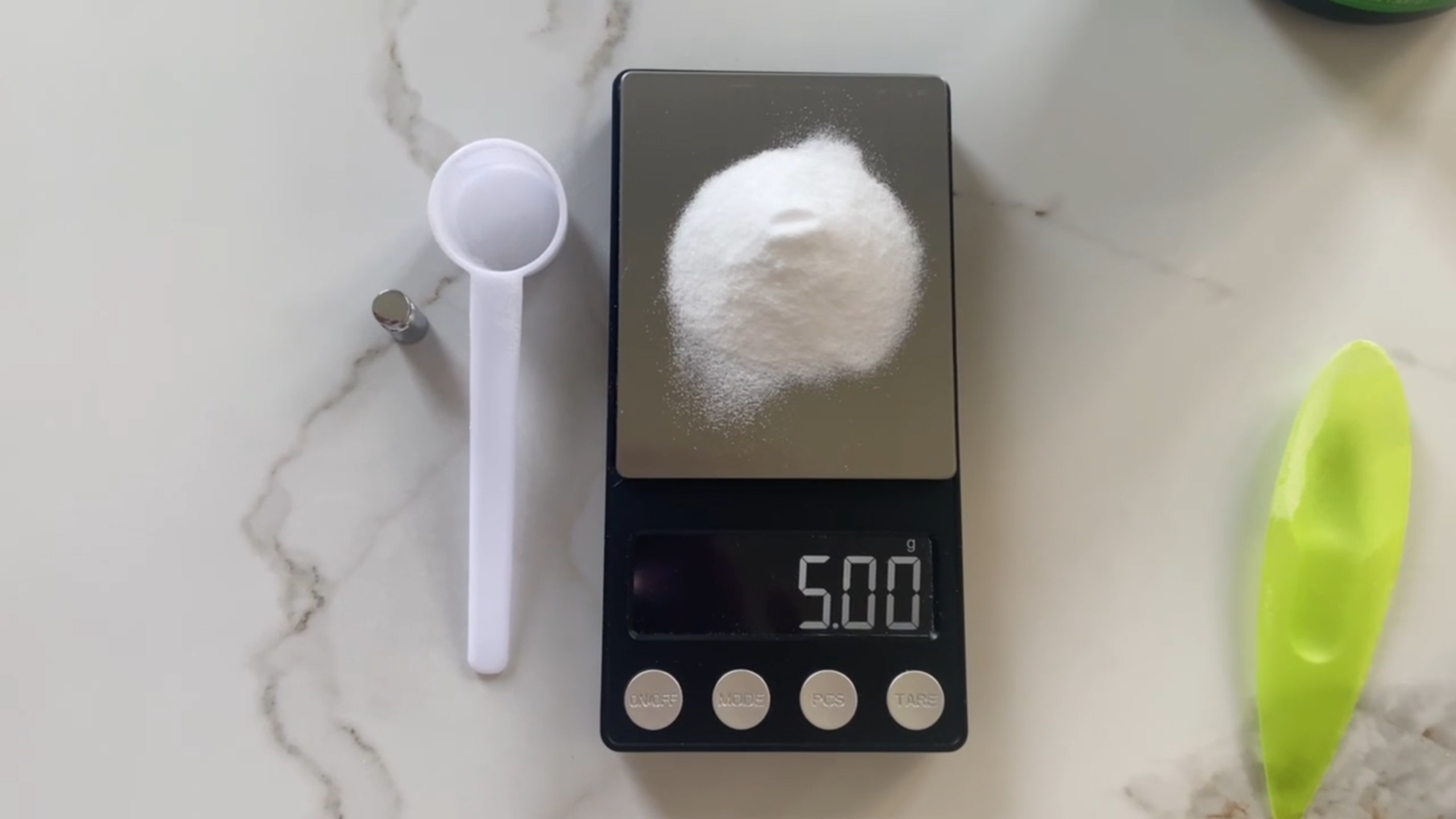
Loading: 20 grams per day for 5 to 7 days, split into 4 doses of 5 grams.
Maintenance: 3 to 5 grams per day after loading.
This approach saturates your muscles quickly. Athletes often feel the difference in training within 1 to 2 weeks.
How to load without GI issues
If you choose to load, treat it like a mini-camp: structured and deliberate.
Loading plan (7 days)
- 5 grams with breakfast
- 5 grams with lunch
- 5 grams mid-afternoon with a snack
- 5 grams with dinner
Tips that help:
- Don’t dry scoop. Mix it fully in water or a shake.
- Take it with food. It often reduces GI distress.
- Use smaller, more frequent doses. One huge dose is where trouble starts.
If your gut still protests, scrap the loading phase and go 5 grams per day. You’ll still get the benefits.
Option B: No loading
Take 3 to 5 grams per day consistently for about 3 to 4 weeks.
You’ll still get to the same place, just a little slower. A lot of athletes prefer this because it can be gentler on the stomach.
What’s right for your size?
Most athletes do great with 5 grams per day. If you want a more body size-aware target, maintenance is often cited around 0.03 grams per kilogram of body weight per day (roughly 2 to 5 grams for most people).
Common mistake
Creatine is about daily consistency. Missing a day here and there isn’t the end of the world, but taking it only on lifting days leaves benefits on the table.
Timing
Good news for busy athletes: timing isn’t make-or-break. Your muscles care more about saturation than the clock.
Timing rules that help
- Take it when you’ll remember it. After practice, with breakfast, or with your nightly protein shake.
- Post-workout is a solid habit. A lot of athletes pair 5 grams with their post-lift meal or shake because it’s easy to anchor.
- With food can help. Taking creatine with a meal that includes carbs and protein may improve uptake slightly, and it often feels better on the stomach.
Game day
Creatine isn’t a same-day boost like caffeine. Still, keep your normal daily dose on competition days unless your stomach is sensitive. If you’ve had GI issues before, take it with a meal and don’t experiment on a big day.
What to expect
1) Scale weight
Many athletes gain 1 to 3 pounds in the first couple of weeks, sometimes more, mostly from increased water stored in muscle. That can be a positive for strength and power sports, but it matters if you’ve got a weight class or a speed requirement.
2) Better repeat efforts
The classic creatine moment is late in the session when you usually fade, but you’ve still got juice. Track:
- Top set performance (reps at a given load)
- Jump height or bar speed if you measure it
- Repeated sprint times or conditioning intervals
3) Better training weeks
If creatine helps you recover between hard sets and hard days, you can accumulate more high-quality work across a month. That’s where the real payoff lives.
Safety and myths
Creatine monohydrate is widely studied and considered safe for healthy people when used at recommended doses. Still, athletes should treat it with the same professionalism as any training tool.
Common side effects
- Stomach upset: more likely with large doses or loading. Split doses, take with food, and consider skipping loading if you’re sensitive.
- Water retention: mostly inside muscle. It’s normal and often part of why performance improves.
Myth: kidney damage
For healthy individuals, research generally doesn’t support the idea that creatine damages kidney function at standard doses. That said, if you have kidney disease, a history of kidney issues, or you’re on medications that affect kidneys, talk to a qualified clinician before supplementing.
Myth: dehydration or cramps
In practice, a lot of athletes do fine or even better when hydration is handled well. Creatine increases water stored in muscle, so the best move is simple: take hydration seriously , especially in heat, two-a-days, or tournament weekends.
Teen athletes
Creatine has been studied in younger populations, but supervision matters. If you’re a high school athlete, loop in a parent or guardian and ideally a sports dietitian. The priority list stays the same: food, sleep, training, then supplements.
Creatine for pop
As a former hooper, this is the part I love. Creatine shines when the game is about quick force. Think:
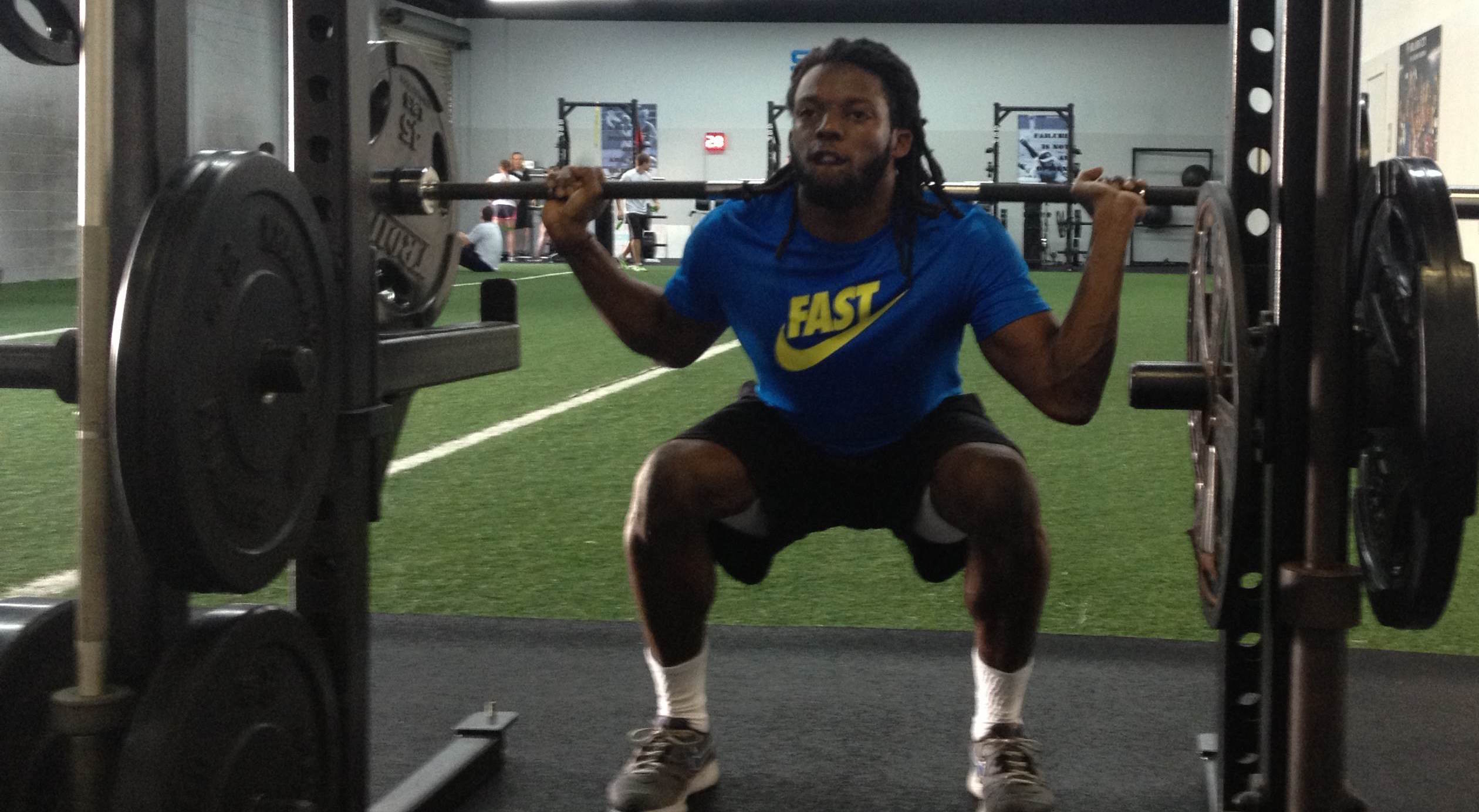
- Jumping and landing repeatedly
- First-step acceleration
- Short sprints and changes of direction
- Heavy triples, fives, and repeated sets
Creatine supports the energy system you lean on for those moments. That doesn’t mean you take creatine and suddenly dunk. It means you can attack training with slightly more quality, then let your program turn that quality into athletic change.
How to stack it
Creatine plays best with boring, consistent fundamentals.
Protein
Aim for roughly 1.6 to 2.2 g/kg/day if your goal is strength and lean mass, adjusted for your sport and total calories.
Carbs
Carbs matter for high-output training and team sport schedules. If you’re practicing hard, under-eating carbs is one of the fastest ways to feel flat, even if your supplement shelf is stacked.
Caffeine
Caffeine and creatine can coexist. If caffeine upsets your stomach, don’t combine everything in one pre-workout cocktail. Keep creatine as a daily habit and caffeine as a situational tool.
Hydration and sodium
If you cramp or fade late, look at the simple stuff:
- Fluids across the day, not just at practice
- Sodium intake, especially in heat and heavy sweaters
- Carbs around training
Sport notes
Strength and power sports
Creatine is a strong fit. Expect the best returns when your program includes heavy lifting, power work, and repeated high-intensity bouts.
Endurance sports
Benefits can be more mixed. Some endurance athletes use creatine during strength phases for gym performance, but the potential weight gain may not be worth it for certain events. If you race long distances and every pound matters, test it in the off-season first.
Weight-class sports
Plan ahead. Creatine can shift scale weight upward. That doesn’t automatically mean worse performance, but it might change your competition strategy. If you’re close to a cutoff, don’t start creatine two weeks before weigh-ins.
Simple plan
Low-drama
- Dose: 5 grams creatine monohydrate daily
- Timing: with breakfast or post-workout
- Duration: commit to 8 to 12 weeks and track performance
- Hydration: be consistent, especially in heat
- Quality control: third-party tested if you’re drug tested
If you want it faster
- Load 20 grams per day for 5 to 7 days (split doses)
- Then 3 to 5 grams per day
If your training is the story, creatine is a supporting character. It won’t win the game for you, but it can absolutely help you show up with more in the tank when it’s time to make a play.
Quick FAQ
Do I need to cycle?
Most athletes don’t need to cycle it. Many take it year-round. If you prefer breaks, take them in the off-season, not mid-block.
Is it OK daily?
Yes, that’s the point. Daily dosing keeps muscle stores up.
What if I miss a day?
Just take your normal dose the next day. Don’t double up unless you’re following a structured loading plan.
Water or a shake?
No, it doesn’t matter. Mix it well and take it consistently. With food is often easier on the stomach.